

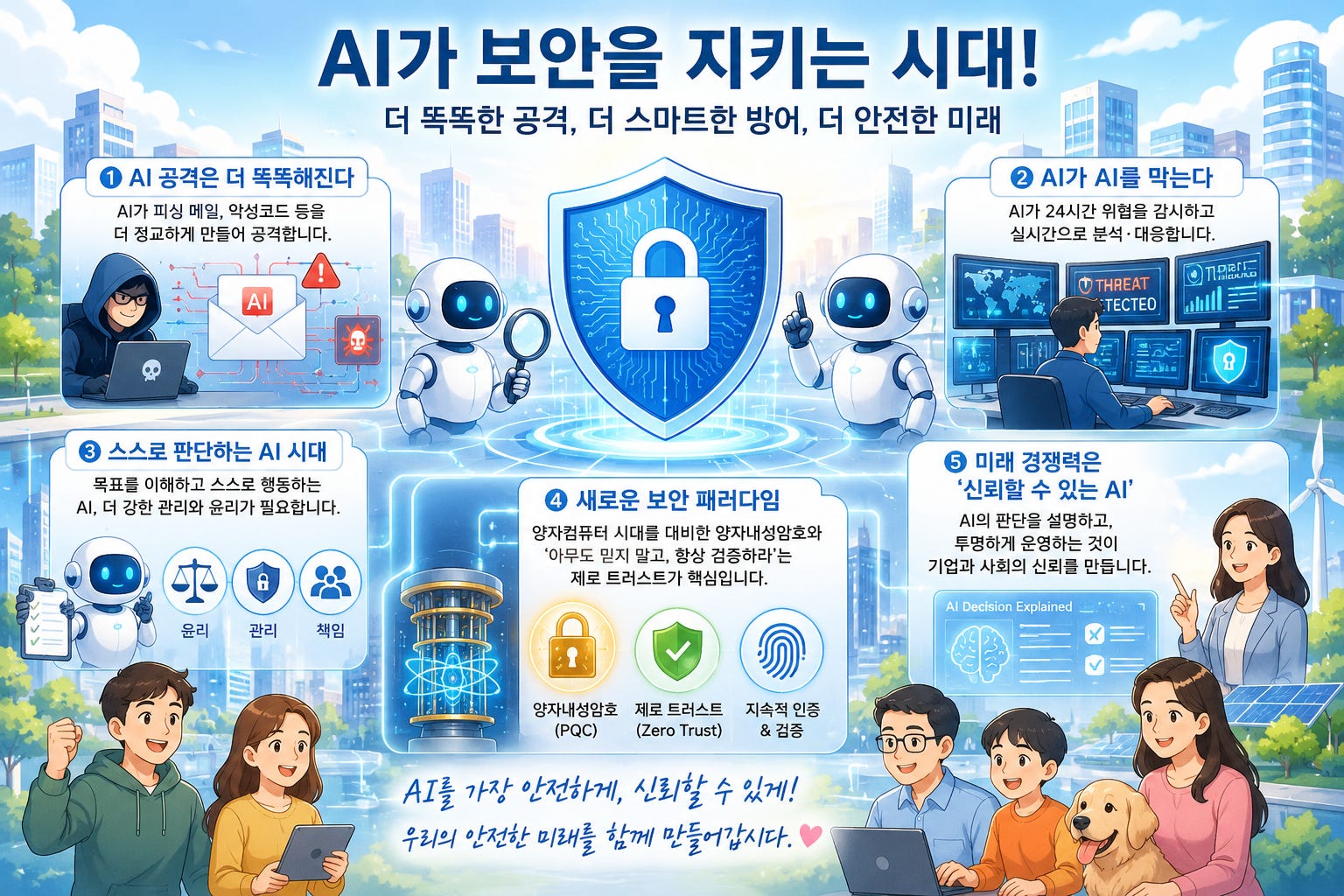
Five Major Security Shifts in the AI Era
As AI technology advances rapidly, the cybersecurity landscape is undergoing a fundamental transformation.
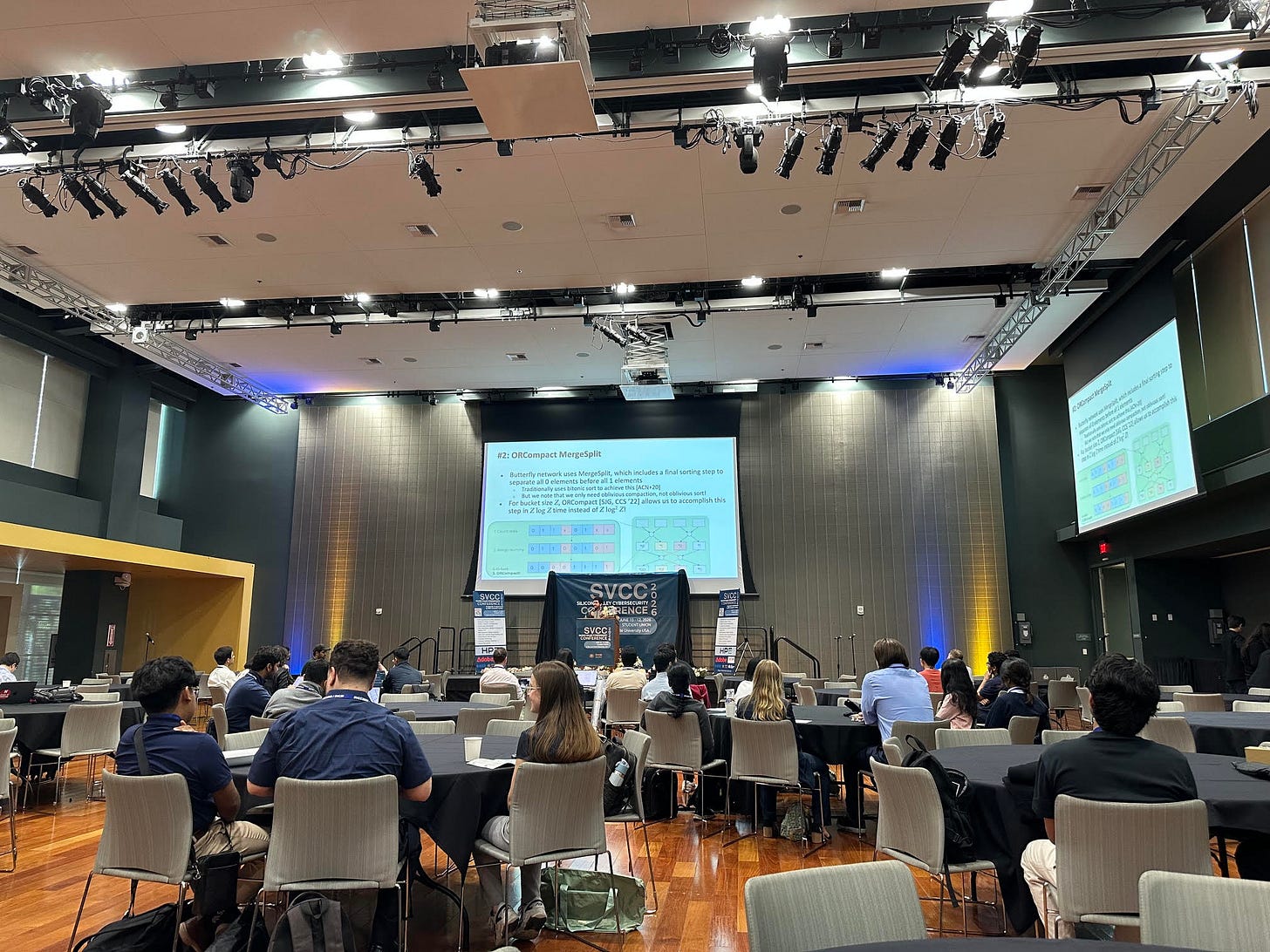
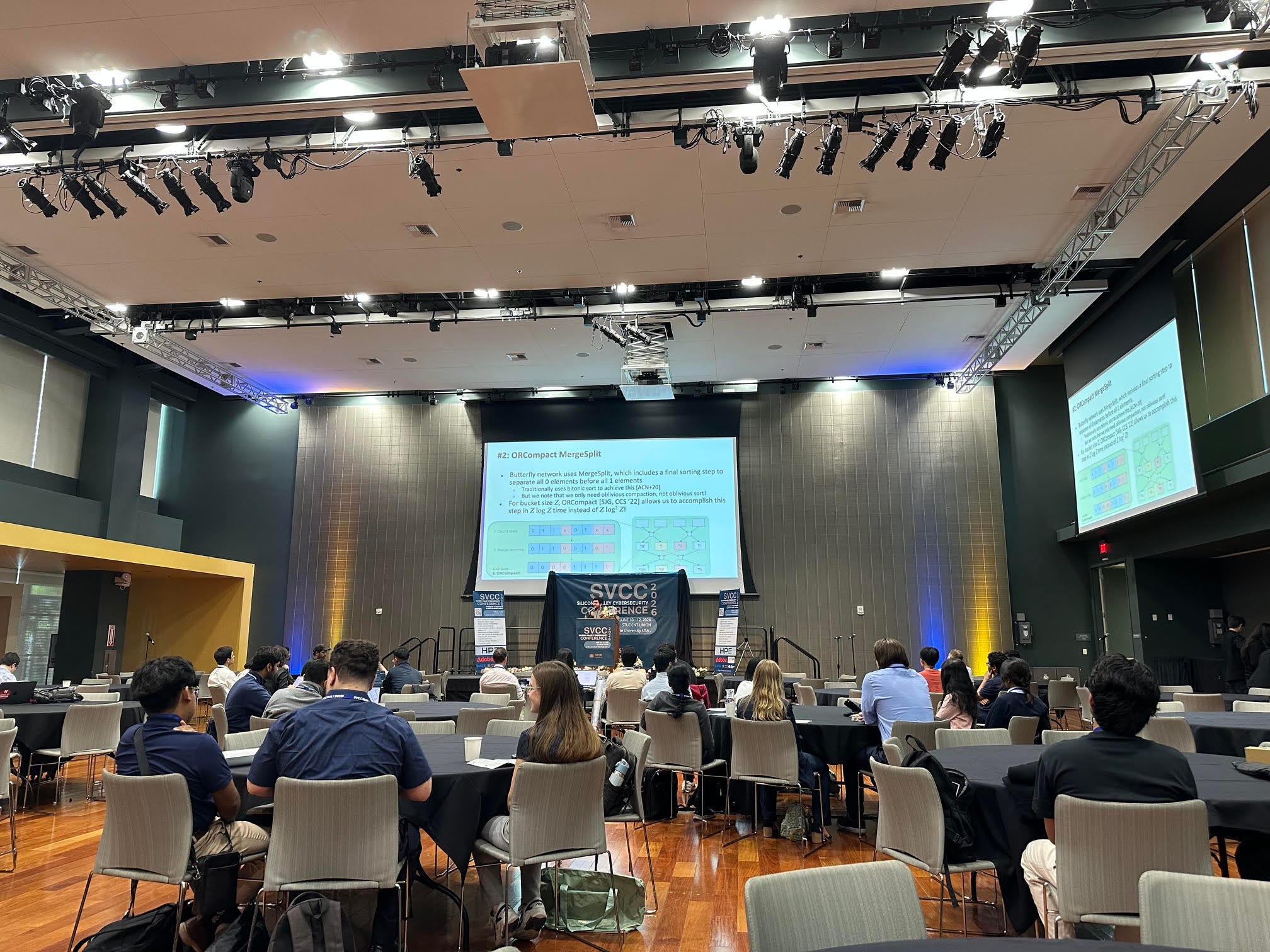
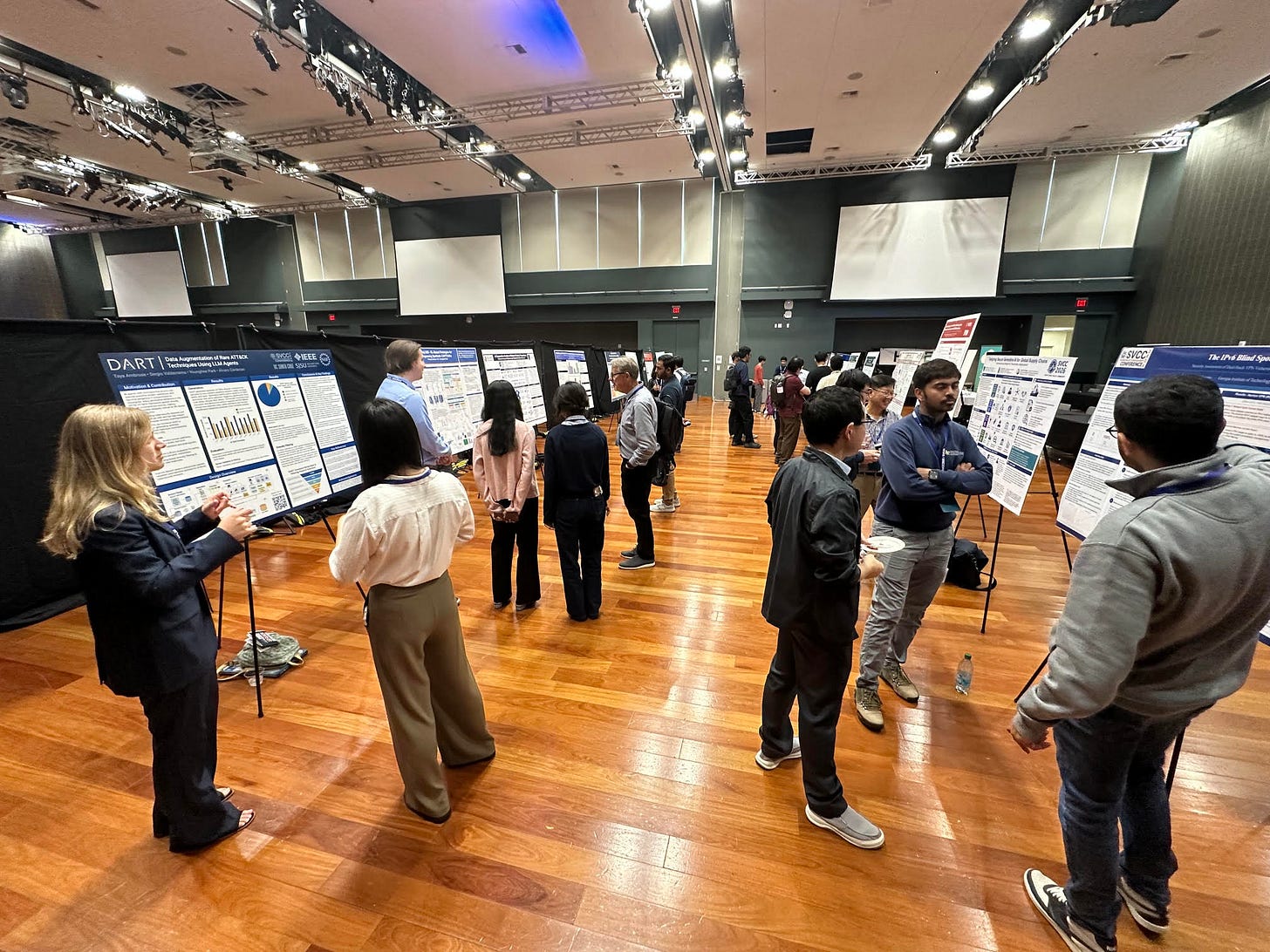
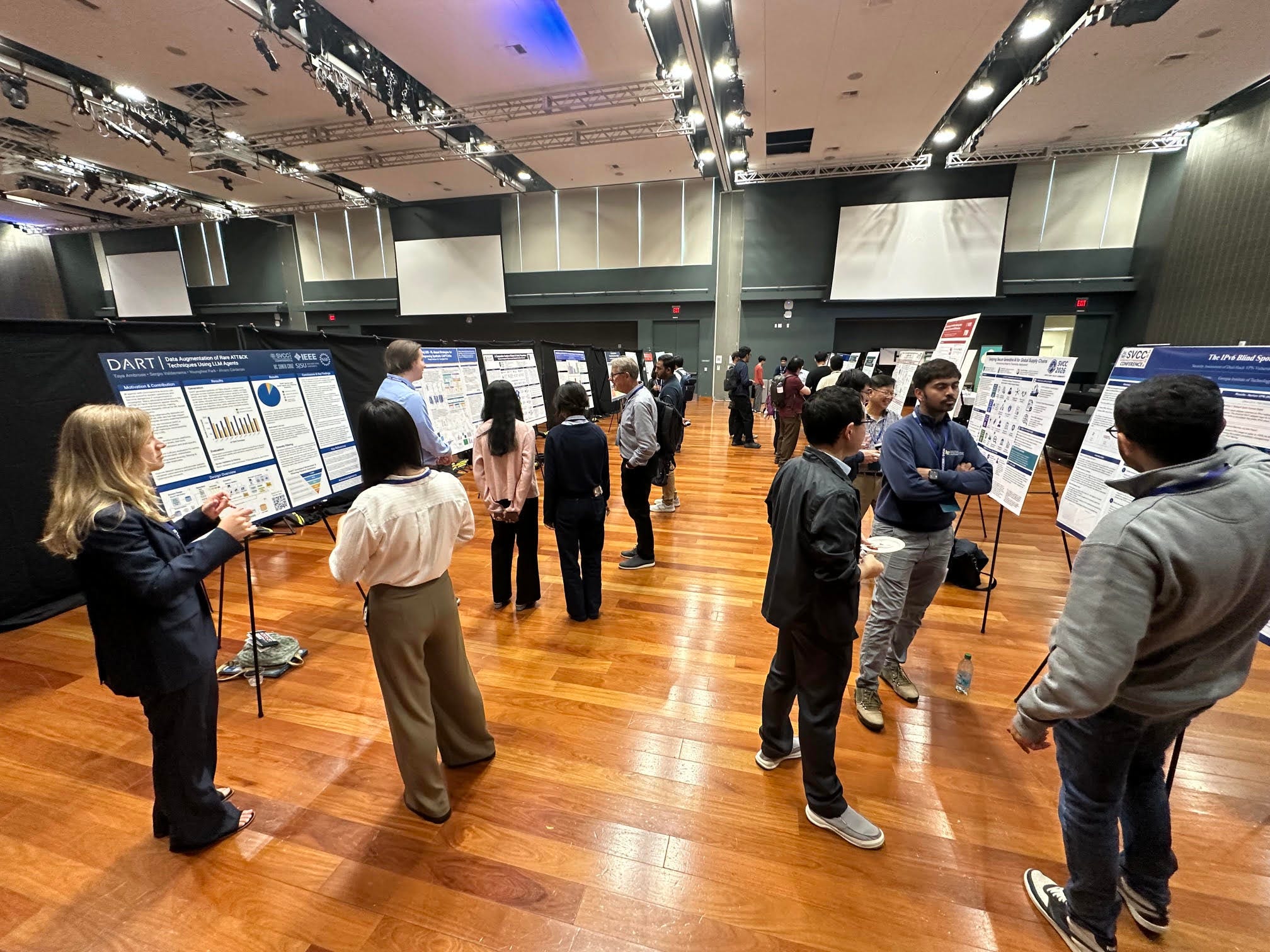
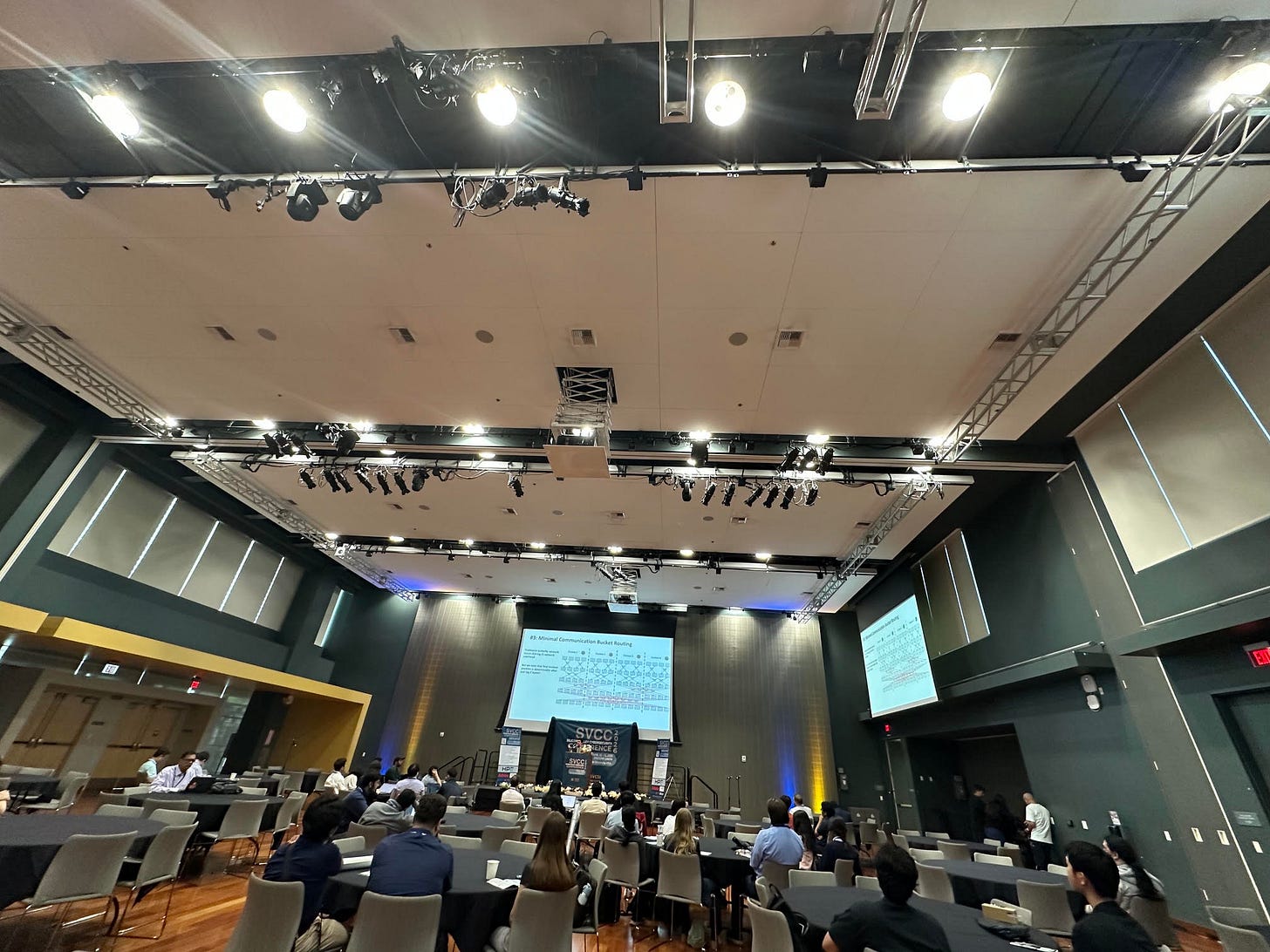
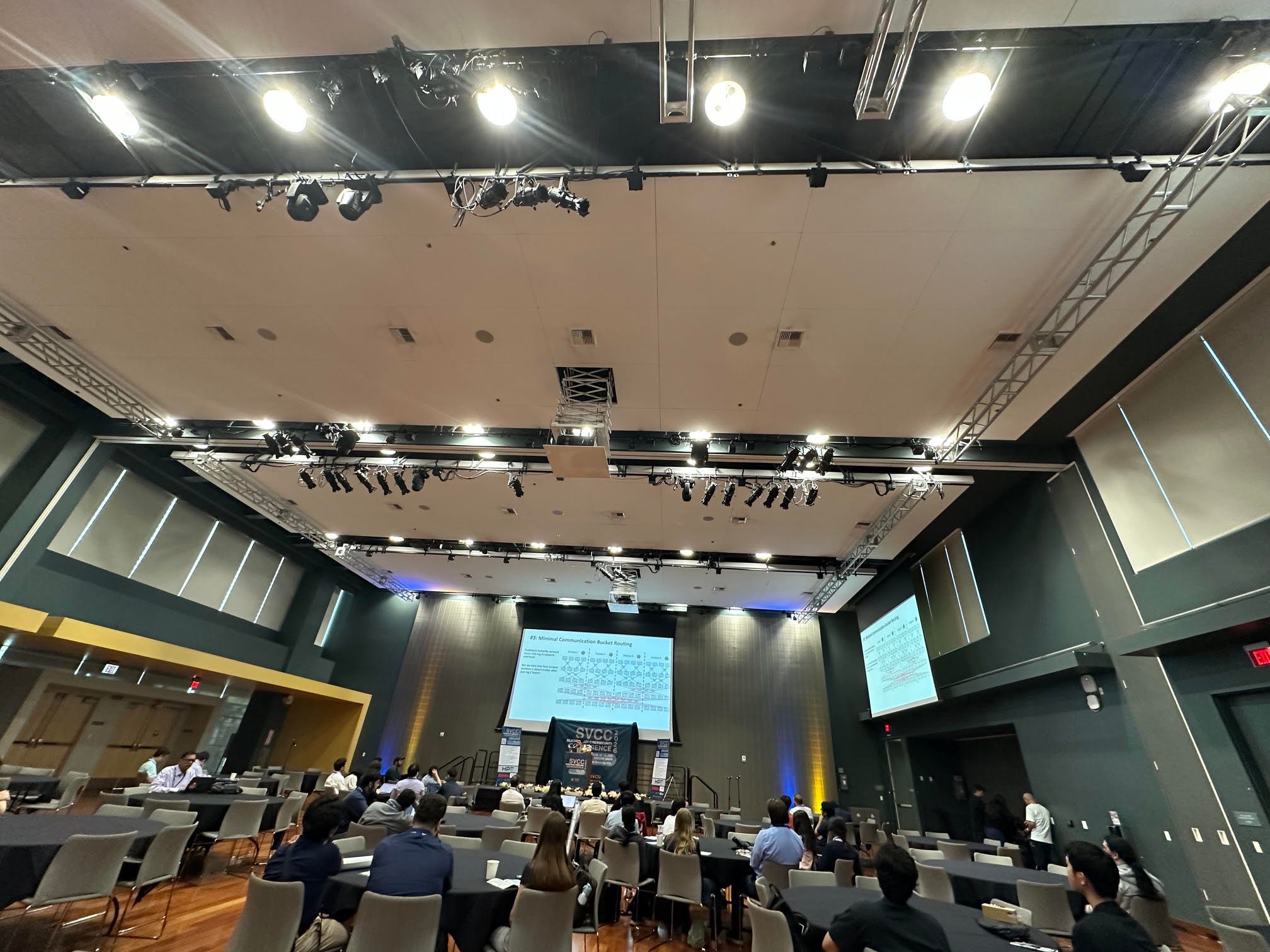
I attended SVCC 2026, held at San José State University in San Jose, California, from June 10 to 12, 2026. At SVCC 2026, key directions for future security strategies were presented, including AI-powered attacks and defenses, autonomous security systems, and next-generation security standards.
1. The Growing Sophistication of AI Attacks and the Necessity of Security Preparedness
AI can learn independently, adapt its strategies, and execute increasingly sophisticated cyberattacks.
Cybersecurity is no longer a concern limited to experts; it has become an essential priority for both organizations and individuals.
Example
A global e-commerce company experienced large-scale attempts to compromise employee accounts through AI-powered phishing attacks
Attack AI automatically generated email content tailored to each employee’s work patterns
The attacks demonstrated a level of sophistication that traditional security awareness training alone could not effectively address


2. A Paradigm Shift: AI Defending Against AI
Human-centered response systems alone are becoming insufficient to effectively counter AI-driven attacks.
As a result, AI-powered automated security capable of detecting, analyzing, and responding to threats is emerging as a critical strategic approach.
Example
Major financial institutions use AI security systems to analyze millions of transaction records in real time
Suspicious transactions are automatically blocked, reducing response times from hours to seconds
3. The Expansion of Agentic AI and Stronger Governance
Agentic AI refers to autonomous security technology that can independently detect and respond to anomalies.
However, while highly efficient, it can also introduce risks related to misjudgments and accountability, making governance frameworks and ethical standards increasingly important.
Example
A global manufacturing company deployed agentic AI across its factory network
The system successfully blocked malicious traffic automatically
However, there remains a possibility that legitimate operational data could be misidentified as a threat, temporarily disrupting production lines
Clear management structures and accountability standards are therefore essential
4. Next-Generation Security Standards: Post-Quantum Cryptography and Zero Trust
As the era of quantum computing approaches, the need for post-quantum cryptography is becoming increasingly urgent.
At the same time, Zero Trust—an approach that continuously verifies every access request—is emerging as a new security standard.
Example
A national critical infrastructure operator is preparing for the risk of cryptographic systems being broken by quantum computers
Post-quantum cryptography is being implemented in phases
A Zero Trust architecture has been established to continuously authenticate even internal users
5. Trustworthy AI as the Foundation of Future Competitiveness
Global organizations increasingly evaluate not only AI adoption capabilities but also the ability to manage and control AI safely and responsibly.
Future competitiveness will depend less on the speed of technological development and more on the ability to build and operate trustworthy AI and robust security systems.
Example
Global healthcare companies are designing AI diagnostic systems with auditable and traceable decision-making processes
This helps secure trust from regulators and customers
The result is stronger market competitiveness


Trust-Centered AI Security Strategies Will Shape the Future
SVCC 2026 clearly outlined the direction of cybersecurity in the AI era.
In particular, the following four areas are emerging as core strategic priorities:
AI-powered security
Agentic AI
Zero Trust
Post-quantum cryptography
The safety and trustworthiness of the future digital society will be determined not by technology itself, but by the ability to operate it responsibly.
Both organizations and individuals must proactively adapt to this evolving security environment.
Priorities for Organizations
Strengthen security governance alongside AI adoption strategies
Enhance data protection frameworks
Build automated threat detection and response capabilities
Establish proactive security systems to prepare for advances in quantum computing and autonomous AI
Priorities for Individuals
Develop a deeper understanding of security and privacy when using AI services
Adopt safe digital habits
Continuously learn about and respond to emerging threats
Final Thought
The winners of the AI era are unlikely to be those who adopt AI the fastest, but those who operate it in the safest and most trustworthy manner.
What is needed today is not only broader AI adoption but also a thorough assessment and strengthening of AI security capabilities.
The ability to build trustworthy AI and continuously validate its reliability will become one of the most important competitive advantages for the future. +++
{Solti}
June 25, 2026
해커보다 먼저 움직이는 AI
AI가 AI를 지키는 보안 혁명이 시작된다
실리콘밸리 사이버보안 컨퍼런스 2026 (SVCC 2026)에서 확인한 미래
인공지능(AI)이 우리의 일상에 깊숙이 들어오면서 사이버보안의 패러다임도 근본적으로 바뀌고 있다.
필자는 실리콘 벨리에 위치한 San Jose State University에서 2026년 6월 10-12일에 걸쳐 열린 SVCC 2026에 참가하였다. 실리콘밸리 사이버보안 컨퍼런스 2026(SVCC 2026)에서는 AI 시대를 대비하기 위한 새로운 보안 전략들이 제시되었다. 특히 AI를 이용한 공격과 이를 막기 위한 AI 기반 방어 기술, 스스로 판단하고 대응하는 자율형 보안 시스템, 그리고 차세대 보안 표준이 핵심 화두로 떠올랐다.
이 가운데 일반인들도 꼭 알아두어야 할 다섯 가지 변화가 있다.
① AI 공격은 점점 더 똑똑해지고 있다
과거의 해커는 사람이었다. 하지만 이제는 AI가 공격을 설계하고 실행하는 시대가 열리고 있다.
AI는 방대한 데이터를 순식간에 분석하고, 사람마다 다른 행동 패턴을 학습하여 훨씬 정교한 피싱 이메일과 악성코드를 만들어 낼 수 있다. 기존의 보안 교육이나 단순한 백신 프로그램만으로는 이러한 공격을 막기 어려워지고 있다.
예를 들어, 한 글로벌 전자상거래 기업은 AI가 직원 개개인의 업무 특성을 분석해 맞춤형 피싱 이메일을 대량으로 생성하는 공격을 경험했다. 겉보기에는 평범한 업무 메일처럼 보여 많은 직원들이 속을 뻔했다.
사이버보안은 이제 전문가들만의 문제가 아니다. 스마트폰을 사용하는 학생, 인터넷 뱅킹을 이용하는 직장인, 온라인 쇼핑을 즐기는 소비자 모두가 AI 시대의 보안 위협에 노출되어 있다.
② AI를 막는 것은 또 다른 AI다
AI가 공격을 한다면, 그 공격을 가장 빠르게 막을 수 있는 것도 결국 AI다.
이번 컨퍼런스에서는 AI가 24시간 네트워크를 감시하며 이상 징후를 찾아내고, 공격을 분석한 뒤 자동으로 대응하는 기술들이 대거 소개되었다.
예를 들어 세계적인 금융기관들은 AI 보안 시스템을 이용해 수백만 건의 금융 거래를 실시간으로 분석한다. 의심스러운 거래가 발견되면 사람이 개입하기도 전에 자동으로 차단하여 피해를 최소화한다.
과거에는 몇 시간씩 걸리던 대응 시간이 이제는 몇 초 안에 이루어지는 시대가 된 것이다.
③ 스스로 판단하는 AI 시대, 더 강한 관리가 필요하다
최근 가장 주목받는 기술 가운데 하나가 ‘에이전트형 AI(Agentic AI)’이다.
이는 단순히 질문에 답하는 AI가 아니라 목표를 이해하고 스스로 행동하는 AI를 의미한다.
예를 들어 공장이나 기업의 네트워크를 감시하던 AI가 이상 징후를 발견하면 사람의 지시를 기다리지 않고 공격을 차단하거나 보안 조치를 수행할 수 있다.
물론 이러한 기술은 엄청난 효율성을 가져오지만, 한편으로는 새로운 과제도 던져 준다.
만약 AI가 정상적인 데이터를 공격으로 잘못 판단해 생산 라인을 멈춘다면 누가 책임을 질 것인가?
그래서 전문가들은 AI 기술의 발전만큼이나 관리 체계(거버넌스)와 윤리 기준을 함께 마련해야 한다고 강조했다.
④ 양자컴퓨터 시대에는 새로운 보안이 필요하다
현재 우리가 사용하는 대부분의 암호 기술은 미래의 양자컴퓨터 앞에서는 무력해질 가능성이 있다.
인터넷 뱅킹, 전자상거래, 정부 서비스, 병원 시스템까지 대부분의 디지털 서비스는 암호 기술에 의존하고 있기 때문에 이에 대한 대비가 시급하다.
이번 컨퍼런스에서는 ‘양자내성암호(Post-Quantum Cryptography, PQC)’가 미래 보안의 핵심 기술로 소개되었다.
또 하나 중요한 개념은 ‘제로 트러스트(Zero Trust)’이다.
과거에는 회사 내부 네트워크에 접속하면 어느 정도 신뢰를 받았지만, 이제는 “아무도 자동으로 믿지 말고, 모든 접근을 계속 확인하라”는 원칙이 새로운 표준이 되고 있다.
국가 기반시설을 운영하는 기관들도 양자내성암호를 단계적으로 도입하고, 내부 직원까지 지속적으로 인증하는 제로 트러스트 체계를 구축하고 있다.
⑤ 미래 경쟁력은 ‘신뢰할 수 있는 AI’에서 나온다
이제 기업의 경쟁력은 단순히 AI를 얼마나 많이 사용하는지가 아니라, AI를 얼마나 안전하고 책임 있게 운영하느냐에 달려 있다.
특히 의료, 금융, 공공 서비스처럼 사람의 생명과 재산에 직접 영향을 미치는 분야에서는 AI의 판단 과정을 설명할 수 있어야 하고, 문제가 발생했을 때 원인을 추적할 수 있어야 한다.
예를 들어 글로벌 의료기업들은 AI 진단 시스템의 모든 의사결정 과정을 기록하고 검증할 수 있도록 설계하고 있다.
이러한 투명성은 규제기관의 신뢰를 얻는 것은 물론 고객의 신뢰를 확보하는 데에도 중요한 경쟁력이 되고 있다.
AI 시대의 승자는 가장 안전한 AI를 만드는 사람이다
이번 SVCC 2026은 AI 시대 사이버보안의 방향을 매우 분명하게 제시했다.
앞으로의 핵심 전략은 다음 네 가지로 요약된다.
AI 기반 보안
에이전트형 AI
제로 트러스트
양자내성암호(PQC)
미래 디지털 사회의 안전은 기술 자체보다 그 기술을 얼마나 책임감 있고 신뢰성 있게 운영하느냐에 달려 있다.
기업은 AI 도입과 함께 보안 거버넌스를 강화하고, 데이터 보호 체계를 고도화하며, 자동화된 위협 탐지 시스템을 구축해야 한다. 또한 양자컴퓨팅과 자율형 AI 시대에 대비한 선제적인 보안 전략도 마련해야 한다.
개인 역시 AI 서비스를 이용할 때 개인정보 보호와 보안에 대한 기본적인 이해를 갖추고, 안전한 디지털 습관을 실천하며, 새로운 보안 위협에 지속적으로 관심을 기울일 필요가 있다.
결국 AI 시대의 진정한 승자는 AI를 가장 빨리 도입한 사람이 아니라, 가장 안전하고 가장 신뢰할 수 있게 운영하는 사람이 될 것이다.
지금 우리에게 필요한 것은 AI를 더 많이 사용하는 것이 아니라, AI를 더 안전하게 활용할 수 있는 능력을 키우는 일이다. 이것이 미래 사회와 기업의 경쟁력을 결정하는 가장 중요한 요소가 될 것이다. +++
{솔티}
2026년 6월 25일

Prof. Dr. Young Choi (Editor in Chief) — Regent University
Young B. Choi is a Professor in the Department of Engineering & Computer Science at Regent University. He published 38 books with ‘Selected Readings in Cybersecurity’ (2018) (over 800 copies archived globally at university/college libraries around the world) and ‘Cybersecurity Applications and Artificial Intelligence’ (2023) available in seven major world languages. He proposed the world’s first global and universal telecommunications “Service Order Handling (SOH)” Model (T-SOH Model) (1995) with Dr. Adrian Tang. With this innovative research work, he received the IEEE NOMS ’96 Best Paper Award and became the first recipient of the Outstanding Contribution Award of the TeleManagement Forum in 1998. His research areas include Natural Language Processing-focused AI, AI-applied cybersecurity, network and telecom service management, and Korean studies on Gani Choi Rip’s Jeonggwan (靜觀: Quiet Contemplation) philosophy and Shilhak ( 實學: Practical Learning).