

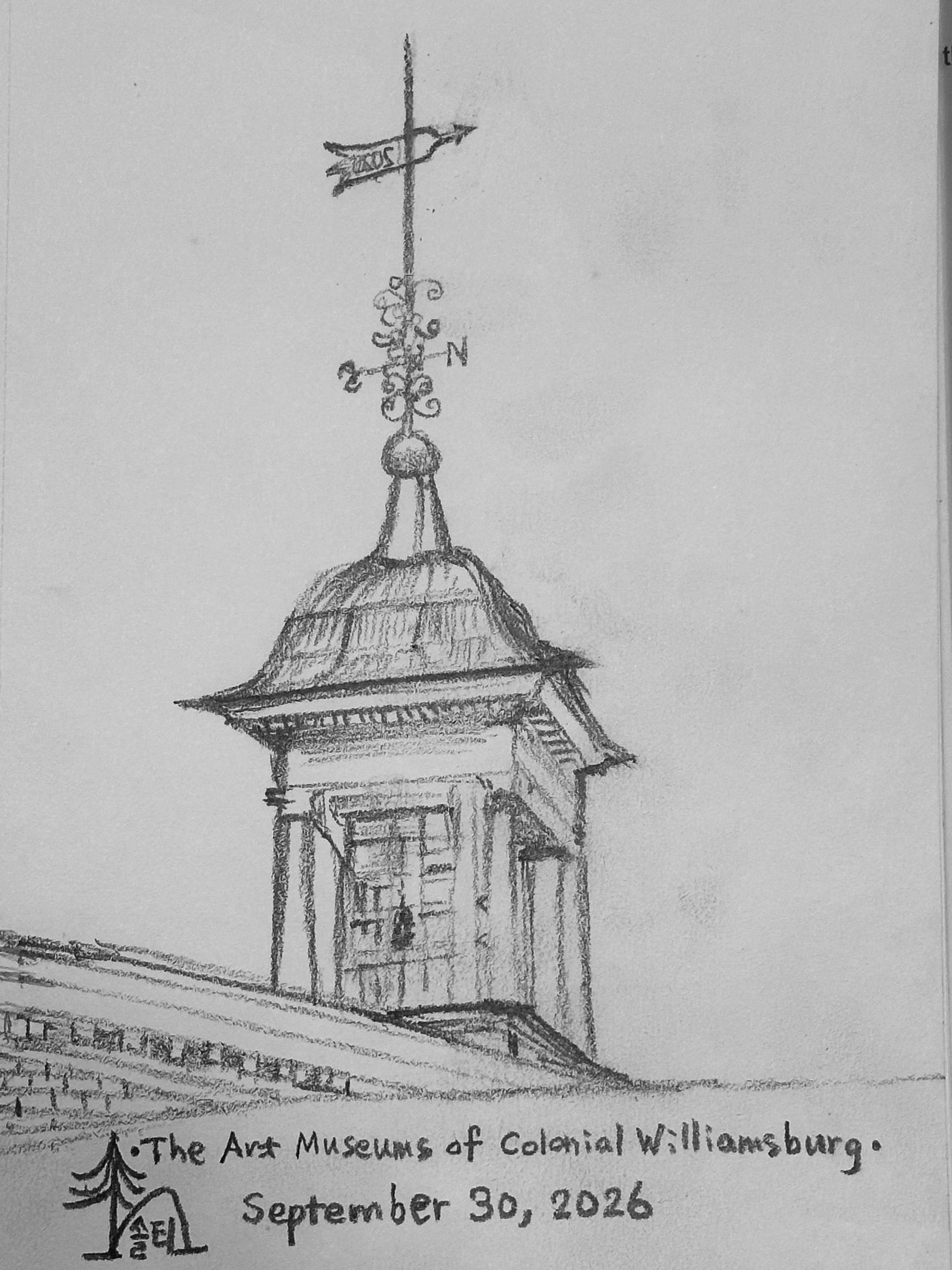
Discovering the Art Museums of Colonial Williamsburg
Art, Memory, and the Human Imagination
Abstract
The Art Museums of Colonial Williamsburg offer more than a collection of beautiful objects. They provide a distinctive way of entering history through art, material culture, memory, and human imagination. Located within the historic setting of Colonial Williamsburg, the museums bring together fine art, decorative art, folk art, portraits, furniture, household objects, and other artifacts that illuminate the lives and experiences of people in early America. Rather than treating these objects simply as illustrations of the past, the museum encourages visitors to consider them as material evidence of human choices, relationships, aspirations, labor, social identities, cultural exchange, and memory. As Alberti (2005) observes, museum objects acquire meanings through the relationships among objects, people, institutions, and histories. In this sense, an object displayed in a museum is not merely an old thing; it can become a material witness to a particular human world.
The museums are especially significant because they bring together different forms of artistic expression and social experience. The DeWitt Wallace Decorative Arts Museum reveals how furniture, silver, ceramics, textiles, paintings, and other objects reflected changing patterns of craftsmanship, commerce, taste, and social life. The Abby Aldrich Rockefeller Folk Art Museum expands this perspective by demonstrating that artistic creativity was not limited to formally trained artists. Folk art preserves the imagination and experiences of ordinary people whose visual expressions often emerged from everyday life. Together, the museums invite visitors to reconsider the boundaries between “fine art,” “folk art,” and ordinary material culture.
This experience also has particular significance in the age of generative artificial intelligence. AI systems can now produce images, imitate artistic styles, and generate visually compelling objects within seconds. Yet museums remind us that the meaning of an artwork does not exist solely in its visual appearance. Meaning also emerges from the human circumstances in which an object was created, used, preserved, remembered, and interpreted. A handcrafted chair, portrait, quilt, or household object can therefore communicate something that an algorithmically generated image cannot independently possess: a trace of human experience embedded in time and material.
Visiting the Art Museums of Colonial Williamsburg consequently becomes an opportunity not only to study American art history but also to reflect on what it means to create, remember, and remain human. The museums demonstrate that history is not simply a collection of dates and events. It is also preserved in objects, images, materials, gestures, and stories. In an era when AI increasingly participates in the production of cultural artifacts, these collections encourage us to ask a fundamental question: What are we creating today, and what will our creations tell future generations about who we were?
Keywords: Colonial Williamsburg; Art Museums of Colonial Williamsburg; American art; folk art; decorative arts; material culture; memory; human imagination; museums; generative AI
Walking into History — Williamsburg and Living History
There are places where history is something we read, places where history is something we see, and a few rare places where history seems to breathe around us. Williamsburg, Virginia, belongs to the last category. Walking along its brick paths, passing eighteenth-century buildings, gardens, workshops, and quiet streets, one gradually becomes aware that the past is not necessarily a distant country. It can be reconstructed, interpreted, questioned, and experienced through the objects that people left behind. At the center of this experience are the Art Museums of Colonial Williamsburg, where paintings, furniture, ceramics, textiles, silver, glass, sculpture, and folk art transform the history of early America into something intimate and tangible.
The Art Museums are particularly compelling because they do not ask visitors to think of art as something separated from ordinary life. Their collections bring together fine art and decorative art, professional and folk traditions, objects of beauty and objects of practical use. The Colonial Williamsburg Foundation describes its collections as containing more than 70,000 examples of fine, decorative, mechanical, and folk art, ranging from American and British objects of the seventeenth through nineteenth centuries to American folk art extending into the present (Colonial Williamsburg Foundation, 2026a). Many of these objects are displayed in the museums, while others furnish historic buildings and help visitors understand how people lived in early Virginia.
This approach immediately changes the way one looks at a museum object. A chair is no longer simply a chair. A silver vessel is no longer merely an attractive piece of craftsmanship. A portrait is not merely an image of a person who lived long ago. Each object becomes a fragment of a human story. It carries traces of labor, family, social status, trade, aspiration, cultural exchange, and memory. The museum therefore becomes more than a place for aesthetic appreciation. It becomes a place where material culture and human experience meet.
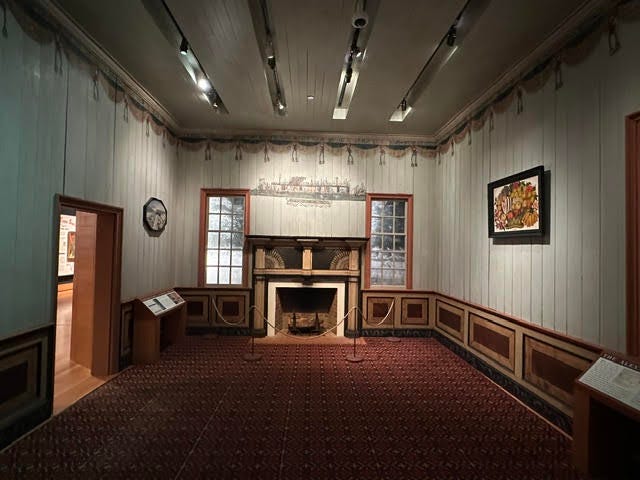
The experience begins even before one enters a particular gallery. Williamsburg itself functions as a kind of prelude to the museums. Its reconstructed and preserved environment encourages visitors to think spatially about history. One does not encounter the past only through dates and names but through scale, texture, distance, architecture, and movement. A narrow street can suggest how people traveled; a doorway can suggest how domestic and public life intersected; a garden can reveal ideas about food, beauty, labor, and status. Within this historical landscape, the museums provide another layer of interpretation. They bring the objects that once occupied such spaces into a setting where their individual stories can be studied more closely.
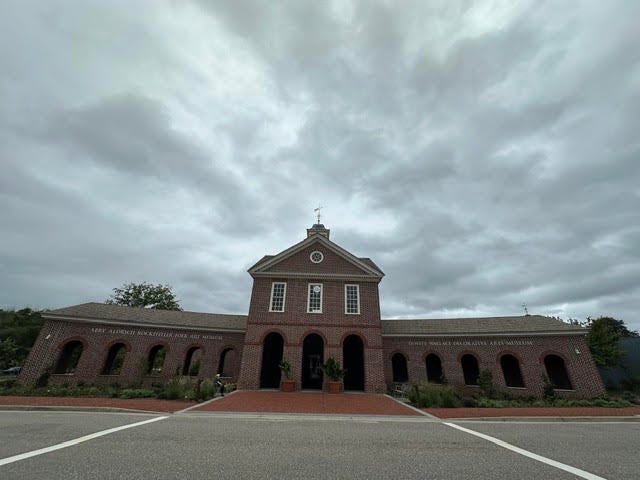
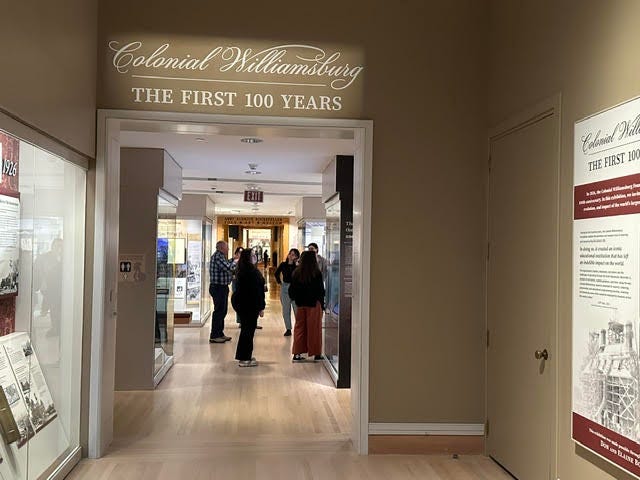
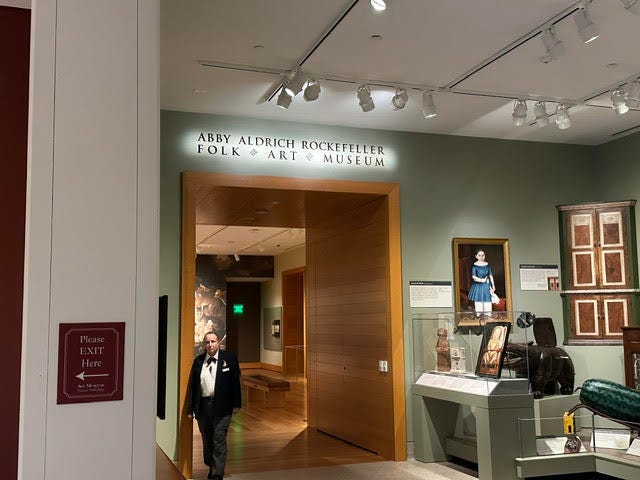
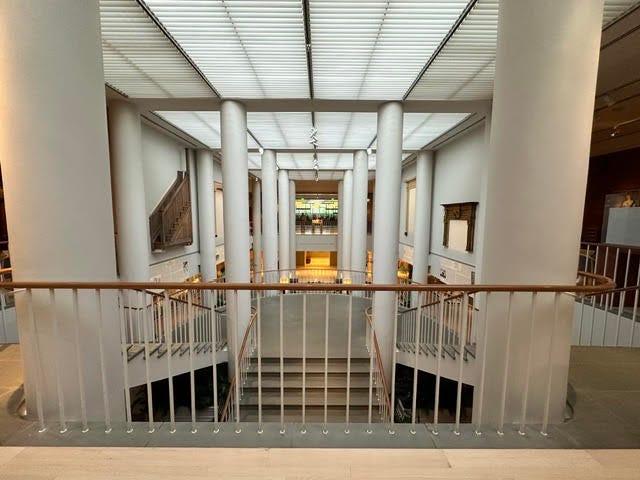
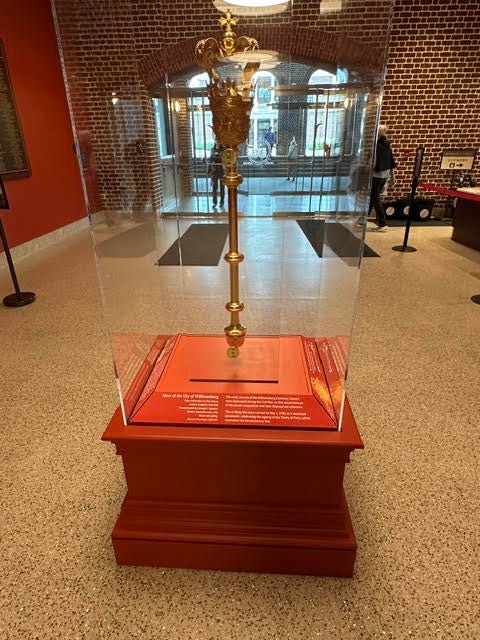
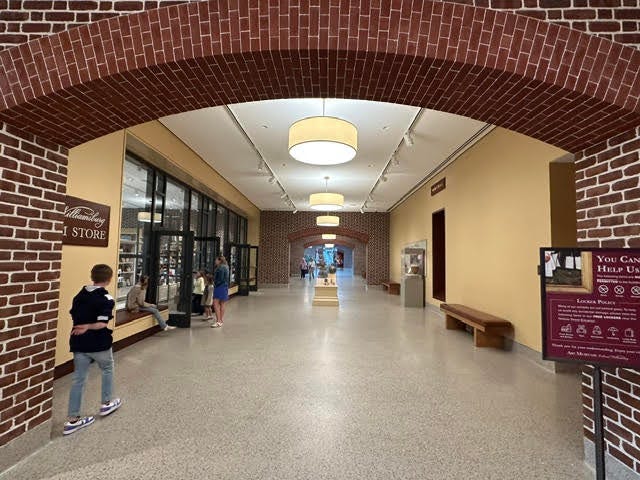
The Art Museums consist of two major collections under one roof: the DeWitt Wallace Decorative Arts Museum and the Abby Aldrich Rockefeller Folk Art Museum. Colonial Williamsburg describes these as two major museum collections whose galleries encompass furniture, paintings, silver, ceramics, sculpture, textiles, and many other forms of material expression (Colonial Williamsburg Foundation, 2026a). An introductory gallery serves as a portal to both collections, emphasizing the complementary relationship between them.
The pairing is significant. Decorative arts and folk art are sometimes treated as secondary categories when compared with canonical painting or sculpture. Yet this distinction becomes difficult to sustain when we consider how people actually lived. Most human beings throughout history did not spend their days standing before paintings in galleries. They sat on chairs, ate from plates, drank from cups, wore clothing, used tools, decorated their homes, exchanged gifts, and created objects for religious, domestic, and communal purposes. The material world was not an accessory to their lives. It was the environment through which their lives were experienced.
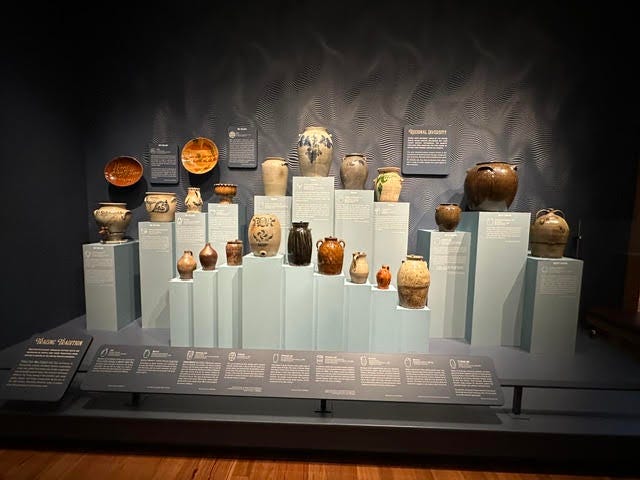
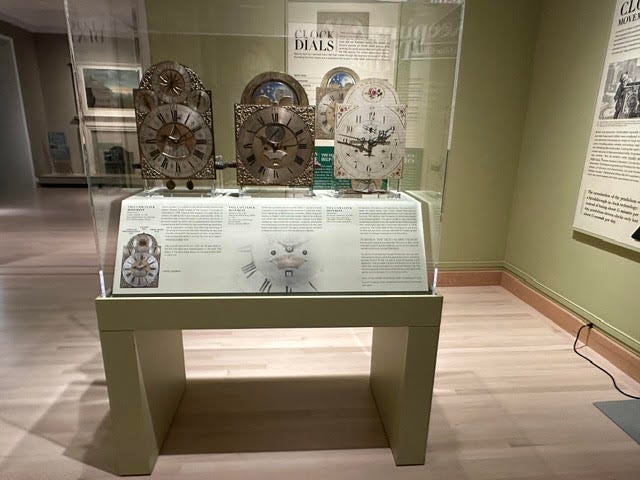
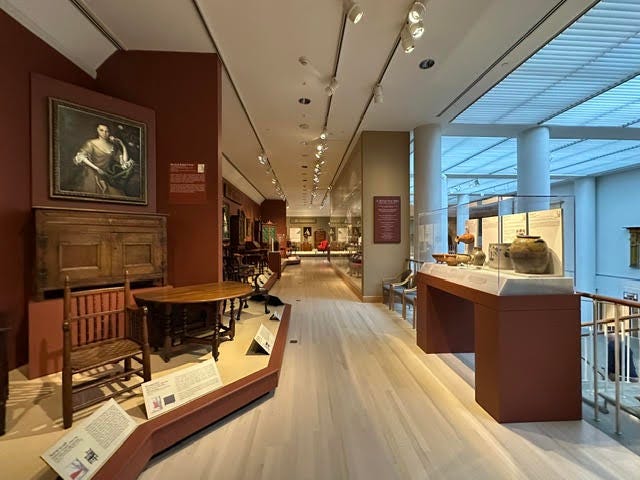
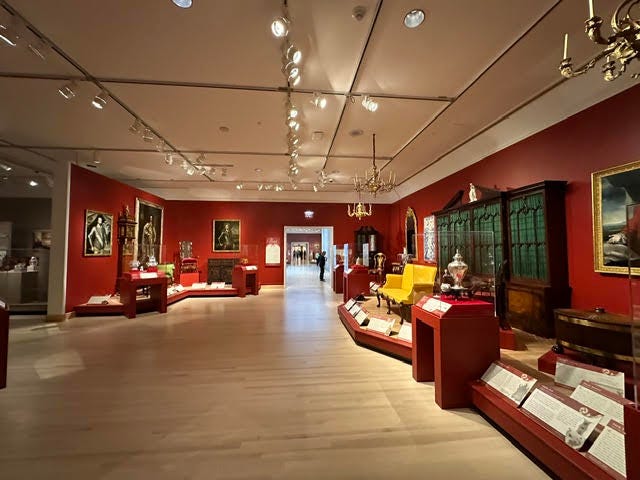
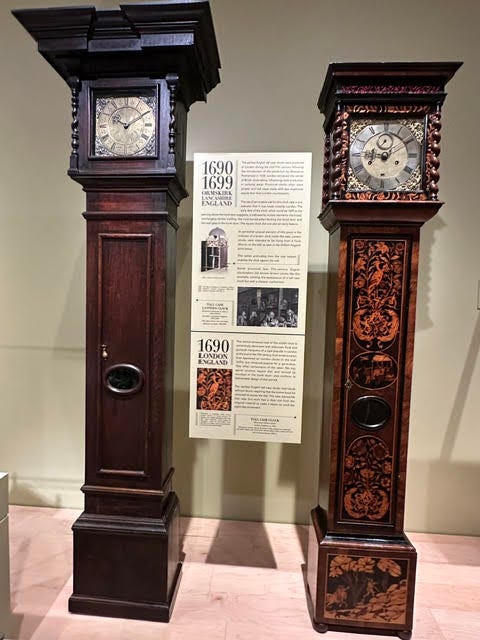
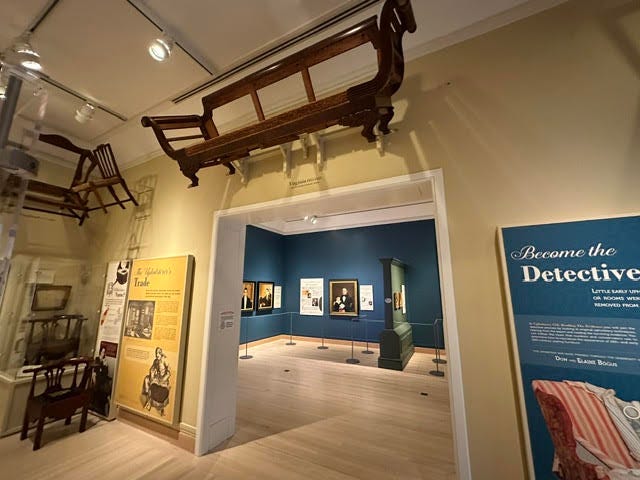
The DeWitt Wallace Decorative Arts Museum makes this point particularly visible. Its collections include furniture, ceramics, glass, silver, textiles, and many other objects associated with British and American life. Some objects were made locally; others arrived through international trade. Together, they reveal a society connected to a much larger Atlantic world. An imported ceramic object, for example, can tell a story about commerce as well as taste. A piece of furniture can reveal technological skill, access to materials, and social aspirations. A finely made object may tell us not only what someone liked but also what that person could afford.
The decorative arts therefore offer a different kind of historical evidence. Written documents often preserve the voices of people who possessed education, political authority, property, or institutional power. Objects can provide evidence about a wider range of human experiences. They can tell us how people arranged their homes, what they valued, what they needed, and what they chose to preserve. The historian therefore does not have to ask only, “What did people say?” The museum encourages another question: “What did people make, use, and live with?”
This question becomes even more interesting when we consider the relationship between Britain and early America. Colonial American society did not emerge in cultural isolation. It was shaped by migration, trade, religion, politics, technology, and continuing connections to Europe. At the same time, people living in North America gradually developed local practices and identities. The objects displayed in Williamsburg can therefore be read as evidence of both continuity and transformation. They show a society borrowing from established traditions while adapting those traditions to a new environment.
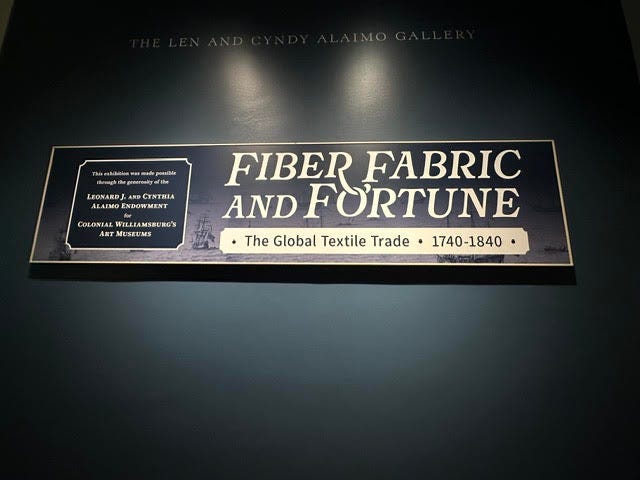
One exhibition, A Rich and Varied Culture: The Material World of the Early South, makes this cultural complexity especially visible. The exhibition examines objects created or imported into the Chesapeake, Carolina Lowcountry, and Backcountry between approximately 1670 and 1840. Its hundreds of examples include furniture, paintings, ceramics and glass, silver, jewelry, iron, clothing, architectural elements, and archaeological materials. Colonial Williamsburg presents these objects as evidence of the diverse cultural and ethnic traditions that contributed to the formation of an early southern material culture (Colonial Williamsburg Foundation, 2026b).
Such an exhibition complicates any simple picture of “colonial America.” The early South was not culturally uniform. Different populations brought different traditions, skills, beliefs, and aesthetic practices into contact with one another. Objects can reveal those encounters in ways that broad historical categories sometimes conceal. A museum object may be the result of several cultural worlds meeting: a material obtained through international trade, a design adapted locally, a technique learned across generations, or a decorative pattern transformed by a new community.
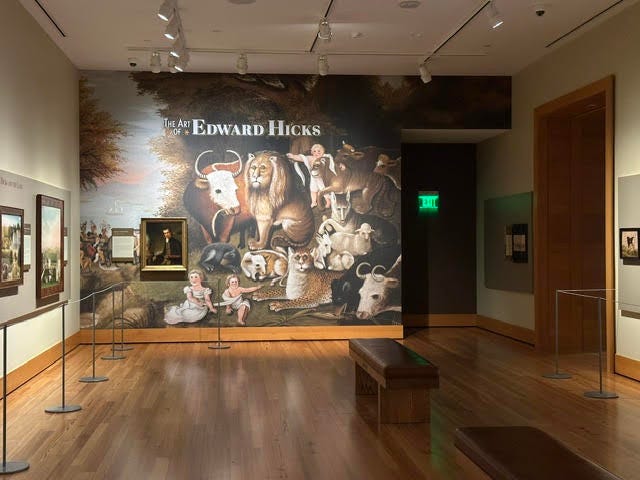
The Abby Aldrich Rockefeller Folk Art Museum takes this investigation in another direction. Its subject is especially important because folk art invites us to reconsider who gets to be called an artist. The Smithsonian’s Archives of American Art notes that the definition of American folk art has never been easy to fix and that the category has changed significantly over time. Earlier twentieth-century understandings often emphasized artists without academic training, while later approaches broadened the field considerably (Smithsonian Institution, n.d.).
This history of definition is itself revealing. What one generation calls “art” another may call “craft,” “decoration,” “tradition,” or simply “something someone made.” Museums do not merely preserve objects; they also participate in deciding how those objects will be understood. To place an ordinary household object in a museum is to tell visitors that the object deserves attention. It says that the creativity embodied in that object is part of a larger human story.
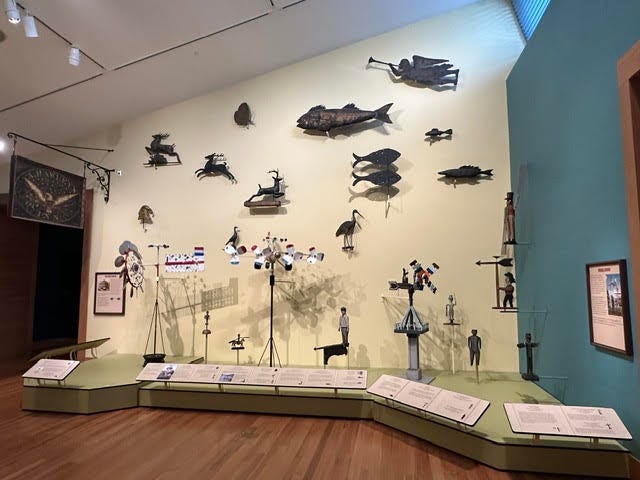
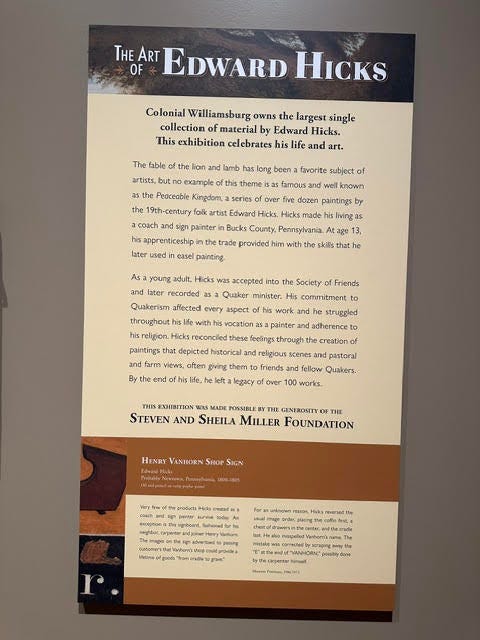
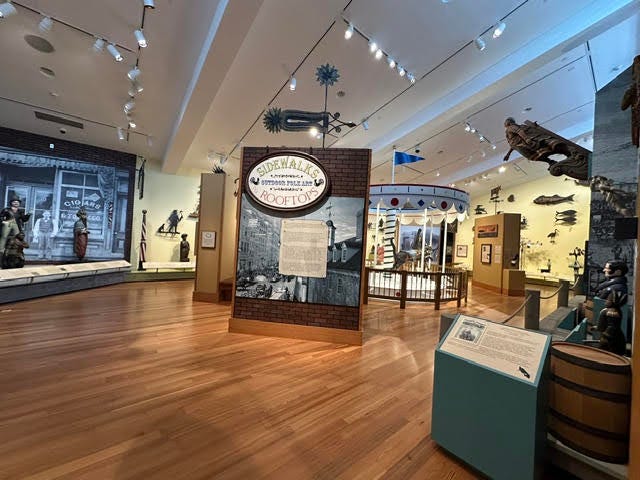
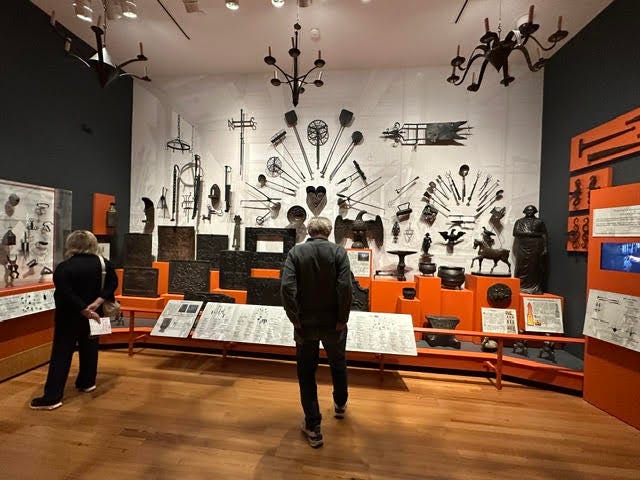
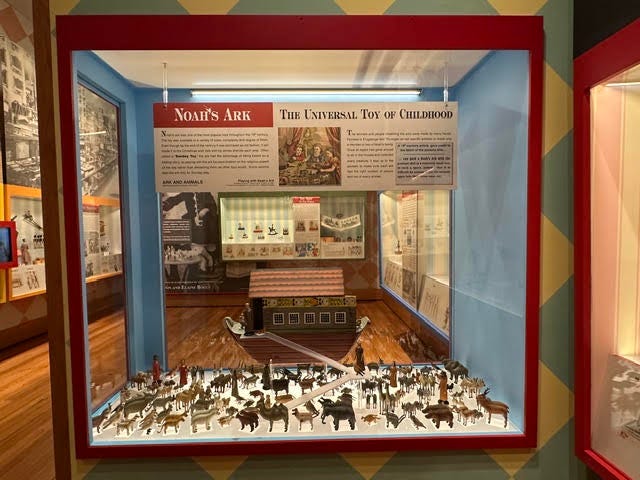
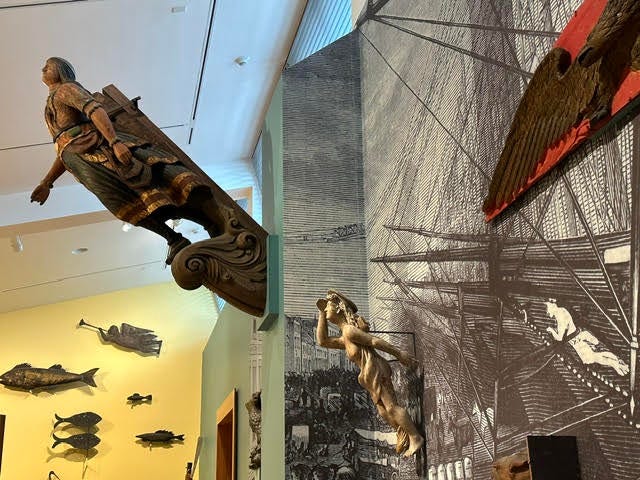
The history of the Abby Aldrich Rockefeller Folk Art Museum illustrates this process of recognition. Colonial Williamsburg notes that Abby Aldrich Rockefeller began collecting folk art in the 1920s and eventually gave a collection of more than 400 objects to Colonial Williamsburg. Over subsequent decades, the collection grew to more than 4,000 objects dating from the eighteenth century to the present (Colonial Williamsburg Foundation, 2026c). The museum’s folk-art galleries include portraits, quilts, sculpture, musical instruments, toys, and weathervanes.
There is something profoundly democratic about this expansion of attention. A famous artist’s masterpiece may tell us much about artistic ambition, patronage, and cultural prestige. But an anonymous or little-known maker may tell us something different: how creativity operates when it is embedded in ordinary life. A person does not necessarily need to think of himself or herself as an “artist” in order to create something imaginative, meaningful, or beautiful.
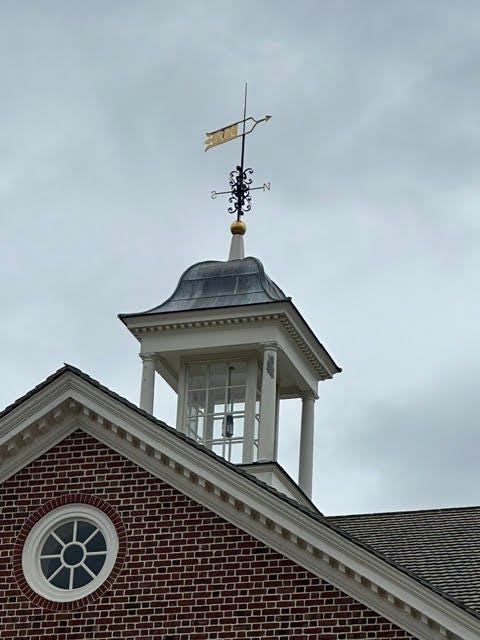
A quilt, for instance, can be both practical and expressive. A toy can reveal how adults imagined childhood. A weather vane can combine utility, craftsmanship, humor, and local identity. A family portrait can preserve a relationship across generations. Such objects resist the assumption that art begins only when usefulness ends. They suggest instead that beauty and function have always been intertwined.
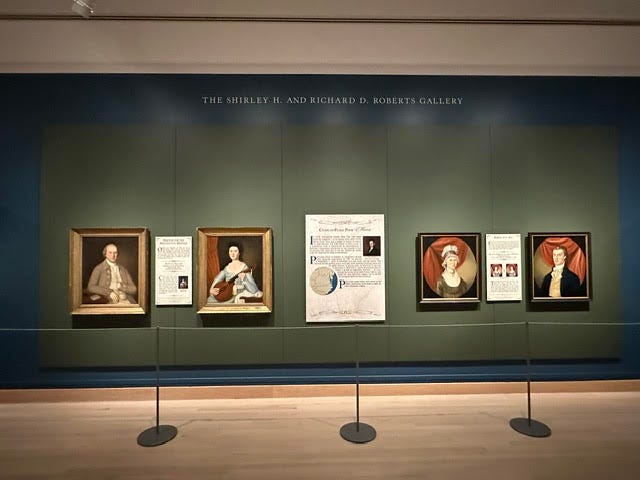
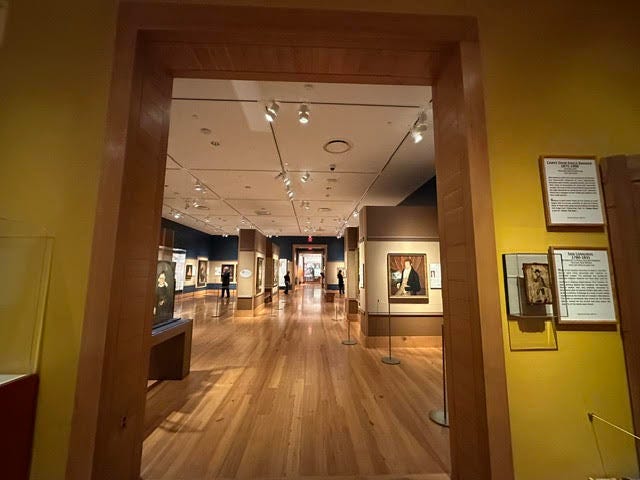
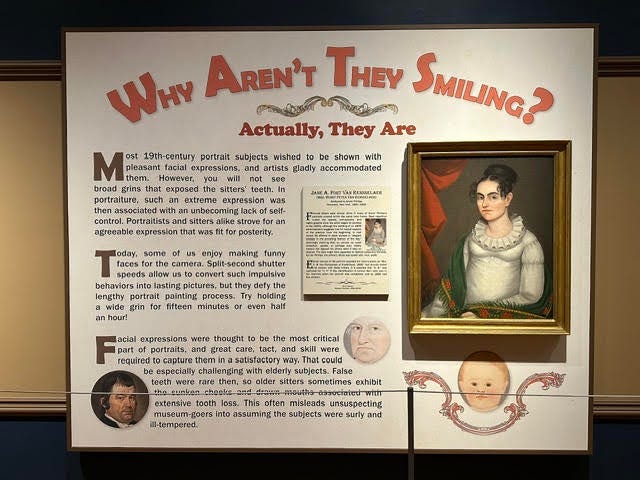
Portraiture offers another doorway into this world of memory. When we stand before an old portrait, we are confronted by a face that once belonged to a living human being. The person may have been wealthy or poor, famous or obscure, powerful or powerless. Yet the portrait creates an unusual form of temporal intimacy. Someone who lived centuries ago looks back at us.
The National Gallery of Art explains that portraiture has long served as an important record of American people and that portraits could communicate not only physical appearance but also qualities, accomplishments, social roles, and aspirations. Early portraiture was largely accessible to people who could afford it, while the growth of the economy eventually supported a broader market, including self-trained portraitists who served families interested in preserving their likenesses and lineage (National Gallery of Art, n.d.).
This helps explain why a portrait should not be viewed simply as an old photograph. A portrait is a negotiation between appearance and identity. Clothing, posture, setting, objects, facial expression, and scale all participate in the construction of a public or private self. The sitter is not simply being recorded; the sitter is presenting a version of himself or herself for the future.
That idea is remarkably contemporary. We now live in a world saturated with self-representation. Smartphones allow us to create thousands of photographs. Social media allows us to curate identities for audiences we may never meet. Generative AI can produce portraits that have never belonged to real people at all. Yet the fundamental human desire remains familiar: How do I want to be remembered?
The museum therefore becomes unexpectedly relevant to the digital age. The portrait painter of the eighteenth century and the social-media user of the twenty-first century inhabit radically different technological environments, but both participate in the human practice of constructing memory. The tools have changed. The underlying question has not. This is where the museums’ collections begin to speak to the age of artificial intelligence.
Generative AI has dramatically expanded the speed and scale at which images can be produced. A person with little formal artistic training can now describe an imagined scene and receive an image within seconds. AI systems can imitate historical styles, combine visual traditions, restore damaged images, generate architectural environments, and create entirely fictional people. In one sense, humanity has entered an extraordinary new age of visual abundance. But abundance creates a new problem: If images become nearly unlimited, what makes an image meaningful?
The Art Museums of Colonial Williamsburg suggest one possible answer. Meaning does not come only from visual complexity. It comes from relationship: the relationship between an object and its maker, between an object and its user, between an object and its historical circumstances, and between an object and the people who encounter it later. A machine can generate an aesthetically impressive image, but the human significance of an image depends on context, intention, experience, and interpretation.
This does not mean that AI-generated art lacks value. Rather, it means that technical production and human meaning should not be confused. The history represented in Williamsburg reminds us that objects become culturally significant through networks of human relationships. A simple object can become extraordinary because of the life it has touched.
The historian Samuel J. M. M. Alberti has similarly argued that museum objects acquire meanings through the people and contexts they encounter as they move from manufacture and exchange into collecting and display. His analysis emphasizes that the “biography” of an object can illuminate broader social and cultural histories as well as the experience of museum visitors (Alberti, 2005).
This idea of the “biography of an object” is particularly useful in thinking about the Art Museums of Colonial Williamsburg. Imagine a ceramic vessel created generations ago. First, someone designed it. Someone else shaped and fired it. It may have been sold, transported, and purchased. It entered a household and became part of someone’s daily routine. Perhaps it was passed to another generation. Eventually it entered a collection and became a museum object. Its physical form may have remained relatively stable, but its meaning changed repeatedly.
The same could be said of a chair. Originally, it was designed for sitting. Later, it became an antique. Eventually, it became an object of scholarly research and museum interpretation. For today’s visitor, it may become a prompt for imagining the person who once sat upon it. The chair has acquired layers of meaning without changing its basic physical identity.
This is why museums matter in an age of digital information. Digital systems are exceptionally good at producing, copying, retrieving, and recombining information. Museums remind us that information is not the same as experience. To know that an object existed is different from standing before it. To read a description of an eighteenth-century chair is different from noticing the marks of its construction. To see a digital image of a portrait is different from encountering the physical scale, surface, frame, and presence of the original.
The distinction is increasingly important as artificial intelligence becomes capable of generating convincing representations of almost anything. When visual simulation becomes effortless, physical authenticity may acquire a renewed significance. The original object carries a history of contact. It was made by particular hands, existed in a particular world, and survived through time. Its material continuity is itself evidence.
Yet authenticity should not be romanticized as though every old object speaks for itself. Museums interpret. Curators select. Exhibitions organize. Labels provide narratives. Collections reflect histories of collecting, preservation, donation, institutional priorities, and changing scholarly understanding. The museum visitor is therefore not simply receiving the past but participating in an ongoing conversation about how the past should be understood.
This is one reason Colonial Williamsburg’s continuing research is important. The Foundation describes its work as involving historians, primary documents, maps, oral histories, census records, and scientific conservation, with researchers investigating not merely what happened but how and why (Colonial Williamsburg Foundation, 2026d). The museum is consequently not a frozen container of historical facts. It is a place where knowledge continues to be produced.
That characteristic makes the museum particularly valuable for education. A student can learn history by reading a textbook, but the museum introduces another form of inquiry. What can an object tell us? What can it not tell us? Who made it? Who used it? Who preserved it? What assumptions do we bring when we look at it? What voices are missing?
These questions cultivate a form of critical thinking that is increasingly important in the AI era. When an AI system generates an answer, students must learn to ask where the information came from, what evidence supports it, and what may be missing. When a museum presents an object, visitors should similarly learn to distinguish between the object itself and the interpretation surrounding it. Both experiences teach a deeper intellectual habit: look carefully, question responsibly, and interpret cautiously.
There is also a moral dimension to this practice. The history of early America includes extraordinary creativity and achievement, but it also includes colonialism, slavery, displacement, inequality, conflict, and exclusion. Objects of beauty do not erase these realities. Indeed, they can sometimes make them more visible. A luxurious object may raise questions about who had the resources to own it and whose labor made its production possible. A portrait may reveal social status while also reminding us whose faces were historically less likely to be preserved in portraiture.
A mature encounter with history therefore requires both appreciation and questioning. The purpose of a museum should not be to make the past comfortable. It should help us understand the complexity of human experience. Beauty and injustice can exist within the same historical world. Craftsmanship and inequality can coexist. Cultural creativity can flourish under circumstances that are morally complicated.
This complexity is particularly important when considering the American founding era. Williamsburg is associated with the political and intellectual development of the United States, but political ideals were never experienced equally by everyone. The objects in its museums can help visitors move beyond abstract political language and toward the material realities of everyday life. Who possessed property? Who worked in households? Who had access to education? Who could commission a portrait? Who created objects but remained unnamed? The museum cannot answer every question, but it can encourage us to ask better ones.
Perhaps that is the most important reason to walk slowly through the Art Museums of Colonial Williamsburg. A hurried visitor may see hundreds of objects. A reflective visitor may encounter several human beings. One object may become the story of a maker. Another may become the story of a family. A portrait may become a conversation across centuries. A piece of furniture may become evidence of global trade. A folk-art object may challenge our definition of who counts as an artist.
The museum therefore changes our relationship with time. Usually, we imagine time as something that moves in one direction: past, present, future. But museums create a more complicated experience. The past enters the present through objects, and the present gives those objects new meanings. We look backward, but our questions come from the world we inhabit today.
This is especially evident when we consider artificial intelligence. We are building systems that may eventually become part of the historical record themselves. Future generations may look back at today’s AI-generated images, digital archives, robotic systems, software agents, and virtual environments in much the same way we now look at eighteenth-century objects. They may ask what these technologies reveal about our values, fears, hopes, and assumptions.
What will our age leave behind? Perhaps it will not be the most technically sophisticated systems that tell future generations the most about us. It may be the ordinary things: a photograph, a child’s drawing, a handwritten note, a family video, a classroom project, a personal website, or an object designed to solve an everyday problem. The historical significance of an object cannot always be predicted at the moment of its creation.
This thought brings us back to the folk artists represented in Colonial Williamsburg. Many of them were not necessarily attempting to make history. They were making something meaningful for their own lives. Yet their creations survived, entered collections, and became evidence of a culture. Their work reminds us that we do not always know what future generations will value.
The same may be true of our own creative lives. In an age when AI can produce polished text and sophisticated images instantly, the temptation is to measure creativity by novelty or technical perfection. The museums suggest another standard: human significance. An imperfect object made with care may ultimately tell us more about a person than a technically flawless image produced without a meaningful relationship to human experience.
This does not diminish technology. On the contrary, it places technology within a larger human story. The printing press did not eliminate writing. Photography did not eliminate painting. Digital photography did not eliminate physical photographs. Generative AI will not necessarily eliminate human creativity. Each technological transformation changes the conditions under which people create, remember, and communicate. The challenge is to ensure that technology expands human imagination rather than replacing the human questions that give imagination meaning.
Leaving the Art Museums of Colonial Williamsburg, one may return to the historic streets with a different understanding of the buildings and objects around them. The past no longer appears merely as scenery. It becomes a collection of human decisions: what to make, what to preserve, what to value, what to remember, and what to forget.
A museum, then, is not simply a building that stores old things. It is an institution of memory. It connects material objects with human stories and allows the present to ask questions of the past. The Art Museums of Colonial Williamsburg perform this function particularly well because they place fine art, decorative art, folk art, and everyday material culture into a common conversation.
Their deepest lesson may be surprisingly simple. Human beings have always created. We create because we need things, because we want beauty, because we wish to express ourselves, because we want to remember, and because we hope someone will remember us. The tools change from century to century, but the impulse remains.
Today, artificial intelligence gives humanity extraordinary new tools for creating images, words, music, and ideas. But the existence of powerful tools makes the question of purpose more important, not less. We should not ask only what AI can create. We should ask what human beings should choose to create, why those creations matter, and what values they will carry into the future.
The Art Museums of Colonial Williamsburg quietly pose these questions without ever needing to state them directly. An old chair, a ceramic vessel, a quilt, a portrait, or a child’s toy can become a bridge between centuries. Looking at it, we discover that history is not only about people who are gone. It is also about ourselves—the people who have inherited their objects, interpreted their lives, and are now creating the material record that future generations will inherit.
Perhaps, therefore, the most meaningful question to carry out of the museum is not simply, “What did people create in the past?” It is this: What are we creating today, and what will our creations tell the future about who we were?
Walking back through Williamsburg, the brick paths seem familiar, yet somehow changed. The past has become less distant. It has become a mirror. In the paintings, furniture, ceramics, textiles, and folk-art objects of Colonial Williamsburg, we encounter people who lived before us, but we also encounter the enduring human desire to create meaning from life.
Technology may change the speed of creation. Artificial intelligence may transform the tools of imagination. But memory still requires human attention, and meaning still requires human interpretation. That may be the enduring wisdom of the Art Museums of Colonial Williamsburg: what we make becomes part of what we remember, and what we remember becomes part of who we are. +++
References
Alberti, S. J. M. M. (2005). Objects and the museum. Isis, 96(4), 559–571. https://doi.org/10.1086/498593
Colonial Williamsburg Foundation. (2026a). Art Museums of Colonial Williamsburg: Exhibitions. https://www.colonialwilliamsburg.org/discover/historic-area/art-museums-of-colonial-williamsburg/exhibitions/
Colonial Williamsburg Foundation. (2026b). A rich and varied culture: The material world of the early South. https://www.colonialwilliamsburg.org/discover/historic-area/art-museums-of-colonial-williamsburg/exhibitions/a-rich-and-varied-culture-the-material-world-of-the-early-south/
Colonial Williamsburg Foundation. (2026c). America’s folk art. https://www.colonialwilliamsburg.org/discover/historic-area/art-museums-of-colonial-williamsburg/exhibitions/americas-folk-art/
Colonial Williamsburg Foundation. (2026d). History of Colonial Williamsburg. https://www.colonialwilliamsburg.org/about/history-of-colonial-williamsburg/
National Gallery of Art. (n.d.). Faces of America: Portraits. https://www.nga.gov/educational-resources/uncovering-america/faces-america-portraits
Smithsonian Institution. (n.d.). American traditions: A taste for folk art. Archives of American Art. https://www.si.edu/spotlight/folk-art
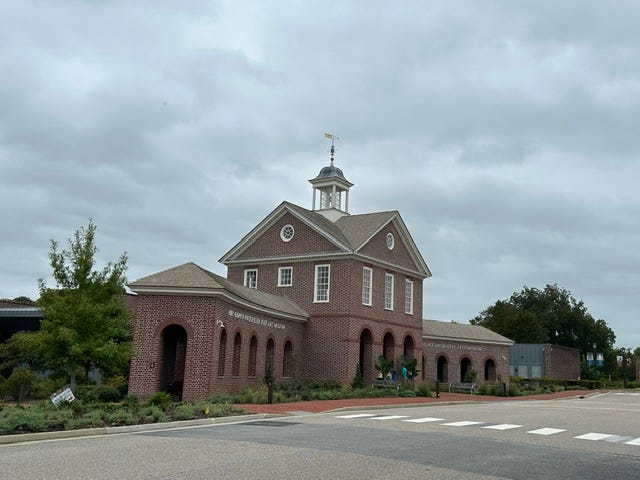
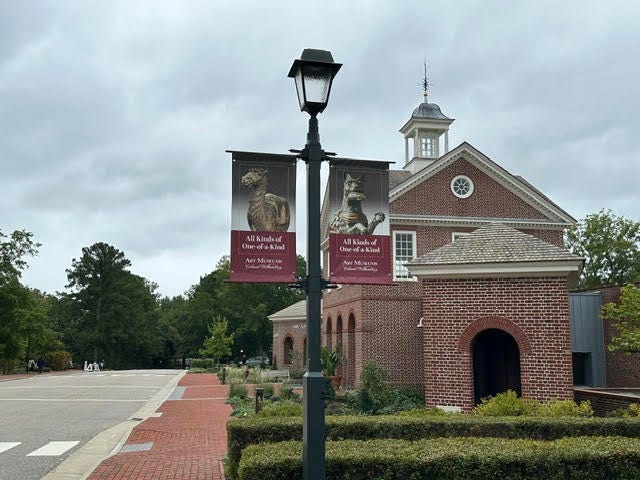
Art Museums of Colonial Williamsburg를 찾아서
예술과 기억, 그리고 인간의 상상력
초록
콜로니얼 윌리엄스버그 미술관은 단순히 아름다운 작품을 모아 놓은 공간 이상의 의미를 지닌다. 이곳은 예술, 물질문화, 기억, 그리고 인간의 상상력을 통해 역사 속으로 들어가는 독특한 경험을 제공한다. 콜로니얼 윌리엄스버그의 역사적 공간에 자리한 이 미술관들은 회화, 장식미술, 민속미술, 초상화, 가구, 생활용품과 다양한 유물을 함께 보여 주면서 초기 미국 사회에서 살아간 사람들의 삶과 경험을 조명한다. 이러한 유물들을 단순히 과거를 설명하기 위한 시각적 자료로만 취급하지 않고, 인간의 선택, 관계, 열망, 노동, 사회적 정체성, 문화적 교류와 기억을 보여 주는 물질적 증거로 바라보도록 한다. Alberti(2005)가 지적하듯이, 박물관의 유물은 사물 자체만으로 의미를 갖는 것이 아니라 사물과 사람, 제도와 역사 사이의 관계 속에서 의미를 획득한다. 이러한 의미에서 박물관에 전시된 유물은 단순히 오래된 물건이 아니라 특정한 인간 세계를 증언하는 물질적 증인이 될 수 있다.
이 미술관들이 특히 중요한 이유는 서로 다른 형태의 예술적 표현과 사회적 경험을 한 공간에서 보여 주기 때문이다. 드위트 월리스 장식미술관(DeWitt Wallace Decorative Arts Museum)은 가구, 은제품, 도자기, 직물, 회화 및 다양한 생활 유물을 통해 장인정신, 상업, 취향과 사회생활의 변화가 어떻게 물질문화에 반영되었는지를 보여 준다. 애비 올드리치 록펠러 민속미술관(Abby Aldrich Rockefeller Folk Art Museum)은 이러한 시각을 더욱 확장하여, 예술적 창의성이 반드시 전문적인 교육을 받은 예술가들에게만 한정된 것이 아니었음을 보여 준다. 민속미술은 일상생활 속에서 형성된 평범한 사람들의 상상력과 경험을 보존한다. 두 미술관은 함께 관람객으로 하여금 ‘순수미술’, ‘민속미술’, 그리고 일상적인 물질문화 사이의 경계를 다시 생각하게 한다.
이러한 경험은 생성형 인공지능의 시대에 더욱 특별한 의미를 갖는다. 오늘날 AI 시스템은 이미지를 만들어 내고 예술적 스타일을 모방하며 시각적으로 매력적인 결과물을 몇 초 만에 생성할 수 있다. 그러나 박물관은 예술작품의 의미가 단순히 그것이 어떻게 보이는가에만 존재하지 않는다는 사실을 일깨워 준다. 의미는 또한 하나의 유물이 어떤 인간적 상황 속에서 만들어지고, 사용되고, 보존되고, 기억되고, 해석되었는가를 통해 형성된다. 따라서 손으로 만든 의자, 초상화, 퀼트 또는 생활용품은 알고리즘이 생성한 이미지가 스스로 가질 수 없는 무엇인가를 전달할 수 있다. 그것은 시간과 물질 속에 새겨진 인간 경험의 흔적이다.
따라서 콜로니얼 윌리엄스버그 미술관을 방문하는 것은 미국 미술사를 공부하는 것을 넘어, 무엇을 창조한다는 것이 무엇이며 무엇을 기억한다는 것이 무엇인지, 그리고 인간으로 살아간다는 것이 무엇인지를 성찰하는 기회가 된다. 이 미술관들은 역사가 단순히 날짜와 사건의 집합이 아니라는 사실을 보여 준다. 역사는 또한 사물, 이미지, 재료, 행위와 이야기 속에 보존된다. AI가 문화적 산물을 생산하는 과정에 점점 더 깊이 참여하는 시대에, 이 미술관의 소장품들은 우리에게 근본적인 질문을 던진다. 오늘날 우리는 무엇을 만들고 있으며, 미래 세대는 우리의 창조물을 통해 우리가 어떤 존재였다고 이해하게 될 것인가?
주제어: 콜로니얼 윌리엄스버그 미술관; 미국 미술; 민속미술; 장식미술; 물질문화; 창의성; 기억; 해석; 보존; 인간의 상상력; 박물관; 생성형 인공지능
역사 속으로 걸어 들어가다 — 윌리엄스버그와 살아 있는 역사
역사를 읽는 장소가 있고, 역사를 보는 장소가 있으며, 드물게는 역사가 실제로 숨 쉬고 있는 듯한 장소가 있다. 버지니아의 윌리엄스버그는 바로 그런 곳이다. 벽돌길을 따라 걷고, 18세기의 건물과 정원, 작업장과 조용한 거리를 지나가다 보면 과거는 반드시 멀리 떨어진 어느 나라가 아니라는 사실을 깨닫게 된다. 과거는 사람들이 남겨 놓은 물건을 통해 재현되고, 해석되고, 질문받으며, 직접 경험될 수 있다. 그 경험의 중심에 콜로니얼 윌리엄스버그 미술관(Art Museums of Colonial Williamsburg)이 있다. 이곳에서 회화, 가구, 도자기, 직물, 은제품, 유리, 조각, 민속미술은 초기 미국의 역사를 친밀하고 손에 잡히는 인간의 이야기로 바꾸어 놓는다.
이 미술관이 특히 매력적인 이유는 예술을 일상생활과 분리된 것으로 생각하도록 요구하지 않는다는 데 있다. 이곳의 소장품은 순수미술과 장식미술, 전문 예술가의 작품과 민속미술, 아름다움을 위한 물건과 실용적인 물건을 함께 보여준다. 콜로니얼 윌리엄스버그 재단에 따르면 이곳의 소장품은 미국과 영국의 17~19세기 작품에서부터 현대에 이르는 미국 민속미술에 이르기까지 순수미술, 장식미술, 기계 관련 유물, 민속미술 등 7만 점이 넘는 자료로 구성되어 있다(Colonial Williamsburg Foundation, 2026a). 이 가운데 일부는 미술관에서 전시되고, 또 다른 일부는 역사적인 건물 내부를 꾸미는 데 사용되어 초기 버지니아 사람들이 실제로 어떻게 살았는지를 이해하도록 돕는다.
이러한 관점은 우리가 미술관의 물건을 바라보는 방식 자체를 바꾸어 놓는다. 의자는 더 이상 단순한 의자가 아니다. 은으로 만든 그릇은 단순히 아름다운 공예품이 아니다. 초상화 역시 오래전에 살았던 한 사람의 얼굴을 그린 그림에 그치지 않는다. 각각의 물건은 인간의 이야기 한 조각이 된다. 그 안에는 노동, 가족, 사회적 지위, 무역, 열망, 문화적 교류, 기억의 흔적이 남아 있다. 따라서 미술관은 단순히 미적 감상을 위한 장소가 아니다. 그것은 물질문화와 인간의 삶이 만나는 장소다.
이 경험은 특정 전시실에 들어가기 전부터 시작된다. 윌리엄스버그 자체가 미술관을 향한 일종의 서곡 역할을 한다. 복원되고 재현된 역사적 환경은 우리로 하여금 역사를 공간적으로 생각하게 한다. 우리는 과거를 날짜와 이름만으로 만나는 것이 아니라 규모와 질감, 거리와 건축, 움직임을 통해 경험한다. 좁은 길은 사람들이 어떻게 이동했는지를 상상하게 하고, 문 하나는 사적 생활과 공적 생활이 어떻게 만났는지를 생각하게 한다. 정원은 음식과 아름다움, 노동과 사회적 지위에 대한 당시의 생각을 보여줄 수 있다. 이러한 역사적 풍경 속에서 미술관은 또 하나의 해석 층위를 제공한다. 그 시대의 공간을 실제로 채웠던 물건들을 보다 가까이에서 관찰하고 그 개별적인 이야기를 탐구할 수 있게 해주는 것이다.
이 미술관은 한 지붕 아래 두 개의 중요한 컬렉션을 갖추고 있다. 하나는 드위트 월리스 장식미술관(DeWitt Wallace Decorative Arts Museum)이고, 다른 하나는 애비 올드리치 록펠러 민속미술관(Abby Aldrich Rockefeller Folk Art Museum)이다. 콜로니얼 윌리엄스버그는 이 두 미술관을 하나의 통합된 문화 공간으로 소개하며, 가구, 회화, 은제품, 도자기, 조각, 직물 등 다양한 형태의 물질적 표현을 보여준다(Colonial Williamsburg Foundation, 2026a). 두 컬렉션을 연결하는 공간은 서로 다른 두 영역의 상호보완적인 관계를 보여준다.
이러한 결합은 의미가 크다. 장식미술과 민속미술은 때때로 회화나 조각과 같은 전통적인 순수미술에 비해 부차적인 분야로 취급되기도 한다. 그러나 사람들이 실제로 어떻게 살았는지를 생각하면 이러한 구분은 유지하기 어렵다. 역사 속 대부분의 사람들은 하루를 미술관에서 그림 앞에 서서 보내지 않았다. 그들은 의자에 앉았고, 접시에 음식을 담았으며, 컵으로 음료를 마셨고, 옷을 입었으며, 도구를 사용하고 집을 꾸몄다. 선물을 주고받았으며, 종교적·가정적·공동체적 목적을 위해 물건을 만들었다. 물질적 세계는 그들의 삶에 부수적으로 붙어 있던 것이 아니었다. 그것은 삶을 경험하는 환경 자체였다.
드위트 월리스 장식미술관은 이러한 사실을 특히 선명하게 보여준다. 이곳에는 영국과 미국의 생활과 관련된 가구, 도자기, 유리, 은제품, 직물 등 다양한 물건이 소장되어 있다. 어떤 것은 현지에서 제작되었고, 어떤 것은 국제적인 무역을 통해 들어왔다. 이 물건들은 초기 미국 사회가 훨씬 더 넓은 대서양 세계와 연결되어 있었음을 보여준다. 예를 들어 수입된 도자기는 취향뿐 아니라 무역의 역사를 말해줄 수 있다. 가구 한 점은 기술적 숙련도와 재료에 대한 접근성, 사회적 열망을 보여줄 수 있다. 정교하게 만들어진 물건은 누군가가 무엇을 좋아했는지만이 아니라 무엇을 소유할 경제적 능력이 있었는지를 알려줄 수도 있다.
따라서 장식미술은 또 다른 종류의 역사적 증거를 제공한다. 문서 기록은 교육, 정치적 권력, 재산 또는 제도적 권위를 가진 사람들의 목소리를 상대적으로 많이 보존하는 경향이 있다. 반면 물건은 훨씬 더 다양한 인간 경험을 보여줄 수 있다. 사람들은 집을 어떻게 꾸몄는가? 무엇을 중요하게 생각했는가? 무엇을 필요로 했는가? 무엇을 보존하고 싶어 했는가? 역사가가 반드시 “사람들은 무엇을 말했는가?”만을 물을 필요는 없다. 미술관은 또 다른 질문을 던진다. “사람들은 무엇을 만들고, 무엇을 사용하며, 무엇과 함께 살아갔는가?” 이 질문은 영국과 초기 미국의 관계를 생각할 때 더욱 흥미로워진다. 식민지 미국 사회는 문화적으로 고립된 상태에서 탄생한 것이 아니었다. 이민, 무역, 종교, 정치, 기술, 그리고 유럽과의 지속적인 관계가 그 사회를 형성했다. 동시에 북아메리카에 살던 사람들은 점차 자신들만의 생활방식과 정체성을 발전시켰다. 따라서 윌리엄스버그의 물건들은 연속성과 변화의 증거로 읽을 수 있다. 사람들은 기존의 전통을 받아들이면서도 새로운 환경에 맞게 그것을 변형해 나갔다.
그러한 문화적 복합성을 잘 보여주는 전시 가운데 하나가 ‘풍부하고 다양한 문화: 초기 남부의 물질세계(A Rich and Varied Culture: The Material World of the Early South)’이다. 이 전시는 대략 1670년부터 1840년 사이 체서피크, 캐롤라이나 저지대, 내륙 지역에서 만들어지거나 수입된 물건들을 다룬다. 가구, 회화, 도자기와 유리, 은제품, 장신구, 철제품, 의복, 건축 요소, 고고학 자료 등 수백 점의 유물이 포함되어 있다. 콜로니얼 윌리엄스버그는 이러한 물건들이 초기 남부의 물질문화를 형성하는 데 기여한 다양한 문화적·민족적 전통의 증거라고 설명한다(Colonial Williamsburg Foundation, 2026b).
이러한 전시는 “식민지 미국”이라는 단순한 이미지를 복잡하게 만든다. 초기 미국 남부는 문화적으로 획일적인 사회가 아니었다. 서로 다른 집단들이 각자의 전통과 기술, 신념과 미적 감각을 가져와 서로 만나게 되었다. 물건은 이러한 만남을 거시적인 역사적 범주보다 더 구체적으로 보여준다. 하나의 유물은 여러 문화적 세계가 만난 결과일 수 있다. 국제무역을 통해 얻은 재료, 현지에서 변형된 디자인, 여러 세대에 걸쳐 전해진 기술, 새로운 공동체 속에서 변형된 장식 양식 등이 하나의 물건에 함께 존재할 수 있다.
애비 올드리치 록펠러 민속미술관은 이러한 탐구를 또 다른 방향으로 확장한다. 민속미술은 누가 예술가라고 불릴 수 있는지를 다시 생각하게 만든다는 점에서 특히 중요하다. 스미스소니언 미국미술 아카이브는 미국 민속미술의 정의가 처음부터 명확하게 고정되어 있지 않았으며 시대에 따라 크게 변화해 왔다고 설명한다. 20세기 초의 이해는 정규 미술교육을 받지 않은 예술가를 강조하는 경우가 많았지만, 이후 민속미술의 범위는 상당히 확대되었다(Smithsonian Institution, n.d.).
이러한 정의의 역사는 그 자체로 중요한 의미를 갖는다. 한 세대가 “예술”이라고 부르는 것을 다른 세대는 “공예”나 “장식”, “전통” 또는 단순히 “누군가가 만든 것”이라고 부를 수 있다. 미술관은 단지 물건을 보존하는 곳이 아니다. 그 물건을 어떻게 이해할 것인가를 결정하는 과정에도 참여한다. 평범한 생활용품 하나를 미술관에 전시하는 것은 그 물건이 우리의 관심을 받을 가치가 있다고 선언하는 행위다. 그리고 그 물건에 담긴 창의성 역시 더 큰 인간의 역사에 포함될 가치가 있다고 말하는 것이다.
애비 올드리치 록펠러 민속미술관의 역사는 이러한 인정의 과정을 잘 보여준다. 콜로니얼 윌리엄스버그에 따르면 애비 올드리치 록펠러는 1920년대부터 민속미술을 수집하기 시작했으며, 결국 400점이 넘는 작품을 콜로니얼 윌리엄스버그에 기증했다. 이후 수십 년 동안 컬렉션은 크게 성장하여 18세기부터 현재에 이르는 4,000점 이상의 작품으로 확대되었다(Colonial Williamsburg Foundation, 2026c). 이곳에는 초상화, 퀼트, 조각, 악기, 장난감, 풍향계 등 다양한 민속미술 작품이 전시되어 있다.
이러한 관심의 확대에는 깊은 민주적 의미가 있다. 유명 예술가의 걸작은 예술적 야망과 후원, 문화적 명성에 대해 많은 것을 이야기해줄 수 있다. 그러나 이름이 알려지지 않았거나 잘 알려지지 않은 제작자는 또 다른 이야기를 들려줄 수 있다. 바로 ‘일상생활 속에 스며든 창의성’이다. 어떤 사람이 자신을 “예술가”라고 생각하지 않았더라도 상상력이 풍부하고 의미 있으며 아름다운 것을 만들 수 있다.
예를 들어 퀼트는 실용적인 물건이면서 동시에 표현적인 작품일 수 있다. 장난감은 어른들이 어린 시절을 어떻게 상상했는지를 보여줄 수 있다. 풍향계는 기능과 장인정신, 유머와 지역적 정체성을 동시에 표현할 수 있다. 가족 초상화는 세대를 넘어 관계를 보존할 수 있다. 이러한 물건들은 유용성이 사라지는 순간부터 예술이 시작된다는 생각에 의문을 제기한다. 오히려 아름다움과 기능은 언제나 서로 얽혀 있었다고 말해준다.
초상화는 기억의 세계로 들어가는 또 하나의 문이다. 오래된 초상화 앞에 서면 우리는 한때 실제로 살아 있었던 인간의 얼굴과 마주하게 된다. 그 사람은 부유했을 수도 있고 가난했을 수도 있으며, 유명했을 수도 있고 이름이 알려지지 않았을 수도 있다. 권력자였을 수도 있고 그렇지 않았을 수도 있다. 그러나 초상화는 매우 특별한 시간적 친밀감을 만들어낸다. 수백 년 전에 살았던 사람이 우리를 바라보고 있는 것이다.
미국 국립미술관(National Gallery of Art)은 초상화가 오랫동안 미국인의 모습을 기록하는 중요한 역할을 해왔으며, 단순한 외모뿐 아니라 인물의 성격, 업적, 사회적 역할과 열망까지 전달할 수 있었다고 설명한다. 초기의 초상화는 주로 이를 감당할 경제력이 있는 사람들에게 가능했지만, 경제가 성장하면서 초상화 시장이 확대되었고, 정규 교육을 받지 않은 화가들도 가족의 모습과 가계를 보존하려는 사람들을 위해 활동하게 되었다(National Gallery of Art, n.d.).
이러한 사실은 초상화를 단순히 오래된 사진처럼 보아서는 안 되는 이유를 설명해준다. 초상화는 외모와 정체성 사이의 협상이다. 의복, 자세, 배경, 소품, 표정, 화면의 크기까지 모든 요소가 공적 또는 사적인 자아를 구성하는 데 참여한다. 인물은 단순히 기록되는 것이 아니라 미래를 향해 자신의 모습을 제시하고 있는 것이다.
이러한 생각은 놀랍게도 오늘날에도 매우 현대적이다. 우리는 자기표현의 이미지가 넘쳐나는 시대에 살고 있다. 스마트폰으로 수천 장의 사진을 만들 수 있고, 소셜미디어를 통해 한 번도 만나지 못할 사람들을 대상으로 자신의 정체성을 구성할 수 있다. 생성형 AI는 실제로 존재하지 않았던 사람의 초상까지 만들어낼 수 있다. 그러나 근본적인 인간의 욕구는 여전히 같다. “나는 어떻게 기억되고 싶은가?”
그런 의미에서 미술관은 디지털 시대와 뜻밖의 연결점을 갖는다. 18세기의 초상화가와 21세기의 소셜미디어 이용자는 전혀 다른 기술 환경에 살고 있지만, 둘 다 기억을 구성하는 인간의 행위에 참여한다. 도구는 달라졌지만 근본적인 질문은 변하지 않았다. 바로 이 지점에서 미술관의 소장품은 인공지능 시대와 대화를 시작한다.
생성형 AI는 이미지를 만들어내는 속도와 규모를 극적으로 확대했다. 전문적인 미술교육을 거의 받지 않은 사람도 상상한 장면을 글로 설명하고 몇 초 만에 이미지를 얻을 수 있다. AI 시스템은 역사적 화풍을 모방하고, 서로 다른 시각적 전통을 결합하며, 손상된 이미지를 복원하고, 건축적 공간을 생성하고, 실제로 존재하지 않는 인물의 초상을 만들어낼 수 있다. 한편으로 인류는 놀라운 시각적 풍요의 시대에 들어섰다. 그러나 풍요는 새로운 문제를 만든다.
이미지가 거의 무한히 만들어질 수 있다면, 무엇이 하나의 이미지를 의미 있게 만드는가?
콜로니얼 윌리엄스버그의 미술관은 이에 대한 하나의 답을 제시하는 듯하다. 의미는 단순히 시각적 복잡성에서 나오지 않는다. 의미는 관계에서 나온다. 제작자와 물건의 관계, 사용자와 물건의 관계, 물건과 그것이 만들어진 역사적 상황의 관계, 그리고 훗날 그 물건을 바라보는 사람과의 관계가 중요하다. 기계는 미적으로 인상적인 이미지를 만들어낼 수 있지만, 그 이미지가 인간에게 갖는 의미는 맥락과 의도, 경험과 해석에 달려 있다.
그렇다고 AI가 만든 예술이 가치가 없다는 뜻은 아니다. 오히려 기술적 생산과 인간적 의미를 서로 혼동하지 말아야 한다는 뜻이다. 윌리엄스버그의 역사가 보여주는 것은 물건이 인간관계의 네트워크 속에서 문화적 의미를 갖게 된다는 사실이다. 단순한 물건도 그것이 닿았던 삶 때문에 특별한 것이 될 수 있다.
박물관의 역사와 이론을 연구한 사무엘 J. M. M. 앨버티는 박물관의 물건이 제작과 교환에서 수집과 전시에 이르는 과정에서 만나는 사람들과 맥락을 통해 새로운 의미를 획득한다고 설명한다. 그는 물건의 이른바 ‘전기(biography)’를 추적하는 것이 사회와 문화의 역사뿐 아니라 박물관 관람자의 경험까지 이해하는 데 도움이 된다고 주장한다(Alberti, 2005).
이러한 ‘물건의 전기’라는 개념은 콜로니얼 윌리엄스버그의 미술관을 이해하는 데 매우 유용하다. 수백 년 전에 만들어진 도자기 하나를 상상해 보자. 누군가 그것을 디자인했고, 다른 누군가가 빚고 구웠다. 그것은 판매되고 운반되고 구매되었을 것이다. 어느 가정에 들어가 누군가의 일상생활의 일부가 되었을 것이다. 다음 세대로 전달되었을 수도 있다. 그리고 결국 수집품이 되어 미술관의 유물이 되었을 것이다. 물리적인 형태는 거의 그대로였을지 모르지만, 그것이 갖는 의미는 계속해서 변화했다.
의자도 마찬가지다. 처음에는 앉기 위해 만들어졌다. 나중에는 골동품이 되었다. 결국에는 학술 연구와 박물관 해석의 대상이 되었다. 오늘날의 관람객에게는 그 의자에 한때 앉았던 사람을 상상하게 만드는 하나의 계기가 될 수 있다. 의자는 기본적인 물리적 형태를 유지하면서도 여러 층의 의미를 획득한 것이다.
이것이 디지털 정보의 시대에 박물관이 중요한 이유다. 디지털 시스템은 정보를 생산하고 복사하고 검색하고 재조합하는 데 탁월하다. 그러나 미술관은 정보와 경험이 동일하지 않다는 사실을 상기시킨다. 어떤 물건이 존재했다는 사실을 아는 것과 그 물건 앞에 직접 서는 것은 다르다. 18세기의 의자에 대한 설명을 읽는 것과 그 의자의 제작 흔적을 직접 바라보는 것도 다르다. 초상화의 디지털 이미지를 보는 것과 실제 작품의 크기와 표면, 액자와 물질적 존재감을 경험하는 것도 다르다.
이 차이는 인공지능이 거의 모든 것을 설득력 있게 재현할 수 있게 되면서 더욱 중요해지고 있다. 시각적 시뮬레이션이 너무나 쉬워지면 물리적 진품성은 오히려 새로운 의미를 갖게 될 수 있다. 원본은 접촉의 역사를 갖고 있다. 특정한 손에 의해 만들어졌고, 특정한 세계에 존재했으며, 시간을 견디며 살아남았다. 그 물질적 연속성 자체가 하나의 증거가 된다.
그러나 진품성을 낭만적으로만 생각해서는 안 된다. 오래된 모든 물건이 스스로 역사를 말해주는 것은 아니기 때문이다. 미술관은 해석한다. 큐레이터는 선택한다. 전시는 이야기를 구성한다. 전시 설명은 특정한 관점을 제공한다. 소장품은 수집, 보존, 기증, 기관의 우선순위, 학문적 관점의 변화라는 역사를 반영한다. 따라서 관람객은 과거를 단순히 전달받는 것이 아니라, 과거를 어떻게 이해해야 하는지를 둘러싼 계속되는 대화에 참여한다.
이 점에서 콜로니얼 윌리엄스버그의 지속적인 연구는 중요하다. 재단은 역사학자들이 일차사료, 지도, 구술사, 인구조사 자료, 과학적 보존 연구 등을 활용하여 단순히 “무슨 일이 일어났는가”뿐 아니라 “어떻게, 그리고 왜 일어났는가”를 연구한다고 설명한다(Colonial Williamsburg Foundation, 2026d). 따라서 미술관은 고정된 역사적 사실을 보관하는 공간이 아니다. 그곳은 지식이 계속해서 생산되는 장소다.
이러한 특성은 미술관을 교육적으로도 매우 가치 있는 공간으로 만든다. 학생은 교과서를 통해 역사를 배울 수 있지만, 미술관에서는 또 다른 형태의 탐구를 경험한다. 이 물건은 무엇을 말해줄 수 있는가? 무엇을 말해줄 수 없는가? 누가 만들었는가? 누가 사용했는가? 누가 보존했는가? 우리는 어떤 선입견을 가지고 그것을 바라보는가? 어떤 목소리가 빠져 있는가?
이러한 질문은 AI 시대에 더욱 중요한 비판적 사고 능력을 길러준다. AI가 답변을 생성할 때 학생은 정보가 어디에서 왔는지, 어떤 증거가 그것을 뒷받침하는지, 무엇이 빠져 있을 수 있는지를 물어야 한다. 미술관에서 유물을 볼 때도 마찬가지다. 유물 그 자체와 그 유물에 부여된 해석을 구분해야 한다. 두 경험 모두 더 깊은 지적 습관을 가르쳐 준다.
주의 깊게 보고, 책임 있게 질문하며, 신중하게 해석하는 것
여기에는 윤리적인 차원도 있다. 초기 미국의 역사는 놀라운 창의성과 성취를 포함하지만, 동시에 식민주의, 노예제도, 강제적 이주, 불평등, 갈등과 배제의 역사이기도 하다. 아름다운 물건이 이러한 현실을 지워주지는 않는다. 오히려 때로는 그러한 현실을 더 선명하게 드러낸다. 호화로운 물건은 누가 그것을 소유할 경제적 능력을 가졌는지, 누군가의 노동이 그 물건을 만드는 데 어떤 역할을 했는지를 질문하게 한다. 초상화는 사회적 지위를 보여주는 동시에 역사적으로 누구의 얼굴이 보존될 가능성이 더 높았는지를 생각하게 한다.
따라서 성숙한 역사 경험은 감탄과 질문을 동시에 요구한다. 미술관의 목적은 과거를 편안하게 만드는 것이 아니다. 인간 경험의 복잡성을 이해하도록 돕는 것이다. 아름다움과 불의는 같은 역사적 세계 안에 존재할 수 있다. 장인정신과 불평등도 공존할 수 있다. 문화적 창의성은 도덕적으로 복잡한 상황 속에서도 꽃필 수 있다.
이러한 복잡성은 미국 건국 시대를 생각할 때 특히 중요하다. 윌리엄스버그는 미국의 정치적·지적 발전과 관련된 장소이지만, 정치적 이상이 모든 사람에게 동일하게 경험된 것은 아니었다. 미술관의 물건들은 추상적인 정치적 언어를 넘어 일상의 물질적 현실로 시선을 이동시킬 수 있다. 누가 재산을 소유했는가? 누가 가정에서 일했는가? 누가 교육을 받을 수 있었는가? 누가 초상화를 주문할 수 있었는가? 누가 물건을 만들었지만 이름을 남기지 못했는가?
미술관이 모든 질문에 답할 수 있는 것은 아니다. 그러나 더 좋은 질문을 던지도록 만들 수는 있다. 어쩌면 이것이 우리가 콜로니얼 윌리엄스버그 미술관을 천천히 걸어야 하는 가장 중요한 이유일 것이다. 서둘러 지나가는 관람객은 수백 개의 물건을 볼 수 있다. 그러나 천천히 바라보는 관람객은 몇 명의 인간을 만날 수 있다. 하나의 물건은 제작자의 이야기가 되고, 또 다른 물건은 한 가족의 이야기가 된다. 초상화는 수 세기를 뛰어넘는 대화가 되고, 가구는 세계무역의 증거가 되며, 민속미술은 누가 예술가인가라는 우리의 정의에 질문을 던진다.
미술관은 우리의 시간 감각도 바꾼다. 우리는 보통 시간을 과거, 현재, 미래라는 한 방향의 흐름으로 생각한다. 그러나 미술관에서는 시간이 더욱 복잡해진다. 과거는 물건을 통해 현재로 들어오고, 현재는 그 물건에 새로운 의미를 부여한다. 우리는 과거를 바라보지만, 우리가 던지는 질문은 현재의 세계에서 나온다.
이것은 인공지능을 생각할 때 특히 분명해진다. 우리는 앞으로 역사적 기록의 일부가 될 시스템을 만들고 있다. 미래 세대는 오늘날의 AI가 생성한 이미지, 디지털 아카이브, 로봇 시스템, 소프트웨어 에이전트, 가상환경을 우리가 지금 18세기의 물건을 바라보는 것과 비슷한 방식으로 바라볼 수도 있다. 그들은 이러한 기술이 당시 사람들의 가치와 두려움, 희망과 가정을 무엇으로 보여주는지 물을 것이다.
우리 시대는 무엇을 남길 것인가?
어쩌면 미래 세대에게 우리 시대를 가장 잘 설명해주는 것은 가장 정교한 기술 시스템이 아닐지도 모른다. 사진 한 장, 어린이의 그림, 손으로 쓴 메모, 가족 영상, 교실 프로젝트, 개인 웹사이트, 일상의 문제를 해결하기 위해 만들어진 작은 물건일 수도 있다. 어떤 물건의 역사적 중요성은 그것이 만들어지는 순간에는 예측할 수 없다.
이 생각은 다시 콜로니얼 윌리엄스버그의 민속미술가들에게 돌아가게 한다. 많은 이들은 자신이 역사를 만들고 있다고 생각하지 않았을 것이다. 그들은 단지 자신의 삶에 의미 있는 것을 만들었다. 그러나 그들의 작품은 살아남아 수집품이 되었고, 하나의 문화에 대한 증거가 되었다. 그들의 작품은 미래 세대가 무엇을 중요하게 생각할지 우리가 항상 알 수 있는 것은 아니라는 사실을 일깨워준다.
우리의 창작 생활도 마찬가지일 것이다. AI가 세련된 글과 정교한 이미지를 즉시 만들어낼 수 있는 시대에는 창의성을 새로움이나 기술적 완성도로 평가하려는 유혹이 있다. 그러나 미술관은 또 다른 기준을 제시한다.
인간적 의미
정성을 다해 만든 불완전한 물건이 인간의 경험과 아무런 관계 없이 만들어진 기술적으로 완벽한 이미지보다 훗날 한 사람에 대해 더 많은 것을 말해줄 수도 있다. 이것은 기술의 가치를 낮추는 것이 아니다. 오히려 기술을 더 큰 인간의 역사 안에 위치시키는 것이다. 인쇄술이 글쓰기를 없애지 않았고, 사진이 회화를 없애지 않았으며, 디지털 사진이 물리적인 사진을 없애지 않았다. 생성형 AI 역시 인간의 창의성을 반드시 없애지는 않을 것이다. 각각의 기술적 변화는 사람들이 창작하고, 기억하고, 소통하는 조건을 변화시킨다. 중요한 것은 기술이 인간의 상상력을 확장하도록 하는 것이다. 인간의 상상력에 의미를 부여하는 질문까지 기술이 대신하게 해서는 안 된다.
콜로니얼 윌리엄스버그 미술관을 떠나 다시 역사적인 거리를 걸으면 주변의 건물과 물건이 조금 다르게 보이기 시작한다. 과거는 더 이상 단순한 풍경이 아니다. 그것은 인간의 선택이 모여 만들어진 세계가 된다. 무엇을 만들 것인가, 무엇을 보존할 것인가, 무엇을 가치 있게 여길 것인가, 무엇을 기억할 것인가, 그리고 무엇을 잊을 것인가에 대한 선택들이다.
따라서 미술관은 단순히 오래된 물건을 보관하는 건물이 아니다. 그것은 기억의 기관이다. 물질적 유물과 인간의 이야기를 연결하고, 현재가 과거에 질문할 수 있도록 한다. 콜로니얼 윌리엄스버그 미술관은 순수미술, 장식미술, 민속미술, 일상생활의 물질문화를 하나의 대화 속에 놓음으로써 이러한 역할을 특별하게 수행한다.
그곳이 전하는 가장 깊은 메시지는 의외로 단순할지도 모른다. 인간은 언제나 무언가를 만들어 왔다. 필요한 것을 만들었고, 아름다운 것을 만들었으며, 자신을 표현하기 위해 만들었고, 기억하기 위해 만들었다. 그리고 누군가가 자신을 기억해주기를 바라며 만들었다. 시대에 따라 도구는 달라졌지만 이러한 충동은 변하지 않았다.
오늘날 인공지능은 인간에게 이미지와 글, 음악과 아이디어를 만들어낼 수 있는 놀라운 새로운 도구를 제공한다. 그러나 강력한 도구가 등장할수록 목적에 대한 질문은 더욱 중요해진다. 우리는 AI가 무엇을 만들 수 있는지만 물어서는 안 된다. 인간이 무엇을 만들기로 선택해야 하는가, 그것은 왜 중요한가, 그리고 그것이 미래에 어떤 가치를 전달할 것인가를 물어야 한다.
콜로니얼 윌리엄스버그 미술관은 이러한 질문을 직접 말하지 않으면서도 조용히 우리에게 던진다. 오래된 의자 하나, 도자기 하나, 퀼트 한 점, 초상화 한 점, 어린이의 장난감 하나가 수 세기를 연결하는 다리가 될 수 있다. 그것을 바라보면서 우리는 역사가 단순히 사라진 사람들의 이야기가 아니라는 것을 발견한다. 역사는 그들의 물건을 물려받고, 그들의 삶을 해석하며, 이제 미래 세대가 물려받을 새로운 기록을 만들어가고 있는 우리 자신의 이야기이기도 하다.
그러므로 미술관을 나서며 마음에 간직할 가장 의미 있는 질문은 단순히 이것이 아닐 것이다. “과거의 사람들은 무엇을 만들었는가?” 오히려 다음과 같은 질문이어야 한다. “우리는 오늘 무엇을 만들고 있으며, 우리의 창작물은 미래에 우리 시대의 인간을 어떻게 이야기하게 될 것인가?”
다시 윌리엄스버그의 거리를 걸으면 벽돌길은 익숙하면서도 조금 달라 보인다. 과거는 더 이상 멀리 있는 것이 아니다. 그것은 거울이 된다. 콜로니얼 윌리엄스버그의 회화와 가구, 도자기와 직물, 민속미술 속에서 우리는 우리보다 먼저 살았던 사람들을 만난다. 동시에 삶으로부터 의미를 만들어내려는 인간의 변하지 않는 욕망도 만난다.
기술은 창작의 속도를 바꿀 수 있다. 인공지능은 상상력의 도구를 바꿀 수 있다. 그러나 기억에는 여전히 인간의 관심이 필요하고, 의미에는 여전히 인간의 해석이 필요하다. 어쩌면 이것이 콜로니얼 윌리엄스버그 미술관이 우리에게 전하는 오래된 동시에 새로운 지혜일 것이다. 우리가 만드는 것은 우리가 기억하는 것의 일부가 되고, 우리가 기억하는 것은 결국 우리가 누구인지를 만드는 일부가 된다. +++
참고문헌
Alberti, S. J. M. M. (2005). Objects and the museum. Isis, 96(4), 559–571. https://doi.org/10.1086/498593
Colonial Williamsburg Foundation. (2026a). Art Museums of Colonial Williamsburg: Exhibitions. https://www.colonialwilliamsburg.org/discover/historic-area/art-museums-of-colonial-williamsburg/exhibitions/
Colonial Williamsburg Foundation. (2026b). A rich and varied culture: The material world of the early South. https://www.colonialwilliamsburg.org/discover/historic-area/art-museums-of-colonial-williamsburg/exhibitions/a-rich-and-varied-culture-the-material-world-of-the-early-south/
Colonial Williamsburg Foundation. (2026c). America’s folk art. https://www.colonialwilliamsburg.org/discover/historic-area/art-museums-of-colonial-williamsburg/exhibitions/americas-folk-art/
Colonial Williamsburg Foundation. (2026d). History of Colonial Williamsburg. https://www.colonialwilliamsburg.org/about/history-of-colonial-williamsburg/
National Gallery of Art. (n.d.). Faces of America: Portraits. https://www.nga.gov/educational-resources/uncovering-america/faces-america-portraits
Smithsonian Institution. (n.d.). American traditions: A taste for folk art. Archives of American Art. https://www.si.edu/spotlight/folk-art
2026년 10월 1일
{솔티}

Prof. Dr. Young Choi (Editor in Chief) — Regent University
Young B. Choi is a Professor in the Department of Engineering & Computer Science at Regent University. He published 38 books with ‘Selected Readings in Cybersecurity’ (2018) (over 800 copies archived globally at university/college libraries around the world) and ‘Cybersecurity Applications and Artificial Intelligence’ (2023) available in seven major world languages. He proposed the world’s first global and universal telecommunications “Service Order Handling (SOH)” Model (T-SOH Model) (1995) with Dr. Adrian Tang. With this innovative research work, he received the IEEE NOMS ’96 Best Paper Award and became the first recipient of the Outstanding Contribution Award of the TeleManagement Forum in 1998. His research areas include Natural Language Processing-focused AI, AI-applied cybersecurity, network and telecom service management, and Korean studies on Gani Choi Rip’s Jeonggwan (靜觀: Quiet Contemplation) philosophy and Shilhak ( 實學: Practical Learning).
© K-GSP (K-Global Scholars and Professionals) Forum. All rights reserved. 2026.
Suggested Citation:
Choi, Y. B. (2026, October 1. Discovering the Art Museums of Colonial Williamsburg: Art, Memory, and the Human Imagination. K-GSP.