

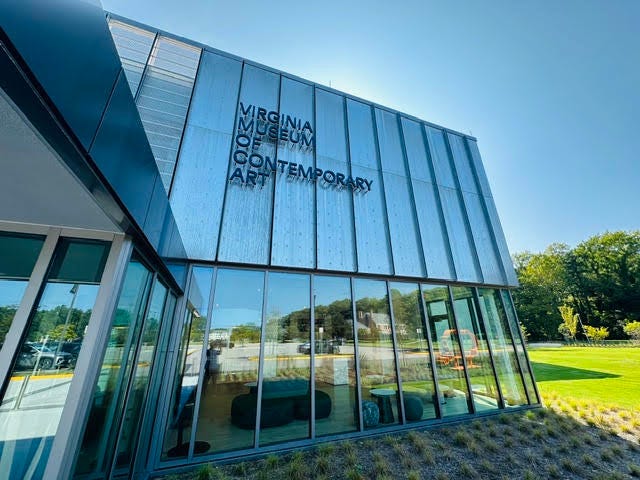
What Should Art Say in the Age of Artificial Intelligence?
Virginia MOCA, Human Creativity, Memory, and the Future of Civilization
Abstract
Artificial intelligence is transforming the conditions of artistic production. It generates images, composes music, writes narratives, and increasingly participates in creative processes once regarded as distinctly human. Yet the growing sophistication of AI raises a fundamental question: does the automation of artistic production necessarily deepen the meaning of art?
Drawing upon the exhibitions and educational initiatives of the Virginia Museum of Contemporary Art (Virginia MOCA) in Virginia Beach, this essay examines the role of art in the age of artificial intelligence through four interrelated perspectives: creativity, cultural memory, community, and human judgment. Particular attention is given to Made in VA Biennial 2026 and Vivian Chiu’s From Here, which offer points of departure for reflecting on artistic diversity, material memory, cultural identity, and the relationship between place and human experience.
The essay argues that art in the AI era should not be understood merely as a competition between human ingenuity and machine-generated production. Rather, it should be approached as a critical and imaginative practice through which humanity interrogates its values, preserves its memories, and reconsiders its responsibilities in an increasingly technological civilization.
Keywords: Artificial Intelligence, Contemporary Art, Virginia MOCA, Human Creativity, Cultural Memory, Art Criticism, Digital Civilization
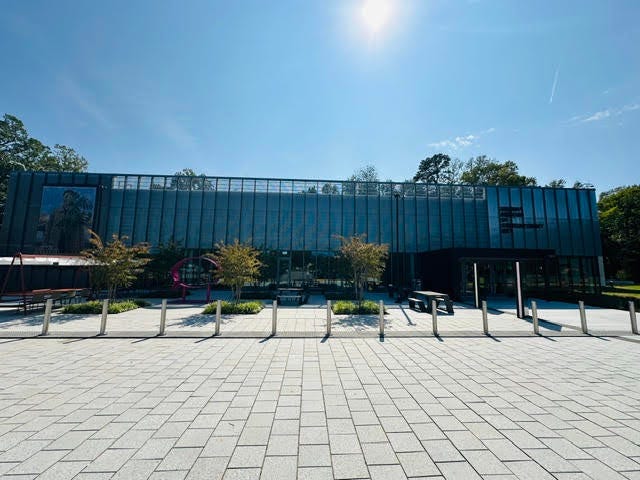
Art Questions Humanity Before Technology
We are living through a profound transformation in the conditions under which images come into existence. In earlier eras, painters devoted extended periods to canvas, pigment, and the disciplined movement of the hand, while photographers captured fleeting moments through the interaction of light, optics, and time. Today, generative artificial intelligence can produce landscapes, portraits, architectural visions, and imagined worlds from nothing more than a few lines of textual instruction. The threshold of artistic expression has been lowered, while the velocity of production has accelerated to an extraordinary degree.
Yet the ease with which a technology produces an image should not be confused with its capacity to confer meaning upon that image. The fact that AI can generate visually compelling works does not, in itself, explain why those works matter to human beings. Art derives its significance not solely from technical refinement or aesthetic appeal, but also from the questions it poses: What do we choose to see? What do we preserve in memory? How do we interpret our existence, and what kind of world do we wish to imagine?
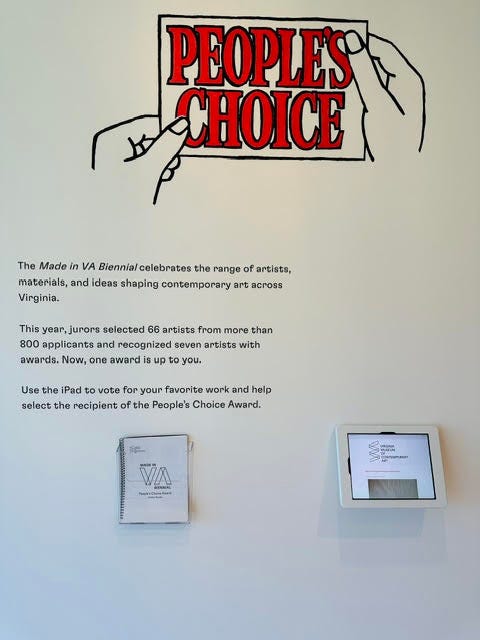
Contemporary museums provide a particularly fertile environment for examining these questions. Located in Virginia Beach, the Virginia Museum of Contemporary Art (Virginia MOCA) connects contemporary exhibitions with arts education and community engagement. Its Made in VA Biennial 2026 presents the work of artists from across Virginia, while Vivian Chiu’s From Here explores relationships among place, culture, identity, and intergenerational transmission.
Taken together, these exhibitions offer a point of departure for considering the future of art in an age shaped by artificial intelligence. Must art compete with technology, or can it illuminate dimensions of human memory and experience that technological systems cannot fully comprehend?
The Democratization of Creativity and the New Threshold of Art
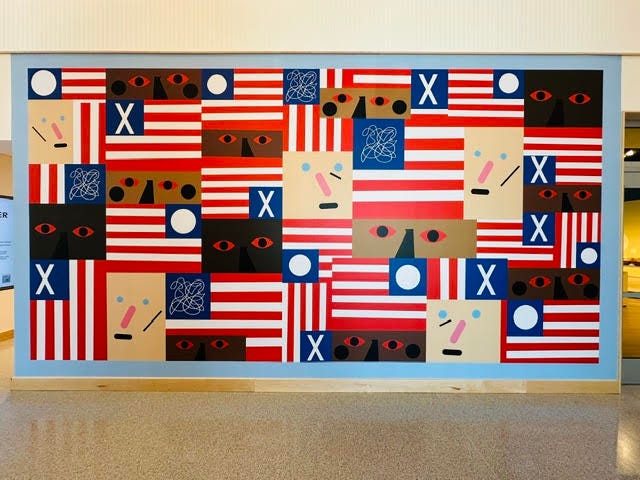
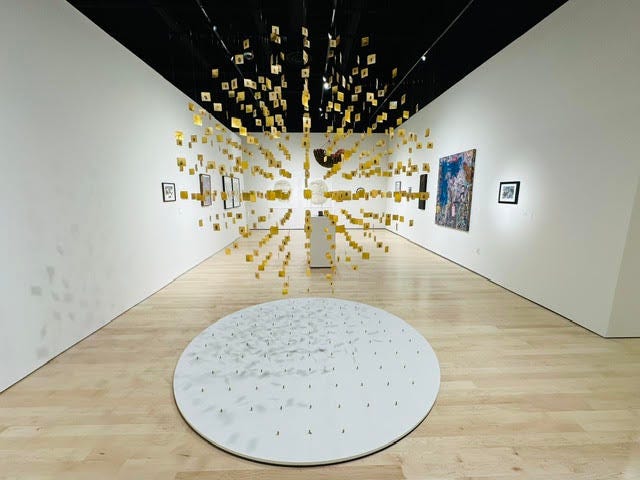
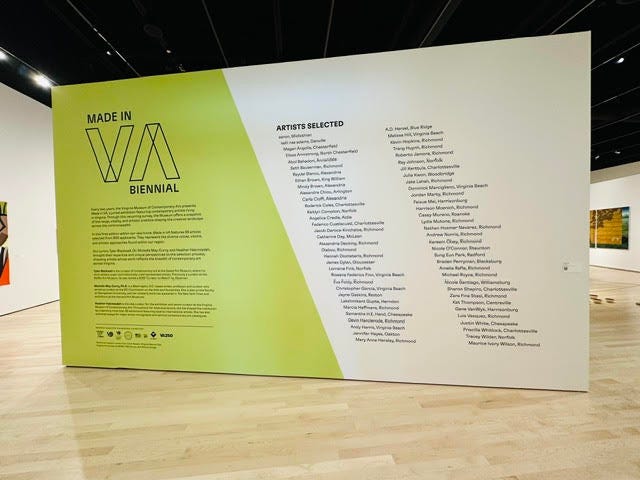
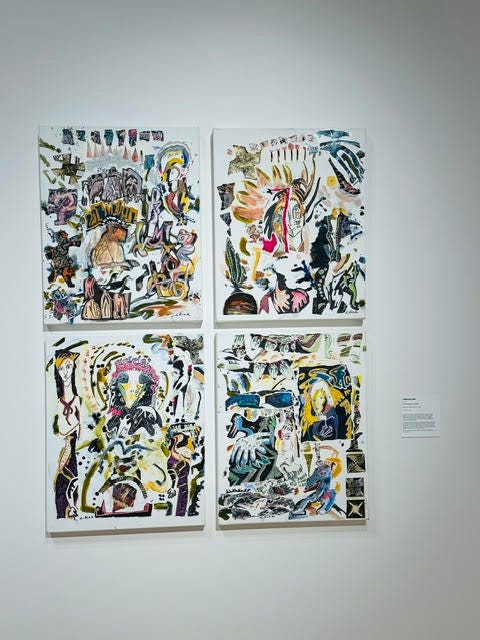
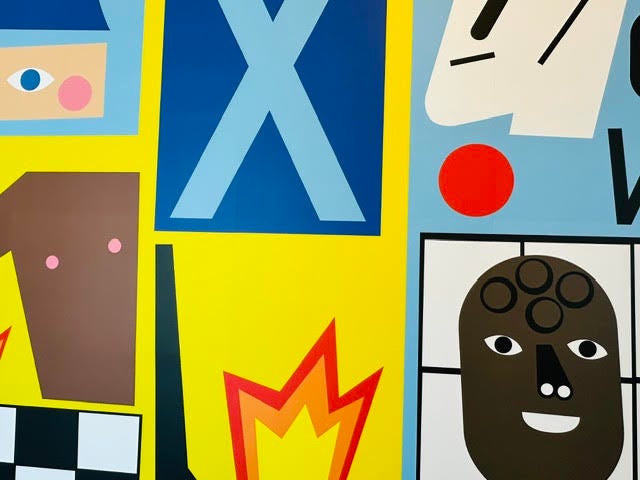
Virginia MOCA’s Made in VA Biennial 2026 brings together a wide range of contemporary artistic practices and perspectives from artists working throughout Virginia. The selected works reflect the diversity and vitality of the state’s contemporary art scene.
The exhibition points toward an important truth: art does not emerge exclusively from a single cultural center. It is not confined to New York, Paris, or other internationally recognized capitals of artistic production. New artistic languages arise in local studios, within small communities, and through the ordinary experiences and memories of individuals.
Generative AI may accelerate this democratization of creative expression. Individuals without extensive training in sophisticated design software can translate their ideas into visual and multimedia forms. For students with limited access to production equipment, artists experimenting with unfamiliar media, and people who encounter barriers in using conventional tools, AI can expand the possibilities of expression.
Yet the democratization of production does not mean that every creative output possesses equivalent artistic significance. In a world where almost anyone can generate an image, the capacity to determine what ought to be created becomes increasingly consequential. If AI can produce thousands of visual alternatives, the artist’s responsibility shifts toward selecting, contextualizing, interpreting, and defending particular choices.
The scarcity of art, therefore, need not reside exclusively in the difficulty of producing an object. It may instead emerge from the distinctiveness of an artist’s perspective, the depth of lived experience, and the integrity of creative judgment. As production becomes increasingly automated, artistic creativity may move away from the mere mastery of technical execution toward the construction of meaning.
Memory Is Not Data Alone but Lived Experience
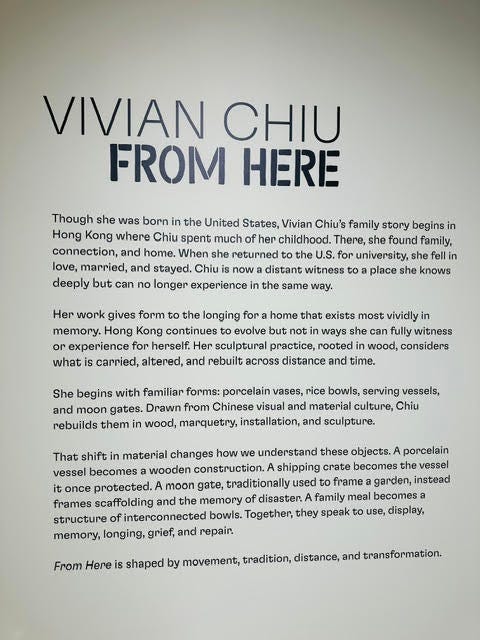
Vivian Chiu: From Here
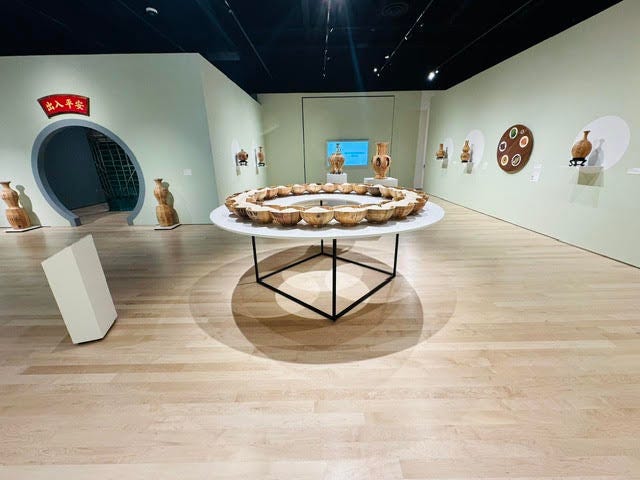
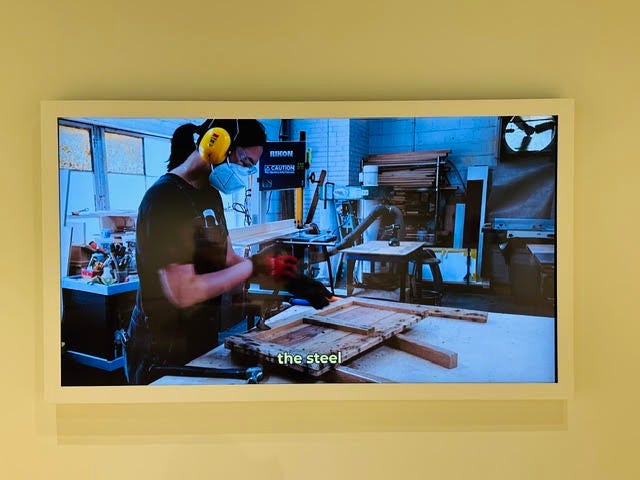
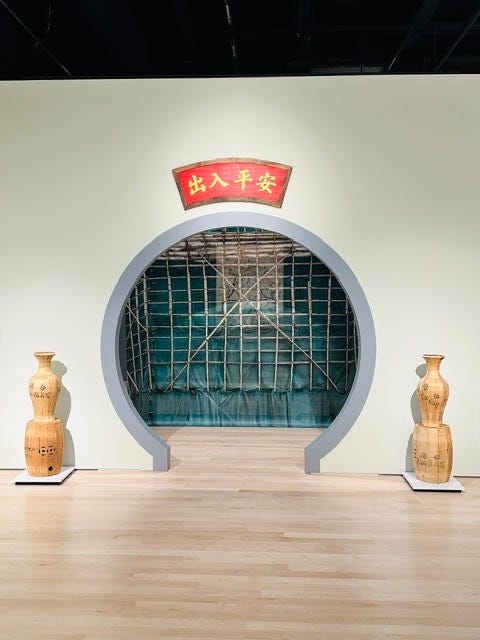
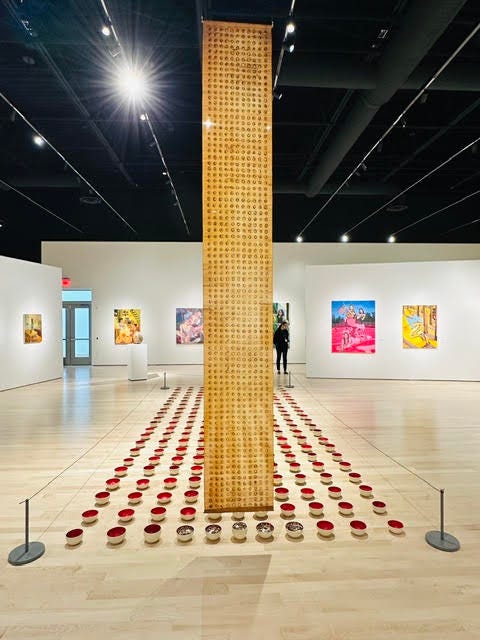
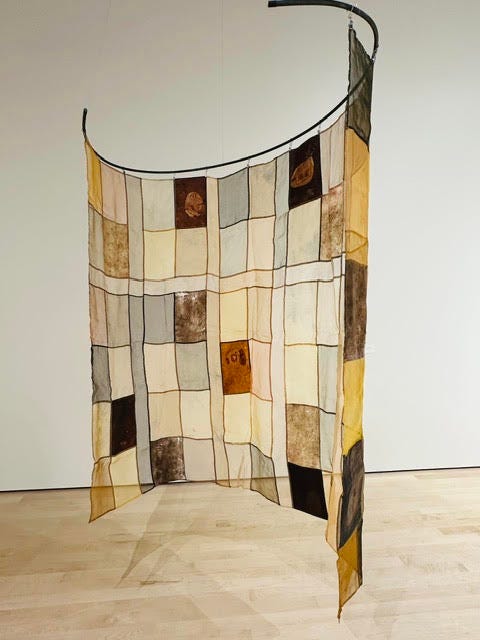
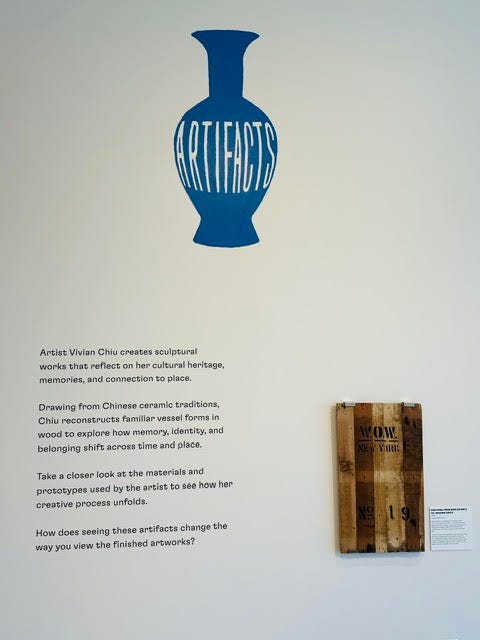
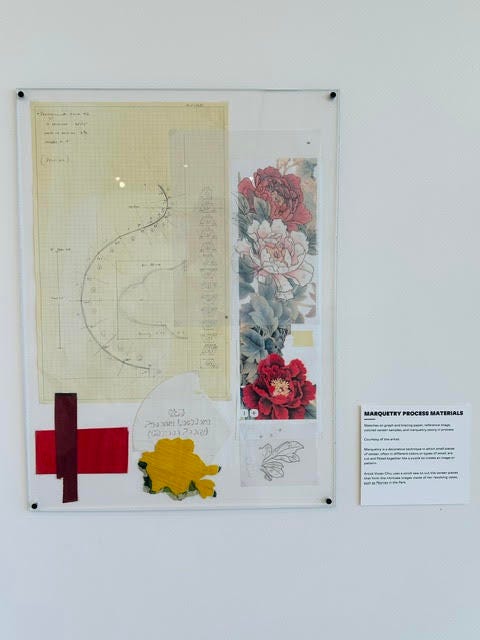
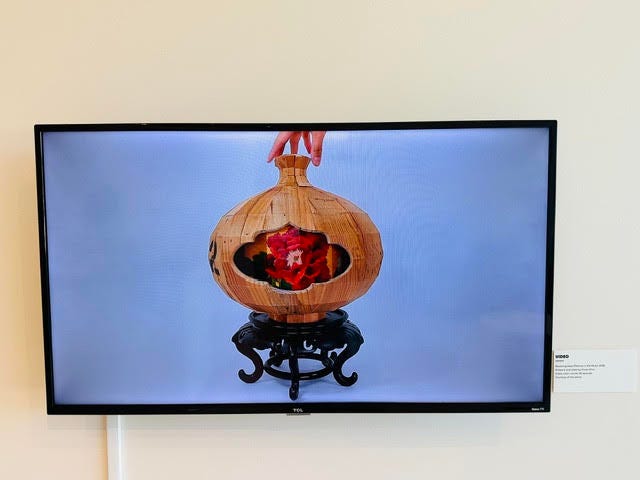
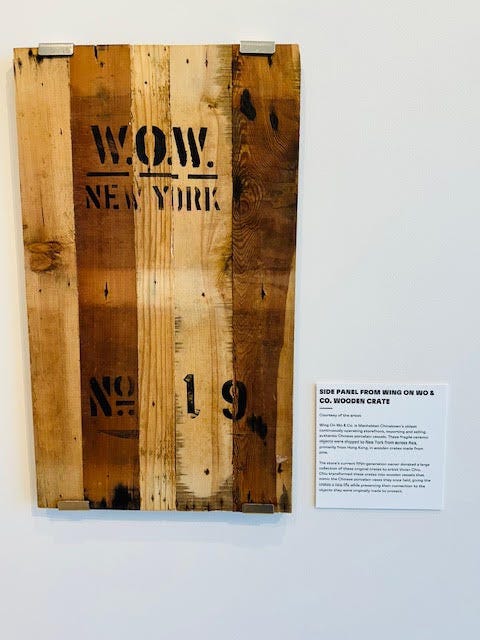
Virginia MOCA’s From Here, by Vivian Chiu, examines how place, culture, and identity are preserved and transformed through geographical movement and generational transmission. The exhibition includes vessels constructed from reclaimed wood and intricate images created with wood veneer. These works connect personal narratives and craft traditions with the history of Chinese ceramics.
Viewed through the lens of artificial intelligence, the exhibition raises a fundamental question: Can memory be transferred completely into digital data?
Artificial intelligence can analyze historical images, reproduce visual styles associated with particular periods, and combine elements drawn from different cultural traditions. Yet cultural memory is not merely an archive of images. It is inseparable from the experience of inhabiting a place, the stories transmitted within families, the emotional resonance of a lost homeland, and the continuous reconstruction of identity amid social and geographical change.
Wood offers a particularly evocative material through which to consider this problem. It bears traces of growth, time, and transformation. Reclaimed wood retains something of its material history even as it is reshaped into a new form. In this sense, art does not simply preserve the past; it reveals how the past acquires renewed significance within the present.
AI can assist artists in analyzing cultural materials and reinterpreting traditional forms. Yet it can also encourage the reduction of cultural traditions to consumable styles and decorative patterns. When the visual forms of Chinese ceramics, for example, are treated merely as aesthetic data, the historical experiences and communal voices embedded within those traditions may be obscured.
Art in the AI era must therefore cultivate a distinction between cultural representation and cultural understanding. It is not enough to ask what can be reproduced. We must also ask whose memories are being represented, whose experiences are being interpreted, and what responsibilities accompany that act of representation.
The Human Touch and the Meaning of Imperfection
Traditional artworks often preserve the traces of the human hand. The rhythm of a brushstroke, the subtle asymmetry of a ceramic vessel, or the evidence of a sculptor’s struggle with material can communicate something that an immaculate surface does not. Such traces reveal that a work has passed through the temporal and physical experience of human labor.
AI-generated images may exhibit extraordinary precision, consistency, and technical sophistication. Yet precision alone does not guarantee artistic depth. Indeed, as AI increasingly produces polished and seamless visual forms, the value of human error, contingency, hesitation, and spontaneity may become newly visible.
This does not imply that AI-generated art is inherently devoid of meaning. Human artists can employ AI as a creative instrument, using it to experiment with unfamiliar forms and expand the vocabulary of artistic expression. Collaboration between humans and machines may transform established conventions of authorship and production. Nevertheless, technical complexity and visual spectacle should not become the sole criteria by which artistic value is determined.
Art criticism must move beyond describing the beauty of a finished object and examine the following questions: What dimensions of human experience does the work articulate? Does the technology deepen the work’s conceptual significance, or does it merely intensify its visual effects? How are the artist’s judgment and responsibility manifested throughout the creative process? Does the work offer viewers an unfamiliar perspective or invite them into a meaningful inquiry?
These questions have always mattered in the interpretation of art, but they become particularly urgent in the age of AI. The more efficiently technology automates production, the more essential it becomes to examine the nature and consequences of artistic judgment.
The Museum as a Space of Learning Beyond Spectatorship
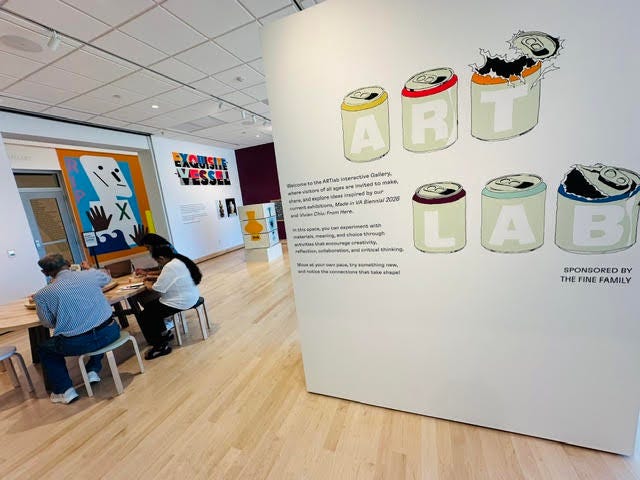
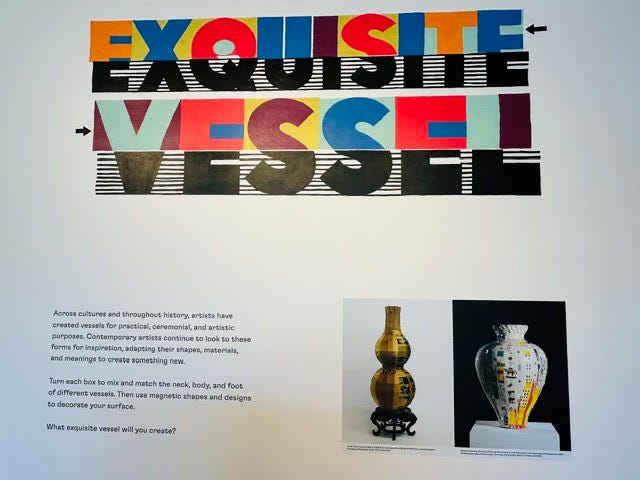
Virginia MOCA offers studio art classes for individuals across different ages and levels of experience, including activities such as drawing and ceramics. These programs invite participants to move beyond passive spectatorship and engage directly with the processes of artistic creation.
This educational mission assumes particular significance in the age of artificial intelligence. In an environment where AI can produce finished visual outputs almost instantaneously, the practices of sustained observation, hands-on making, and learning through failure may be undervalued. Yet art education is not simply an exercise in producing attractive objects. It cultivates the capacity to observe attentively, formulate questions, understand materials, and respect perspectives different from one’s own.
Consider a student who uses AI to generate an image. The educational objective need not end with the successful production of that image. The student might investigate its cultural references, examine the biases embedded in its generation, create an independent sketch or physical object, and critically compare the resulting works.
Such an approach does not position technology and human experience as opposing forces. Instead, it establishes a dialogue between them. AI may serve as a tool for visualizing ideas, while art education enables students to interrogate those ideas, assess their implications, and develop them responsibly.
The museum consequently assumes a vital public role. It is not merely a repository for artworks but a social space in which people of different generations and backgrounds encounter one another, engage in interpretation, and participate in cultural dialogue. Although AI may expand access to art through digital interfaces, the experience of encountering an artwork and other viewers within a physical space retains a distinctive significance.
Art and Community: How a Place Learns to See Itself
Virginia MOCA’s Boardwalk Art Show celebrated its 70th anniversary in 2026. Held along the Virginia Beach oceanfront, the event connects artists, collectors, residents, and visitors through a public celebration of artistic practice. The museum describes the event as featuring more than 160 artists.
This example demonstrates that art does not exist exclusively within the institutional boundaries of a museum. It can enter public spaces, intersect with everyday life, and contribute to the cultural identity and social relationships of a community.
In the age of AI, this local dimension may become increasingly significant. Digital platforms facilitate the rapid circulation of images across the world, yet the distinctive experiences of particular communities and places are not automatically preserved. Indeed, the proliferation of standardized aesthetic conventions and algorithmically amplified trends may blur the cultural differences that distinguish one locality from another.
Local art offers one possible response. Artists rooted in particular communities can express the specific environments, histories, and experiences of the places they inhabit. Coastal landscapes, urban transformation, migration, intergenerational memory, and the rhythms of daily life all contain forms of experience that cannot be reduced to universally interchangeable visual patterns.
This does not mean that local art must reject artificial intelligence. Digital technologies can help preserve community narratives, document local histories, and introduce regional artistic practices to broader audiences. The central question is whether technology replaces the voices of communities or enables those voices to participate in wider cultural conversations.
Art Criticism in the Age of AI: Beyond Beauty Toward Responsibility
Art criticism is not confined to declaring whether a work is good or bad. It interprets the historical and social conditions under which a work emerges, examines the relationship between its form and content, and explores the questions it places before its audience.
As AI becomes increasingly involved in artistic production, the scope of criticism must expand accordingly. In addition to visual outcomes, critics may need to consider the provenance of training data, algorithmic bias, copyright, the recognition of creative labor, and the distribution of responsibility between human creators and technological systems.
Art criticism should neither uncritically celebrate technological innovation nor reject it categorically. It should recognize AI’s capacity to generate new expressive possibilities while examining the conditions under which the technology operates and the people it affects.
Because art engages questions of human dignity and social imagination, its value cannot be measured exclusively through technological efficiency. Even if AI produces images with increasing speed and sophistication, the challenge of understanding and representing human suffering, joy, loss, and hope remains unresolved.
From this perspective, the museum can function simultaneously as a site of technological experimentation and a forum for critical inquiry. Viewers are invited not only to ask what is beautiful, but also to consider which worldview is being articulated, whose experiences are represented or excluded, and what responsibilities art might assume within society.
Collaboration Between Art and AI: New Possibilities for Creation
To understand the relationship between AI and art solely as a competition between humans and machines is to adopt an unnecessarily narrow framework. Throughout history, artistic practices have evolved through the adoption of new tools and media. The emergence of photography, the development of cinema, and the expansion of digital graphics and the internet each transformed how artists represented and interpreted reality.
Artificial intelligence may be understood as part of this continuing history of technological transformation. Artists can employ AI to explore ideas, compose visual structures, analyze materials, and design interactive works. They may also deliberately expose the errors and limitations of AI to investigate the differences between human perception and machine-generated representation.
The critical issue is not whether artists collaborate with AI, but how they do so. When AI-generated results are accepted without scrutiny, human judgment may become diminished within the creative process. Conversely, when AI is employed as an instrument of experimentation and inquiry, it can open new possibilities for aesthetic language and artistic expression.
AI is not the destination of art. It is a medium through which humanity is compelled to reconsider creativity, judgment, and responsibility.
This perspective has important implications for arts education. When students use AI to create artworks, assessment might encompass not only the final product but also the formulation of the problem, documentation of the process, justification of creative decisions, and depth of critical reflection. Such an approach connects technological competence with humanistic inquiry.
The Art of the Future Will Ask What Humanity Chooses to Remember
The exhibitions and educational initiatives of Virginia MOCA provide valuable points of departure for considering the role of art in the age of artificial intelligence. Made in VA Biennial 2026 highlights the diversity of artistic perspectives and practices across Virginia, while Vivian Chiu’s From Here invites reflection on the relationships among place, culture, identity, and intergenerational memory. The museum’s educational programs and public art events further extend art beyond individual contemplation into the realms of community participation and learning.
These examples suggest that art in the AI era is not simply an activity that follows the accelerating pace of technological development. Art remains a means through which human beings interpret the world, preserve memory, reconsider identity, and imagine alternative forms of social existence.
As artificial intelligence becomes capable of producing increasingly sophisticated images at unprecedented speed, humanity must ask more deliberate questions about the purpose of artistic creation. What should we represent? Whose experiences should be included? How should technology be used responsibly? And among the countless images we can generate, which ones might enable us to understand human life more profoundly?
The museums of the future may well exhibit works created through collaboration between humans and AI. Yet their more consequential function may be to remain public spaces in which people deliberate about what they see, what they feel, and what they choose to remember through technology.
Civilization does not advance through technological capability alone. It matures when it confronts the question of how its powers should be directed toward meaningful values and purposes. Art has long been one of the most sensuous, imaginative, and profoundly human domains through which that question is pursued.
Even when artificial intelligence automates the production of images, art must remain ‘an act through which humanity confers meaning upon the world.’ +++
References
Virginia Museum of Contemporary Art. (2026). Virginia MOCA: Exhibitions, events, and studio art classes.
https://virginiamoca.org/
인공지능 시대, 예술은 무엇을 말해야 하는가?
Virginia MOCA에서 바라본 인간의 창조성, 기억, 그리고 미래의 문명
Abstract
인공지능은 이미 이미지를 만들고, 음악을 작곡하며, 문장을 쓰고, 인간의 취향을 분석하는 창작 파트너가 되었다. 이러한 변화 속에서 예술은 단순한 시각적 아름다움이나 기술적 완성도를 넘어 인간의 경험과 기억, 정체성, 윤리적 상상력을 어떻게 보존하고 재구성할 것인가라는 질문에 직면한다. 버지니아 비치의 Virginia Museum of Contemporary Art(Virginia MOCA)의 전시와 교육 프로그램을 중심으로, 본 에세이는 인공지능 시대 예술의 역할을 창조성, 장소와 정체성, 지역사회, 인간적 판단이라는 네 가지 관점에서 고찰한다. 특히 Made in VA Biennial과 Vivian Chiu의 From Here 전시가 보여주는 동시대 예술의 다양성과 문화적 기억을 바탕으로, AI가 예술을 확장하는 동시에 인간의 해석과 책임을 더욱 중요하게 만드는 이유를 비평적으로 탐구한다.
Keywords: Artificial Intelligence, Contemporary Art, Virginia MOCA, Human Creativity, Cultural Memory, Art Criticism, Digital Civilization

예술은 기술보다 먼저 인간을 질문한다
우리는 지금 이미지가 탄생하는 방식이 근본적으로 변하는 시대를 살아가고 있다. 과거 화가는 붓과 물감으로 캔버스에 오랜 시간을 투자했고, 사진가는 빛과 렌즈를 통해 한순간을 포착했다. 오늘날 생성형 인공지능은 몇 줄의 문장만으로 풍경과 인물, 건축물과 상상의 세계를 만들어 낸다. 창작의 문턱은 낮아졌고, 표현의 속도는 놀라울 정도로 빨라졌다.
그러나 새로운 기술이 예술을 쉽게 만드는 것과 예술의 의미를 깊게 만드는 것은 서로 다른 문제다. AI가 아름다운 이미지를 만들어 낼 수 있다는 사실이 곧 그것이 인간에게 왜 중요한지 설명해 주지는 않는다. 예술의 본질은 결과물의 시각적 완성도만이 아니라, 무엇을 바라보고 무엇을 기억하며 어떤 질문을 사회에 던지는가에 있다.
이 질문을 탐구하는 데 현대미술관은 특별한 역할을 한다. 버지니아 비치에 위치한 Virginia Museum of Contemporary Art(Virginia MOCA)는 현대미술 전시와 예술 교육, 지역사회의 참여를 연결하는 문화 공간이다. 2026년 9월부터 2027년 3월 21일까지 열리는 Made in VA Biennial 2026은 버지니아 전역의 예술가들이 제작한 다양한 작품을 선보이며, 같은 기간 진행되는 Vivian Chiu의 From Here는 장소와 문화, 정체성, 세대 간 전승을 탐구한다.
이러한 전시는 AI 시대에 예술이 어떤 방향으로 나아가야 하는지 생각할 수 있는 출발점이 된다. 예술은 기술과 경쟁해야 하는가? 아니면 기술이 쉽게 복제하기 어려운 인간의 기억과 경험을 새롭게 드러내야 하는가?
창작의 민주화와 예술의 새로운 문턱
Virginia MOCA의 Made in VA Biennial 2026은 버지니아에서 활동하는 예술가들의 폭넓은 매체와 관점, 경험을 소개한다. 수백 건의 출품작 가운데 선정된 작품들은 오늘날 버지니아에서 제작되는 현대미술의 다양성과 활력을 보여주는 전시로 구성되었다.
이 전시가 던지는 중요한 의미는 예술이 단일한 중심에서 생산되는 것이 아니라는 사실이다. 예술은 뉴욕이나 파리 같은 세계적 문화도시에서만 탄생하지 않는다. 지역의 작업실, 작은 공동체, 개인의 일상과 기억에서도 새로운 예술적 언어가 형성된다.
생성형 AI는 이러한 창작의 민주화를 더욱 가속할 수 있다. 전문적인 디자인 소프트웨어를 익히지 않은 사람도 자신의 생각을 이미지와 영상으로 표현할 수 있다. 장애로 인해 전통적인 도구를 사용하기 어려운 사람, 충분한 제작 장비를 갖추지 못한 학생, 새로운 매체를 실험하는 지역 예술가에게 AI는 표현의 가능성을 넓혀 줄 수 있다.
그러나 접근성이 높아진다고 해서 모든 창작물이 동일한 예술적 가치를 갖는 것은 아니다. 누구나 이미지를 만들 수 있는 시대에는 오히려 무엇을 창작할 것인가를 결정하는 능력이 중요해진다. AI가 수천 개의 이미지를 생성할 수 있다면, 예술가는 그중 어떤 이미지를 선택하고 어떤 맥락에서 제시할 것인지 설명해야 한다.
예술의 희소성이 제작 기술에서만 비롯되지 않는다면, AI 시대의 예술가는 자신의 관점과 경험, 선택의 이유를 더욱 분명하게 드러내야 한다. 예술적 창조성은 생산 속도의 경쟁이 아니라 의미를 구성하는 능력으로 이동할 수 있다.
기억은 데이터가 아니라 살아 있는 경험이다
Vivian Chiu: From Here
Virginia MOCA에서 소개하는 Vivian Chiu의 From Here는 장소와 문화, 정체성이 세대와 지리적 이동을 거치며 어떻게 보존되고 변화하는지를 탐구한다. 전시에는 재생 목재로 재구성한 그릇 형태의 작품과 목재 베니어로 제작한 정교한 이미지가 포함된다. 작품은 개인적 서사와 공예의 역사, 중국 도자 전통을 서로 연결한다.
이 전시를 AI 시대의 관점에서 바라보면 한 가지 중요한 질문이 생긴다.
기억은 디지털 데이터로 완전히 옮겨질 수 있는가?
인공지능은 과거의 이미지를 분석하고, 특정 시대의 시각적 양식을 재현하며, 서로 다른 문화적 요소를 결합할 수 있다. 하지만 문화적 기억은 단순한 이미지의 집합이 아니다. 그것은 사람이 특정 장소에서 살아온 시간, 가족에게 전해진 이야기, 잃어버린 고향에 대한 감정, 변화하는 환경 속에서 자신의 정체성을 다시 해석하는 과정과 연결된다.
나무는 이 문제를 생각하게 하는 흥미로운 재료다. 나무에는 성장의 흔적과 시간의 변화가 남는다. 재생 목재를 사용한 작품은 새로운 형태를 만드는 동시에 이전의 물질적 이력을 완전히 지우지 않는다. 이처럼 예술은 과거를 보존하는 것만이 아니라, 과거가 현재 속에서 어떻게 다시 의미를 얻는지를 보여줄 수 있다.
AI는 문화적 자료를 분석하고 전통적인 형식을 새롭게 해석하는 데 도움을 줄 수 있다. 하지만 문화적 전승의 의미를 단순히 스타일이나 장식으로 소비하는 위험도 존재한다. 중국 도자 전통을 비롯한 특정 문화의 형식이 데이터베이스 속 시각적 패턴으로만 다뤄진다면, 그 안에 담긴 역사적 경험과 공동체의 목소리는 약화될 수 있다.
따라서 AI 시대의 예술은 문화적 재현과 문화적 이해를 구별하는 태도를 요구한다. 무엇을 재현할 수 있는가만큼, 그 재현이 누구의 기억과 경험을 담고 있는지 질문해야 한다.
인간의 손길은 불완전함 속에서 의미를 만든다
전통적인 예술 작품에는 인간의 손이 남긴 흔적이 있다. 붓의 속도, 도자기의 미세한 비대칭, 조각가가 재료와 씨름한 흔적은 때로 완벽한 표면보다 더 강한 인상을 준다. 이러한 흔적은 작품이 인간의 시간과 노동을 거쳐 탄생했다는 사실을 보여준다.
AI가 생성하는 이미지는 놀라운 정밀성과 일관성을 가질 수 있다. 그러나 정밀성이 곧 예술적 깊이를 보장하지는 않는다. 오히려 AI가 만들어 내는 매끄러운 결과물 속에서 인간의 실수와 우연, 망설임이 지닌 가치가 새롭게 주목받을 수 있다.
이것은 AI가 만든 작품에는 의미가 없다는 뜻이 아니다. 인간 예술가가 AI를 하나의 도구로 활용하여 새로운 표현 방식을 실험할 수 있으며, 인간과 기계의 협업은 기존의 창작 관습을 변화시킬 수 있다. 다만 작품을 평가할 때 기술적 난이도나 시각적 화려함만을 유일한 기준으로 삼아서는 안 된다.
예술 비평은 결과물의 아름다움을 설명하는 데서 멈추지 않고 다음과 같은 질문을 제기해야 한다.
작품은 어떤 인간적 경험을 표현하는가?
사용된 기술은 작품의 의미를 확장하는가, 아니면 단순히 시각적 효과를 더하는가?
창작 과정에서 예술가의 판단과 책임은 어떻게 드러나는가?
작품은 관람자에게 새로운 관점과 질문을 제공하는가?
이러한 질문은 전통적인 미술관에서도 중요하지만, AI 시대에는 더욱 긴급해진다. 기술이 결과물의 제작 과정을 빠르게 자동화할수록, 예술적 판단의 의미를 비평적으로 검토할 필요가 커지기 때문이다.
미술관은 감상 공간을 넘어 학습의 공간이 된다
Virginia MOCA는 전시뿐 아니라 다양한 연령과 수준을 위한 스튜디오 미술 수업도 제공한다. 드로잉, 도예 등 직접적인 예술 활동을 통해 관람객이 작품을 감상하는 데서 나아가 창작 과정에 참여하도록 한다.
이러한 교육적 역할은 인공지능 시대에 특별한 의미를 갖는다. AI가 완성된 결과물을 즉시 보여줄 수 있는 환경에서는 직접 관찰하고, 손으로 만들고, 실패를 경험하는 과정이 상대적으로 소홀해질 가능성이 있다. 그러나 예술 교육은 결과물의 생산만을 가르치는 것이 아니다. 관찰하는 법, 질문하는 법, 재료의 성질을 이해하는 법, 다른 사람의 관점을 존중하는 법을 배우는 과정이기도 하다.
예를 들어 학생이 AI를 활용하여 한 장의 이미지를 만들었다고 가정해 보자. 교육의 목표는 단순히 이미지 생성에 성공하는 데 그치지 않을 수 있다. 학생은 자신이 선택한 이미지의 출처와 의미를 탐구하고, 생성 과정에서의 편향과 한계를 검토하며, 직접 스케치하거나 조형물을 만들어 AI의 결과물과 비교할 수 있다.
이러한 학습은 기술과 인간의 경험을 대립시키기보다 연결한다. AI는 아이디어를 시각화하는 도구가 될 수 있지만, 예술 교육은 학생이 그 아이디어를 비판적으로 이해하고 책임 있게 발전시키도록 도와야 한다.
미술관은 이 과정에서 중요한 공공적 역할을 맡는다. 미술관은 작품을 보관하는 장소인 동시에 서로 다른 세대와 배경을 가진 사람들이 만나고, 감상하고, 토론하는 공간이다. AI가 디지털 화면을 통해 예술에 접근하는 방식을 넓히더라도, 실제 공간에서 작품과 타인을 마주하는 경험은 여전히 독자적인 의미를 가질 수 있다.
지역사회와 예술: 공동체가 자신을 바라보는 방식
Virginia MOCA의 Boardwalk Art Show는 2026년에 70주년을 맞이하며, 버지니아 비치 해변에서 예술가와 수집가, 지역 주민, 방문객을 연결하는 행사로 소개된다. 해당 행사는 160명 이상의 예술가가 참여하는 공개 행사로 안내되어 있다.
이 사례는 예술이 미술관 내부에만 머무르지 않는다는 점을 보여준다. 예술은 공공장소에서 사람들의 일상과 만날 수 있으며, 지역의 문화적 정체성과 경제적·사회적 관계를 형성하는 데 참여할 수 있다.
AI 시대에 이러한 지역적 역할은 더욱 중요해질 수 있다. 디지털 플랫폼은 전 세계의 이미지를 빠르게 유통시키지만, 지역사회가 가진 구체적인 경험과 장소의 특수성은 자동으로 보존되지 않는다. 오히려 비슷한 이미지와 유행하는 미적 형식이 반복되면서 서로 다른 지역의 문화적 차이가 흐려질 가능성도 있다.
지역 예술은 이에 대한 하나의 대응 방식이 될 수 있다. 지역 예술가는 자신이 살아가는 환경과 공동체의 이야기를 구체적인 작품으로 표현한다. 바닷가의 풍경, 도시의 변화, 이주와 세대 간의 기억, 지역 주민의 일상은 세계 어디에서나 동일하게 복제될 수 없는 경험을 담는다.
그렇다고 지역 예술이 반드시 AI와 거리를 두어야 한다는 의미는 아니다. 오히려 지역의 기록과 이야기를 디지털 기술로 보존하고, 새로운 관람객에게 소개하며, 참여형 프로젝트로 확장할 수 있다. 중요한 것은 기술이 공동체의 목소리를 대체하는 것이 아니라, 그 목소리가 더 넓은 대화에 참여할 수 있도록 돕는 방식이다.
AI 시대의 예술 비평: 아름다움 너머의 책임
예술 비평은 작품을 좋다거나 나쁘다고 판단하는 행위에만 머물지 않는다. 작품이 만들어진 사회적·역사적 조건을 이해하고, 작품의 형식과 내용이 어떻게 연결되는지 분석하며, 작품이 관람자에게 어떤 질문을 던지는지 탐구하는 활동이다.
AI가 예술 제작에 깊이 관여하는 시대에는 비평의 대상도 넓어진다. 작품의 시각적 결과뿐 아니라 데이터의 출처, 학습 과정의 편향, 저작권과 창작자에 대한 인정, 인간의 개입과 책임이 함께 논의될 수 있다.
이때 예술 비평은 기술에 대한 무조건적인 찬양이나 거부를 넘어설 필요가 있다. AI가 만들어 내는 새로운 표현 가능성을 인정하면서도, 그 기술이 어떤 조건에서 사용되고 누구에게 영향을 미치는지 살펴보아야 한다.
특히 예술은 인간의 존엄성과 사회적 상상력을 다루는 영역이기 때문에, 기술적 효율성만으로 그 가치를 측정하기 어렵다. AI가 더 빠르고 정교한 이미지를 만들어 낸다고 해도, 인간이 겪는 고통과 기쁨, 상실과 희망을 어떻게 이해하고 표현할 것인가는 여전히 열려 있는 질문이다.
이러한 관점에서 미술관은 기술 발전의 전시장인 동시에 비판적 사고의 공간이 될 수 있다. 관람객은 작품을 보면서 단순히 무엇이 아름다운지를 묻는 데 그치지 않고, 어떤 세계관이 표현되었는지, 누구의 경험이 드러나거나 배제되었는지, 그리고 예술이 사회에 어떤 역할을 할 수 있는지를 질문하게 된다.
예술과 인공지능의 협력: 새로운 창조적 가능성
AI와 예술의 관계를 인간 대 기계의 경쟁으로만 이해하는 것은 충분하지 않다. 역사적으로 예술은 새로운 도구와 매체를 받아들이며 변화해 왔다. 사진의 등장, 영화의 발전, 디지털 그래픽과 인터넷의 확산은 예술가가 현실을 표현하고 해석하는 방식을 바꾸었다.
AI 역시 이러한 변화의 연장선에서 이해할 수 있다. 예술가는 AI를 아이디어 탐색, 이미지 구성, 자료 분석, 인터랙티브 작품 설계 등의 과정에서 활용할 수 있다. 반면 AI의 한계와 오류를 의도적으로 드러내어 인간과 기계의 인식 차이를 탐구하는 작품도 가능하다.
여기서 중요한 것은 협업의 방식이다. 예술가가 AI의 결과물을 무비판적으로 받아들이는 경우, 창작 과정에서 인간의 판단이 약화될 수 있다. 반대로 AI를 실험과 질문의 도구로 활용한다면, 새로운 미적 언어와 표현의 가능성이 열릴 수 있다.
AI는 예술의 종착점이 아니라, 인간이 창조성과 책임을 다시 생각하게 만드는 하나의 매체다. 이러한 관점은 예술 교육에도 적용된다. 학생들이 AI를 사용하여 작품을 만들 때, 그 결과물만 평가하기보다 문제 설정, 과정의 기록, 선택의 이유, 비평적 성찰을 함께 평가하는 방법을 고려할 수 있다. 이는 기술적 능력과 인문학적 사고를 연결하는 교육적 접근이다.
미래의 예술은 인간이 무엇을 기억할 것인가를 묻는다
Virginia MOCA의 전시와 교육 활동을 통해 살펴본 현대미술은 AI 시대에 예술이 어떤 역할을 수행할 수 있는지 생각하게 한다. Made in VA Biennial은 지역 예술가들의 다양한 관점과 창작 활동을 조명하며, Vivian Chiu의 From Here는 장소와 문화, 정체성, 세대 간 기억이 예술 속에서 어떻게 재구성되는지를 보여준다. 미술관의 교육 프로그램과 공공 예술 행사는 예술을 개인의 감상 경험에서 공동체의 참여와 학습으로 확장한다.
이러한 사례들은 AI 시대의 예술이 단순히 기술의 발전 속도를 따라가는 활동이 아니라는 점을 시사한다. 예술은 인간이 자신과 세계를 해석하는 방식이며, 기억과 정체성, 사회적 관계를 새롭게 바라보는 통로다.
인공지능이 더 정교한 이미지를 만들고 더 빠르게 창작물을 생산할수록, 인간은 예술의 의미를 더욱 의식적으로 질문해야 한다. 무엇을 표현할 것인가? 누구의 경험을 담을 것인가? 기술을 어떻게 책임 있게 사용할 것인가? 그리고 우리가 만든 수많은 이미지 가운데 어떤 것이 인간의 삶을 더 깊이 이해하도록 도울 것인가?
미래의 미술관은 인간과 AI가 함께 만든 작품을 전시하는 공간이 될 수 있다. 그러나 그보다 더 중요한 역할은 인간이 기술을 통해 무엇을 보고, 무엇을 느끼고, 무엇을 기억해야 하는지 토론할 수 있는 공공의 공간으로 남는 것이다.
문명이 기술적 능력만으로 발전하는 것은 아니다. 문명은 자신이 가진 힘을 어떤 가치와 목적을 위해 사용할 것인지 질문할 때 성숙해진다. 예술은 바로 그 질문을 가장 감각적이고 인간적인 방식으로 지속해 온 영역이다.
AI가 이미지의 생산을 자동화하는 시대에도, ‘예술은 인간이 세계에 의미를 부여하는 행위’로 남아야 한다. +++
References
Virginia Museum of Contemporary Art. (2026). Virginia MOCA: Exhibitions, events, and studio art classes.
https://virginiamoca.org/
2026년 9월 19일
{솔티}
Prof. Dr. Young Choi (Editor in Chief) — Regent University
Young B. Choi is a Professor in the Department of Engineering & Computer Science at Regent University. He published 38 books with ‘Selected Readings in Cybersecurity’ (2018) (over 800 copies archived globally at university/college libraries around the world) and ‘Cybersecurity Applications and Artificial Intelligence’ (2023) available in seven major world languages. He proposed the world’s first global and universal telecommunications “Service Order Handling (SOH)” Model (T-SOH Model) (1995) with Dr. Adrian Tang. With this innovative research work, he received the IEEE NOMS ’96 Best Paper Award and became the first recipient of the Outstanding Contribution Award of the TeleManagement Forum in 1998. His research areas include Natural Language Processing-focused AI, AI-applied cybersecurity, network and telecom service management, and Korean studies on Gani Choi Rip’s Jeonggwan (靜觀: Quiet Contemplation) philosophy and Shilhak ( 實學: Practical Learning).
© K-GSP (K-Global Scholars and Professionals) Forum. All rights reserved. 2026.
Suggested Citation:
Choi, Y. B. (2026, September 19). What Should Art Say in the Age of Artificial Intelligence?: Virginia MOCA, Human Creativity, Memory, and the Future of Civilization. K-GSP.