

I loved walking since I was young. I would roam freely across wide fields, playing by looking at and touching whatever caught my eye. It was the happiest time of my life, when I was one with nature. Later the walking led to hiking. Mountains drew me deep into nature. I would shoulder a backpack and leave home every weekend. Mudeungsan, located near my home, was my garden, and I explored famous mountains such as Seoraksan, Jirisan, and Hallasan with members of hiking club.
Walking continued until retirement. After retiring and moving to the United States, I settled in Albuquerque, New Mexico. The fresh air flowing down from the Sandia Mountains on the northeast combined with the rural scenery made walking enjoyable. Aside from the numerous trails of Sandia, the city streets were wide and sparsely populated, making it perfect for a stroll. With plenty of free time at my disposal, I could simply leave house whenever I wanted to walk.
Unlike hiking which involves walking straight through, a leisurely stroll allows for deep thought, self-reflection, and a deeper understanding of oneself. One day it suddenly occurred to me what if I walk backward. Having walked only forward for 70 years, wouldn’t it be good to walk backwards?
Believing that retirement will provide an opportunity to live a new life, I resolved to reduce the routines of daily life as much as possible and live a relaxed and natural life. I also felt that I needed to break free from the mold to spend the rest of my life comfortably. Worried that my body might lose its balance and I might look funny in my later years, I made it sure to move my left side more.
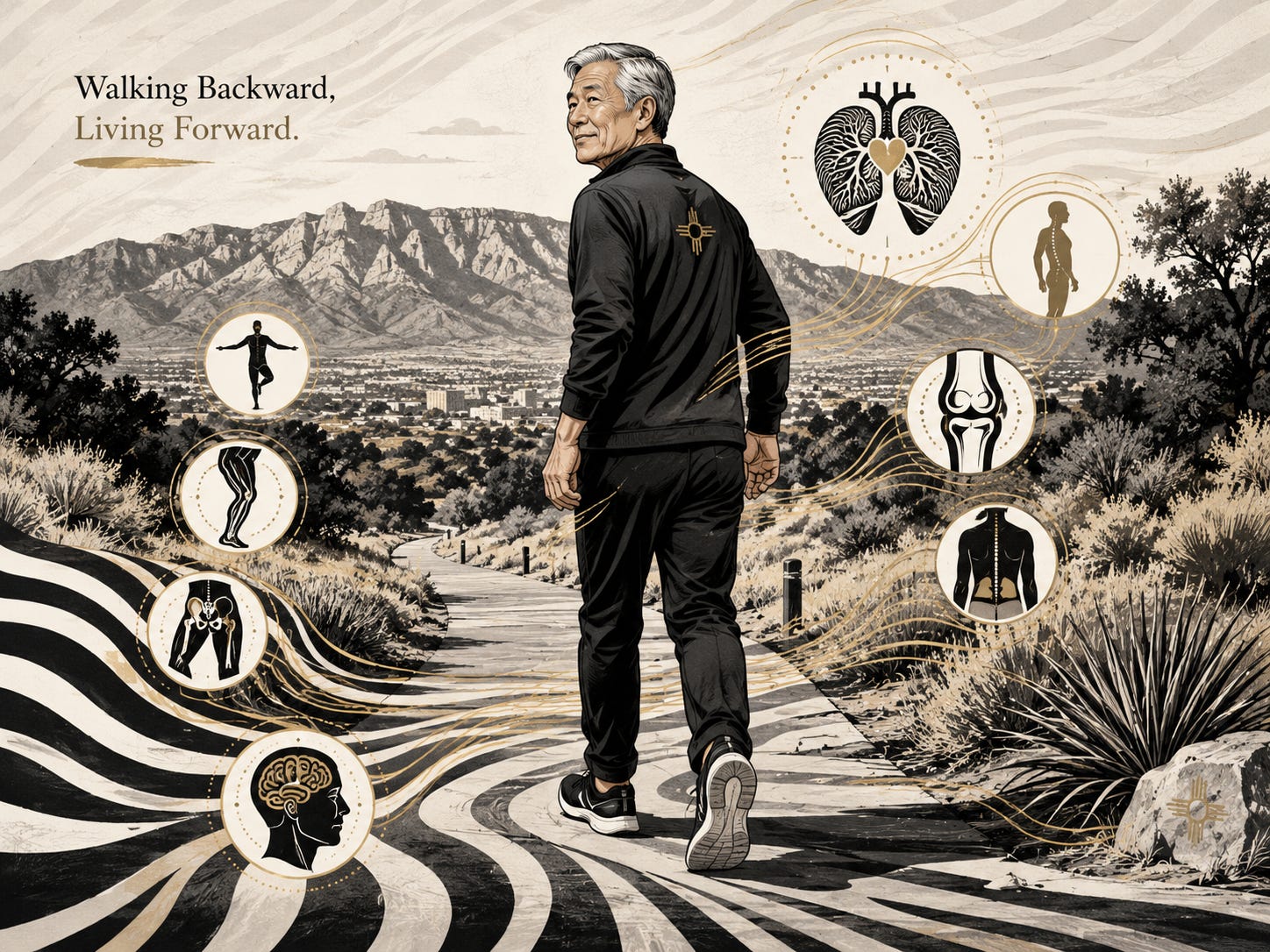
It became a habit to walk backward little by little during my walks. Uneven sidewalks made of old concrete blocks or crowded parks are not suitable for backward walking. Worried that someone might think I look strange or that there might be something behind me, I must stand upright and use all my senses to ensure I do not fall. Walking backward on a quiet path in the afternoon is the most comfortable.
Backward walking has recently begun to gain widespread recognition through the mass media. It is said that the number of people taking an interest in walking backward is gradually increasing. In fact, physical therapists and healthcare professionals have long recommended it, promoting benefits beyond their actual value. The U. S. Army has long had soldiers march backward to prevent blisters on their big toes from carrying heavy loads during long marches. Since it is an exercise that offers significant practical benefits rather than just imagination, I also intend to walk backward every day without fail.
Walking backward is gaining popularity because it can be done by anyone regardless of age. It burns more calories than walking forward while having minimal impact on the body. It facilitates coordinated movement, where various muscles work together in response to nervous system stimulation, making it particularly beneficial for the elderly who are at high risk of falling.
While walking forward primarily utilizes the ankles, walking with the foot lifted backward engages the hips and knees, thereby reducing pressure on the knees and lower back and preventing minor pain. As the toes touch the ground before the heels, the power of the feet is strengthened. By engaging the muscles of the abdomen, lower legs, hips, and lower back, the quadriceps on the front of the thighs are also strengthened.
It has long been widely used in the fields of clinical and rehabilitation medicine to aid in recovery after injuries or illnesses. A study applied to patients with knee osteoarthritis showed that pain significantly decreased six weeks after starting to walk backward. Excessive use of the feet through ordinary walking or exercise makes the plantar fascia prone to inflammation. This fascial inflammation, which can be triggered by footwear, foot structure, or pavement types, causes heel pain, and its effectiveness in preventing this has also been recognized. It is also effective for lower back pain caused by trauma or rheumatism.
Sitting for long periods causes muscles to curl up, restricting movement. Backward walking relieves muscle tension, increasing body flexibility and range of motion. It increases blood flow to the muscles, improving physical activity and reducing the risk of injury. Cardiorespiratory function is also enhanced, allowing the body to absorb more oxygen.
It increases the sense of balance, which detects changes in body position or movement in space, enabling one to achieve a balanced physique. It improves gait because one must rely on muscles, joints, and the vestibular system to maintain an upright posture since one cannot see what is behind.
Routine walking is an automatic act performed almost unconsciously, but walking backward keeps one alert by constantly paying attention to the movement. It allows one to realize each movement in detail and naturally makes one conscious of the body while moving. Concentrating one’s mind solely on a single task also aids in mental discipline.
Exercise you started out of enjoyment is bound to become tiresome if you continue it for a long time. Boredom can lead to mental stress and depression. Walking backward is a good method to eliminate feelings of boredom or laziness, which can be applied to maintain daily walking or increase its intensity. Furthermore, it facilitates the smooth execution of practical activities for daily life.
뒷걸음질
어렸을 때부터 나는 걷기를 좋아했다. 넓은 들판을 마구 쏘다니며 눈에 띄는 것이면 무엇이든 보고 만지면서 놀았다. 자연과 하나 된 내 평생 가장 행복했던 때였던 것이다. 걷기는 나중에 등산으로 이어졌다. 산은 나를 자연 속으로 깊이 끌어들여 주말이면 어김없이 배낭을 메고 집을 나섰다. 집 가까이에 있는 무등산은 내 정원이었으며, 산악회원들과 함께 설악산, 지리산, 한라산 등의 명산을 두루 누볐다.
걷기는 정년 때까지 계속되었다. 퇴직하고 미국으로 옮아와 자리잡은 곳이 뉴 멕시코 주 앨버커키이었는데 북동쪽에 위치한 샌디아 산맥에서 내려오는 신선한 공기에다 시골풍의 분위기가 걷기를 즐기게 해주었다. 샌디아의 수많은 오솔길 아니고도 시가지의 길이 널찍하고 왕래하는 사람도 드물어서 산책하기에 그만이었다. 마음대로 쓸 수 있는 시간까지 많아 걷고 싶으면 아무 때나 집을 나서면 되었다.
내처 걷는 등산과는 달리 한가로운 산책은 많이 생각하고 스스로를 돌아보게 하며 자신을 알게 만들어 준다. 어느 날 문득 발을 뒤로 떼어 놓으며 걸으면 어떨까 싶은 생각이 떠올랐다. 칠십이 다 되도록 앞으로만 걸었으니 뒤로 걸어보는 것도 좋지 않을까?
정년이 새로운 삶을 살 수 있는 기회를 줄 것으로 믿고 앞으로는 버릇이 되어 있는 일을 되도록이면 줄여 여유롭고 자연스럽게 살기로 작정했다. 여생을 편안히 보내려면 이제부터 틀에서 벗어나야 한다는 생각도 들었다. 말년에 몸의 균형이 깨져서 모양새가 우스꽝스럽게 될까 걱정되어서 몸의 왼쪽을 더 많이 움직여 준다.
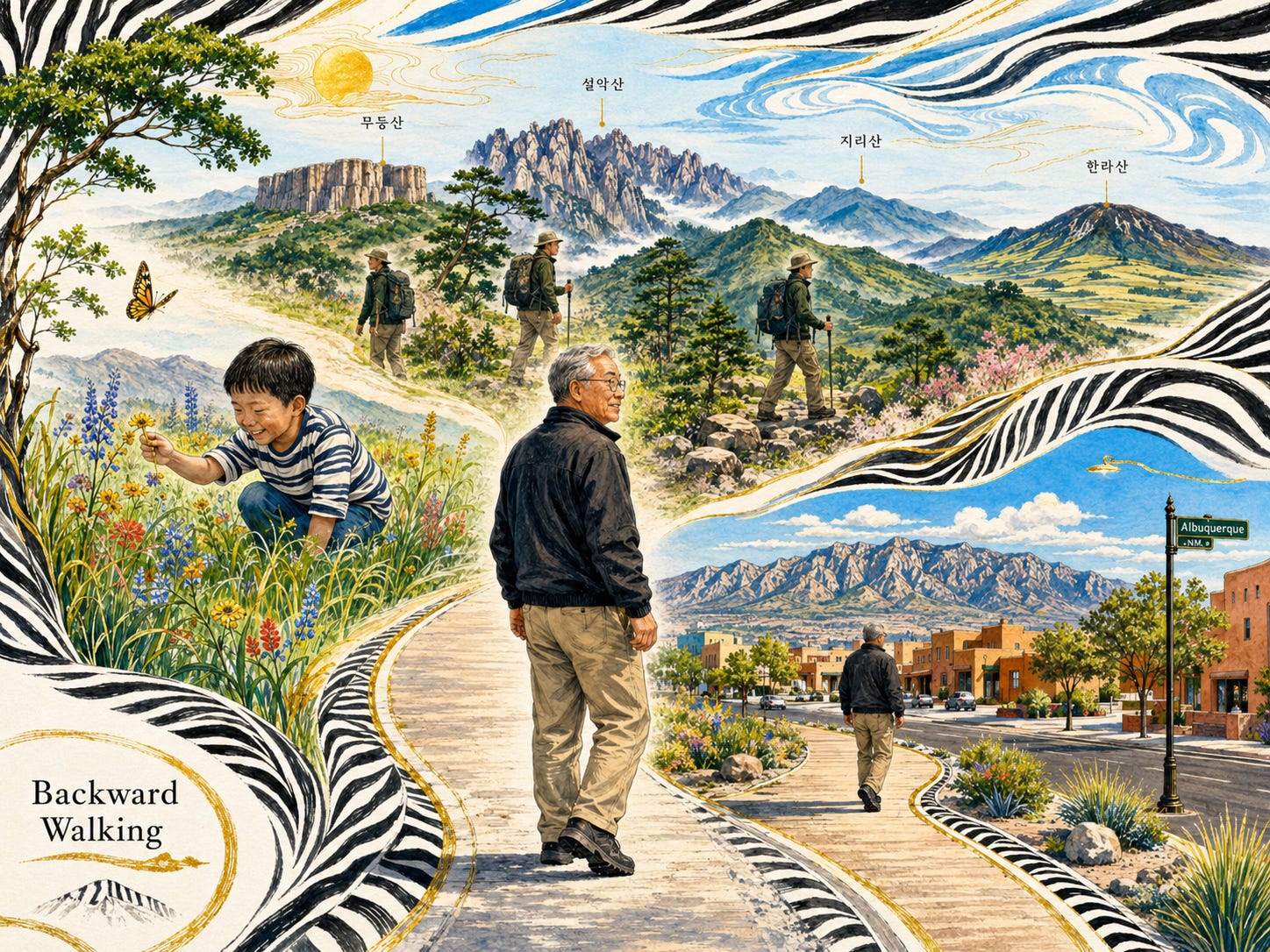
어느 사이 관행이 되어 산책 중에 잊지 않고 조금씩 뒤로 걷는다. 콘크리트 블록이 오래되어 울퉁불퉁한 보도나 사람이 많은 공원은 뒷걸음질 치기에 적당하지 않다. 누가 보면 이상하다고 하지 않을까, 뒤에 혹 뭐가 있을지 몰라 똑바로 서서 모든 감각을 동원하여 넘어지지 않도록 신경 써야 한다. 오후에 한적한 길에서의 뒷걸음질이 가장 마음 편하다.
뒷걸음질 치기는 근자에 들어 대중 매체를 통해 널리 알려지기 시작했다. 관심을 두는 사람들이 점차 많아지고 있다고 한다. 하기는 이미 오래 전부터 물리 치료사들이나 건강 관리사들은 뒷걸음질의 이점을 실제의 가치 이상으로 선전하면서 권유했다. 무거운 짐을 지고 긴 행군을 하면 엄지발가락에 물집이 생기는 것을 방지하려고 미국 육군에서는 오래 전부터 뒷걸음질도 치게 했다. 상상이 아니고 현실적으로 많은 이득을 볼 수 있는 운동이기 때문에 나도 잊지 않고 날마다 뒤로도 걸을 작정이다.
나이에 상관없이 누구나 할 수 있어서 뒷걸음질이 사람들의 인기를 끈다. 앞으로 걷는 것에 비해 많은 칼로리가 소모되면서도 몸에 미치는 영향은 적다. 여러 가지 근육이 신경계의 자극을 받아 서로 협조하여 행하는 몸의 협동 운동을 원활하게 만들어서 넘어질 위험도가 높은 노인들에게 특히 좋다.
근육을 골고루 사용하게 된다. 앞으로 걸을 때는 주로 발목을 사용하지만 발을 뒤로 떼어 놓으면서 걸으면 엉덩이와 무릎이 사용되어 무릎이나 허리에 가해지는 압력이 그만큼 줄어서 자잘한 통증이 예방된다. 발가락이 발뒤꿈치보다 먼저 땅바닥에 닿아 발의 힘이 강해진다. 복부, 아랫다리, 엉덩이, 허리 등의 근육을 움직이도록 만들어 넓적다리 앞면에 있는 대퇴 사두근도 강해진다.
상처를 입거나 병을 앓은 후 회복하는 데에 도움이 되어 전부터 임상 의학 및 재활 의학 분야에서 많이 이용했다. 무릎의 골관절염 환자에 적용한 연구에 의하면 뒷걸음질 치기 시작한 6주 후에 통증이 현저하게 줄어드는 것으로 나타났다. 걷기나 운동으로 발을 과도하게 사용하면 발바닥 근막에 염증이 발생하기 쉽다. 신발, 발의 구조, 길바닥의 형태에 따라서도 나타나는 근막 염증은 발뒤꿈치 통증을 초래하는데, 그것을 예방하는 효과도 인정되었다. 외상 또는 류머티즘 등의 원인으로 발생하는 요통증에도 효과를 나타낸다.
긴 시간 앉아 있으면 근육이 돌돌 말려 운동이 제한된다. 뒷걸음질은 근육의 긴장을 풀어주어 몸의 유연성과 동작폭이 는다. 근육으로 가는 혈류를 증가시켜서 신체 활동이 개선되어 부상을 입는 위험이 감소한다. 심폐 기능도 증강되어 몸이 산소를 더 많이 흡수한다.
공간에서 신체의 위치나 운동의 변화를 감지하는 평형 감각을 개선하여 균형 잡힌 몸매를 가질 수 있게 해준다. 뒤에 있는 것을 볼 수 없어 근육, 관절, 전정 기관에 의지하여 자세를 똑바로 세워야 하기 때문에 걸음새를 좋게 만든다. 물리 치료사들은 걷는 형태나 방식을 개선하는 데에 뒷걸음질을 응용한다.
통상의 걸음은 자동적 행위이어서 거의 무의식적으로 이루어지지만 뒷걸음질은 움직임에 끊임없이 주의를 기울이면서 정신을 차리게 한다. 동작을 낱낱이 깨닫게 하며 움직이는 도중에 자연스럽게 몸을 의식하게 만든다. 오로지 어느 한 가지 일에만 정신을 집중하면 정신의 수양에도 도움이 된다.
좋아서 시작한 운동도 오래 계속하다 보면 싫증 나게 마련이다. 권태감은 정신적인 압박감과 우울증을 유발할 수도 있다. 뒤로 걷기는 싫증 또는 게으름이 나는 느낌을 없어지게 해서 매일 하는 걷기를 지속하거나 정도를 높이는 데에 적용할 수 있는 좋은 방법이다. 아울러 생활에 필요한 실제적인 활동도 원활하게 된다.
Abouth the Author:
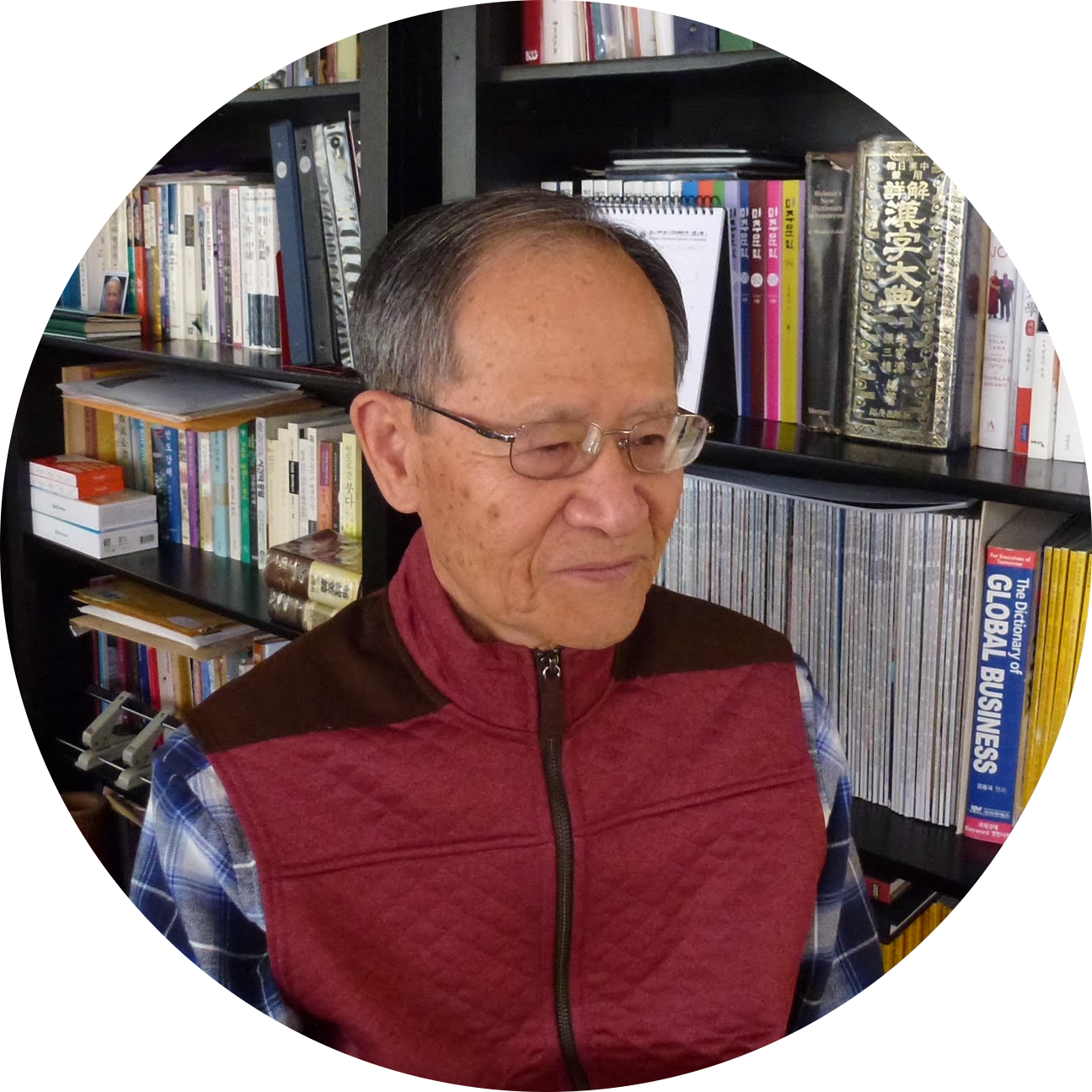
Dr. Chung Gil Lee is Professor Emeritus of Veterinary Medicine at Chonnam National University, where he served on the faculty until 2007. He holds an M.Sc. and Ph.D. from James Cook University, Australia, and began his career as an Interpreter Officer in the Korean Army. A graduate of Chonnam National University (1963), he is currently a member of the Korean Literature Society of America.
© K-Global Schoalrs and Professionals Forum. All rights reserved. Content published in the K-GSP Forum may not be reproduced, distributed, or transmitted in any form without prior written permission from the K-GSP Forum, except for brief quotations with full attribution.
유용한 정보의 글 감사드립니다.