
Book Review: 365 Days of Proverbs
Reflections on Faith, Love, and the Art of Living
Book Information
Title: 365 Days of Proverbs (365일의 잠언)
Author: St. Francis de Sales (1567–1622)
Translated by: Discalced Carmelite Sisters of Daejeon
Publisher: Catholic Publishing House
Place of Publication: Seoul, Republic of Korea
Edition: Revised Second Edition
Publication Year: 2020
Length: 212 pages
ISBN: 978-89-321-1748-5
Note: The English title above is a descriptive translation of the Korean title, not a verified official English edition title.
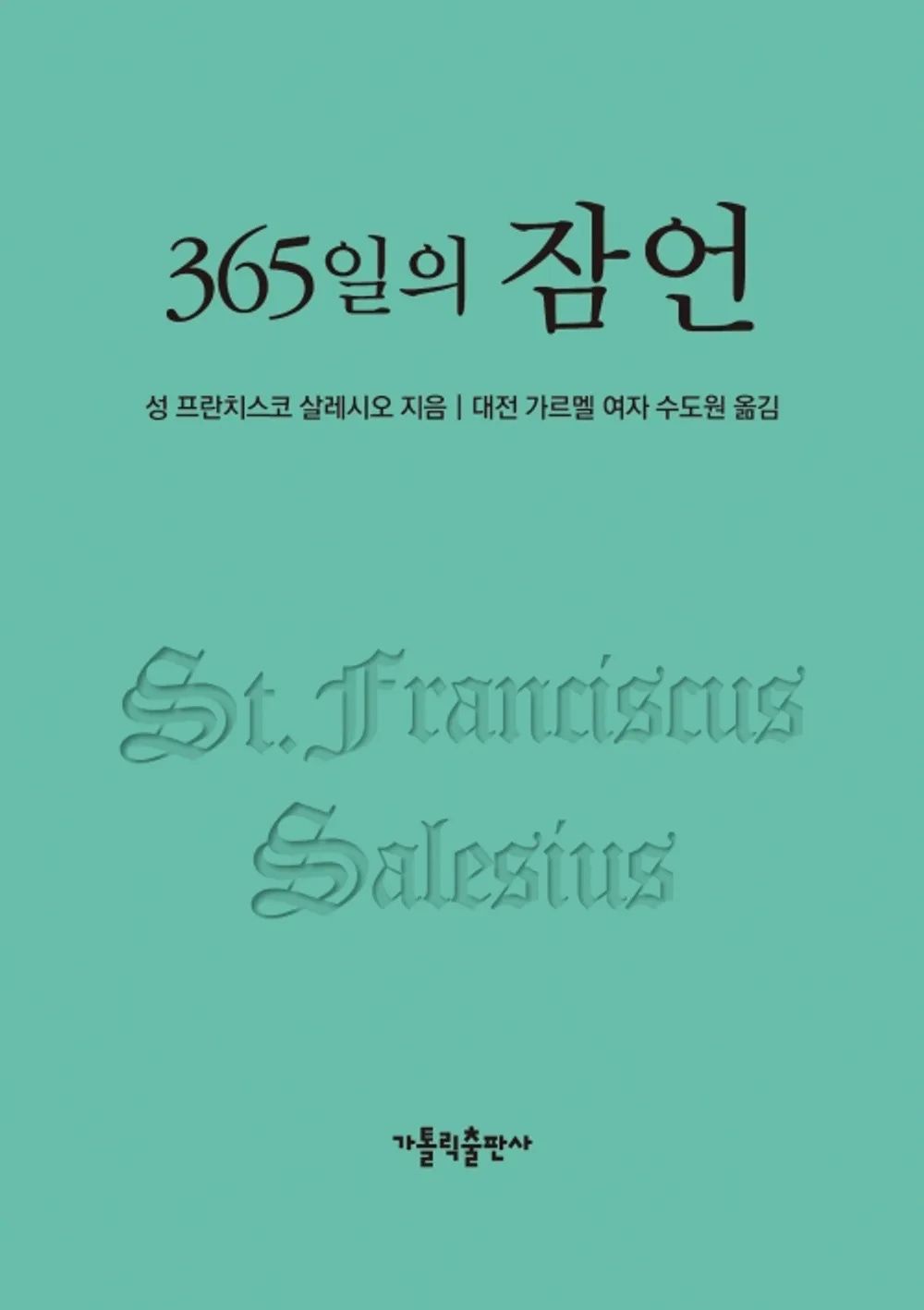
Image Credit: Catholic Publishing House, Korea
365 Days of Proverbs is a collection of spiritual reflections that invites readers to discover the meaning of a good life through everyday experiences. Written from the teachings of St. Francis de Sales, a respected seventeenth-century Catholic bishop and spiritual writer, the book offers 365 short reflections, one for each day of the year. Its central message is simple but powerful: a meaningful and spiritually rich life does not require extraordinary achievements or special circumstances. Instead, it grows through ordinary acts of love, kindness, patience, humility, and self-discipline. The book is therefore more than a collection of religious sayings. It is a practical guide to understanding ourselves, improving our relationships, and becoming better human beings.
St. Francis de Sales (1567–1622) holds a prominent place in the history of Christian spirituality. Born in the Duchy of Savoy, he later became the Bishop of Geneva and devoted much of his life to teaching people how to practice their faith in everyday situations. One of his most important contributions was his belief that a spiritual life should not be limited to priests, monks, or nuns. Ordinary people, including parents, teachers, business professionals, and workers, can pursue a life of holiness while fulfilling their daily responsibilities. His well-known book, Introduction to the Devout Life, explains how people can develop spiritual discipline while living and working in the ordinary world. This philosophy provides an important foundation for understanding the message of 365 Days of Proverbs.
One of the book’s greatest strengths is its emphasis on small, daily actions as the foundation of personal growth. Most people want to become wiser, kinder, and more successful. However, good intentions are often difficult to maintain when people face stress, disappointment, competition, and conflicts with others. St. Francis de Sales does not ignore these everyday struggles. Rather, his teachings encourage readers to recognize their weaknesses, reflect honestly on their behavior, and make gradual improvements. True growth, according to this approach, does not happen overnight. It develops through repeated efforts to think more carefully, speak kindly, and act more responsibly. This makes the book especially relevant to readers who are looking for practical guidance rather than abstract theories about how to live well.
Another important theme is the relationship between love, kindness, and human relationships. In the book’s spiritual perspective, love is much more than an emotion or a feeling of affection. It involves respecting other people, understanding their difficulties, and putting their well-being ahead of personal convenience when necessary. Similarly, gentleness should not be confused with weakness. It requires the inner strength to control anger, resist impulsive reactions, and treat others with respect even during disagreements. These lessons are particularly meaningful in a world where competition, individualism, and social conflicts often make it difficult for people to understand one another. A healthy relationship is not always built by winning an argument. Sometimes, it is built by listening carefully, showing patience, and choosing not to hurt another person.
Humility and self-reflection are also central to the book’s message. Modern society often measures success through wealth, professional position, public recognition, and material achievements. However, the spiritual philosophy of St. Francis de Sales encourages readers to look beyond these external measures. A person’s true worth is also reflected in the ability to recognize personal weaknesses, accept constructive criticism, and treat others with compassion. This perspective raises an important question about the modern idea of self-improvement. Is the purpose of personal development simply to become more successful than other people, or is it to become a wiser and more responsible person than we were yesterday? The book suggests that genuine growth comes not from comparing ourselves with others but from continuously improving our own character.
The book’s daily format is another practical advantage. Its 365 short reflections provide readers with a straightforward way to develop a regular habit of reading and thinking. Unlike academic books that require extended attention to follow complex arguments, this collection allows readers to focus on one idea at a time. A few minutes in the morning or before going to bed may be enough to consider a particular lesson and think about how it applies to daily life. The short format also makes the book suitable for people with busy schedules who may find it difficult to spend extended periods reading. Its greatest value, however, is not simply that readers can finish all 365 reflections in one year. It is that they can return to meaningful ideas whenever they need encouragement, guidance, or a moment of reflection.
The Korean translation by the Discalced Carmelite Sisters of Daejeon also deserves recognition. The Korean edition provides an opportunity for modern Korean readers to encounter the spiritual wisdom of St. Francis de Sales in an accessible form. Its revised presentation also reflects the continuing effort to make traditional spiritual teachings available to contemporary audiences.
Nevertheless, the book has some limitations that readers should keep in mind. First, the short-reflection format does not always provide enough background to explain the historical, theological, or philosophical context of each teaching. Readers who want to understand the deeper reasoning behind the author’s ideas may need to consult his longer works or other studies of Christian spirituality. Second, reading a meaningful sentence every day does not automatically lead to personal transformation. There is a significant difference between understanding a clever idea and putting it into practice. Without personal reflection and consistent action, even the wisest advice can become just another sentence that is quickly forgotten.
Because the book approaches human development primarily from a Catholic Christian perspective, readers from other religious or philosophical traditions may not agree with every theological assumption or expression. Nevertheless, many of its central values—including kindness, patience, humility, self-control, and respect for others—have meaning beyond religious boundaries. These are qualities that contribute to healthy families, responsible leadership, productive workplaces, and peaceful communities. Consequently, the book can serve Catholic readers as a guide to daily spiritual practice while offering non-Catholic readers an opportunity to reflect on universal questions about human character and ethical living.
Interestingly, the book’s message has renewed significance in the age of artificial intelligence. Today’s AI systems can collect enormous amounts of information, analyze complex problems, answer questions, and generate essays, reports, and creative works in seconds. Yet having access to more information does not necessarily make people wiser. Information can help us understand what is happening, but wisdom requires us to consider what is right, what is fair, and how our decisions affect other people. Technology can provide suggestions and possibilities, but human beings remain responsible for making ethical decisions and accepting the consequences of their actions.
The teachings of St. Francis de Sales remain relevant in today’s technology-driven world. As artificial intelligence becomes part of everyday life, values such as humility, compassion, patience, and self-discipline become increasingly important. Technical knowledge does not necessarily make a person wise, just as having information does not automatically lead to good judgment. Although 365 Days of Proverbs does not directly discuss artificial intelligence, its message about personal growth and moral responsibility raises an important question: How can human beings remain humane in an increasingly automated world?
Readers can benefit more from the book by applying each daily lesson to their lives. They can ask themselves three simple questions: What have I learned today? How can I use this lesson in my relationships with others? Did I practice what I learned? These questions help turn daily reading into meaningful action. The book’s value lies not in how many pages readers finish but in how its lessons change their thoughts and actions.
The book may be particularly helpful to students who are developing their personal values, professionals who face the pressures of competition and responsibility, and individuals seeking greater meaning in their daily lives. For religious readers, it offers a useful companion for prayer and meditation. For general readers, it provides an opportunity to pause, reconsider personal priorities, and reflect on the kind of person they wish to become.
Overall, 365 Days of Proverbs is a valuable collection of spiritual wisdom that connects the teachings of St. Francis de Sales with the challenges of everyday life. Its central message is that becoming a better person is a lifelong journey built through small, daily acts of kindness, patience, humility, and understanding. The book encourages readers not simply to gain knowledge but to put good values into practice and treat others with compassion. Rather than reading it once and setting it aside, readers can return to its daily reflections throughout their lives. In a world of constant change, its timeless message reminds us of that wisdom, after all, is not measured by how much we know, but by how well we live what we know.
『365일의 잠언』 서평
신앙과 사랑, 그리고 삶의 지혜에 관한 성찰
도서 정보
도서명: 『365일의 잠언』 (365 Days of Proverbs)
저자: 성 프란치스코 살레시오(St. Francis de Sales, 1567–1622)
번역: 대전 가르멜 여자 수도원
출판사: 가톨릭출판사
출판지: 대한민국 서울
판본: 개정 2판
출판연도: 2020년
분량: 212쪽
ISBN: 978-89-321-1748-5
『365일의 잠언』은 일상생활 속에서 좋은 삶의 의미를 발견하도록 이끄는 영성 묵상집이다. 17세기의 존경받는 가톨릭 주교이자 영성 작가인 성 프란치스코 살레시오의 가르침을 바탕으로, 이 책은 1년 365일 동안 매일 읽을 수 있는 짧은 묵상 글을 담고 있다. 이 책의 핵심 메시지는 단순하지만 깊은 의미를 지닌다. 의미 있고 풍요로운 삶을 살아가기 위해 반드시 특별한 업적을 이루거나 특별한 환경에 놓일 필요는 없다. 오히려 사랑과 친절, 인내와 겸손, 자기 절제와 같은 일상적인 행동을 통해 더욱 성숙한 삶을 만들어 갈 수 있다. 따라서 이 책은 단순한 종교적 격언의 모음집이 아니라 자신을 이해하고, 인간관계를 개선하며, 더 나은 사람이 되도록 돕는 실천적인 안내서이다.
성 프란치스코 살레시오(1567–1622)는 기독교 영성의 역사에서 중요한 위치를 차지하는 인물이다. 사보이 공국에서 태어난 그는 훗날 제네바의 주교가 되었으며, 사람들이 일상생활 속에서 신앙을 실천하는 방법을 가르치는 데 평생을 바쳤다. 그의 중요한 가르침 중 하나는 영적인 삶이 사제나 수도자에게만 국한되어서는 안 된다는 것이었다. 부모와 교사, 직장인과 사업가를 비롯한 평범한 사람들도 자신의 일상적인 책임을 다하면서 거룩한 삶을 추구할 수 있다고 보았다. 그의 대표작인 『신심생활입문』은 평범한 세상에서 생활하고 일하면서도 영적인 수양을 쌓는 방법을 설명한다. 이러한 철학은 『365일의 잠언』이 전하는 메시지를 이해하는 중요한 바탕이 된다.
이 책의 가장 큰 장점 중 하나는 개인의 성장에 있어 매일의 작은 행동이 얼마나 중요한지를 강조한다는 점이다. 대부분의 사람은 더 지혜롭고 친절하며 성공적인 사람이 되기를 바란다. 그러나 스트레스와 실망, 경쟁, 다른 사람들과의 갈등을 겪다 보면 좋은 결심을 꾸준히 실천하기가 쉽지 않다. 성 프란치스코 살레시오는 이러한 일상의 어려움을 외면하지 않는다. 오히려 자신의 약점을 인정하고, 자신의 행동을 솔직하게 돌아보며, 조금씩 개선해 나가도록 권한다. 이러한 관점에서 진정한 성장은 하루아침에 이루어지지 않는다. 신중하게 생각하고, 친절하게 말하며, 책임감 있게 행동하려는 노력이 반복될 때 비로소 이루어진다. 따라서 이 책은 좋은 삶에 관한 추상적인 이론보다 실질적인 지침을 원하는 독자들에게 특히 의미가 있다.
또 다른 중요한 주제는 사랑과 친절, 그리고 인간관계의 중요성이다. 이 책에서 말하는 사랑은 단순한 감정이나 호감 이상의 의미를 지닌다. 다른 사람을 존중하고, 그들의 어려움을 이해하며, 필요한 경우 자신의 편의보다 상대방의 행복을 먼저 생각하는 태도를 의미한다. 마찬가지로 온유함은 나약함과 혼동해서는 안 된다. 온유함은 분노를 다스리고, 충동적인 반응을 억제하며, 의견이 서로 다를 때에도 상대방을 존중할 수 있는 내적인 힘을 요구한다. 경쟁과 개인주의, 사회적 갈등으로 인해 서로를 이해하기 어려운 오늘날 이러한 가르침은 더욱 큰 의미를 지닌다. 건강한 인간관계가 언제나 논쟁에서 이기는 것으로 만들어지는 것은 아니다. 때로는 상대방의 말을 주의 깊게 듣고, 인내심을 보이며, 다른 사람에게 상처를 주지 않으려는 태도에서 형성된다.
겸손과 자기성찰 역시 이 책의 핵심 메시지이다. 현대사회는 흔히 부와 직업적 지위, 사회적 인정과 물질적 성취를 통해 성공을 평가한다. 그러나 성 프란치스코 살레시오의 영성 철학은 이러한 외적인 기준을 넘어 자신을 돌아보도록 권한다. 인간의 진정한 가치는 자신의 약점을 인정하고, 건설적인 비판을 받아들이며, 다른 사람을 따뜻하게 대하는 능력에서도 드러난다. 이러한 관점은 현대적인 자기계발의 의미에 관해 중요한 질문을 던진다. 자기계발의 목적은 단순히 다른 사람보다 더 성공하는 것인가, 아니면 어제보다 더 지혜롭고 책임감 있는 사람이 되는 것인가? 이 책은 진정한 성장이 다른 사람과 자신을 비교하는 데서 오는 것이 아니라 자신의 인격을 꾸준히 발전시키는 데서 비롯된다고 말한다.
매일 읽을 수 있도록 구성된 형식도 이 책의 실용적인 장점이다. 365개의 짧은 묵상은 독자들이 규칙적인 독서와 사색의 습관을 형성하도록 돕는다. 복잡한 논리를 이해하기 위해 오랜 집중이 필요한 학술서와 달리, 이 책은 한 번에 하나의 주제에 집중할 수 있도록 한다. 아침에 일어나서 또는 잠자리에 들기 전에 몇 분 동안 한 가지 가르침을 읽고 그것이 자신의 일상에 어떤 의미가 있는지 생각해 보는 것만으로도 충분하다. 이러한 간결한 구성은 바쁜 일상 때문에 오랫동안 독서할 시간을 내기 어려운 사람들에게도 적합하다. 그러나 이 책의 가장 큰 가치는 단순히 1년 동안 365개의 묵상을 모두 읽는 데 있지 않다. 격려와 지침, 또는 잠시 자신을 돌아볼 시간이 필요할 때마다 의미 있는 가르침을 다시 읽을 수 있다는 데 있다.
대전 가르멜 여자 수도원이 담당한 한국어 번역도 주목할 만하다. 한국어판은 현대 한국 독자들이 성 프란치스코 살레시오의 영성적 지혜를 쉽게 접할 수 있는 기회를 제공한다. 개정판의 구성 역시 전통적인 영성의 가르침을 현대 독자들에게 계속 전달하려는 노력을 보여 준다.
그러나 독자들이 고려해야 할 몇 가지 한계도 있다. 첫째, 짧은 묵상 형식만으로는 각 가르침의 역사적·신학적·철학적 배경을 충분히 설명하기 어렵다. 저자의 사상을 더욱 깊이 이해하고자 하는 독자는 그의 다른 저서나 기독교 영성에 관한 연구 자료를 함께 참고할 필요가 있다. 둘째, 매일 의미 있는 문장을 읽는다고 해서 저절로 인격적인 변화가 이루어지는 것은 아니다. 좋은 생각을 이해하는 것과 실제 생활에서 실천하는 것 사이에는 상당한 차이가 있다. 스스로를 돌아보고 꾸준히 행동으로 옮기지 않는다면 아무리 지혜로운 가르침도 금방 잊히는 또 하나의 문장에 불과할 수 있다.
이 책은 주로 가톨릭 기독교의 관점에서 인간의 성장과 발전을 다루기 때문에 다른 종교적 또는 철학적 전통을 가진 독자들은 일부 신학적 전제나 표현에 동의하지 않을 수도 있다. 그러나 친절과 인내, 겸손과 자기 절제, 타인에 대한 존중과 같은 핵심 가치는 종교의 경계를 넘어 보편적인 의미를 지닌다. 이러한 덕목은 건강한 가정과 책임감 있는 지도력, 생산적인 직장, 평화로운 공동체를 만드는 데 기여한다. 따라서 이 책은 가톨릭 신자들에게는 매일의 신앙생활을 위한 안내서가 될 수 있으며, 비가톨릭 독자들에게도 인간의 인격과 윤리적인 삶에 관한 보편적인 질문을 생각해 볼 기회를 제공한다.
흥미롭게도 이 책의 메시지는 인공지능 시대에도 새로운 의미를 지닌다. 오늘날 인공지능은 방대한 정보를 수집하고, 복잡한 문제를 분석하며, 질문에 답하고, 몇 초 만에 글과 보고서, 창작물을 만들어 낼 수 있다. 그러나 더 많은 정보에 접근할 수 있다고 해서 반드시 더 지혜로운 사람이 되는 것은 아니다. 정보는 우리에게 무슨 일이 일어나고 있는지 이해하도록 도와주지만, 지혜는 무엇이 옳고 공정한지, 그리고 우리의 결정이 다른 사람에게 어떤 영향을 미치는지 생각하도록 요구한다. 기술은 다양한 선택과 가능성을 제공할 수 있지만, 윤리적인 결정을 내리고 그 결과에 책임을 지는 것은 여전히 인간의 몫이다.
성 프란치스코 살레시오의 가르침은 오늘날 기술 중심 사회에서도 여전히 유효하다. 인공지능이 일상생활의 일부가 될수록 겸손과 연민, 인내와 자기 절제 같은 가치가 더욱 중요해진다. 기술적 지식이 많다고 반드시 지혜로운 사람이 되는 것은 아니며, 많은 정보를 가지고 있다고 해서 자동으로 올바른 판단을 내릴 수 있는 것도 아니다. 『365일의 잠언』은 인공지능을 직접 다루는 책은 아니지만, 개인의 성장과 도덕적 책임에 관한 메시지를 통해 중요한 질문을 던진다. 자동화가 점점 확대되는 세상에서 인간은 어떻게 인간다움을 지켜 나갈 수 있을까?
독자들은 매일의 가르침을 자신의 생활에 적용함으로써 이 책에서 더 많은 것을 얻을 수 있다. 다음과 같은 세 가지 간단한 질문을 스스로에게 던져 볼 수 있다. 오늘 무엇을 배웠는가? 이 가르침을 다른 사람들과의 관계에서 어떻게 활용할 수 있을까? 오늘 배운 내용을 실제로 실천했는가? 이러한 질문은 매일의 독서를 의미 있는 행동으로 연결해 준다. 이 책의 가치는 독자가 몇 쪽을 읽었는가가 아니라, 그 가르침이 독자의 생각과 행동을 얼마나 변화시켰는가에 달려 있다.
이 책은 자신의 가치관을 형성해 가는 학생들, 경쟁과 책임의 압박을 경험하는 직장인들, 그리고 일상에서 더 깊은 의미를 찾고자 하는 사람들에게 특히 유익할 수 있다. 신앙을 가진 독자들에게는 기도와 묵상을 위한 좋은 동반자가 될 수 있다. 일반 독자들에게는 잠시 멈추어 자신의 삶을 돌아보고, 무엇을 중요하게 생각하며 어떤 사람이 되고 싶은지 성찰할 기회를 제공한다.
종합하면, 『365일의 잠언』은 성 프란치스코 살레시오의 가르침을 현대인의 일상적인 삶의 문제와 연결해 주는 가치 있는 영성 지혜의 모음집이다. 이 책의 핵심 메시지는 더 나은 사람이 되는 일이 친절과 인내, 겸손과 이해를 실천하는 작은 일들이 쌓여 이루어지는 평생의 여정이라는 것이다. 이 책은 독자들에게 단순히 지식을 얻는 데 그치지 말고, 좋은 가치를 실천하며 다른 사람을 따뜻하게 대하도록 권한다. 한 번 읽고 책장에 꽂아 두기보다는 평생에 걸쳐 매일의 묵상을 다시 읽어 볼 만하다. 끊임없이 변화하는 세상에서 이 책의 변함없는 메시지는 지혜란 결국 얼마나 많은 것을 알고 있는가가 아니라, 알고 있는 것을 얼마나 잘 실천하며 살아가는가에 달려 있다는 사실을 일깨워 준다.
About the Author

Prof. Dr. Young Choi (Editor-in-Chief) — Regent University
Full list of his K-GSP columns
Full list of his Books at Amazon.com
Young B. Choi is a Professor in the Department of Engineering & Computer Science at Regent University. He published 38 books with ‘Selected Readings in Cybersecurity’ (2018) (about 800 copies archived globally at university/college libraries around the world) and ‘Cybersecurity Applications and Artificial Intelligence’ (2023) available in seven major world languages. He proposed the world’s first global and universal telecommunications “Service Order Handling (SOH)” Model (T-SOH Model) (1995) with Dr. Adrian Tang. With this innovative research work, he received the IEEE NOMS ’96 Best Paper Award and became the first recipient of the Outstanding Contribution Award of the TeleManagement Forum in 1998. His research areas include Natural Language Processing-focused AI, AI-applied cybersecurity, network and telecom service management, and Korean studies on Gani Choi Rip’s Jeonggwan (靜觀: Quiet Contemplation) philosophy and Shilhak ( 實學: Practical Learning).
Suggested Citation
Choi, Y. B. (2026). 365 Days of Wisdom: Reflections on Faith, Love, and the Art of Living. K-GSP Forum.
© K-Global Scholars and Professionals Forum. All rights reserved. 2026. Content published in the K-GSP Forum may not be reproduced, distributed, or transmitted in any form without prior written permission from the K-GSP Forum, except for brief quotations with full attribution.