
Dr. Michael F. Roizen, a pioneer of lifestyle medicine and a bestselling author, co-authored a book titled 『 The Great Age Reboot 』 with two economists. It was published by National Geographic in 2020 in response to a rapidly changing environment, and the title implied that an individual’s way of behaving must be fundamentally changed. The fourth industrial revolution, pandemic, and extreme climate change etc. challenge humanities. To solve it, social, structural, and psychological models must be fundamentally restructured for direction and reset.
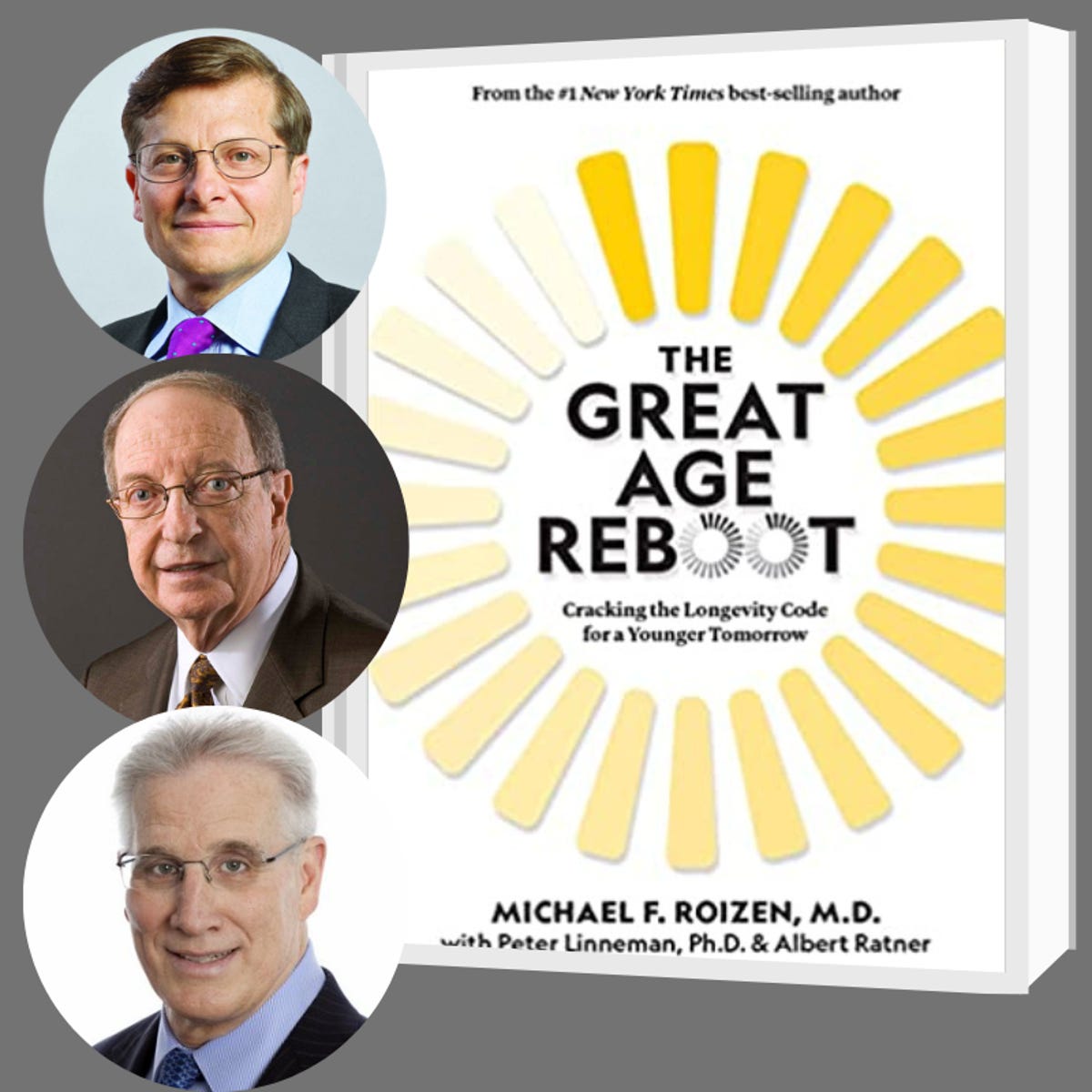
Photo source: “The Great Age Reboot: Cracking the Longevity Code for a Younger Tomorrow”, https://www.clevelandjewishnews.com/the-great-age-reboot-cracking-the-longevity-code-for-a-younger-tomorrow/article_e2f1b40c-3aa0-11ed-9ce9-6bb868257c68.html
The company’s management methods of conventional customs and institutions must be changed all at once and established something new and workable. For the people who are tired of everyday life, it is a necessity to change life and the way of thinking through reflection and meditation by using failure as a stepping stone for advancement. Booting is an action of turning an electronic device off and then back on for resolving errors or updating the system. A reboot signifies constant change and adaptation as an opportunity for a new leap forward.
The authors of the book decided on the title after observing that rapid progress in the fields of health and medicine is beginning to show signs of drastically changing society by extending lifespans and enabling people to live healthy younger lives. They were sure of a fantastic future ahead for human beings. If we choose healthy lifestyles, we can self-engineer genetic changes to prevent diseases and boost longevity.
Science has achieved great success in extending human lifespan. As a result, human life expectancy increased significantly, but the price of it had to be paid dearly. Aging became a major cause of almost all serious diseases and chronic degenerative diseases. The occurrence of cancer, heart disease, Alzheimer’s disease, diabetes, arthritis, and lung disease increased surprisingly.
There are many people who live longer but actually spend a significant portion of their lives suffering from chronic diseases that interfere with their daily lives.
It is important to live long without disease or disabilities, and the concept of health span was established about 30 years ago. The idea continues to attract the attention of clinicians and patients.
Research in the field of medicine, which was primarily focused on alleviating or treating diseases, has come to focus on slowing down, reversing, or altering of the aging. While elucidating the complex processes, they began to develop drugs that help delay or prevent it. Research is also underway on compounds that selectively degrade aged cells only. It gives hope that it can restore physical functions and help regain youth of elderly people.
Research has also been conducted targeting behaviors that can actually be adopted in daily life to increase healthy lifespan. The results of such research show without exception that one can live a healthy life with an increased health span. Studies on the expression of genetic traits have confirmed that changing one’s lifestyle affects the activation, cessation, or suppression of gene function.
Increasing physical exercise, managing stress, and changing your diet suppress genes associated with the production of proteins necessary for prostate cancer cell proliferation and activate genes that produce proteins to eliminate cancer cells. The same phenomenon has been observed in several other cancers, It played the role of turning on the switch for genes that fight cancer and turning off the switch for genes that promote the development of cancer.
All research results clearly show that humans have the ability to change how their bodies function and react. It has been proven that by the age of 60, 75 percent of health outcomes are determined by lifestyle choices. Managing basic lifestyle restores immune function that has been reduced due to age or any other cause, thereby strengthening the body’s defenses. Since you need to not only maintain your health but also possess the strength to recover if you happen to lose it, you must start using proven methods before you get old to achieve proper results.

Rebooting one’s age allows one to enjoy a young and healthy life. It is also helpful for the wellbeing of family. In addition to maintaining close social ties, we need to quit smoking and drinking, exercise regularly, eat mainly fruits and vegetables, and sleep 7 or 8 hours a day. It lays a strong foundation for health. It is an era where wearable health data management is applied to building an optimized body. Anyone can do it if they set their mind to do it.
You should pay attention to several signs that guide you on the path to extending your life by maintaining good health. Maintain normal levels of blood pressure (120/80), body mass index (BMI 27), cholesterol (LDL 70 mg /dL), blood sugar (106 mg/dL). Reduce the nicotine content in urine to zero, and establish and implement a stress management plan. On top of it, see primary care physician every year and get vaccinated at appropriate times. The ‘6+2’ is called barometer for health success.
As Korea enters an aging society, the government has been trying to implement health management program. With the banner ‘We can’t stop aging, but let’s prevent frailty’, the program was put into effect in early 2026. Disease prevention and control agency is now achieving a success in delaying the deaths and admission to nursing homes of the elderly, by placing emphasis on nutritional intake, muscle strength, and fall prevention.
Original version in Korean language

About the Author
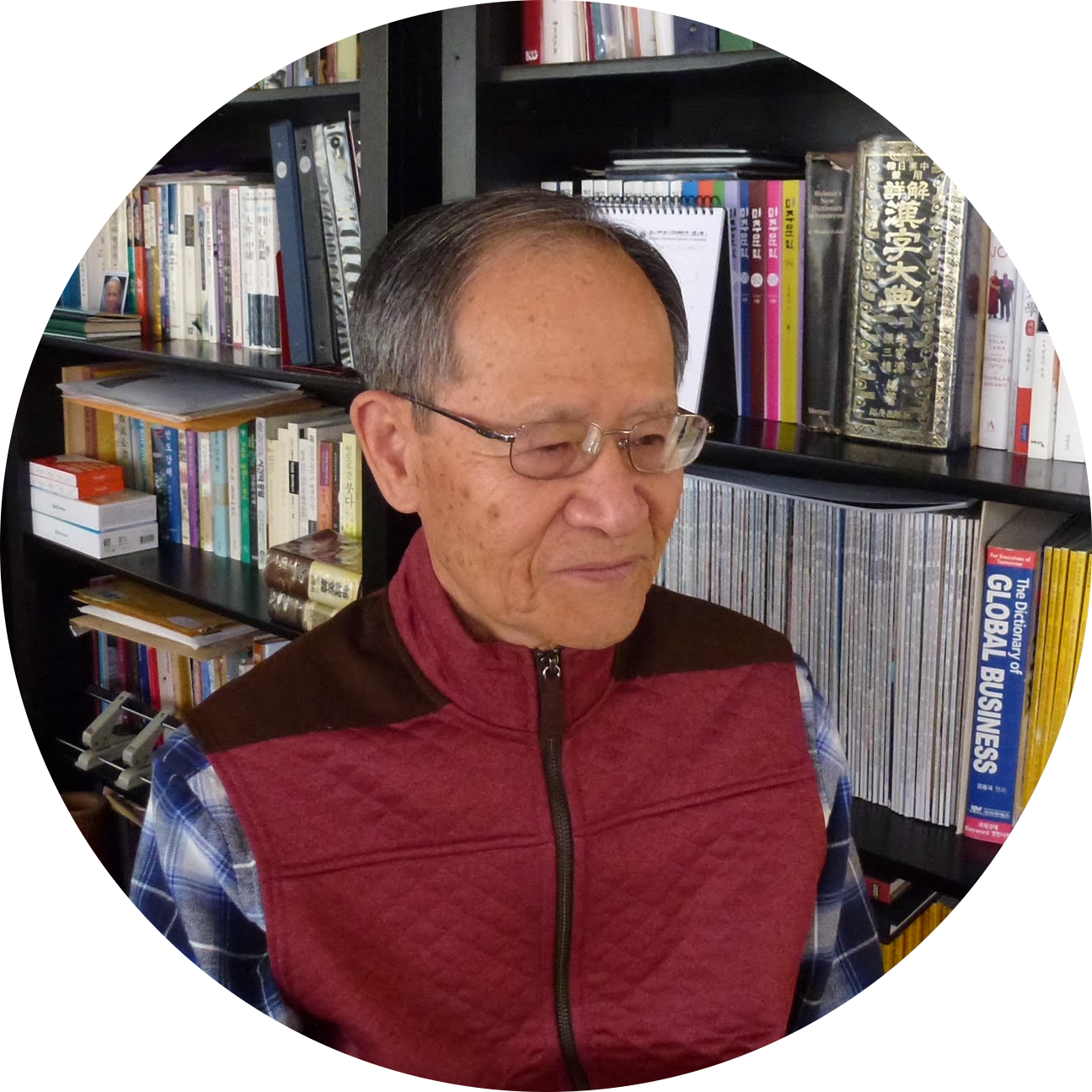
Dr. Chung Gil Lee is Professor Emeritus of Veterinary Medicine at Chonnam National University, where he served on the faculty until 2007. He holds an M.Sc. and Ph.D. from James Cook University, Australia, and began his career as an Interpreter Officer in the Korean Army. A graduate of Chonnam National University (1963), he is currently a member of the Korean Literature Society of America.