

Clouds form when moisture in the air condenses below the dew point, producing tiny water droplets or ice particles suspended alongside soot and dust. Because their shape and condition signal shifts in atmospheric pressure, clouds have long served as nature’s own weather forecast. Meteorologists classify them by height, shape, and potential for precipitation — broadly into high, middle, and low categories, then further subdivided by shape at each altitude, yielding ten distinct types. Among them, the dark, formless nimbostratus blanketing the entire sky and the low-lying cumulonimbus rising above mountain ridges are the most reliable harbingers of rain or snow.
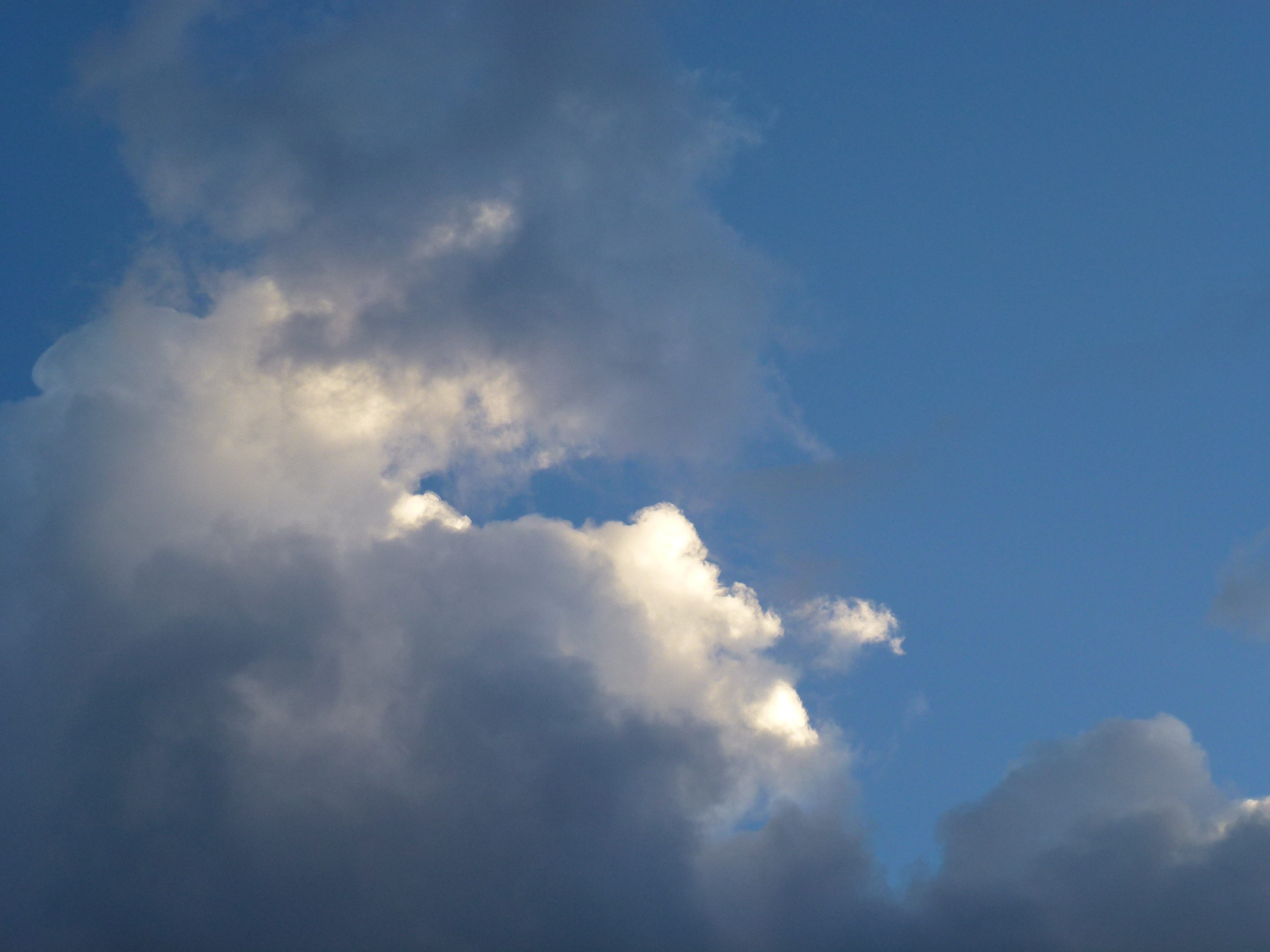
Clouds appear in an astonishing range of forms — cumulus mounds, scaly patches, shell-like curves, thin veils, feathered wisps, fog banks, drifting flocks, white awnings, scrolling ribbons, and horizontal bands. Yet they belong to none of these shapes permanently, shifting and dissolving freely in the upper atmosphere. In early December 2025, a narrow but powerful band of clouds formed over the Korean Peninsula, bringing heavy snowfall and widespread hardship. Researchers attributed it to rising sea surface temperatures driven by climate change — a reminder that what drifts overhead is never entirely separate from what happens below.
Clouds have been recognized since ancient times as symbols of freedom and ease. They appear across literary works, proverbs, and riddles in cultures around the world. Among these expressions, I am especially fond of the Chinese idiom floating clouds and flowing water, which describes a way of living that is spontaneous, graceful, and unconstrained — like clouds drifting without destination or water running without resistance. The phrase also describes an effortless, fluid quality in calligraphy, poetry, or dance, evoking ease and perpetual change.
Unlike a stream, which must be sought out, clouds are always available to anyone who raises their eyes. Perhaps that is why they have become such a natural vehicle for metaphor. People gather in a square like clouds. Promises dissolve like the sound of catching clouds. Wealth and honor pass like fleeting clouds. War clouds begin to gather on the horizon.
Korean carries some of the most vivid cloud language I know. Maeji cloud describes dark, rain-heavy clouds poised to release their weight — the word itself seems to capture the moment tiny droplets converge into something ready to fall. Satgat cloud refers to clouds that encircle a mountain peak like a conical bamboo rain hat, snug and perfectly fitted. Korean proverbs, too, hold clouds close: Where the dragon goes, the clouds follow and Where the wind goes, the clouds follow both describe relationships so intertwined they cannot be parted. And Where the clouds go, it rains suggests the inevitability of consequence — when one thing moves, another always follows.
In Buddhism, clouds offer a metaphor for existence itself. Life is the rising of a cloud; death is its disappearance — neither permanent, neither tragic. The word oonsoo, meaning clouds and water, refers to novice monks who wander freely, unattached to place or possession, moving through the world as naturally as clouds cross the sky.
English, too, reaches for clouds when ordinary language falls short. A cloud crosses a person’s face. One drifts in the clouds, or floats on a cloud, or labors under a cloud. Night itself arrives under the cloud of darkness. Clouds can obscure a good reputation, or describe the coordinated motion of living things — a cloud of locusts blotting out the sun, clouds of fish turning in unison beneath the surface, a cloud of angels filling the upper air.
The proverb every cloud has a silver lining traces its roots to the Old Testament, in the account of Elijah’s drought-ending prayer in 1 Kings 18. It carries the same consolation it always has: out of trouble, there is also joy; every dark passage has a luminous edge. I have glimpsed that silver lining more than once, peering through an airplane window on a grey afternoon, watching the light catch the rim of a cloud from above.
We live in an age that frightens people. Authoritarian systems are rising. Rights that all people should enjoy are being quietly eroded. Climate-driven disasters arrive with increasing frequency and force. None of this can be set aside as someone else’s concern. In times like these, the regulation of our inner lives — fear, anger, sorrow — may be among the most important work we do. Emotional regulation does not mean suppression. It means transforming fear into courage, anger into justice, sorrow into solidarity. It means facing a crisis without losing ourselves inside it. These days, I find myself looking up more often.
Original Document (in Korean)

About the Author
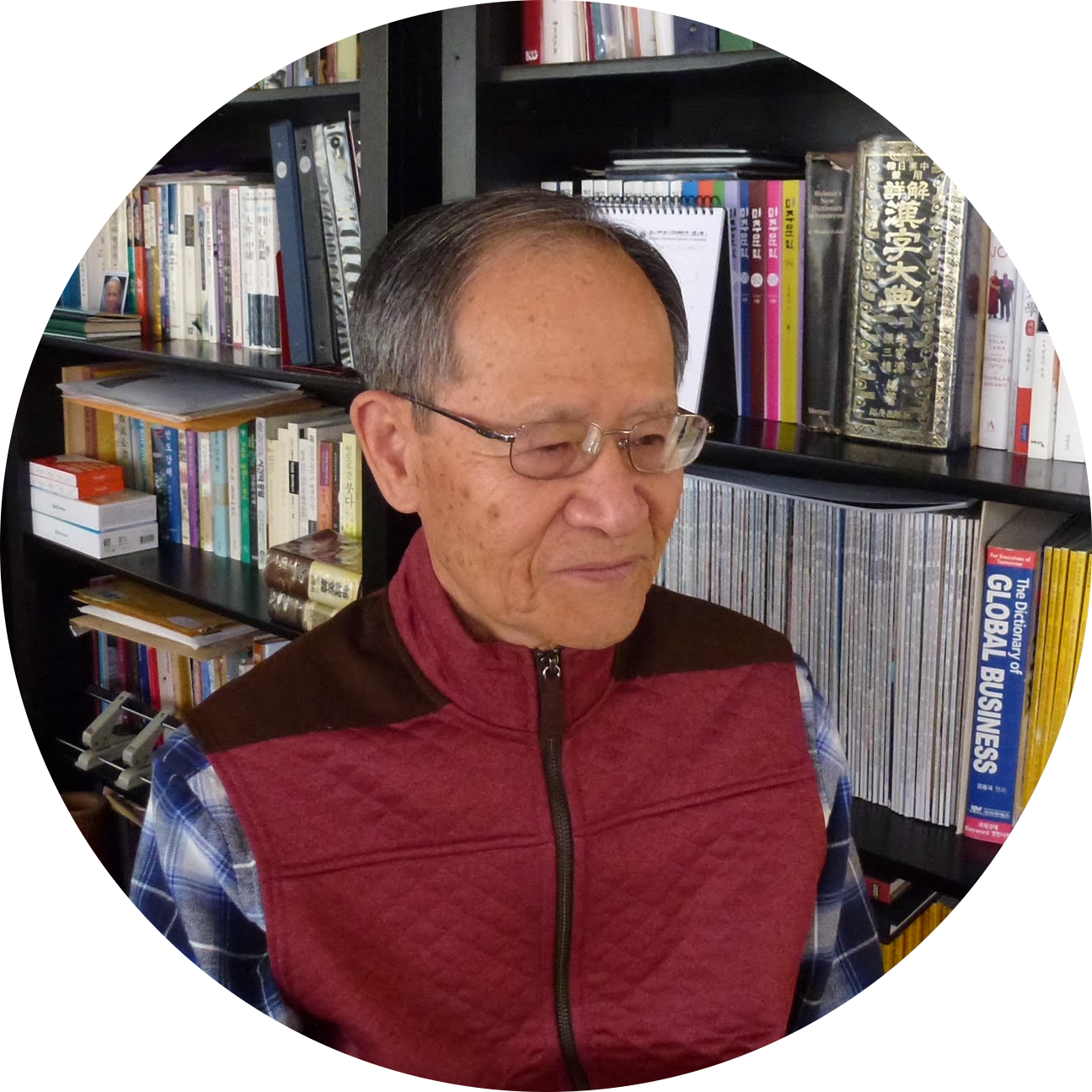
Dr. Chung Gil Lee is Professor Emeritus of Veterinary Medicine at Chonnam National University, where he served on the faculty until 2007. He holds an M.Sc. and Ph.D. from James Cook University, Australia, and began his career as an Interpreter Officer in the Korean Army. A graduate of Chonnam National University (1963), he is currently a member of the Korean Literature Society of America.