
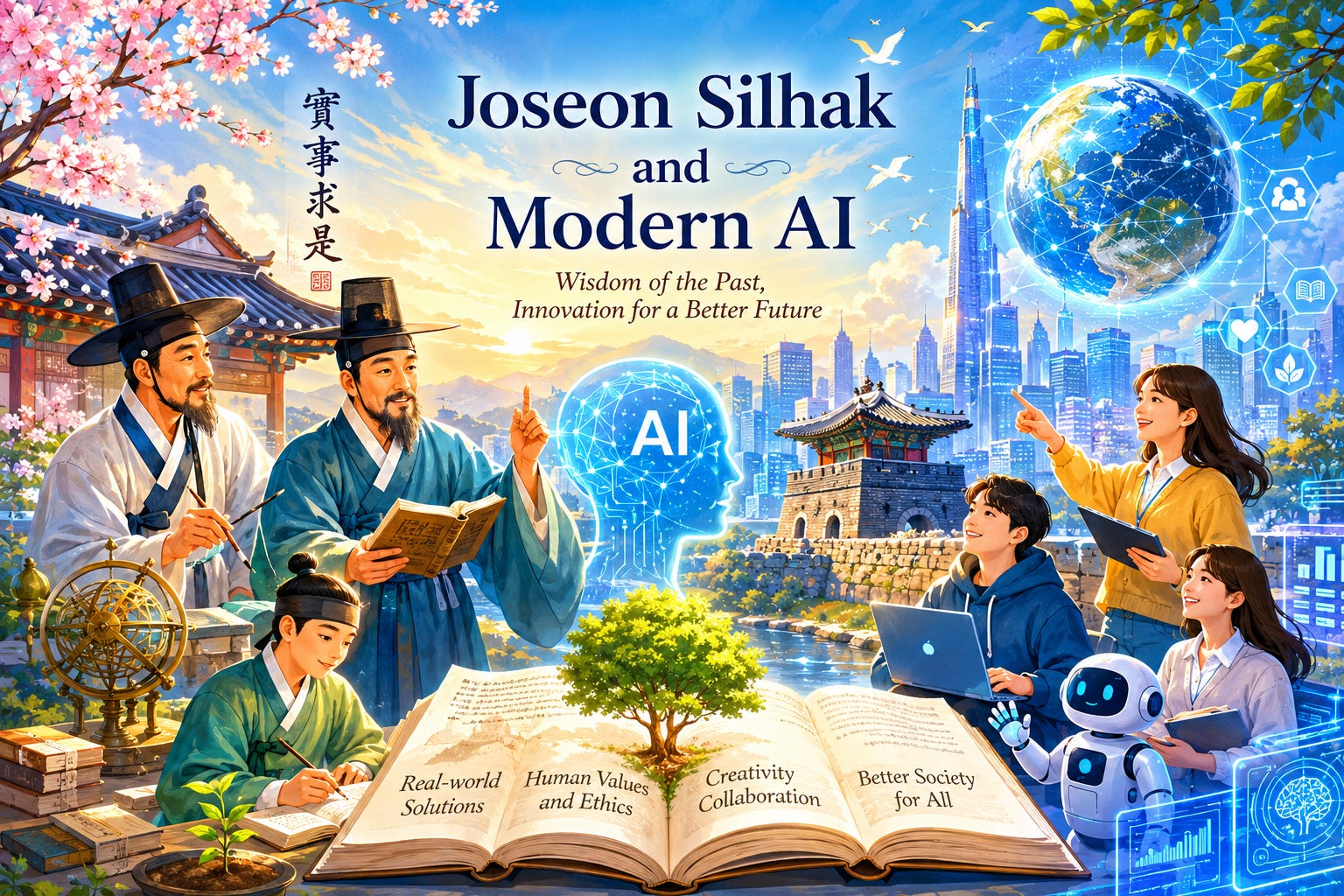
Today, artificial intelligence (AI) is reshaping nearly every area of human society, including industry, education, national defense, medicine, art, and finance. Built upon vast amounts of data and sophisticated algorithms, AI has expanded beyond assisting human labor into the realms of judgment and creativity. Yet paradoxically, the more advanced technology becomes, the more important human values and ethical standards grow. At this moment in history, we must not merely focus on cutting-edge technologies; we must also revisit philosophical traditions that help us understand humanity and society more deeply.
Interestingly, the Joseon Dynasty’s Silhak (Practical Learning) movement addressed concerns remarkably similar to those of today’s AI era. Silhak scholars emphasized solving real-world problems rather than engaging in empty theoretical debates. They pursued practical knowledge and technologies that could improve the lives of ordinary people. In this sense, Silhak shares important philosophical parallels with modern AI, which also seeks data-driven solutions and greater efficiency in human life. At the same time, however, Silhak placed greater emphasis on moral responsibility and the well-being of society than on technology itself. Thus, Joseon Silhak can serve as an important philosophical compass for humanity in the age of AI.
Silhak Was a Discipline for Solving Real Problems
Joseon Silhak scholars criticized abstract and impractical philosophy. They sought solutions to concrete societal issues such as poverty, famine, corruption, national defense, agriculture, and commerce. Thinkers such as Yu Hyeong-won, Yi Ik, Park Ji-won, and Jeong Yak-yong emphasized “learning that genuinely benefits the lives of the people.”
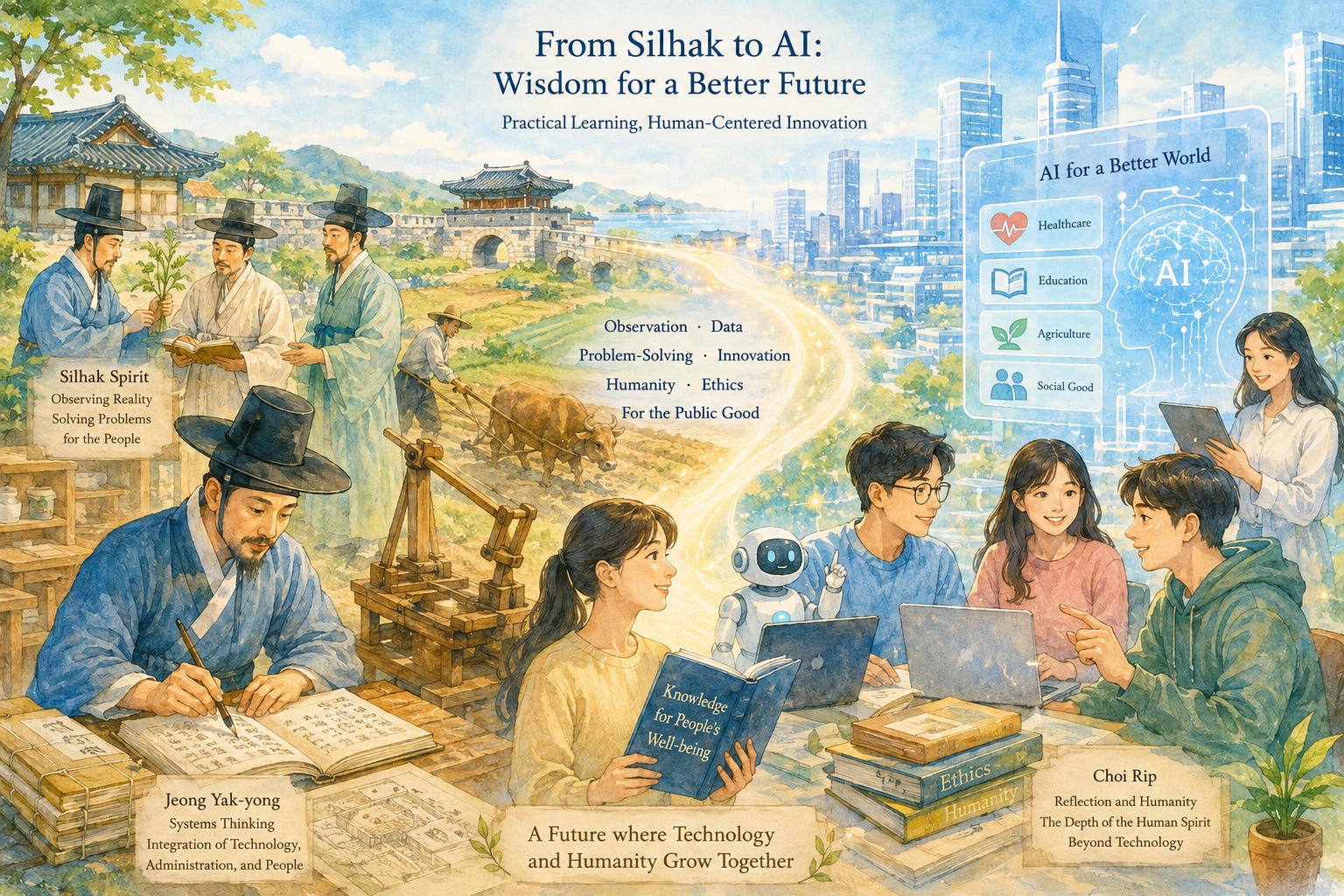
Modern AI is likewise, at its core, a technology for solving real-world problems. Medical AI helps detect diseases earlier, logistics AI optimizes supply chains, and educational AI provides personalized learning experiences. In this sense, the Silhak spirit of Silsa Gusi (實事求是, “seeking truth from facts”) resonates strongly with today’s data-driven AI innovation.
Data-Centered Thinking and the Spirit of Observation in Silhak
Silhak scholars valued firsthand observation and field research. They investigated rural conditions, analyzed land systems, and even studied Chinese and Western scientific technologies. Their approach reflected a scientific mindset grounded in empirical observation and practical experience.
AI also depends fundamentally on data. Without sufficient data, AI systems cannot function effectively. Modern machine learning identifies patterns by analyzing enormous numbers of cases, much like the empirical approach adopted by Silhak thinkers. Joseon Silhak pursued knowledge rooted in direct observation of reality rather than abstract speculation, linking it closely to the spirit of contemporary data science.
Dasan Jeong Yak-yong’s Systems Thinking and AI Platforms
Jeong Yak-yong was not merely a philosopher but also a systems designer who integrated administration, technology, architecture, law, and military strategy. During the construction of Hwaseong Fortress, he utilized technologies such as lifting devices while considering efficiency and organizational management simultaneously.
Modern AI is likewise not a single technology but a vast integrated platform involving cloud computing, semiconductors, networks, data centers, cybersecurity, and human interfaces. This holistic perspective is strikingly similar to Jeong Yak-yong’s administrative philosophy. More than two centuries ago, he already demonstrated a sophisticated systems-oriented mindset.
Human-Centered Philosophy Remains Essential in the AI Era
Silhak was never merely technological utilitarianism. Silhak scholars believed that technological progress should ultimately contribute to human happiness and ethical responsibility. Technology, they argued, must never dominate humanity.
Today, one of the greatest challenges of the AI era is precisely the weakening of human-centered values. Algorithmic bias, privacy invasion, fake news, surveillance societies, and job displacement are rapidly increasing concerns. As AI technologies advance, humanity needs philosophical frameworks capable of protecting dignity and ethics. Silhak offers precisely such a balance.
The Openness of Silhak and Global AI Collaboration
Joseon Silhak scholars actively studied the outside world. They sought to learn from Qing China and Western science and technology. Such openness was revolutionary for their time.
Modern AI development also depends heavily on international collaboration. AI semiconductors may come from one country, data from another, manufacturing from Asia, and software from global open-source ecosystems. No nation can succeed in AI through isolation alone. The openness and intellectual curiosity of Silhak scholars provide valuable lessons for contemporary national AI strategies.
Silhak and AI Meet in Educational Innovation
Silhak scholars criticized rote memorization and emphasized practical education useful for real society. Their educational philosophy aligns closely with the reforms now demanded in the AI era.
In the age of AI, creativity, interdisciplinary thinking, problem-solving ability, and ethical judgment matter far more than memorization. As AI increasingly performs calculations and retrieves information, uniquely human capacities become even more valuable. Long before the digital age, Silhak already advocated the importance of “living education.”
The People-Centered Philosophy of Silhak and AI Democratization
Silhak thinkers viewed the people as the center of governance. Technology and institutions, they believed, should exist for the stability of society and the well-being of ordinary citizens.
Likewise, modern AI should not become monopolized by a few corporations or nations. AI technologies should contribute to public good through improved healthcare access, expanded educational opportunities, support for people with disabilities, and agricultural innovation. In many ways, AI democratization can be understood as a modern form of people-centered philosophy.
Creativity in the AI Era and the Integrative Thinking of Silhak
Silhak crossed disciplinary boundaries. It integrated agriculture, astronomy, medicine, architecture, literature, administration, and economics into a comprehensive intellectual framework. In this sense, Silhak was an early form of interdisciplinary scholarship.
The AI era similarly demands interdisciplinary thinkers. Future leadership will require not only programmers but also philosophers, artists, historians, ethicists, and engineers working together. The future of AI depends not merely on technological sophistication but also on the depth of human understanding.
Gani Choi Rip’s Humanism and Reflection in the AI Era
Choi Rip emphasized introspection and the cultivation of a refined inner life. His literature and philosophy reveal profound insights into contemplation and human spirituality.
In the AI era, speed and efficiency are often overemphasized. Yet human beings are not simply information-processing machines. Emotion, art, silence, reflection, and empathy remain domains that AI cannot fully replace. Choi Rip’s thought reminds us to reconsider the meaning of humanity in an increasingly automated age.
The AI Era Could Become a New Age of Practical Learning
Today, humanity stands at the threshold of a major civilizational transformation. Just as the Industrial Revolution altered the structure of human labor, the AI Revolution is transforming the structure of human thought itself. In such times, a renewed spirit of practical learning is urgently needed—one that carefully analyzes reality while seeking human-centered solutions.
The future will belong not merely to nations that develop the most advanced AI, but to those that harmonize AI with humanity. Balancing technology and ethics, efficiency and compassion, innovation and community will become essential. Joseon Silhak offers precisely this philosophy of balance.
Although separated by centuries, Joseon Silhak and modern AI share a common goal: solving real-world problems. Silhak scholars observed society carefully, gathered practical information, and developed systems and technologies to improve the lives of the people. Modern AI similarly analyzes data to address complex challenges facing humanity. In this sense, the AI age may indeed be viewed as a new form of “digital practical learning.”
Yet there are also crucial differences. Modern AI enables unprecedented speed and automation, but it also carries risks of alienation and ethical crisis. Therefore, humanity must not focus solely on technological competition. We must also consider human dignity, community values, public responsibility, and ethics. Joseon Silhak clearly reminds us that the ultimate purpose of technological advancement should be human well-being.
The ideas of figures such as Dasan Jeong Yak-yong and Gani Choi Rip continue to provide living wisdom for the AI era. Jeong Yak-yong’s systems thinking resonates with today’s integrated AI platforms, while Choi Rip’s contemplative humanism reminds us of the importance of restoring humanity in a technologically driven age.
Ultimately, the future may be determined less by technology itself than by philosophy. The most important question is not how rapidly we can develop AI, but for what values and purposes we choose to use it. Joseon Silhak offers profound insight into that question. Therefore, while advancing AI technologies, we must also inherit the human-centered spirit of Silhak. That may be the most meaningful path toward a more humane and sustainable civilization in the age of artificial intelligence. +++
{Solti}
May 19, 2026
조선 실학과 현대의 AI
인간 중심 지혜의 계승과 새로운 문명 전환
오늘날 인공지능(AI)은 산업, 교육, 국방, 의료, 예술, 금융 등 인간 사회 거의 모든 영역을 재편하고 있다. 거대한 데이터와 알고리즘을 기반으로 하는 AI는 인간의 노동을 보조하는 수준을 넘어 판단과 창조의 영역까지 확장되고 있다. 그러나 기술이 발전할수록 역설적으로 인간다움의 의미와 윤리적 기준은 더욱 중요해지고 있다. 이러한 시점에서 우리는 단순히 최신 기술만 바라볼 것이 아니라, 인간과 사회를 어떻게 바라보아야 하는지에 대한 깊은 철학적 전통을 다시 검토할 필요가 있다.
흥미롭게도 조선 후기의 실학(實學)은 오늘날 AI 시대와 놀라울 정도로 연결되는 문제의식을 가지고 있었다. 실학자들은 공허한 이론보다 현실 문제 해결을 중시했고, 백성의 삶을 개선하기 위한 실용적 지식과 기술을 강조하였다. 이는 데이터 기반 문제 해결과 인간 삶의 효율 향상을 목표로 하는 현대 AI의 방향성과 일정 부분 맞닿아 있다. 그러나 동시에 실학은 기술 그 자체보다 인간과 공동체의 도덕적 책임을 더욱 중요하게 보았다. 따라서 조선 실학은 AI 시대를 살아가는 현대인에게 중요한 철학적 나침반이 될 수 있다.
실학은 현실 문제 해결의 학문이었다
조선 후기 실학자들은 단순한 관념 철학을 비판하였다. 그들은 굶주림, 빈곤, 부패, 국방 문제, 농업 생산성, 상업 발전과 같은 현실적 문제를 해결하려고 했다. 대표적인 실학자 유형원, 이익, 박지원, 정약용 등은 “백성의 삶을 실제로 이롭게 하는 학문”을 강조하였다.
현대 AI 역시 본질적으로 현실 문제 해결 기술이다. 의료 AI는 질병을 조기에 발견하고, 물류 AI는 공급망을 최적화하며, 교육 AI는 개인 맞춤형 학습을 제공한다. 즉, 실학의 “실사구시(實事求是)” 정신은 오늘날 데이터 기반 AI 혁신과 매우 유사한 철학적 흐름을 가진다.
데이터 중심 사고와 실학의 관찰 정신
실학자들은 현장을 중시하였다. 그들은 직접 농촌을 조사하고 토지 제도를 분석했으며, 중국과 서양의 과학기술까지 연구하였다. 이는 경험과 관찰을 중시하는 과학적 태도였다.
AI 역시 데이터에 기반한다. 충분한 데이터 없이 AI는 제대로 작동할 수 없다. 현대의 머신러닝은 수많은 사례를 분석하여 패턴을 발견하는데, 이는 실학자들의 경험주의적 접근과 유사하다. 조선 실학은 단순한 추상이 아니라 “현실을 직접 보고 이해하는 지식”을 추구했다는 점에서 AI 시대의 데이터 과학 정신과 연결된다.
다산 정약용의 시스템 사고와 AI 플랫폼
다산 정약용은 단순한 철학자가 아니라 행정·기술·건축·법률·국방을 통합적으로 사고한 시스템 설계자였다. 그는 수원 화성 건설 과정에서 거중기와 같은 기술을 활용하며 효율성과 조직 관리를 동시에 고려하였다.
현대 AI 역시 단일 기술이 아니라 거대한 플랫폼 시스템이다. AI는 클라우드, 반도체, 네트워크, 데이터센터, 보안, 인간 인터페이스가 통합되어 작동한다. 이러한 통합적 사고는 정약용의 행정 철학과 놀랍도록 유사하다. 그는 이미 200여 년 전에 복합 시스템적 사고를 보여준 셈이다.
AI 시대에도 인간 중심 철학은 필수적이다
실학은 단순한 기술주의가 아니었다. 실학자들은 기술 발전이 반드시 인간의 행복과 윤리적 책임으로 이어져야 한다고 보았다. 기술이 인간을 지배해서는 안 된다는 것이다.
오늘날 AI 시대의 가장 큰 문제 역시 인간 중심성의 약화이다. 알고리즘 편향, 개인정보 침해, 가짜 뉴스, 감시 사회, 일자리 감소 등의 문제가 빠르게 증가하고 있다. AI 기술이 발전할수록 인간의 존엄성과 윤리를 보호하는 철학이 필요하다. 실학은 바로 이러한 균형점을 제공한다.
실학의 개방성은 글로벌 AI 협력과 연결된다
조선 후기 실학자들은 외부 세계를 적극적으로 연구하였다. 청나라의 기술과 서양 과학을 배우려 했고, 국제적 흐름을 수용하려 했다. 당시로서는 매우 혁신적인 태도였다.
현대 AI 역시 국제 협력이 핵심이다. AI 반도체는 미국, 데이터는 전 세계, 제조는 아시아, 소프트웨어는 글로벌 오픈소스 생태계를 통해 발전한다. 폐쇄적 사고로는 AI 경쟁력을 확보할 수 없다. 실학자들의 개방성과 학습 정신은 오늘날 국가 AI 전략에도 중요한 시사점을 준다.
교육 혁신 측면에서 실학과 AI는 만난다
실학자들은 암기 중심 교육을 비판하였다. 그들은 실제 사회에 도움이 되는 지식과 기술 교육을 강조하였다. 이는 오늘날 AI 시대 교육 개혁과 정확히 연결된다.
AI 시대에는 단순 암기 능력보다 창의성, 융합 사고, 문제 해결 능력, 윤리적 판단이 중요해진다. AI가 계산과 정보 검색을 대신하는 시대에는 인간 고유의 사고 능력이 더욱 가치 있게 된다. 실학은 이미 오래전부터 “살아 있는 교육”의 중요성을 강조하였다.
조선 실학의 민본사상과 AI 민주화
실학자들은 백성을 국가 운영의 중심으로 보았다. 기술과 제도는 결국 민생 안정과 공동체 발전을 위해 존재해야 한다고 생각했다.
현대 AI도 특정 대기업이나 소수 국가만 독점해서는 안 된다. AI 기술은 의료 접근성 향상, 교육 기회 확대, 장애인 지원, 농업 혁신 등 사회 전체의 공익에 활용되어야 한다. AI 민주화는 현대판 민본사상이라고 볼 수 있다.
AI 시대의 창의성과 실학적 융합 사고
실학은 학문 간 경계를 넘나들었다. 농업, 천문학, 의학, 건축, 문학, 행정, 경제를 종합적으로 연결하였다. 이는 오늘날 말하는 융합 학문의 전형이다.
AI 시대 역시 융합형 인재를 요구한다. 단순 프로그래머만으로는 미래를 이끌 수 없다. 철학자, 예술가, 역사학자, 윤리학자, 엔지니어가 함께 협력해야 한다. AI의 미래는 기술만이 아니라 인간 이해의 깊이에 달려 있기 때문이다.
간이 최립의 인간학과 AI 시대의 성찰
간이 최립은 인간 내면의 성찰과 품격 있는 삶을 강조하였다. 그의 문학과 철학에는 조용한 관조와 인간 정신의 깊이에 대한 통찰이 담겨 있다.
AI 시대에는 속도와 효율이 지나치게 강조되기 쉽다. 그러나 인간은 단순한 정보 처리 기계가 아니다. 감정, 예술, 침묵, 사색, 공감 능력은 AI가 완전히 대체할 수 없는 영역이다. 최립의 사유는 AI 시대 인간다움의 의미를 다시 생각하게 만든다.
AI 시대는 새로운 실학 시대가 될 수 있다
오늘날 우리는 거대한 문명 전환기에 서 있다. 산업혁명 이후 인간 노동 구조가 바뀌었듯이, AI 혁명은 인간 사고 구조 자체를 변화시키고 있다. 이러한 시대일수록 현실을 냉철하게 분석하고 인간 중심의 실용적 해법을 찾는 새로운 실학 정신이 필요하다.
미래 사회는 단순히 AI를 많이 개발하는 국가가 아니라, AI를 인간과 조화롭게 활용하는 국가가 경쟁력을 가지게 될 것이다. 기술과 윤리, 효율과 인간성, 혁신과 공동체를 균형 있게 연결하는 능력이 중요해진다. 조선 실학은 바로 그 균형의 철학을 제공한다.
조선 실학과 현대 AI는 시대적으로 수백 년의 차이가 있지만, 공통적으로 “현실 문제 해결”이라는 핵심 목표를 공유하고 있다. 실학자들은 백성의 삶을 개선하기 위해 현실을 관찰하고 데이터를 수집하며 제도와 기술을 연구하였다. 현대 AI 역시 데이터를 분석하여 인간 사회의 다양한 문제를 해결하려 한다. 이런 점에서 AI 시대는 어쩌면 새로운 형태의 “디지털 실학 시대”라고 부를 수도 있다.
그러나 중요한 차이도 존재한다. 현대 AI는 엄청난 속도와 자동화를 가능하게 하지만, 동시에 인간 소외와 윤리적 위기를 초래할 위험도 가지고 있다. 따라서 우리는 단순히 AI 기술 경쟁에만 몰두해서는 안 된다. 인간의 존엄성, 공동체 가치, 공공성, 윤리적 책임을 함께 고민해야 한다. 조선 실학은 기술 발전의 목적이 결국 인간 행복에 있어야 한다는 점을 분명히 보여준다.
특히 다산 정약용과 간이 최립 같은 인물들의 사상은 AI 시대에도 여전히 살아 있는 지혜를 제공한다. 정약용의 시스템 사고는 AI 플랫폼 시대의 통합적 문제 해결과 연결되고, 최립의 관조적 인간학은 AI 시대 인간성 회복의 중요성을 일깨운다.
결국 미래는 기술이 아니라 철학이 결정할 가능성이 크다. AI를 얼마나 빠르게 만드는가보다, AI를 어떤 가치와 목적을 위해 사용하는가가 더욱 중요하다. 조선 실학은 바로 그 질문에 대해 깊은 통찰을 제공한다. 따라서 우리는 첨단 AI 기술을 발전시키면서도 동시에 실학의 인간 중심 정신을 계승해야 한다. 그것이야말로 AI 시대를 더욱 인간답고 지속가능한 문명으로 이끄는 길이 될 것이다. +++
{솔티}
2026년 5월 19일

Young Choi, PhD is a Professor at Regent University bringing a rare combination of technical expertise and creative spirit to everything he does. A scholar in AI, cybersecurity, and network & telecommunications service management, he has published 38 books including AI and cybersecurity area books, over 200 refereed articles, and over 20 book chapters. Beyond the academy, Dr. Choi is a passionate poet, essayist, and wooden block laser engraving artist whose reflective writing invites readers to rediscover life’s beauty in quiet contemplation(靜觀). He lives under the motto: “Study hard and give generously without holding back! (열심히 공부해서 아낌없이 남주자 !: 열공아남!)”
Published books: https://www.amazon.com/stores/Young-Choi/author/B0DMZ5S6R7?ref=ap_rdr&shoppingPortalEnabled=true