

EXECUTIVE SUMMARY
Today’s younger generations face growing loneliness, uncertainty about identity and purpose, and declining institutional trust despite unprecedented digital connectivity and opportunities. Drawing on our experiences in Christian mission, higher education, and international leadership development, this article identifies five practical leadership principles—listening, building relationships, mentoring, creating purpose, and empowering others—that extend beyond missional contexts to schools, universities, workplaces, professional associations, and civic organizations. The central argument is that building safe, vibrant, inclusive, and authentic communities requires trust, meaningful participation, intergenerational collaboration, and shared responsibility, enabling younger generations to belong, grow, contribute, and flourish in an increasingly complex world.
Keywords: Authentic Communities; Next-Generation Engagement; Relational Leadership; Intergenerational Collaboration; Community Flourishing.
1. Introduction
Our recent viewing of the Korean Netflix drama Teach You a Lesson (Hong, 2026) and a BTS world tour concert offers two contrasting yet complementary perspectives on building communities for the next generation. The drama portrays school bullying, weakened teacher authority, and disrupted learning environments, introducing a fictional government agency—the Educational Rights Protection Bureau—whose special inspectors are empowered to restore order and protect students and teachers. Although its confrontational methods are dramatized and should not be confused with appropriate educational practices, the series raises an important question: How can schools establish legitimate authority, fair rules, accountability, and safe learning environments without compromising dignity and mutual respect? By contrast, the BTS concert illustrates how people from diverse generations, cultures, and nationalities can gather around shared interests, experience collective enjoyment, and develop a sense of togetherness (Hong et al., 2024). These contrasting examples highlight three essential characteristics of thriving communities: safety, enjoyment, and togetherness, supported by mutual respect, responsible leadership, and meaningful participation.
Drawing on our complementary experiences in Christian mission, university education, and international leadership development, we have engaged with students, young professionals, emerging leaders, and community members across Korea, the United States, and numerous other countries. Our conversations consistently reveal that younger generations seek more than institutional membership, educational credentials, or professional advancement; they desire safe environments, authentic friendships, trusted mentors, meaningful participation, and opportunities to contribute. Although our perspectives are informed partly by Christian ministry, these aspirations extend well beyond religious settings to schools, universities, businesses, professional associations, neighborhood organizations, and civic communities. Building authentic communities is therefore not exclusively a missional responsibility but a fundamental educational, organizational, and societal priority.
As networked communication transforms social life, maintaining civic participation and social capital becomes increasingly important (Castells, 2010; Putnam, 2000). These concerns have become increasingly urgent in a digitally connected yet socially fragmented world. Young people face growing challenges involving loneliness, identity and purpose, institutional distrust, social comparison, and uncertain career pathways, even as technology expands opportunities for communication, learning, and global engagement (Haidt, 2024; Twenge, 2017). While different institutions fulfill distinct missions, they share a responsibility to establish environments where individuals are protected from bullying and exclusion, treated with fairness and dignity, encouraged to develop their capabilities, and empowered to participate meaningfully. Effective community leadership therefore requires more than either strict authority or attractive programs; it demands a thoughtful integration of safety with accountability, enjoyment with belonging, and individual development with shared responsibility.
Recognizing these realities shifts the central question from how institutions can simply attract or retain younger participants to how they can cultivate communities in which people genuinely want to belong, learn, contribute, and flourish. Schools must combine safe learning environments with supportive teachers and engaged students; businesses and professional associations must balance performance expectations with mentoring and meaningful participation; and churches and civic organizations must strengthen authentic relationships, shared values, and opportunities for service. Drawing on our experiences across educational, professional, community, and missional settings, this article presents five practical leadership bridges and comparative global lessons for developing safe, vibrant, inclusive, and authentic communities. Its central argument is that lasting communities emerge when legitimate authority protects dignity, authentic relationships generate trust, shared experiences create enjoyment and belonging, and intergenerational leadership prepares younger generations to flourish and contribute to society.
2. Understanding Today’s Generation
To engage the next generation effectively, leaders must first understand the rapidly changing world shaped by technological innovation, global uncertainty, social transformation, and cultural diversity, recognizing how these forces influence young people’s identity, relationships, learning, and participation in communities without reducing an entire generation to stereotypes.
2.1. Growing Up Connected but Lonely
Today’s young people are the most digitally connected generation in history, with smartphones, social media, and artificial intelligence expanding opportunities for learning, creativity, entrepreneurship, and global collaboration. Yet this unprecedented connectivity often coexists with loneliness, social comparison, anxiety, and declining face-to-face relationships, reflecting Turkle’s (2011) concept of being “alone together” and Haidt’s (2024) concerns about smartphone and social media use. Our conversations with students and young professionals across countries reveal a consistent desire for trusted mentors, authentic friendships, meaningful belonging, and communities where they feel genuinely valued. The central challenge is not simply to increase digital connectivity but to cultivate authentic human relationships that foster trust, emotional well-being, personal growth, and lasting community.
2.2. Searching for Identity and Purpose
Today’s young people are searching for identity and purpose in an increasingly complex world shaped by technological disruption, uncertain career paths, and changing social expectations. Beyond career success, they ask fundamental questions: “Who am I?” “What truly matters?” and “How can I make a meaningful contribution to society?” Our experiences across universities, leadership programs, and international communities suggest that young people respond positively to mentors who recognize their individual potential, cultivate their talents, and provide opportunities for meaningful service. The central challenge for leaders and institutions is to create purpose-driven communities where younger generations can discover their identity, develop their capabilities, contribute to causes beyond personal success, and pursue lives of lasting significance.
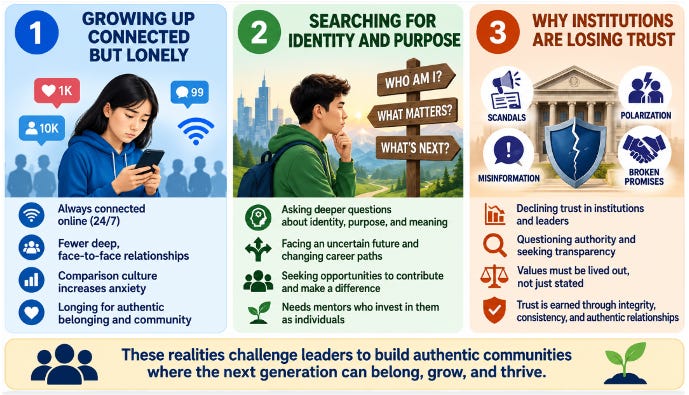
Figure 1. Key Realities Shaping the Perspectives of Today’s Generation
Source: Authors’ Own Synthesis
Figure 1 illustrates three interconnected realities shaping today’s generation—being digitally connected yet often lonely, searching for identity and purpose, and placing greater value on authenticity than institutional authority—highlighting both the challenges and opportunities for educators, families, organizations, and community leaders to cultivate relationships where young people can belong, grow, and flourish.
2.3. Why Institutions Are Losing Trust
The erosion of civic connections and social capital provides an additional perspective on the challenges facing institutions (Putnam, 2000). Traditional institutions—including governments, businesses, universities, religious organizations, and the media—face growing skepticism as leadership failures, ethical scandals, political polarization, and misinformation challenge public confidence. Younger generations increasingly evaluate leaders not by titles or institutional authority but by their integrity, transparency, accountability, and consistency between words and actions. Our international conversations suggest that young people respond positively to leaders who listen sincerely, demonstrate humility, acknowledge mistakes, and invest in authentic relationships built on mutual trust and shared responsibility. The central leadership challenge is to rebuild trust through credible actions, meaningful mentoring, and authentic communities, providing the foundation for the five practical bridge principles presented in the next section.

3. Five Bridges to the Next Generation
Understanding today’s generation is only the beginning; our experiences in higher education, international leadership development, and global mission suggest that meaningful engagement depends less on sophisticated programs than on authentic relationships. In Christian communities, leadership development is grounded in God’s Word and prayer and expressed through five enduring leadership principles and practices that bridge generations and prepare the next generation for faithful and responsible leadership.
3.1. Listen Before You Lead
The first bridge to authentic leadership begins with listening, as younger generations seek leaders who genuinely understand their concerns, aspirations, and experiences before offering guidance. Thoughtful questions, sincere curiosity, humility, and empathy foster mutual respect, psychological safety, and lasting trust (Brown, 2012; Edmondson, 2019). The Bible reveals not only a God who speaks but also a God who listens attentively to His people, while Jesus demonstrated compassionate engagement with people’s struggles and questions before guiding them toward biblical truth, faith, and obedience. Reflecting on his experience in Christian mission, Spurgeon Lee observes, “I have come to appreciate that effective preaching and leadership require listening to God and listening to people more than presenting my own requests, assumptions, or ideas.” This principle extends beyond missional leadership to schools, universities, workplaces, and civic organizations, where leaders must listen with humility, understand with compassion, and guide with wisdom to build authentic communities grounded in trust, dignity, and shared purpose.
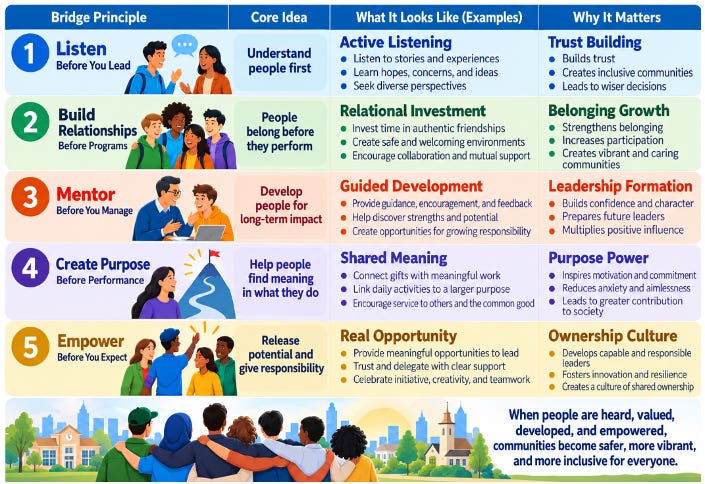
Figure 2. Five Bridge Principles for Building Authentic Communities
Source: Authors’ Own Synthesis
Figure 2 presents five interconnected bridge principles—Listen, Build Relationships, Mentor, Create Purpose, and Empower—as a practical framework for building authentic, safe, vibrant, and inclusive communities. These principles emphasize understanding people before leading, cultivating relationships before implementing programs, developing individuals before managing them, creating shared meaning before emphasizing performance, and providing opportunities for responsibility before expecting ownership. Together, they demonstrate how trust, belonging, leadership development, shared purpose, and empowerment reinforce one another to foster resilient communities in which individuals are heard, valued, supported, and encouraged to contribute to the common good.
3.2. Build Relationships Before Programs
Community life depends on mutual care and shared responsibilities, themes developed in both Christian community reflection and civic scholarship (Bonhoeffer, 1954; Putnam, 2000). The second bridge to authentic leadership emphasizes relationships before programs, recognizing that meaningful human connections sustain long-term commitment more effectively than activities or organizational structures alone. Younger generations seek communities where genuine friendship, mutual trust, encouragement, and a sense of belonging foster personal growth, collaboration, and shared purpose. In Christian ministry, Christ-centered relationships provide the foundation for studying God’s Word, sharing prayer, nurturing faith, and developing disciples whose lives reflect humility, compassion, and service. The central leadership challenge is to prioritize people over programs, cultivate authentic relationships, and build faith-centered communities that inspire lasting commitment, spiritual growth, and meaningful contributions to society.
3.3. Mentor Before You Manage
The third bridge to authentic leadership emphasizes mentoring before managing, recognizing that lasting leadership develops people rather than merely supervising tasks and measuring performance. Younger generations respond positively to mentors who recognize their potential, provide constructive guidance, encourage personal growth, and celebrate progress through both successes and failures. Effective mentoring requires patience, perseverance, and opportunities for gradual responsibility, cultivating the resilience and character essential for sustained achievement (Duckworth, 2016). The central leadership challenge is to invest in people, nurture their capabilities, and prepare future leaders who demonstrate wisdom, integrity, resilience, and a lasting commitment to serving others.
3.4. Create Purpose Before Performance
The fourth bridge to authentic leadership emphasizes purpose before performance, recognizing that younger generations seek meaningful contributions beyond financial rewards, professional success, and external recognition. They respond positively to leaders who connect individual talents, personal values, and everyday responsibilities with a larger mission of service and societal contribution (Palmer, 2004). Across educational institutions, businesses, and community organizations, a shared sense of purpose strengthens motivation, personal commitment, and sustained engagement by helping individuals understand why their contributions matter. The central leadership challenge is to inspire meaningful purpose, align individual aspirations with shared values, and cultivate communities where personal achievement becomes a pathway to service, collective growth, and lasting societal impact.
3.5. Empower Before You Expect
The final bridge is empowerment. Too often organizations expect younger generations to demonstrate commitment before entrusting them with meaningful responsibility, whereas effective leaders build commitment by providing opportunities to contribute, innovate, and lead with appropriate guidance and encouragement. When young people know their ideas are respected and their contributions matter, they develop greater ownership, responsibility, and commitment to the community’s shared mission.
Empowerment does not lower standards; it combines trust with accountability through meaningful responsibilities, mentoring, constructive feedback, and ongoing support. Across education, business, nonprofit organizations, faith communities, and international leadership experiences, young people consistently demonstrate remarkable potential when experienced leaders believe in them before they fully believe in themselves. Although these five bridge principles are broadly applicable, their implementation varies across cultures and societies, leading the next section to examine comparative global lessons, Korea’s distinctive contributions, and shared practices for engaging the next generation.
4. Global Lessons
Although every nation possesses its own history, culture, and social institutions, the challenge of engaging the next generation is increasingly universal, and our academic collaborations, international leadership forums, and global mission partnerships have shown that each country offers valuable lessons for cultivating trust, strengthening intergenerational relationships, and preparing young people for lives of purpose, responsible leadership, and meaningful contribution.
4.1. What Korea Can Contribute
South Korea’s remarkable transformation from postwar poverty to a globally competitive economy demonstrates how education, disciplined work, family commitment, and collective responsibility can contribute to national development and long-term prosperity. Equally significant is Korea’s reputation for public safety and social order, which did not emerge by chance but developed through a long and often painful history of foreign invasions, wars, national division, political conflicts, and economic hardships. These historical experiences have reinforced the importance of social stability, mutual responsibility, public institutions, and community cooperation, although challenges involving institutional trust, social polarization, and inequality remain. Beyond economic achievements, Korea’s global cultural influence through K-pop, films, dramas, cuisine, and digital innovation—including BTS’s authenticity, perseverance, and community engagement (Hong et al., 2024)—demonstrates how creativity can connect diverse generations and cultures. Korean churches, universities, nonprofit organizations, and volunteer networks further contribute through international partnerships emphasizing education, compassion, service, and community development. The central lesson for younger generations is that safe, trustworthy, vibrant, and authentic communities are not accidental achievements but the cumulative results of historical learning, responsible leadership, shared values, and sustained collective effort.
4.2. What We Can Learn from Other Countries
While South Korea offers valuable lessons in economic development, education, public safety, and global engagement, it can also learn from innovative community-building practices across other countries and cultures. Safety First: Just as airline safety announcements emphasize passenger protection before other activities, the first responsibility of every society and community is to establish environments where people feel physically secure, psychologically safe, and respected. Recurring school shootings in the United States underscore that violence and insecurity are not merely isolated institutional concerns but reflect broader societal challenges requiring responsible leadership, effective safeguards, and collective action. In Life Together, Bonhoeffer (1954) emphasizes listening, mutual care, shared responsibility, and serving others as foundations of authentic Christian community, offering relational principles that can also inform schools, workplaces, associations, and civic organizations. Universities, businesses, and community organizations worldwide are developing complementary approaches through inclusive education, mentoring, intergenerational collaboration, meaningful participation, and culturally responsive leadership. The central lesson for Korea and the global community is that safety establishes the foundation, trust sustains relationships, and shared enjoyment strengthens togetherness—three essential characteristics of healthy, vibrant, and authentic communities where people can belong, contribute, and flourish.
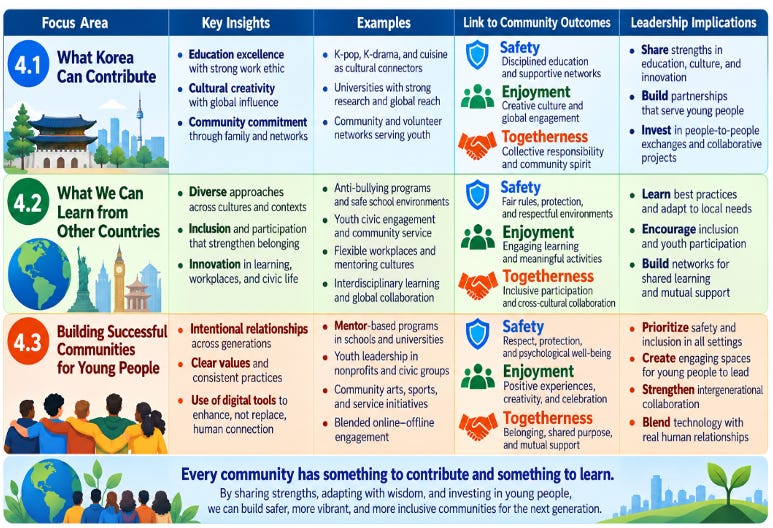
Figure 3. Comparative Global Lessons for Engaging the Next Generation
Source: Authors’ Own Synthesis
Figure 3 compares three complementary dimensions of next-generation community engagement: Korea’s distinctive contributions, lessons from other countries, and shared practices for building successful communities among young people. It highlights how authentic relationships, intergenerational collaboration, meaningful participation, and adaptive leadership contribute to three essential community outcomes—Safety, Enjoyment, and Togetherness—across diverse cultural contexts. The comparative synthesis suggests that every country has valuable strengths to contribute and lessons to learn, reinforcing the importance of mutual learning, inclusive leadership, and sustained investment in the next generation.
4.3. Communities That Are Successfully Reaching Young People
Community participation and social capital help explain why belonging and shared responsibility matter beyond any single organization (Putnam, 2000). Communities that successfully engage younger generations cultivate cultures of belonging, mutual trust, shared responsibility, and meaningful purpose rather than relying solely on programs or charismatic leaders. As Wenger (1998) emphasizes through communities of practice, learning, identity, and sustained commitment develop through active participation, mentoring, collaboration, and shared experiences. Across universities, businesses, churches, and nonprofit organizations, thriving communities preserve enduring values while adapting to technological change, strengthening intergenerational relationships, and empowering younger people to contribute and lead. The central leadership lesson is to build authentic, adaptive, and purpose-driven communities where generations learn together, develop future leaders, serve others, and sustain a shared mission across changing times.
5. The Future Belongs to Authentic Communities
The future belongs not merely to technologically advanced or resource-rich organizations, but to authentic communities that cultivate trust, meaningful relationships, shared purpose, and intergenerational collaboration, where younger generations are welcomed, valued, empowered, and prepared to flourish.
5.1. Be Present and Build Trust
Psychological safety and the courage to listen provide foundations for honest dialogue and trustworthy relationships (Brown, 2012; Edmondson, 2019). The first priority for every leader is to be genuinely present in the lives of younger people. Authentic presence goes beyond physical proximity or digital accessibility by listening attentively, demonstrating empathy, showing consistent care, and creating environments where individuals feel safe to express their questions, aspirations, and struggles. In an age of constant online communication, trust is built through integrity, transparency, humility, and consistency between words and actions, providing the relational foundation for learning, collaboration, and long-term commitment.
5.2. Develop Leaders and Connect Generations
The future of every organization depends on its commitment to developing younger generations through intentional mentoring, meaningful service, constructive feedback, and progressive leadership responsibilities. Emerging leaders need experienced mentors who recognize their potential and invest in their personal, professional, and spiritual growth while preparing them for future responsibilities. Strong intergenerational partnerships integrate the wisdom, experience, and resilience of older generations with the creativity, technological fluency, and fresh perspectives of younger generations, strengthening organizational adaptability and continuity. The central leadership challenge is to connect generations through mutual respect, shared learning, and purposeful collaboration, transforming leadership succession into a continuous process of mentoring, empowerment, and lasting collective contribution.
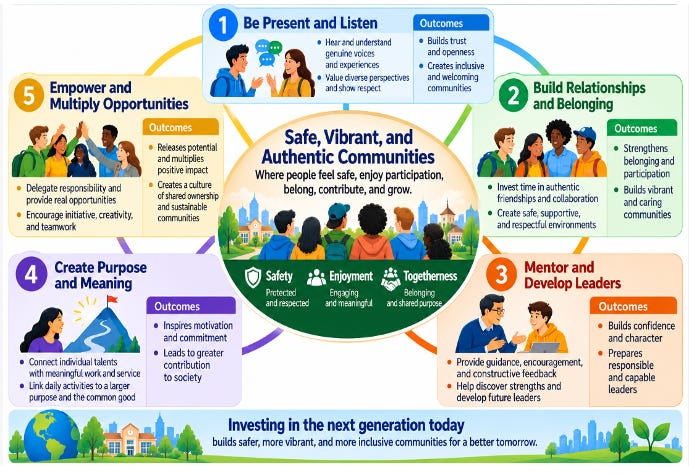
Figure 4. An Integrated Framework for Engaging the Next Generation
Source: Authors’ Own Synthesis
Figure 4 presents an integrated framework for building safe, vibrant, and authentic communities in which young people experience belonging, meaningful participation, and opportunities to thrive. Centered on three essential community outcomes—Safety, Enjoyment, and Togetherness—the framework integrates five mutually reinforcing leadership practices: being present and listening, building relationships and belonging, mentoring and developing leaders, creating purpose and meaning, and empowering others through meaningful opportunities. Together, these practices provide a practical foundation for families, schools, universities, businesses, churches, and civic organizations to strengthen trust, foster intergenerational collaboration, develop future leaders, and support the long-term flourishing of the next generation.
5.3. Keep Learning and Adapting
In a networked society, technological adaptation must be balanced with genuine interpersonal connection (Castells, 2010; Turkle, 2011). Communities that remain effective across generations continually learn, reflect, and adapt to technological, cultural, and societal changes while preserving their core values and enduring mission. Leaders across families, universities, businesses, churches, and nonprofit organizations must embrace appropriate technologies, learn from global best practices, and strengthen intergenerational collaboration to address emerging challenges and opportunities. Growth also requires transitions: just as students enter school to learn, mature, graduate, and pursue new opportunities, healthy communities should prepare individuals to develop their capabilities, discover their calling, and move forward rather than expect them to remain indefinitely. Mature communities measure success not by how many people they retain to sustain existing structures, but by how effectively they equip individuals to pursue their chosen paths, assume new responsibilities, and contribute meaningfully wherever they go. Lasting leadership influence is therefore measured not merely by organizational size, technological advancement, or institutional reputation but by the people developed, relationships strengthened, and future generations empowered through purposeful service and shared responsibility. The central leadership lesson is to combine enduring values with continuous learning, technological innovation with authentic relationships, and intergenerational wisdom with emerging capabilities to cultivate resilient, compassionate, and purpose-driven communities that prepare future generations to lead with character, integrity, and hope.
From Retention to Empowerment: Prepare People to Flourish Beyond the Institution

6. Conclusion
A mature community is measured not by whom it retains, but by whom it equips to lead and serve beyond its boundaries.
Reaching the next generation is not merely about attracting young people or sustaining institutions but about building safe, vibrant, and authentic communities where individuals experience trust, enjoyment, togetherness, and meaningful belonging. Across families, schools, universities, businesses, churches, and civic organizations, lasting leadership is demonstrated through listening, mentoring, shared purpose, and empowering people to grow, assume responsibility, and pursue their own paths. As technologies and societies change, mature communities must recognize that their greatest achievement is not keeping people indefinitely but preparing them to flourish, contribute, and lead wherever life takes them. The true legacy of a community is not how many people it holds together, but how many lives it strengthens and prepares to move forward with character, compassion, purpose, and hope.
Note on Figures 1–4 and AI-Assisted Visual Design
All four figures are based on the authors’ original conceptual frameworks and synthesis. AI tools were used to assist with visual design and image generation. The authors provided the conceptual direction, reviewed and approved the final representations, and assume responsibility for their content and accuracy.
References
Bonhoeffer, D. (1954). Life together (J. W. Doberstein, Trans.). Harper & Row. (Original work published 1939)
Brown, B. (2012). Daring greatly: How the courage to be vulnerable transforms the way we live, love, parent, and lead. Gotham Books.
Castells, M. (2010). The rise of the network society (2nd ed.). Wiley-Blackwell.
Duckworth, A. (2016). Grit: The power of passion and perseverance. Scribner.
Edmondson, A. C. (2019). The fearless organization: Creating psychological safety in the workplace for learning, innovation, and growth. Wiley.
Haidt, J. (2024). The anxious generation: How the great rewiring of childhood is causing an epidemic of mental illness. Penguin Press.
Hong, J.-c. (Director). (2026). Teach you a lesson [TV series]. YLAB Plex; GTist.
Hong, P., Kim, S.-C., Lee, A., & Kang, H. (2024). The entrepreneurial transformation process of BTS: Initiation, development, growth and expansion. Journal of Enterprising Communities: People and Places in the Global Economy, 18(5), 1078–1097. https://doi.org/10.1108/JEC-05-2023-0063
Palmer, P. J. (2004). A hidden wholeness: The journey toward an undivided life. Jossey-Bass.
Putnam, R. D. (2000). Bowling alone: The collapse and revival of American community. Simon & Schuster.
Turkle, S. (2011). Alone together: Why we expect more from technology and less from each other. Basic Books.
Twenge, J. M. (2017). iGen: Why today’s super-connected kids are growing up less rebellious, more tolerant, less happy—and completely unprepared for adulthood—and what that means for the rest of us. Atria Books.
Wenger, E. (1998). Communities of practice: Learning, meaning, and identity. Cambridge University Press.
ABOUT THE AUTHORS

Paul C. Hong (Editor-in-Chief) - Distinguished University Professor, University of Toledo
Full list of his K-GSP columns:
Paul C. Hong is a Distinguished University Professor at the University of Toledo and an affiliated faculty member of the Asian Studies Program at the University of Toledo. His work focuses on leadership, governance, and decision-making in the AI era, integrating strategy, technology, and institutional trust, and he has published extensively in leading academic journals on how individuals and organizations navigate complexity, disruption, and global transformation. Alongside more than four decades of university teaching and research, he has also served in bivocational Christian leadership and global mission, mentoring emerging leaders and supporting cross-cultural ministry through leadership development, education, and community engagement.

Spurgeon D.C. Lee
DIRECTOR OF GLOBAL MISSION, UBF KOREA
Spurgeon Dong Cheol Lee serves as Director of the World Mission Department of University Bible Fellowship (UBF) Korea, where he provides leadership for global mission initiatives and next-generation ministry. He holds a B.A. in Russian from Hankuk University of Foreign Studies, completed M.A. coursework in Russian Language and Literature at the same institution, pursued Ph.D. studies in Linguistics at Saint Petersburg State University, and earned an M.Div. from Reformed Theological Seminary. With more than three decades of full-time ministry and leadership, he focuses on next-generation discipleship, global mission, pastoral counseling, and leadership development, integrating biblical principles with cross-cultural engagement and authentic community building.
Suggested Citation
Hong, P. C., & Lee, S. D. C. (2026, November 3). Reaching the next generation: Building safe, vibrant, and authentic communities in the digital era. K-GSP Forum, pp. 1–14.
Original Article

한글 요약
다음 세대와 함께하는 미래: 디지털 시대의 안전하고 활기찬 진정성 있는 공동체 만들기
오늘날 젊은 세대는 스마트폰, 소셜미디어, 인공지능을 통해 그 어느 때보다 긴밀하게 연결되어 있지만, 역설적으로 외로움, 정체성의 혼란, 인간관계의 단절, 제도에 대한 신뢰 약화라는 도전에 직면하고 있다. 한국의 학교폭력과 교육 현장의 질서 문제를 다룬 드라마 Teach You a Lesson과 다양한 세대와 문화권의 사람들이 함께하는 BTS 공연은 서로 다른 관점에서 건강한 공동체의 세 가지 핵심 요소인 **안전(Safety), 즐거움(Enjoyment), 함께함(Togetherness)**의 중요성을 보여준다. 이 글은 기독교 선교, 대학교육, 국제 리더십 활동의 경험을 바탕으로 디지털 시대에 다음 세대가 소속감을 느끼고 성장하며 의미 있게 참여할 수 있는 공동체의 조건을 탐색한다.
진정성 있는 공동체를 형성하기 위해서는 다섯 가지 리더십 원칙이 중요하다. 첫째, 지도하기 전에 경청하고, 둘째, 프로그램보다 관계를 우선하며, 셋째, 관리하기 전에 멘토링하고, 넷째, 성과보다 목적을 중시하며, 다섯째, 기대하기 전에 권한과 책임을 부여해야 한다. 이러한 원칙은 일방적인 권위와 조직 중심의 운영을 넘어 상호 존중, 신뢰, 자발적 참여를 촉진하고 젊은 세대가 자신의 잠재력을 발견하도록 돕는다. 특히 기성세대의 경험과 지혜를 젊은 세대의 창의성 및 디지털 역량과 연결하는 세대 간 협력은 지속 가능한 공동체를 형성하는 중요한 기반이 된다.
한국의 교육과 경제발전 경험, 공동체적 책임의식, 한류의 세계적 확산, 국제적 봉사와 선교 활동은 다음 세대를 위한 공동체 형성에 유용한 교훈을 제공한다. 동시에 한국 사회는 다른 나라의 포용적 교육, 심리적 안전, 청년 참여, 자율적 리더십 개발 사례에서도 배울 필요가 있다. 각국은 서로 다른 역사와 문화적 강점을 지니고 있으므로 일방적인 모방보다 상호 학습과 협력을 통해 공동체의 발전을 추구해야 한다. 학교와 대학, 기업, 교회, 시민사회가 이러한 경험을 공유하고 각자의 환경에 맞게 적용할 때, 다양성을 존중하면서도 공동의 가치를 실현하는 건강한 사회적 기반을 강화할 수 있다.
궁극적으로 성숙한 공동체의 성공은 조직의 규모나 구성원의 잔류율보다 다음 세대가 얼마나 성장하여 독립적으로 판단하고 책임 있게 행동하며 자신의 소명을 실현하도록 준비되었는가에 의해 평가되어야 한다. 이를 위해 기성세대는 기존의 권위와 관행을 고수하기보다 젊은 세대에게 실질적인 기회를 제공하고, 변화하는 기술과 사회환경에 맞추어 리더십 방식을 지속적으로 발전시켜야 한다. 인공지능 시대에도 인간적 관계, 윤리적 책임, 상호 신뢰는 기술로 대체할 수 없는 공동체의 핵심 자산이다. 따라서 다음 세대를 위한 진정한 리더십은 사람들을 조직 안에 오래 머물게 하는 데 있지 않고, 그들이 새로운 세상으로 나아가 타인과 사회에 선한 영향력을 발휘하도록 준비시키는 데 있다.
Paul C. Hong: 미국 톨레도대학교 석좌교수(Distinguished University Professor)로, 글로벌 공급망, 조직 리더십, AI 시대의 거버넌스와 제도적 신뢰를 연구하고 있다.
40년 이상 대학교육과 국제 공동연구에 참여해 왔으며, 기독교 선교와 차세대 멘토링을 통해 학문과 공동체 리더십의 연계를 추구하고 있다.
Spurgeon D. C. Lee: 한국 대학생성경읽기선교회(UBF) 세계선교부장으로, 30년 이상 국제 선교, 차세대 제자양성, 목회 상담 및 리더십 개발에 헌신해 왔다. 성경적 가치와 세대 간 멘토링, 문화 간 협력을 바탕으로 진정성 있는 공동체 형성과 차세대 지도자 양성에 힘쓰고 있다.
© K-Global Scholars and Professionals Forum. All rights reserved. Content published in the K-GSP Forum may not be reproduced, distributed, or transmitted in any form without prior written permission from the K-GSP Forum, except for brief quotations with full attribution.