

Where the Scent of the Earth Meets the Warmth of Community
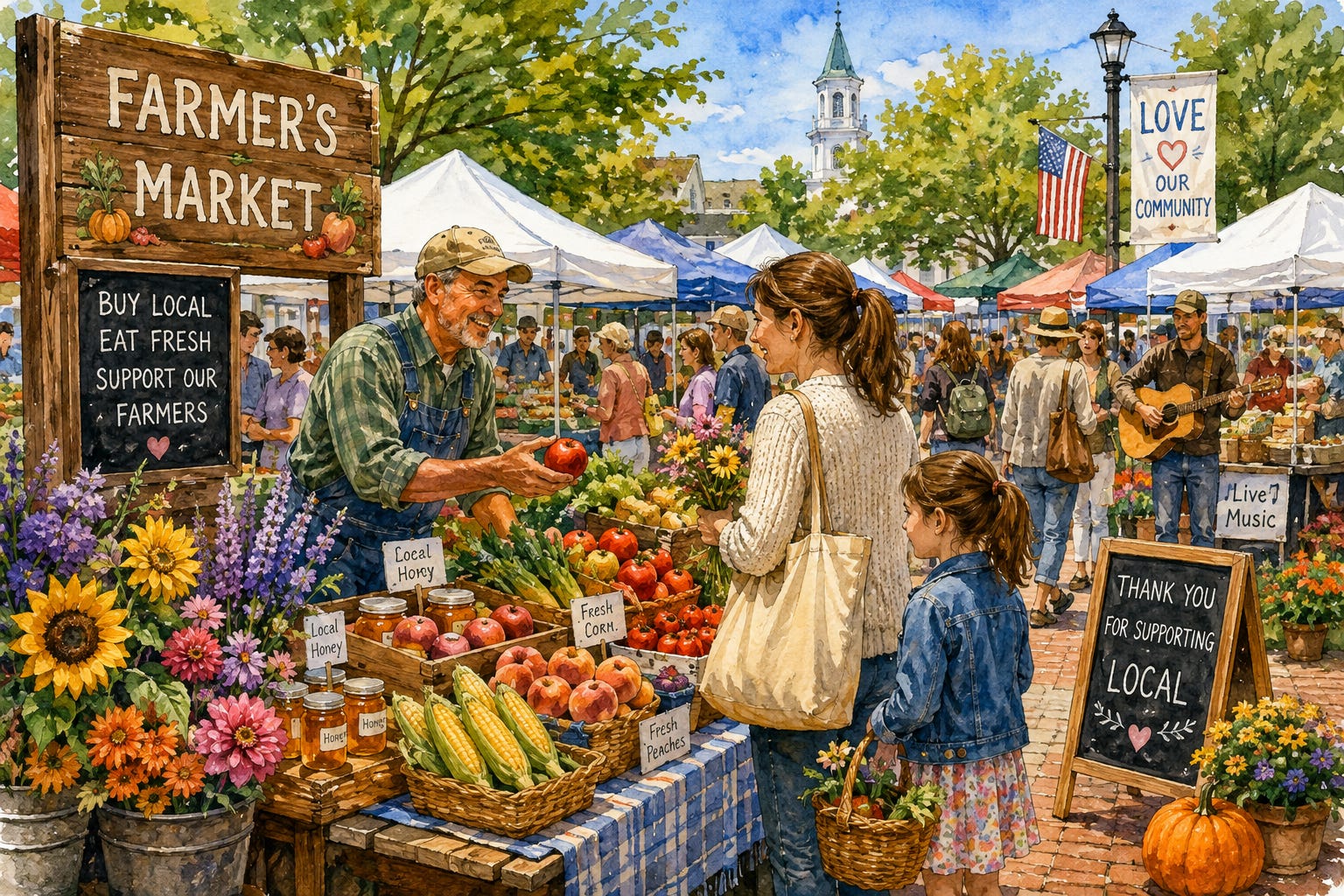
On a Saturday morning, as sunlight slowly filters through the rooftops and trees of a small American town, a familiar and delightful scene begins to unfold. People arrive one by one, carrying shopping bags and baskets, while market stalls display freshly harvested apples, tomatoes, pumpkins, corn, and seasonal flowers in a colorful array. The comforting aroma of freshly baked bread mingles with the gentle fragrance of coffee, while cheerful greetings from vendors and the laughter of children bring the morning to life. This is a farmers market, a place where farmers sell their produce directly to consumers and local vendors offer a variety of regional products.
A farmers market is much more than a place to buy and sell groceries. Here, farmers meet consumers face-to-face, neighbors exchange greetings, and the seasons and lifestyles of a community reveal themselves naturally. In a large supermarket, price tags and barcodes identify products. At a farmers market, however, visitors can discover the stories behind the goods they purchase. They can ask an apple grower which orchard produced the fruit or learn from a honey producer about the flowers bees visit and the process of harvesting honey. The simple act of shopping becomes an opportunity to discover the people behind the products.
The Seasons on Display
One of the greatest attractions of a farmers market is the opportunity to see and experience the changing seasons. In spring, tulips, daffodils, tender leafy greens, and strawberries brighten the stalls. Summer brings an abundance of ripe peaches, blueberries, tomatoes, and sweet corn. When autumn arrives, apples, pears, pumpkins, chrysanthemums, and colorful decorations reminiscent of fall foliage transform the market. In winter, homemade jams, honey, baked treats, and warm beverages draw visitors seeking comfort and seasonal flavors.
Autumn markets in Virginia, in particular, offer a wonderful opportunity to experience the beauty of the season. As the surrounding mountains and forests turn shades of red, orange, and gold, the market fills with crates of apples, bright orange pumpkins, and pots of chrysanthemums. Some farmers proudly display different varieties of apples, explaining their distinctive sweetness and tartness. Others offer homemade apple pies and pumpkin bread. As visitors browse the stalls, they carry home not only fresh produce but also the sights, scents, and flavors of autumn.
These markets remind us of an important truth: food is not merely a commodity manufactured and distributed through a commercial system. It is the result of sunlight, rain, soil, labor, patience, and care. Even a polished apple represents a farmer’s long summer of work, while a jar of honey contains the industrious efforts of countless bees visiting flowers. Walking slowly through the market, we begin to appreciate how much life and human effort sustain the food we eat every day.
The People Behind the Price Tags
What makes a farmers market especially memorable is the warmth of the people who gather there. Farmers proudly introduce the produce they have grown, while regular customers return to tell a vendor how much they enjoyed the peaches they purchased the previous week. Children gaze curiously at unfamiliar vegetables, and parents ask farmers how to prepare them. Strangers exchange questions about the weather, the harvest, and cooking techniques, and before long, a friendly atmosphere develops.
At a farmers market, a transaction does not necessarily end when the purchase is complete. For some people, visiting the market is a small weekly outing they look forward to. For others, it is a place to meet neighbors and catch up on one another’s lives. Farmers have an opportunity to see how their labor reaches consumers’ tables, while shoppers gain a better understanding of where their food comes from. The market becomes a place where economic exchange and human connection coexist.
Of course, products at a farmers market are not always less expensive than those at large grocery stores. Locally produced food and handmade goods may sometimes cost more. Yet the price consumers pay can also reflect the producer’s labor, the sustainability of small farms, and contributions to the local economy. The important question is not simply whether we can find the cheapest product, but whether we understand who receives our money and what kind of community our purchases help sustain.
Small Markets, Lasting Values
Today, we can order groceries with a few clicks and purchase products from around the world through extensive distribution networks. Convenience is one of the significant achievements of modern society. Yet as convenience increases, the distance between producers and consumers can grow. Products become more abundant, but the faces of the people who make them disappear from view. Food becomes easier to obtain, while the land and seasons that nourish it are easily forgotten.
Farmers markets help narrow this distance. Buying locally grown produce can be one way to rebuild relationships between producers and consumers. Purchasing goods produced nearby may support rural economies and, in some circumstances, reduce transportation distances. However, the environmental benefits depend on several factors, including farming practices, transportation methods, packaging, and storage conditions. The value of farmers markets, therefore, should not rest on the simplistic assumption that every local product is automatically better for the environment. Their deeper contribution lies in helping consumers understand how goods are produced and distributed so they can make more informed and responsible choices.
A farmers market is also a living classroom. Rather than simply telling children where tomatoes come from, parents and teachers can introduce them to the people who grow them. Children can observe vegetables of different shapes and colors, ask farmers questions, and learn why certain crops appear at particular times of the year. They begin to understand through direct experience that the food on their tables is the result of cooperation between nature and human beings.
Such experiences teach far more than agricultural knowledge. They introduce children to the value of patience, respect for labor, gratitude for nature, and the importance of mutual dependence within a community. A farmers market may be small, but the lessons learned there are anything but insignificant.
Discovering Community in Everyday America
Across the United States, farmers markets operate in a variety of settings, including city parks, public squares, rural town centers, and the grounds surrounding historic buildings. Some open every Saturday morning, while others operate seasonally. Depending on the location, visitors may find not only fresh produce but also handmade cheese, jams, bread, flowers, crafts, and works by local artists. Some markets feature live music or activities for children.
These scenes reveal an important aspect of American society. The United States is home to enormous consumer markets and advanced industries, yet small local farms, family businesses, volunteers, and neighborhood organizations also play meaningful roles in everyday life. Farmers markets demonstrate that even within a globalized economy, people can remain connected to the places where they live.
Of course, not every market represents an ideal community. Farmers and consumers face different economic circumstances, and some people may have difficulty participating because of transportation, prices, or operating hours. A successful farmers market should therefore do more than create an attractive setting. It should also seek to improve accessibility and welcome a broader range of community members.
Nevertheless, the opportunity for farmers and consumers to meet directly, for small business owners to introduce their products, and for residents to spend time together remains deeply meaningful. Communities are not built through grand slogans alone. They begin with remembering one another’s faces, recognizing one another’s efforts, and building trust through ordinary interactions and everyday exchanges.
What We Bring Home from the Market
Visiting a farmers market does not require spending a great deal of money or filling a large shopping basket. A few apples, a bouquet of seasonal flowers, or an unfamiliar local specialty may be enough. Asking a farmer how a crop is grown, listening to a baker explain the ingredients in a loaf of bread, or exchanging a brief greeting with a neighbor can transform an ordinary shopping trip into a memorable experience.
When we return home and place the apples we purchased on the table, we might take a moment to consider where they grew. Behind those apples are people who prepared the soil, planted the trees, cared for the crops through changing seasons, and arrived at the market early in the morning to share the results of their work. Remembering these efforts can make even an ordinary meal feel a little more special.
We often measure the progress of civilization by faster technologies, taller buildings, and more efficient systems. These are certainly important forces shaping modern society. Yet the depth of a civilization is also revealed in how people treat one another. A society that respects the labor of producers, appreciates the gifts of nature, and nurtures relationships among neighbors possesses values that cannot be measured by economic efficiency alone.
A farmers market brings these values to life in an everyday setting. Apples and pumpkins displayed in the sunlight, honey stored in small jars, children choosing flowers, and farmers greeting returning customers all communicate the meaning of community without the need for grand monuments.
When we leave the market, we take home more than groceries. We carry memories of the seasons, stories about the people we have met, gratitude for nature, and perhaps a deeper affection for the community in which we live.
Perhaps a good market is not simply a place that sells the greatest quantity of goods. Perhaps it is a place where people leave with a better understanding of one another.
A farmer’s market is not merely a place where the fruits of the earth are shared; it is also a small but meaningful space of civilization where trust is planted and nurtured between people.
American Farmers Market
흙의 향기와 사람의 온기가 만나는 곳
토요일 아침, 햇살이 마을의 지붕과 나무 사이로 천천히 스며들 때면 미국의 여러 도시와 작은 마을에서는 특별한 풍경이 펼쳐진다. 사람들이 장바구니를 들고 하나둘 모여들고, 시장의 좌판에는 갓 수확한 사과와 토마토, 호박, 옥수수, 계절의 꽃들이 다채롭게 놓인다. 갓 구운 빵의 고소한 향기와 커피의 은은한 향이 공기 속에 섞이고, 상인들의 활기찬 인사와 아이들의 웃음소리가 아침을 깨운다. 이곳이 바로 Farmers Market, 농부들이 직접 생산한 농산물과 지역의 다양한 상품을 판매하는 농산물 직거래 시장이다.
파머스 마켓은 단순히 식료품을 사고파는 장소가 아니다. 이곳에서는 농부와 소비자가 직접 만나고, 이웃과 이웃이 인사를 나누며, 한 지역의 계절과 생활 방식이 자연스럽게 드러난다. 대형 슈퍼마켓에서는 가격표와 바코드가 상품을 설명하지만, 파머스 마켓에서는 상품 뒤에 있는 사람의 이야기를 들을 수 있다. 사과를 판매하는 농부에게 어느 과수원에서 재배했는지 물어볼 수 있고, 꿀을 파는 생산자에게 꽃의 종류와 채밀 과정에 관한 설명을 들을 수도 있다. 물건을 사는 행위가 사람을 알아가는 경험으로 바뀌는 것이다.
계절이 진열대 위에 놓이다
파머스 마켓의 가장 큰 매력은 계절의 변화를 눈으로 보고 손으로 느낄 수 있다는 데 있다. 봄에는 튤립과 수선화, 어린잎 채소와 딸기가 시장을 밝히고, 여름에는 잘 익은 복숭아와 블루베리, 토마토, 옥수수가 풍성하게 등장한다. 가을이 찾아오면 사과와 배, 호박, 국화, 단풍을 연상시키는 장식품들이 시장을 물들이고, 겨울에는 수제 잼과 꿀, 구운 과자, 따뜻한 음료가 사람들의 발길을 붙잡는다.
특히 버지니아의 가을 시장은 계절의 아름다움을 한껏 느끼게 한다. 주변의 산과 숲이 붉고 노랗게 물들 무렵, 시장에는 사과 상자와 주황색 호박, 국화 화분이 나란히 놓인다. 어떤 농부는 직접 재배한 사과를 종류별로 보여주며 단맛과 신맛의 차이를 설명하고, 어떤 판매자는 집에서 만든 사과 파이와 호박빵을 권한다. 방문객들은 물건을 고르는 동안 자연스럽게 가을의 풍경과 향기를 집으로 가져간다.
이러한 시장은 우리에게 중요한 사실을 일깨운다. 음식은 단순히 공장에서 생산되어 유통되는 상품이 아니라, 햇빛과 비, 토양과 노동, 기다림과 돌봄이 함께 만들어 낸 결실이라는 사실이다. 매끈한 사과 하나에도 농부가 보낸 긴 여름이 들어 있고, 꿀 한 병에는 수많은 꽃을 오간 벌들의 부지런함이 담겨 있다. 시장을 천천히 거닐다 보면 우리가 매일 먹는 음식이 얼마나 많은 생명과 수고에 기대고 있는지 새삼 깨닫게 된다.
가격표 너머에 있는 사람들
파머스 마켓에서 인상적인 것은 상품만큼이나 사람들의 표정이다. 농부들은 자신이 기른 농산물을 자랑스럽게 소개하고, 단골손님은 지난주에 샀던 복숭아가 맛있었다며 다시 찾아온다. 아이들은 처음 보는 채소를 신기하게 바라보고, 부모는 농부에게 그 채소를 어떻게 요리하면 좋은지 묻는다. 낯선 사람끼리도 날씨와 수확, 요리법에 관한 이야기를 나누다 보면 어느새 친근한 분위기가 만들어진다.
이곳에서는 거래가 끝났다고 관계까지 끝나는 것이 아니다. 누군가에게 시장은 일주일 동안 기다려 온 작은 외출이고, 누군가에게는 이웃을 만나 안부를 확인하는 장소다. 농부에게는 자신의 노동이 소비자의 식탁에 어떻게 이어지는지 확인하는 기회이며, 소비자에게는 식품이 어디에서 왔는지 이해하는 배움의 공간이다.
물론 모든 파머스 마켓의 상품이 대형 상점보다 저렴한 것은 아니다. 직접 생산한 농산물이나 소규모 수제품은 때로 더 비쌀 수 있다. 그러나 소비자가 지불하는 비용에는 생산자의 노동, 소규모 농장의 지속 가능성, 지역 경제에 대한 기여라는 가치도 포함될 수 있다. 중요한 것은 무조건 값싼 상품을 찾는 일이 아니라, 우리가 지불하는 돈이 누구에게 돌아가고 어떤 공동체를 지탱하는지 생각해 보는 것이다.
작은 시장이 지키는 큰 가치
오늘날 우리는 클릭 몇 번으로 식료품을 주문하고, 대형 유통망을 통해 세계 곳곳의 상품을 구매한다. 편리함은 현대 사회가 이룬 중요한 성취다. 그러나 편리함이 커질수록 생산자와 소비자 사이의 거리는 멀어질 수 있다. 상품은 풍부해지지만 그것을 만든 사람의 얼굴은 보이지 않고, 음식은 쉽게 구할 수 있지만 그것이 자라난 땅과 계절은 잊히기 쉽다.
파머스 마켓은 이러한 거리감을 조금씩 좁혀 준다. 지역 농산물을 구매하는 일은 생산자와 소비자 사이의 관계를 회복하는 하나의 방법이 될 수 있다. 지역에서 생산하고 소비하는 활동은 농촌 경제를 돕고, 상품의 이동 거리를 줄일 가능성도 있다. 다만 실제 환경적 효과는 재배 방식, 운송 수단, 포장, 보관 조건 등에 따라 달라진다. 그러므로 파머스 마켓의 가치는 무조건 환경에 더 좋다는 단순한 주장보다, 소비자가 생산과 유통의 과정을 직접 이해하고 더 책임 있는 선택을 할 수 있다는 데서 찾아야 한다.
또한 시장은 살아 있는 교육의 현장이기도 하다. 어린이에게 토마토가 어디에서 오는지 설명하는 것보다 실제 토마토를 재배한 농부를 만나게 하는 것이 더 생생한 교육이 될 수 있다. 아이들은 색깔과 모양이 다른 채소를 관찰하고, 농부에게 질문하고, 계절에 따라 농산물이 달라지는 이유를 배운다. 식탁 위의 음식이 자연과 인간의 협력으로 만들어진다는 사실을 몸으로 이해하는 것이다.
이러한 경험은 단순한 농업 지식을 넘어선다. 기다림의 가치, 노동에 대한 존중, 자연에 대한 감사, 공동체 안에서 서로 의지하며 살아가는 방식까지 가르쳐 준다. 파머스 마켓은 작은 시장이지만 그 안에서 이루어지는 배움은 결코 작지 않다.
미국의 일상 속에서 만나는 공동체
미국의 파머스 마켓은 도시의 공원과 광장, 농촌의 마을 중심가, 역사적인 건물 주변 등 다양한 장소에서 열린다. 어떤 시장은 매주 토요일 아침에 열리고, 어떤 시장은 계절에 따라 운영된다. 지역에 따라 농산물뿐 아니라 수제 치즈, 잼, 빵, 꽃, 공예품, 지역 예술가의 작품까지 함께 판매한다. 라이브 음악이나 어린이를 위한 체험 활동이 마련되는 곳도 있다.
이러한 모습은 미국 사회의 한 단면을 보여 준다. 미국은 거대한 소비시장과 첨단 산업을 가진 나라지만, 동시에 지역의 작은 농장과 가족 사업, 자원봉사자와 주민 모임이 일상의 중요한 부분을 이루는 사회이기도 하다. 파머스 마켓은 세계화된 경제 속에서도 사람들이 자신의 지역과 연결되어 살아갈 수 있음을 보여 주는 공간이다.
물론 모든 시장이 이상적인 공동체의 모습을 보여 주는 것은 아니다. 시장에 참여할 수 있는 농부와 소비자의 여건은 지역마다 다르며, 교통과 가격, 운영 시간 때문에 이용하기 어려운 사람들도 있다. 그렇기에 좋은 파머스 마켓은 단순히 아름다운 시장을 만드는 데 그치지 않고, 더 많은 주민이 참여할 수 있도록 접근성과 다양성을 높이는 방향으로 발전해야 한다.
그럼에도 시장에서 농부와 소비자가 직접 만나고, 지역의 작은 사업자들이 자신의 상품을 소개하며, 주민들이 함께 시간을 보내는 모습은 오늘날에도 의미가 깊다. 공동체는 거창한 구호만으로 만들어지지 않는다. 서로의 얼굴을 기억하고, 수고를 인정하고, 작은 거래 속에서도 신뢰를 쌓는 일에서 시작된다.
시장에서 집으로 가져오는 것
파머스 마켓을 방문할 때 반드시 많은 돈을 쓰거나 커다란 장바구니를 채울 필요는 없다. 사과 몇 개를 사고, 계절의 꽃 한 다발을 고르고, 평소에 먹어 보지 않았던 지역 특산물을 하나쯤 맛보는 것으로 충분하다. 농부에게 재배 방법을 물어보고, 수제 빵을 만드는 사람에게 재료에 관한 이야기를 듣고, 이웃과 짧은 인사를 나누는 것만으로도 시장을 경험하는 방식은 달라진다.
집으로 돌아와 시장에서 산 사과를 씻고 식탁 위에 올려놓을 때, 그 사과가 어디에서 자랐는지 한 번쯤 떠올려 보자. 흙을 일구고 씨앗을 심은 사람, 계절의 변화를 살피며 작물을 돌본 사람, 새벽부터 상품을 준비해 시장에 나온 사람들의 수고가 그 작은 과일 속에 담겨 있다. 그렇게 생각하면 평범한 식사도 조금 더 특별해진다.
우리는 흔히 문명의 발전을 더 빠른 기술, 더 큰 건물, 더 효율적인 시스템에서 찾는다. 물론 그것들은 현대 사회를 움직이는 중요한 힘이다. 그러나 문명의 깊이는 사람들이 서로를 어떻게 대하는가에서도 드러난다. 생산자의 노동을 존중하고, 자연의 결실에 감사하며, 이웃과 관계를 맺는 사회는 경제적 효율성만으로 설명할 수 없는 가치를 지닌다.
파머스 마켓은 그 가치를 일상의 풍경으로 보여 준다. 햇살 아래 놓인 사과와 호박, 작은 병에 담긴 꿀, 꽃을 고르는 아이, 단골손님에게 반갑게 인사하는 농부의 모습은 특별한 기념비 없이도 공동체의 의미를 전한다.
시장을 떠날 때 우리 손에 남는 것은 농산물만이 아니다. 계절의 기억과 사람의 이야기, 자연에 대한 감사, 그리고 우리가 살아가는 지역에 대한 조금 더 깊은 애정도 함께 남는다.
어쩌면 좋은 시장이란 물건을 가장 많이 파는 곳이 아니라, 사람들이 서로를 조금 더 잘 이해하고 돌아갈 수 있는 곳인지도 모른다. 파머스 마켓은 흙에서 자란 결실을 나누는 장소인 동시에, 사람과 사람 사이에 신뢰를 다시 심는 작은 문명의 공간이다.
About the Author

Prof. Dr. Young Choi (Editor-in-Chief) — Regent University
Full list of his K-GSP columns:
https://www.k-gsp.org/t/columnist_young_choi
Full list of his Books at Amazon.com
Young B. Choi is a Professor in the Department of Engineering & Computer Science at Regent University. He published 38 books with ‘Selected Readings in Cybersecurity’ (2018) (over 800 copies archived globally at university/college libraries around the world) and ‘Cybersecurity Applications and Artificial Intelligence’ (2023) available in seven major world languages. He proposed the world’s first global and universal telecommunications “Service Order Handling (SOH)” Model (T-SOH Model) (1995) with Dr. Adrian Tang. With this innovative research work, he received the IEEE NOMS ’96 Best Paper Award and became the first recipient of the Outstanding Contribution Award of the TeleManagement Forum in 1998. His research areas include Natural Language Processing-focused AI, AI-applied cybersecurity, network and telecom service management, and Korean studies on Gani Choi Rip’s Jeonggwan (靜觀: Quiet Contemplation) philosophy and Shilhak (實學: Practical Learning).
Suggested Citation
Choi, Y. B. (2026). American Farmers Market: Where the Scent of the Earth Meets the Warmth of Community. K-GSP Forum.
© K-Global Scholars and Professionals Forum. All rights reserved. 2026. Content published in the K-GSP Forum may not be reproduced, distributed, or transmitted in any form without prior written permission from the K-GSP Forum, except for brief quotations with full attribution.