

Lepanto, Arkansas: The Filming Location for John Grisham’s A Painted House
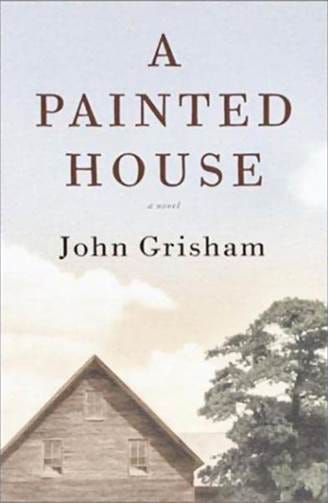
Cover image: A Painted House by John Grisham. Image reproduced for purposes of review and commentary.
For several years, I had wanted to visit Lepanto, Arkansas, the filming location for A Painted House, based on John Grisham’s 2001 novel. Two years after the novel’s publication, it was adapted into a Hallmark Hall of Fame television movie, starring Logan Lerman and Scott Glenn in the two main roles. A former attorney and politician, Grisham is best known for his legal thrillers, but A Painted House is quite different from his usual work. Although the novel contains elements of suspense and mystery, it can also be read as a historical novel, a coming-of-age novel, or a local-color novel. I found the novel interesting and placed Lepanto near the top of my list of places to visit.
In A Painted House, Grisham draws heavily on his childhood memories of rural Arkansas. Born in Jonesboro, Arkansas, in 1955, he knew the region well. Jonesboro is only about forty-two miles northwest of Lepanto. Lepanto is a small town in Poinsett County, located in a flat agricultural area. Although Jonesboro itself is somewhat hilly, it is surrounded by extensive farmland. During Grisham’s early childhood, his parents worked on a cotton farm in Black Oak, a town in Craighead County. When he was four years old, his family moved to Parkin, Arkansas. After living there for three years, they moved to Southaven, Mississippi. Grisham nevertheless spent many of his childhood summers at his grandparents’ farm in Black Oak.
A Painted House begins with the following paragraph:
The hill people and the Mexicans arrived on the same day. It was a Wednesday, early in September 1952. The Cardinals were five games behind the Dodgers with three weeks to go, and the season looked hopeless. The cotton, however, was waist-high to my father, over my head, and he and my grandfather could be heard before supper whispering words that were seldom heard. It could be a “good crop.”
The opening establishes three of the novel’s central elements: the Arkansas landscape, the cotton harvest, and the narrator’s passionate attachment to the St. Louis Cardinals. By placing the arrival of the hill people and Mexicans alongside the Cardinals’ pennant race, Grisham introduces the regional and cultural tensions that shape the story.
As a regional or local-color novel, A Painted House is distinctly set in the Arkansas Delta. Grisham portrays the lifestyle of its residents, including local gossip and church life, the use of hired hands from the Ozarks and Mexico to work the cotton fields, and the residents’ emotional attachment to professional baseball. The novel also reveals tensions between the flatlanders of northeastern Arkansas and the “hill people” from the Ozarks, as well as between residents and Mexican workers. The Spruills, for example, are hired cotton pickers from Eureka Springs in northwestern Arkansas. Thus, alongside its suspenseful plot and elements of a historical bildungsroman, the novel reveals aspects of life, culture, and regional identity that are distinctive to this part of Arkansas.
Lepanto is only about fourteen miles west of Interstate Highway 55, which I take each year on my way to and from Mississippi for an annual conference. However, it was not until March 2026 that I finally took the time to visit Lepanto on my return trip to St. Louis. Rather than making the entire drive in one day, I stayed overnight in Grenada, Mississippi, and left early the next morning for Lepanto. From I-55, I took I-555 west and then turned north onto AR-135. The drive from I-55 to Lepanto took less than fifteen minutes.
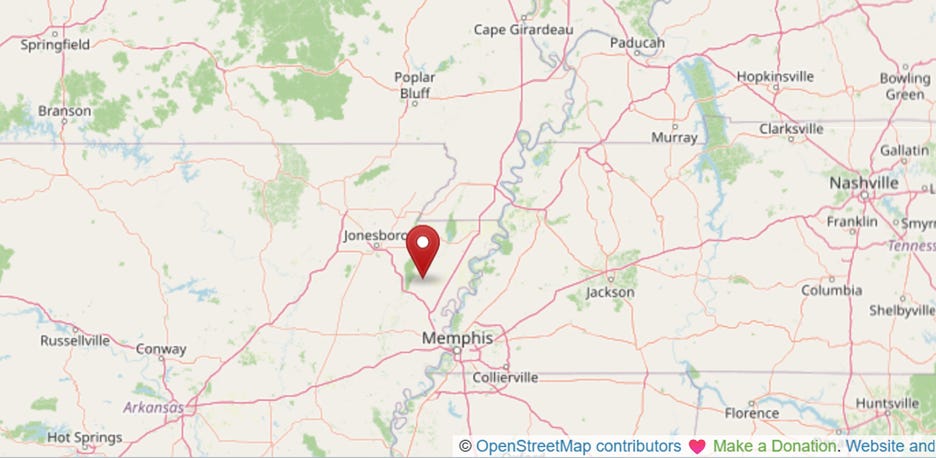
Lepanto, Arkansas, is located about forty-two miles northwest of Memphis, Tennessee. Composite image based on map data © OpenStreetMap contributors.
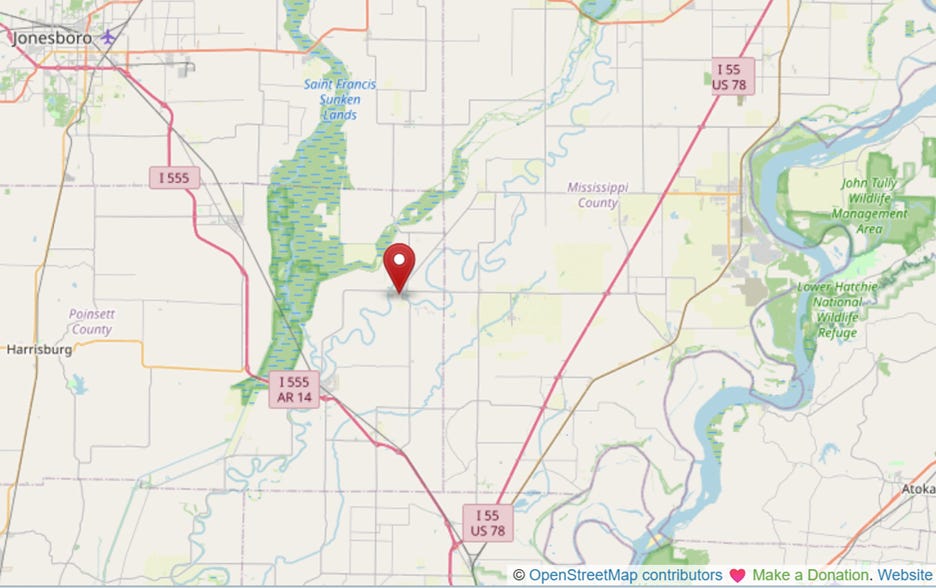
Northeastern Arkansas is characterized by intensive, large-scale row-crop agriculture, made possible by the region’s flat terrain and fertile soils of the Mississippi Alluvial Plain. Cotton and rice are especially important crops, while soybeans and corn are also widely cultivated. Composite image based on map data © OpenStreetMap contributors.
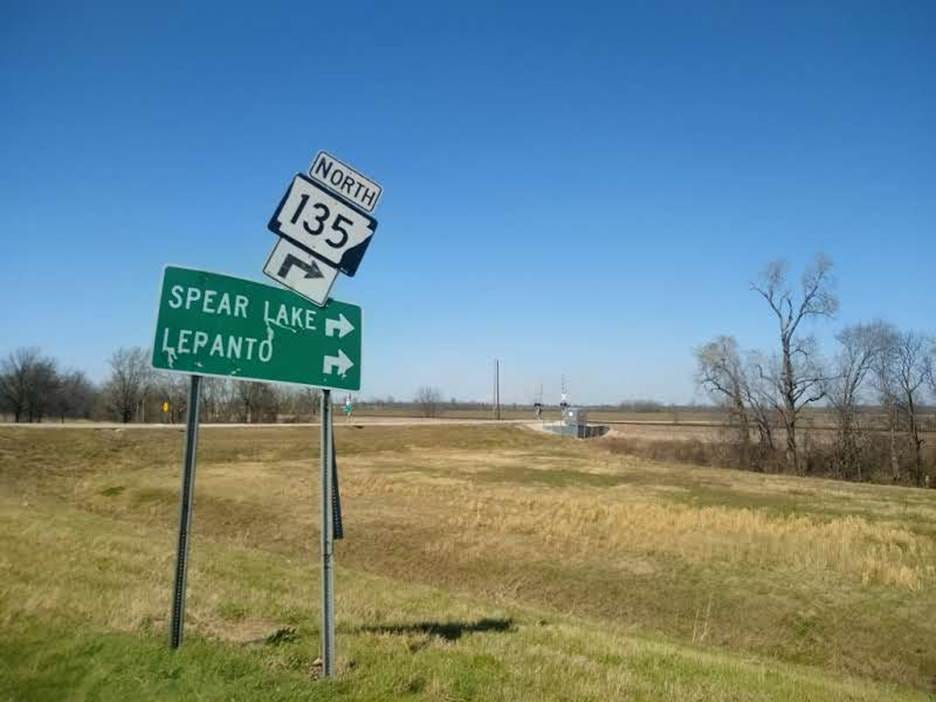
A road sign along I-555 points to the exit for Lepanto.
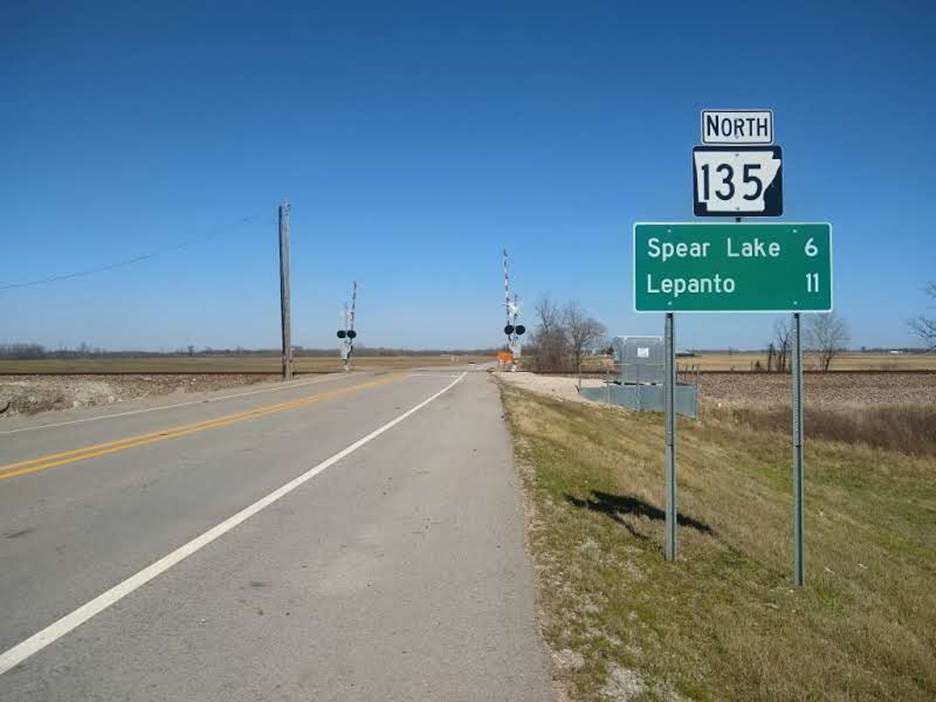
The sign indicates that Lepanto is eleven miles ahead along this country road.
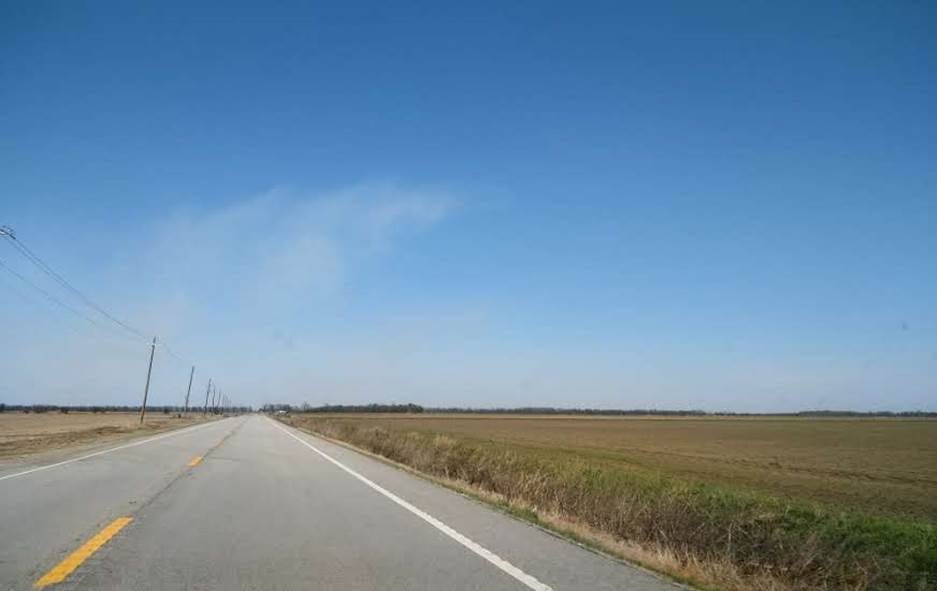
As is often the case along rural roads in Arkansas, there was little traffic on AR-135. During the eleven-mile stretch, I encountered only two or three vehicles. For me, one of the best things about the United States is the spaciousness and leisureliness represented by this road. This kind of scenery allows me to slow down, relax, and appreciate the simple peace of rural life.
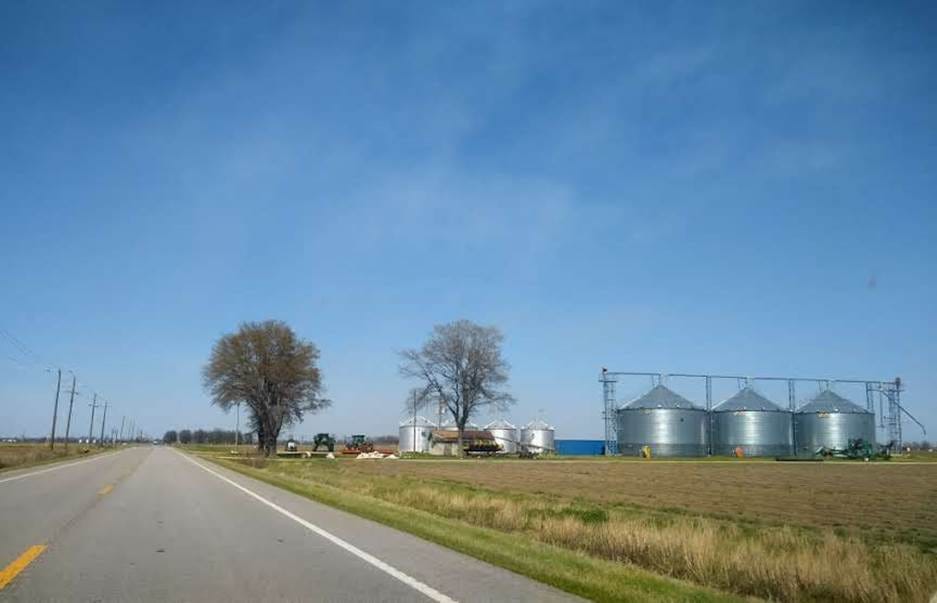
On the way to Lepanto, a farmhouse stands beside structures with pointed roofs that appear to be silos. This is typical scenery on the rural roads of the Midwest and South.
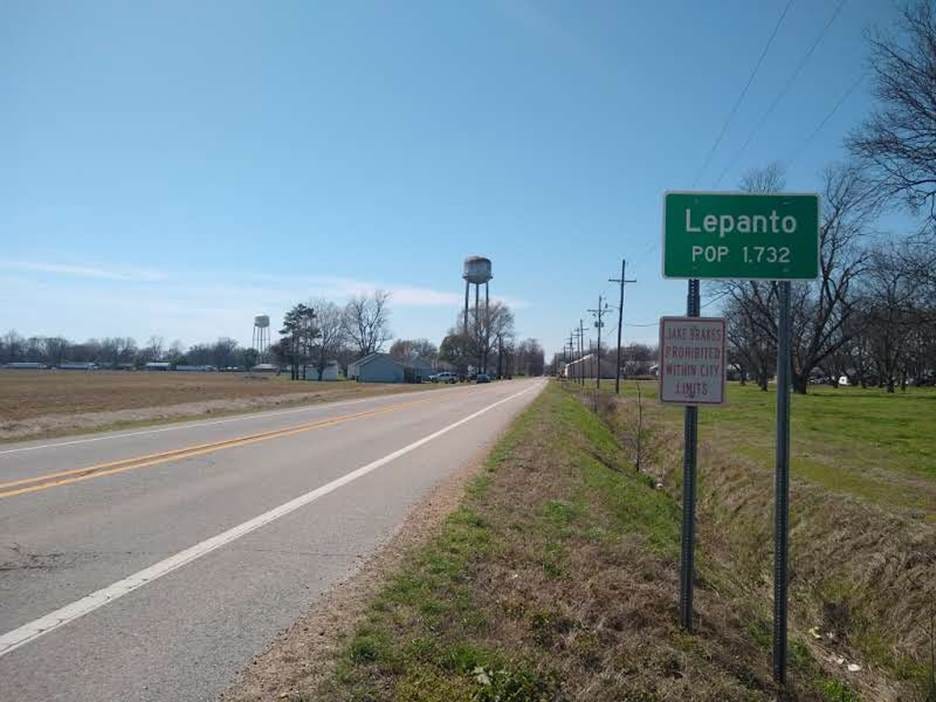
The road sign shows that I have arrived in Lepanto, a city of 1,732 people. Because of my GPS’s incorrect directions, I drove around the city for about fifteen minutes looking for the setting of A Painted House. Then, by accident, I found it near the water tank visible in the foreground of this photo.
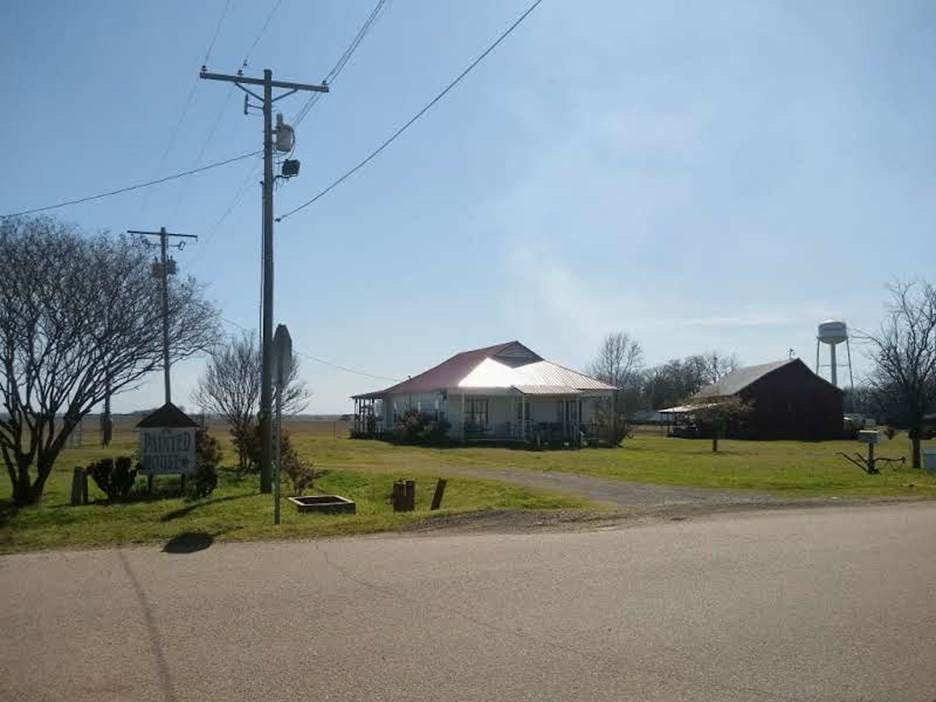
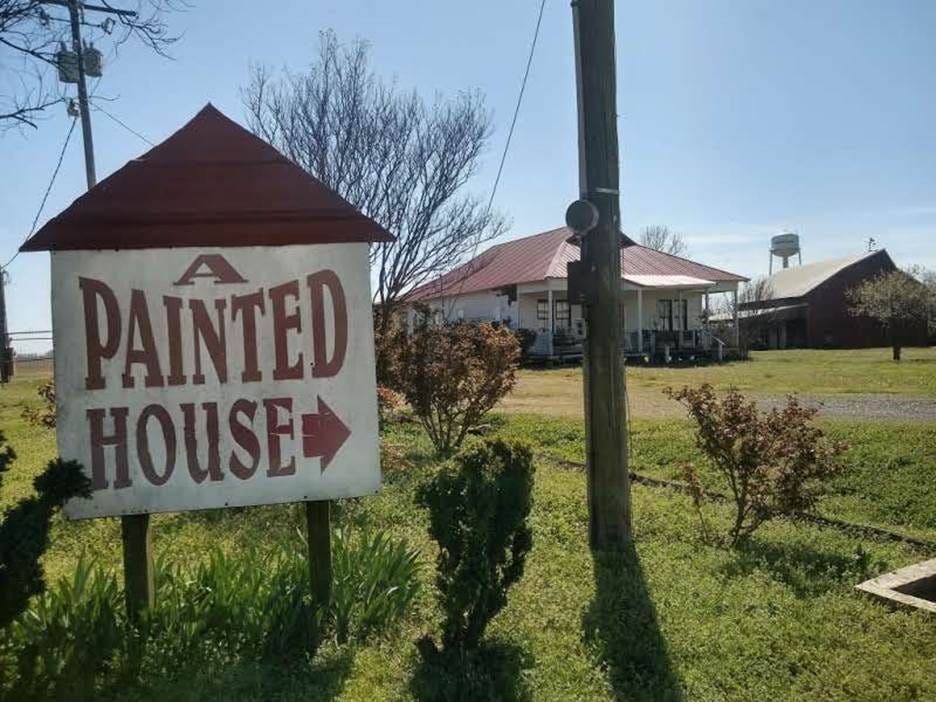
This is the house I was looking for. In Grisham’s novel, the Chandler family’s dilapidated farmhouse needs painting. The house is eventually painted white, and its fresh coat of paint becomes a visible sign of the family’s hope for a more respectable life. As a coming-of-age novel, however, A Painted House suggests that some things cannot simply be covered over with a fresh coat of paint. Luke Chandler’s childhood experiences with violence, racial tensions, family conflict, and adult sexuality expose him to the darker realities of the world around him, gradually replacing childhood innocence with experience. In a way, this transformation recalls William Blake’s Songs of Innocence and of Experience: Shewing the Two Contrary States of the Human Soul (1794), in which innocence gives way to a more complicated understanding of the human condition.
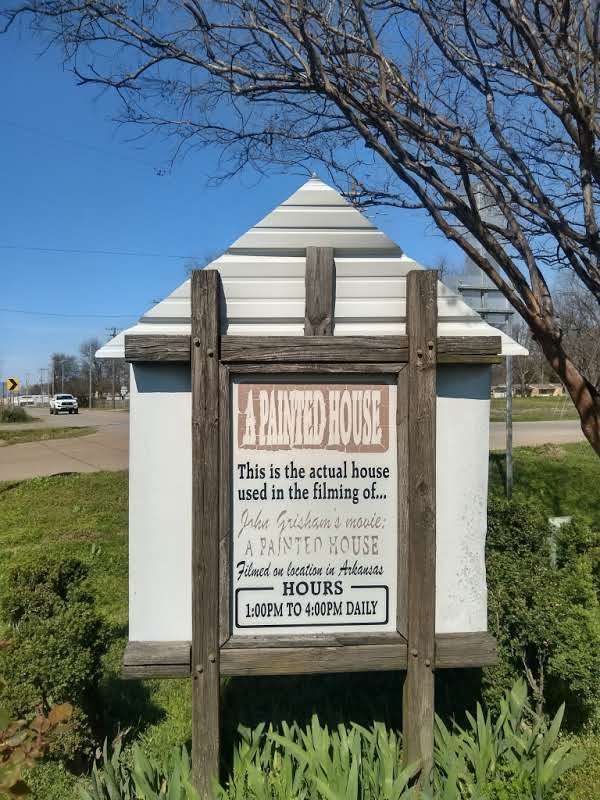
The sign indicates that this is the actual house used in the filming of A Painted House.
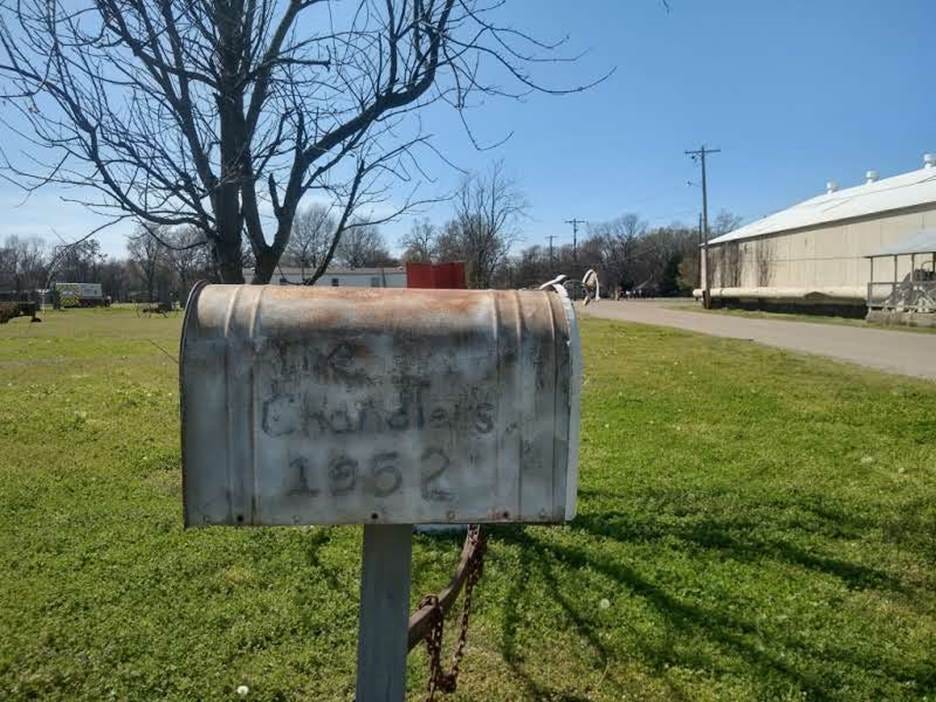
The side of the mailbox bears the main character’s family name, “Chandlers,” and the year in which the story is set, 1952.
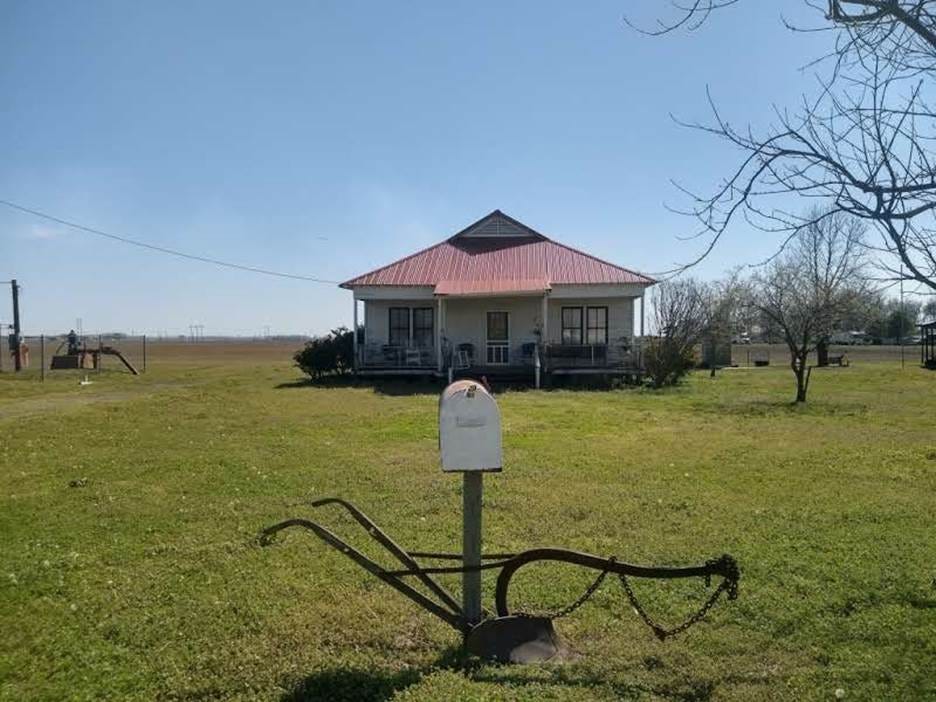
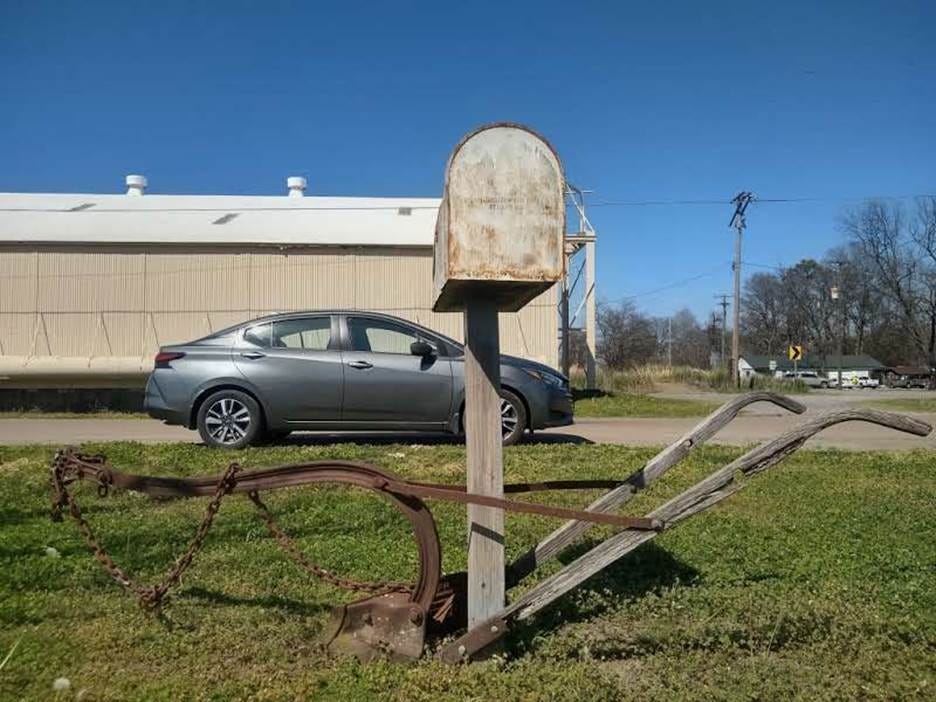
A traditional plough adorns the bottom of the mailbox post.
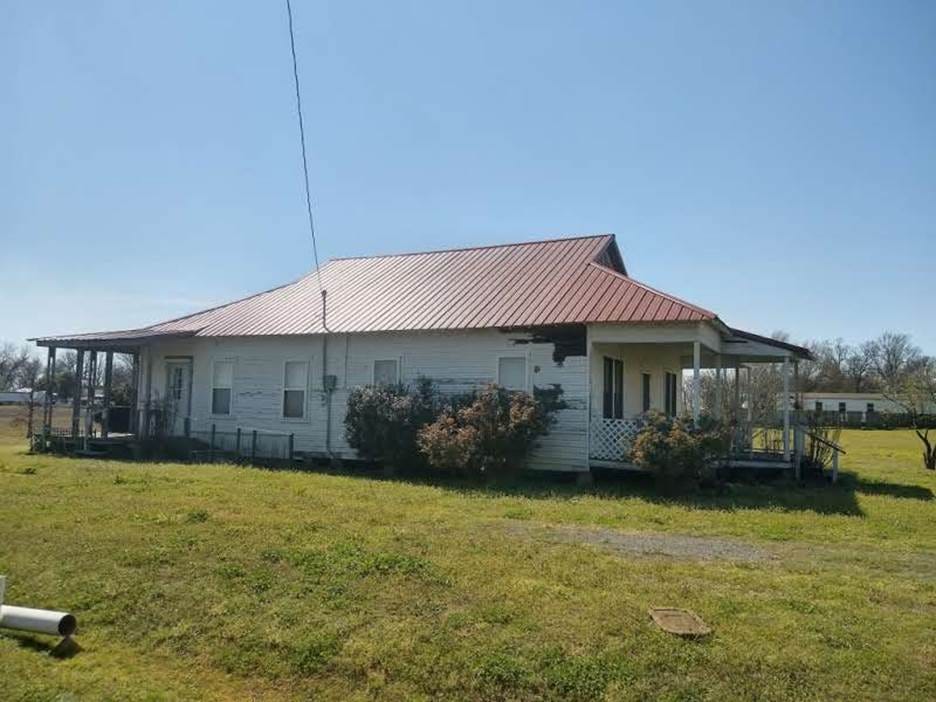
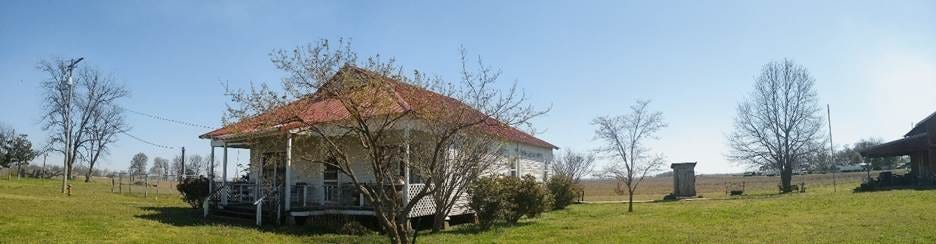
Different views of the painted house.
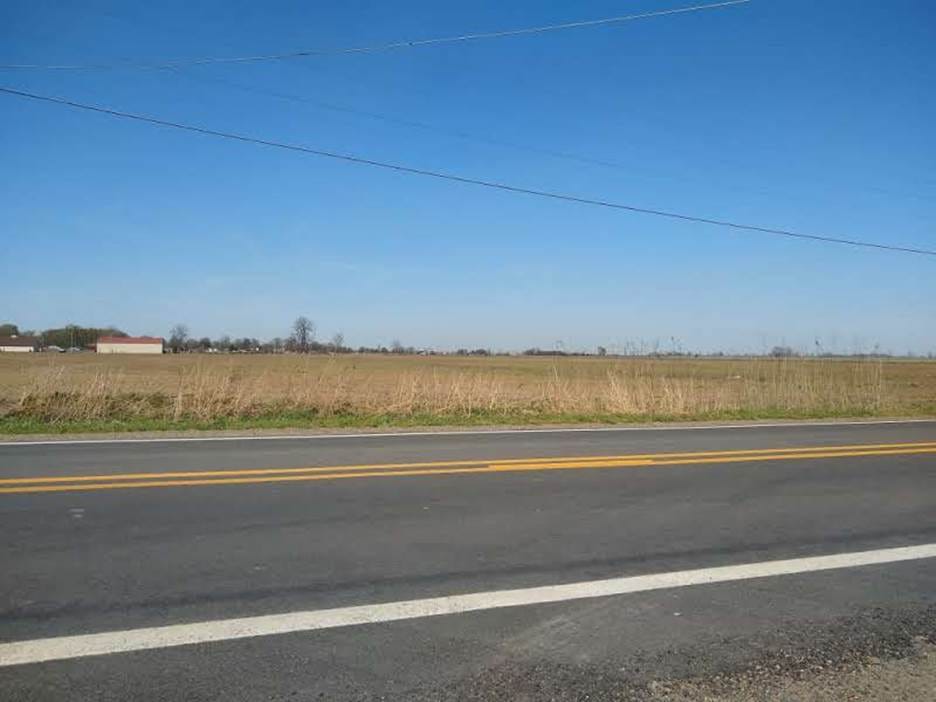

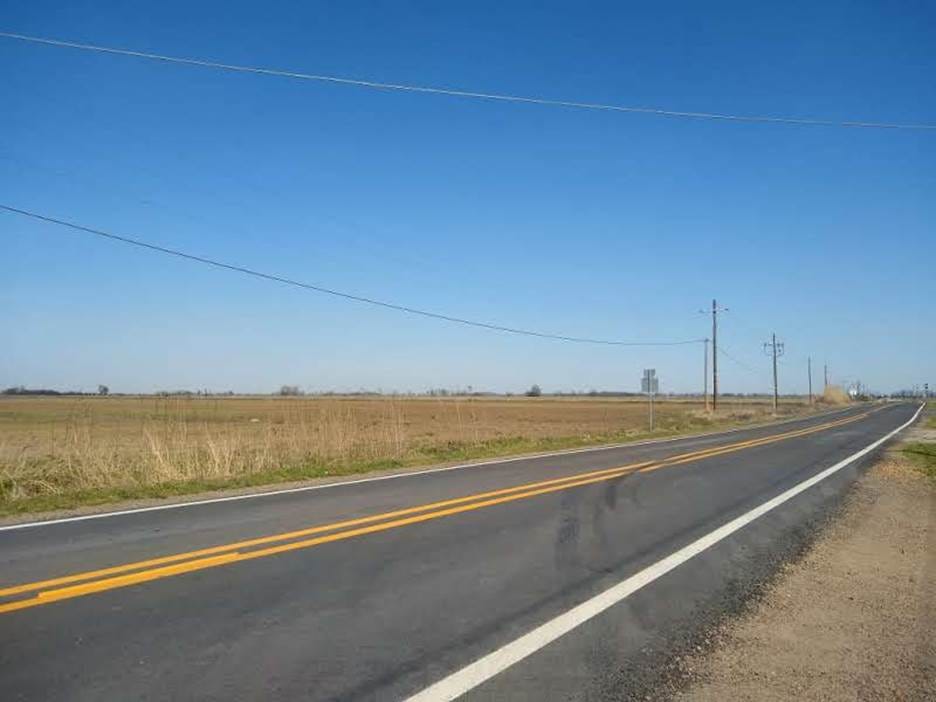
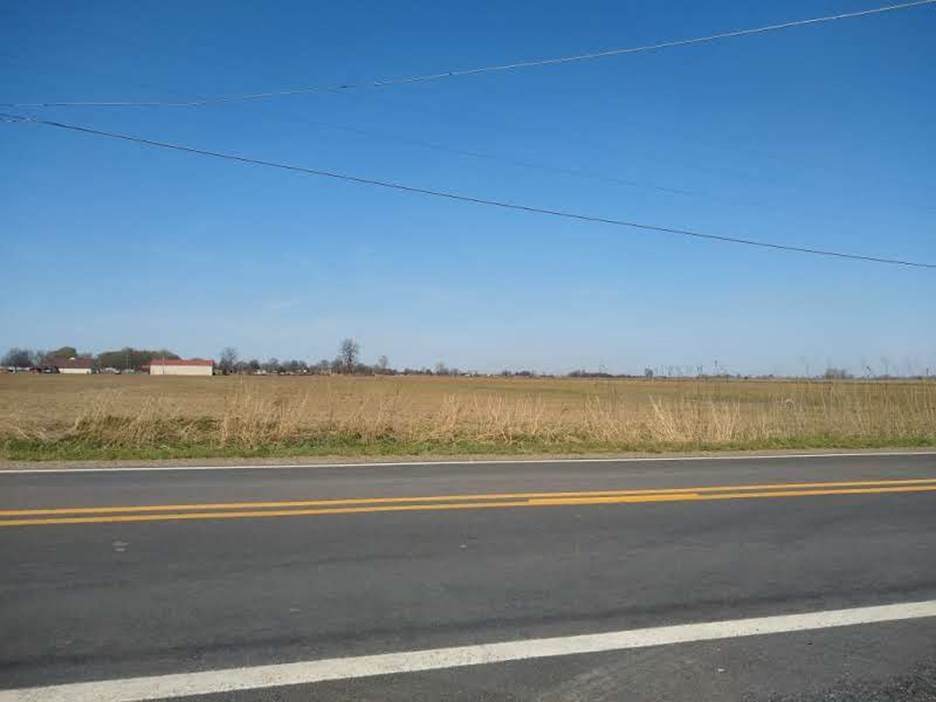
After touring the filming location of A Painted House in Lepanto, I took State Highway 14 east to Interstate 55 on my way home. The highway was flanked by flat agricultural land, a typical landscape in northeastern Arkansas. Driving along an American country road like this helps restore my soul.
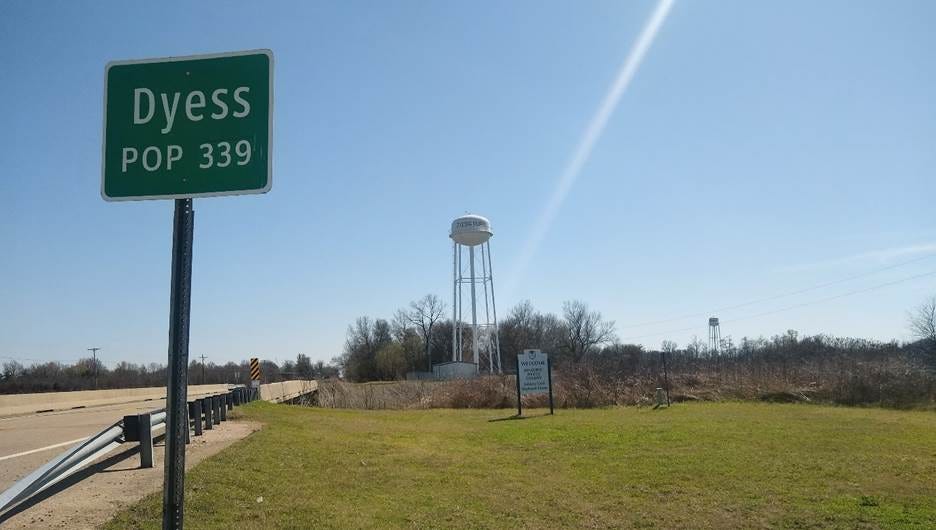
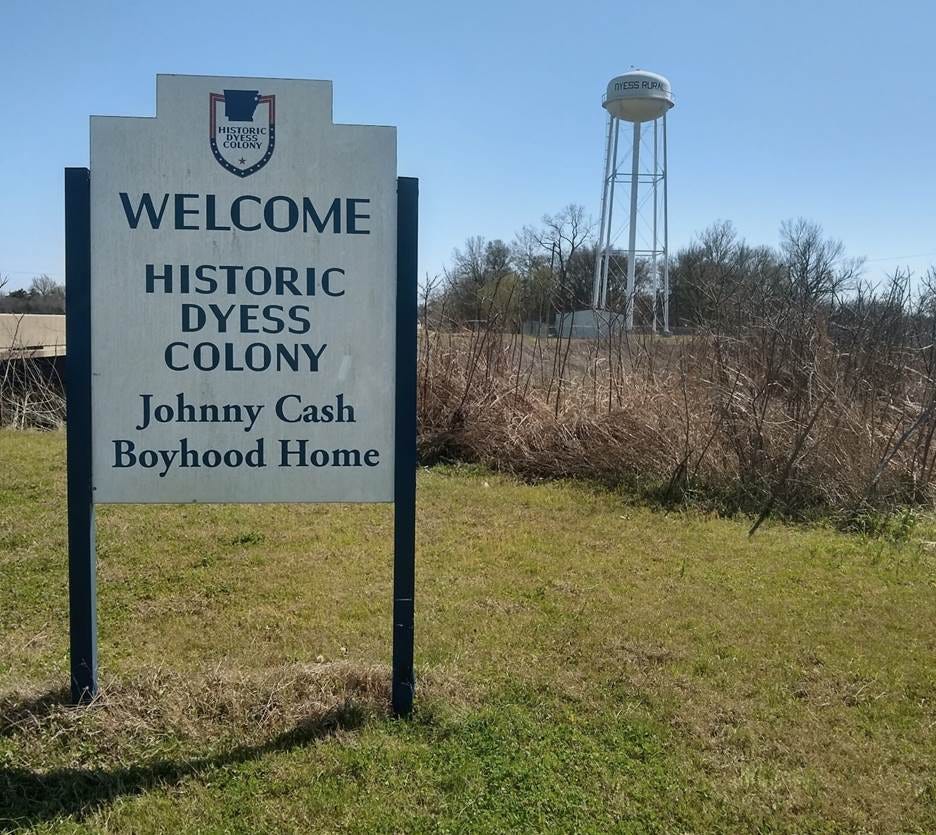
About eight miles east of Lepanto, I turned right onto Highway 297, which soon led to Dyess, the boyhood home of singer-songwriter Johnny Cash (1932–2003). Born to poor cotton farmers in Kingsland, Arkansas, Cash moved with his family to Dyess when he was a young child and spent much of his childhood there.
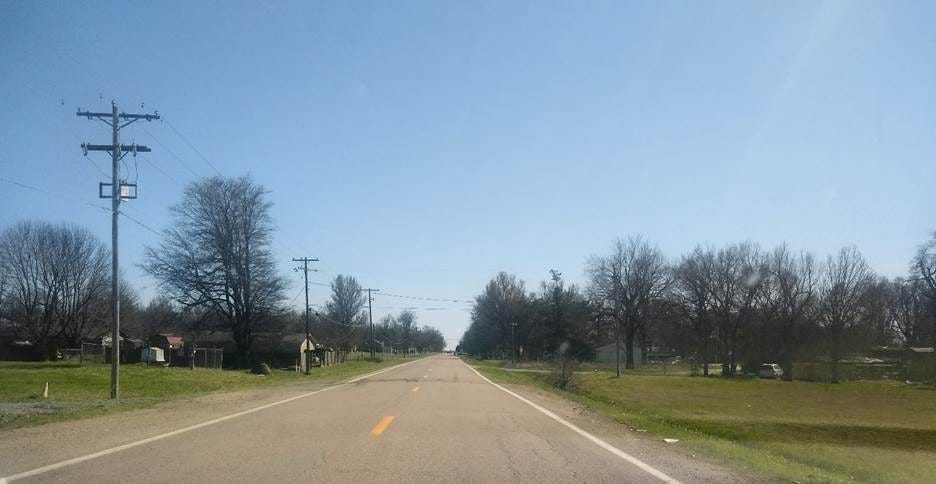
Dyess is a typical rural Southern town, quiet and peaceful. During my visit, I saw no residents outside their homes.
About the Author

Professor of English and Creative Writing and Associate Dean of the School of Humanities and Theology, Missouri Baptist University
John J. Han, PhD, is the author, editor, co-editor, or translator of 38 books published by Rodopi, Peter Lang, McFarland, Bloomsbury Academic, and other presses. He has published hundreds of scholarly articles and more than 3,000 poems, mostly haiku, in journals and anthologies around the world. His forthcoming book, Echoes from the Hills: Critical Essays on Ozarks Literature, co-edited with C. Clark Triplett, will be published by the University of Arkansas Press. He is in his 28th year as a full-time faculty member at Missouri Baptist University, where he has taught since 1999. He has also taught at Kansas State University, the University of Nebraska–Lincoln, Nebraska Wesleyan University, and Washington University in St. Louis. He has served as a visiting scholar at Georgia College & State University and the University of Ljubljana in Slovenia.
© K-Global Scholars and Professionals Forum. All rights reserved. Content published in the K-GSP Forum may not be reproduced, distributed, or transmitted in any form without prior written permission from the K-GSP Forum, except for brief quotations with full attribution.