

The Case of the Mismatched Black Rubber Shoes
An Elementary School Tragedy in Two Left Feet
Summary
A rainy autumn day brings back a childhood memory of losing a brand-new pair of black rubber shoes at elementary school in Korea. In an era when families had little money, a pair of new shoes was a precious gift. When the narrator discovers that his shoes have vanished from the school rack, he is left with two mismatched shoes and no one to blame but an unknown thief. Wearing the awkward pair through muddy streets and rainy alleys, he suffers what feels like a personal catastrophe. His mother’s quiet kindness makes the memory even more touching, while his childish attempts to punish the shoes by stomping on them add a touch of comedy. Blending nostalgia, gentle satire, and the humor of a small childhood injustice, the story recalls a simpler time when even a pair of rubber shoes could leave a lasting mark on the heart.
Keywords: Childhood Memories, Black Rubber Shoes, Korean Childhood, Poverty, Motherly Love, Nostalgia, Humor, Mark Twain–Inspired Satire
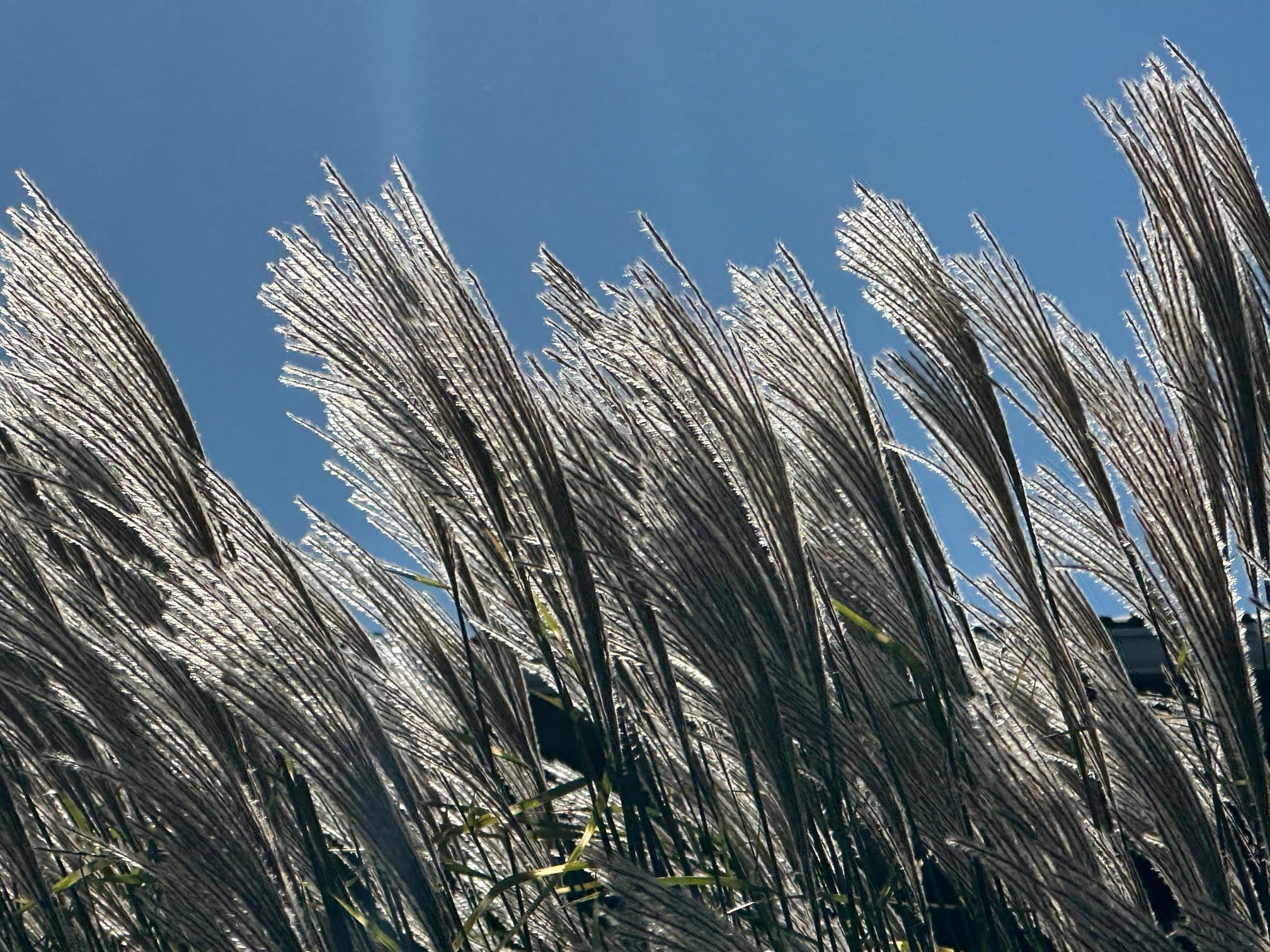
For the past several days, rain had been coming down as though the heavens had lost a lawsuit and were trying to wash away the evidence. Then, without so much as an apology, the rain stopped. Today the autumn sky was brilliantly clear, as if the weather had never committed its recent crimes.
Watching the rain rage like a hurricane, I suddenly remembered my elementary school days and a particular kind of footwear: the black rubber shoes of my childhood.
What possible connection could there be between a hurricane and a pair of rubber shoes? A reasonable person might find none. But childhood memories do not always obey the rules of reason, and my memory has never been particularly interested in obtaining permission before entering the courtroom of my mind.
My case began in Korea during the mid-1960s and continued into the early 1970s, when the country was working hard to become more prosperous. The Five-Year Economic Development Plans promised a brighter future, and the entire nation seemed determined to build one. The country was moving forward, although the shoes of some of its schoolchildren occasionally moved in the wrong direction.
Most families had plenty of children and considerably fewer material possessions. We were rich in siblings, rich in hope, and not always rich in socks.
I remember going to school in socks with holes in them. My mother, being a very practical woman, would mend them with loving care. To make the job easier, she inserted a burned-out lightbulb into each sock and darned the holes around it. The bulb had failed at its original occupation, but it had found a second career in textile repair. Even in those days, we believed in recycling before recycling became fashionable.
During the major holidays, children might receive new clothes from head to toe. If fortune smiled particularly generously upon a family, the celebration might even include a new pair of black canvas sneakers. Such occasions made us feel as though we had inherited a fortune, even if the fortune consisted of one shirt, one pair of trousers, and shoes that had not yet met the road.
On ordinary days, however, our feet were usually protected by black rubber shoes made from recycled tires. They were sturdy, inexpensive, and almost indestructible. A pair could survive rain, mud, gravel, and the general hostility of the Korean countryside. The shoes themselves were tough enough to last for years. Their greatest weakness was that they could be stolen by someone who wanted a better pair.
When it was time to buy new ones, my mother and I would visit the market. We tried on one pair after another until we found a size that fitted my feet. The shopkeeper might have sold the shoes, but my mother and I had to conduct the actual engineering tests. Too small, and my toes would protest. Too large, and I would walk as though I were preparing to leave my feet behind.
At last, we would make our selection and pay for the shoes. I would carry them home with the solemn satisfaction of a young gentleman who had just acquired a new automobile.
The next morning, I would wear them to school with pride. My feet had never looked so promising. I was ready to face the world, conquer arithmetic, and perhaps become somebody important.
I had no idea that the real examination would take place after the final bell.
The School Shoe Rack: A Crime Scene
In those days, students were assigned attendance numbers, generally according to height, beginning with the shortest. I usually found myself numbered somewhere beyond sixty. I cannot say whether this arrangement was intended to encourage humility or merely to simplify the teacher’s bookkeeping, but it did ensure that I was never mistaken for the smallest boy in class.
Outside the classroom stood a shoe rack, divided into spaces where students were supposed to place their shoes according to their attendance numbers. In theory, this was an excellent system. Every child had a number, every number had a place, and every pair of shoes had a designated home.
In practice, the system had one small weakness: it depended upon human honesty.
At the end of the school day, I would hurry out of the classroom, anticipating the pleasure of slipping into my brand-new shoes. I approached the rack with the confidence of a man returning to his own house.
Then I stopped.
My shoes were gone!
I looked again. Perhaps they had moved to another compartment. Perhaps I had forgotten my number. Perhaps the school had introduced a new policy requiring children to exchange their footwear without notice.
I searched the rack from one end to the other. There were black rubber shoes everywhere, but my beautiful new pair had disappeared. What remained looked like the aftermath of a small war in which every soldier had lost one boot.
There were shoes that appeared to belong together but did not. There were shoes that seemed to have been separated by an unhappy marriage. There were shoes whose owners had apparently decided that one shoe was sufficient, provided they could persuade somebody else to take the other.
And there I stood, a boy with two perfectly good feet and no reliable means of covering them.
By then, most of my classmates had already escaped. Some had taken their own shoes. Others, whether through carelessness, confusion, or a sudden discovery of superior footwear, had departed wearing shoes that did not belong to them. The evidence had vanished, the suspects were at large, and the victims were left behind.
Had the school possessed a police department, I would have demanded an immediate investigation. Had it possessed a forensic laboratory, I would have submitted the remaining rubber shoes for fingerprint analysis. Unfortunately, our institution had neither. We had a teacher, a shoe rack, and a number of children who were suddenly very interested in getting home.
I explained my predicament to my teacher. I hoped that an adult, armed with wisdom and authority, would restore order to this collapsing civilization.
But what could the teacher do? The missing shoes were already gone, and the children who had taken them were presumably enjoying their freedom. A lecture on honesty might have been appropriate, but it would not have put my feet back into matching shoes.
The case remained unsolved.
I had discovered one of life’s earliest and most unpleasant lessons: a system can be perfectly organized on paper and still fail spectacularly when people refuse to behave according to the instructions.
Two Shoes, One Disaster
At last, I accepted the only solution available to a boy whose options had been reduced to whatever remained on the rack.
I selected the two shoes that seemed to fit my feet best. They were both black rubber shoes, and both appeared serviceable. Unfortunately, they did not belong together.
One was perhaps a little larger, the other a little smaller. One seemed to have lived a more respectable life than the other. Together, they formed a pair in the same way that two strangers waiting at a bus stop might form a family.
I put them on and began the journey home.
My feet were technically shod, but my dignity had suffered an injury that no bandage could repair. I walked with a limp, not because either shoe was entirely unusable, but because my feet could not agree on the direction or rhythm of the expedition.
If anyone had asked why I was walking so strangely, I might have explained that I was testing a new method of transportation. One foot belonged to the past, the other to the future, and neither was prepared to cooperate with the present.
Unfortunately, the road home was not designed for experimental transportation.
The alleys were unpaved, and when it rained, they became muddy and slippery. Water found its way into my mismatched shoes with an enthusiasm that suggested it had been waiting for this opportunity all morning. Every step brought a new sensation: mud beneath one sole, water inside the other, and humiliation distributed equally between them.
I slipped. I stumbled. I nearly fell.
And with every misstep, my thoughts returned to the thief.
What kind of person steals a child’s new shoes? Had the thief been born without a conscience, or had his conscience simply been left behind in another pair of footwear? Did he know that I had looked forward to wearing those shoes? Did he realize that I was now trudging through muddy alleys in a pair of rubber strangers?
I imagined him walking home in my new shoes, enjoying the pleasure that properly belonged to me.
In my youthful imagination, he was not merely a thief. He was the Emperor of Shoe Thieves, the undisputed champion of the black rubber underworld, a criminal mastermind whose entire empire depended upon the fact that schoolchildren were too innocent to guard their possessions.
I had no evidence against him. I did not know his name, his address, or even whether he had taken my shoes deliberately. But childhood justice does not always require a complete investigation. Sometimes all it requires is a missing pair of shoes and a boy with wet socks.
When I finally arrived home, my mother saw what had happened. She did not scold me. She did not accuse me of carelessness. She did not ask why I had failed to defend my footwear as though I were guarding a national treasure.
She simply accepted the situation with the kindness that only a mother seems capable of bringing to life’s small catastrophes.
Perhaps she understood that I had already suffered enough. Perhaps she knew that a child who has lost a new pair of shoes does not need a lecture on personal responsibility. Or perhaps she recognized that, in the grand scheme of human affairs, two mismatched rubber shoes were not worth adding to the world’s supply of sorrow.
Whatever the reason, her silence was kinder than any speech could have been.
The Revenge of the Black Rubber Shoes
After changing out of my wet clothes, I went out to the wooden veranda and sat alone.
I was still angry. The thief had escaped, the investigation had failed, and the judicial system had offered me no compensation. I had no courtroom in which to present my case, no jury to hear my testimony, and no sheriff to recover my property.
But I had my mismatched shoes.
And those shoes, I discovered, possessed an unexpected quality.
When I pressed them hard against the wooden floor, they made a loud popping sound, rather like a small explosion. The sound was oddly satisfying. It was not the sound of justice, exactly, but it was the closest thing available to a boy with no legal representation.
So I pressed harder.
Pop!
I pressed again.
Pop! Pop!
The rubber shoes responded enthusiastically, as if they, too, had grievances against the world. Perhaps they resented being separated from their rightful partners. Perhaps they were protesting the injustice of having been forced into an arranged marriage with a complete stranger.
Or perhaps they were simply rubber shoes making rubber-shoe noises. But a boy in my condition was entitled to a little imagination.
I continued stamping on them, producing a series of popping sounds that gave me a curious sense of revenge. Every pop seemed to deliver a message to the absent thief: You may have stolen my new shoes, but you have not silenced me!
Of course, the thief was nowhere nearby to hear my declaration. He was probably enjoying a peaceful evening, blissfully unaware that a furious young victim was conducting a one-boy percussion concert on a wooden veranda.
Still, I persisted.
In the absence of a police force, I had become the prosecutor, the judge, the jury, and the executioner. My sentence was simple: the mismatched shoes would be stomped upon until my anger subsided—or until the neighbors began to wonder what sort of machinery was operating in our house.
I cannot remember how long the performance lasted. Childhood anger has no reliable clock. It may burn for an hour, or it may survive for decades in the hidden corners of memory.
What I do remember is the feeling of being wronged. Those shoes had represented more than a purchase. They were new, they were mine, and I had looked forward to wearing them. Their disappearance had wounded my young heart in a way that seemed entirely disproportionate to the financial value of the loss.
But children do not measure sorrow in monetary units. A small object can occupy a very large place in a small person’s world.
And so I continued to curse the mysterious Black Rubber Shoe Thief, a criminal whose identity remains unknown to this day.
If he is still alive, I hope he has become an honest citizen. I also hope that, somewhere along the way, he learned the importance of returning borrowed property—even when the borrowing was done without permission.
As for my shoes, I fear that their case will never be closed.
When the Rain Returns
Looking back now, I can smile at the absurdity of the whole affair. Yet beneath the humor lies a memory of a different Korea, when families had to make careful use of what they possessed, when a new pair of shoes could bring genuine excitement, and when the loss of a modest possession could feel like a personal tragedy.
We did not have much, but we learned to take care of what we had. My mother could turn a burned-out lightbulb into a sock-darning tool. A pair of recycled-tire shoes could carry a child through months of rain and mud. And a boy who had lost his new footwear could still find a way to make music from his misfortune.
That was the resourcefulness of the time, although I would not recommend the shoe-stamping method as a national economic strategy.
The rain has now passed, and the autumn sky is clear. But the storm has brought back the memory of those muddy alleys, that crowded shoe rack, and the boy who trudged home in two shoes that were never meant to be together.
I can still hear the rubber popping beneath my feet on the veranda.
Perhaps that is the peculiar magic of memory: it preserves not only the events that shaped our lives, but also the sounds, smells, and ridiculous details that make those events human.
I never found the thief. I never recovered my new shoes. And I never received an apology, a refund, or even a formal acknowledgment that a crime had been committed.
Still, I have one consolation.
The thief may have stolen my shoes, but he did not get away with my story.
And if this account should ever reach him, I would like to offer one final observation. You may have escaped the school shoe rack, outrun the disappointed children, and evaded the long arm of elementary school justice. But after all these years, your case has finally reached a higher court: ‘the court of literature.’
The verdict?
Guilty as charged.
The sentence?
May you spend the rest of your days wearing two shoes that never match.
And may it rain every time you step outside.
Original Date of Writing: October 2, 2010
짝짝이 검정 고무신 사건
두 발이 서로 다른 방향으로 향했던 초등학교 시절의 비극
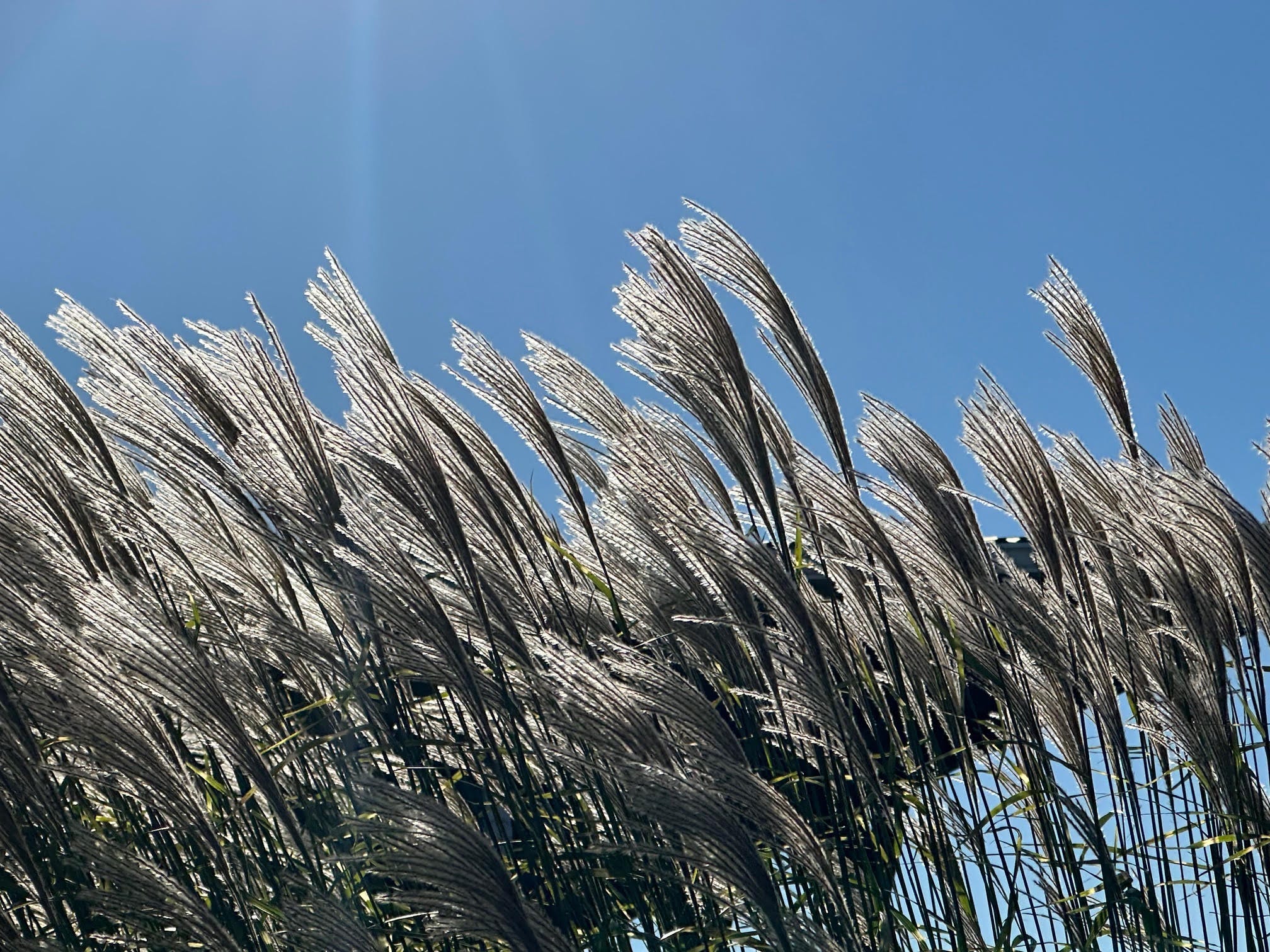
며칠 동안 비가 억수같이 쏟아졌다. 마치 하늘이 소송에서 패소한 뒤 그 증거를 모조리 씻어 없애려는 것처럼 말이다. 그러더니 오늘은 아무런 사과 한마디 없이 비가 뚝 그쳤다. 가을 하늘은 눈부시게 맑았다. 마치 하늘이 지난 며칠 동안 저지른 잘못 따위는 전혀 없었다는 듯이.
지난 며칠 동안 허리케인처럼 사납게 몰아치던 비를 바라보다가 나는 문득 초등학교 시절을 떠올렸다. 그리고 그 시절 내가 신었던 특별한 신발 한 종류가 생각났다. 바로 검정 고무신이었다.
도대체 허리케인과 고무신 한 켤레 사이에 무슨 관계가 있단 말인가? 합리적인 사람이라면 아무런 관계도 없다고 할 것이다. 그러나 어린 시절의 기억은 반드시 이성의 법칙을 따르지는 않는다. 게다가 내 기억이라는 녀석은 내 마음속 법정에 들어오기 전에 허락을 받아야 한다는 규칙 따위에는 별로 관심이 없다.
내 사건은 1960년대 중반부터 1970년대 초반까지의 대한민국에서 시작되었다. 당시 한국은 더 잘사는 나라를 만들기 위해 온 국민이 열심히 노력하고 있었다. 경제개발 5개년 계획을 비롯한 여러 정책이 더 나은 미래를 약속했고, 온 나라가 그 미래를 건설하기 위해 분주했다. 나라도 앞으로 나아가고 있었지만, 간혹 그 나라의 초등학생들이 신던 신발은 엉뚱한 방향으로 움직이곤 했다.
대부분의 가정에는 자녀가 많았고, 물질적으로 넉넉하지는 못했다. 우리는 형제자매가 많다는 점에서는 부자였고, 희망이 많다는 점에서도 부자였다. 다만 양말만큼은 언제나 넉넉한 편이 아니었다.
나는 구멍 난 양말을 신고 학교에 다니던 기억이 난다. 어머니는 정성껏 양말을 꿰매 주셨다. 구멍 난 곳을 쉽게 꿰맬 수 있도록 다 타버린 전구를 양말 속에 넣어 천을 팽팽하게 만든 다음 바느질을 하셨다. 전구는 본래의 직업인 조명에는 실패했지만, 섬유 수선이라는 두 번째 직업을 찾은 셈이었다. 요즘에는 재활용이 유행이지만, 우리는 이미 그 시절부터 재활용의 가치를 실천하고 있었다.
명절이 되면 아이들은 위아래 새 옷을 입을 기회를 얻었다. 운이 아주 좋으면 검정색 캔버스 운동화까지 새로 장만할 수 있었다. 그런 날이면 마치 엄청난 유산을 물려받기라도 한 듯 기분이 좋아졌다. 실제로 물려받은 재산이라고 해 봐야 새 셔츠 한 장, 바지 한 벌, 그리고 아직 길바닥을 만나 보지 않은 새 신발 한 켤레에 불과했지만 말이다.
그러나 평상시에는 대개 재생 타이어로 만든 튼튼하고 검은 고무신을 신었다. 값이 싸고 질겼으며 웬만해서는 망가지지 않았다. 비와 진흙, 자갈길, 그리고 한국 시골길의 온갖 심술을 견뎌 낼 수 있었다. 고무신 자체는 몇 년을 신어도 끄떡없을 만큼 튼튼했다. 단 한 가지 치명적인 약점이 있었다. 더 좋은 신발을 탐내는 누군가가 훔쳐 갈 수 있다는 사실이었다.
새 고무신을 살 때가 되면 어머니와 나는 시장으로 갔다. 여러 켤레를 신어 보고 내 발에 가장 잘 맞는 크기를 골랐다. 신발가게 주인이 신발을 팔기는 했지만, 실제 성능 시험은 어머니와 내가 해야 했다. 너무 작으면 발가락들이 항의했고, 너무 크면 발을 신발 속에 남겨 두고 몸만 걸어가는 듯한 기분이 들었다.
마침내 적당한 신발을 골라 값을 치르면, 나는 마치 새 자동차를 구입한 신사라도 된 듯 의기양양하게 집으로 돌아왔다.
다음 날 아침, 나는 자랑스럽게 새 고무신을 신고 학교에 갔다. 내 발은 그 어느 때보다 근사해 보였다. 나는 세상을 향해 나아갈 준비가 되어 있었다. 산수 문제를 정복하고, 어쩌면 장차 꽤 중요한 인물이 될 수도 있겠다는 생각이 들었다.
그러나 그날의 진짜 시험은 마지막 종이 울린 뒤에 기다리고 있었다.
학교 신발장: 범죄 현장
당시 학생들은 대체로 키가 작은 아이부터 번호를 부여받았다. 내 번호는 보통 60번을 훌쩍 넘었다. 이 제도가 겸손을 가르치기 위한 것이었는지, 아니면 선생님의 출석부 작성을 편리하게 하려는 것이었는지는 알 수 없다. 어쨌든 그 덕분에 나는 반에서 가장 작은 아이로 오해받을 일은 없었다.
교실 밖에는 신발장이 있었다. 학생들은 각자의 출석번호에 해당하는 칸에 신발을 넣어 두어야 했다. 이론적으로는 아주 훌륭한 제도였다. 모든 학생에게 번호가 있었고, 모든 번호에는 자리가 있었으며, 모든 신발에는 지정된 집이 있었다.
실제로는 아주 사소한 약점이 하나 있었다. 바로 인간의 정직성에 의존한다는 점이었다.
수업이 끝나면 나는 새 신발을 신을 생각에 들뜬 마음으로 교실을 나왔다. 마치 자기 집으로 돌아가는 사람처럼 당당하게 신발장 앞으로 다가갔다.
그리고 그 자리에서 멈춰 섰다.
내 신발이 사라졌다!
나는 다시 살펴보았다. 혹시 다른 칸으로 옮겨졌을지도 모른다. 내가 출석번호를 잘못 기억했을 수도 있다. 어쩌면 학교에서 사전 통보도 없이 학생들끼리 신발을 교환하는 새로운 정책을 시행했는지도 모를 일이었다.
나는 신발장 한쪽 끝에서 다른 쪽 끝까지 샅샅이 뒤졌다. 검정 고무신은 사방에 널려 있었지만, 내가 그토록 아끼던 새 신발은 흔적도 없이 사라졌다. 남아 있는 신발들은 마치 모든 병사가 한 짝씩 잃어버린 작은 전쟁터의 잔해처럼 보였다.
분명 한 켤레처럼 보이지만 실제로는 짝이 맞지 않는 신발들이 있었다. 불행한 결혼 생활을 하다가 헤어진 부부처럼 서로 떨어져 있는 신발들도 있었다. 심지어 주인들이 한 짝만 있어도 충분하다고 생각했는지, 다른 누군가가 나머지 한 짝을 가져가 주기를 기다리는 듯한 신발도 있었다.
나는 멀쩡한 두 발을 가지고 있으면서도 제대로 신을 신발이 없는 소년으로 그 자리에 서 있었다.
그때쯤이면 대부분의 친구들은 이미 사라진 뒤였다. 어떤 아이들은 자기 신발을 신고 갔을 것이다. 다른 아이들은 부주의와 혼란 때문이었는지, 아니면 더 좋은 신발을 발견한 기쁨 때문이었는지, 주인이 다른 신발을 신고 떠나 버렸다.
증거는 사라졌고, 용의자들은 도주했으며, 피해자들만 남았다.
만약 우리 학교에 경찰서가 있었다면 나는 즉시 수사를 요구했을 것이다. 법의학 연구소라도 있었다면 남아 있는 고무신에서 지문을 채취해 달라고 했을 것이다. 안타깝게도 우리 학교에는 경찰서도 법의학 연구소도 없었다. 우리에게는 선생님과 신발장, 그리고 이제는 집에 돌아가는 데 유난히 관심이 많아진 아이들만 있었다.
나는 선생님께 나의 처지를 설명했다. 어른이라면 지혜와 권위를 갖추었으니 무너져 가는 이 문명사회를 바로잡아 주실 것이라고 기대했다.
그러나 선생님인들 무엇을 하실 수 있었겠는가? 신발은 이미 사라졌고, 그것을 가져간 아이들은 아마도 자유를 만끽하며 집으로 돌아갔을 것이다. 정직에 관한 훈계는 적절했겠지만, 그렇다고 내 발에 짝이 맞는 신발이 저절로 나타날 리는 없었다.
사건은 미궁에 빠졌다.
나는 인생에서 처음으로 불쾌한 교훈 하나를 깨달았다. 서류상으로는 완벽하게 정리된 제도도 사람들이 규칙을 지키지 않으면 처참하게 실패할 수 있다는 사실이었다.
신발 두 짝, 재앙 하나
마침내 나는 선택의 폭이 고무신장에 남은 신발들로 줄어들었다는 사실을 받아들였다.
나는 내 발에 가장 잘 맞는 신발 두 짝을 골랐다. 둘 다 검정 고무신이었고, 둘 다 신을 만해 보였다. 불행하게도 두 신발은 한 켤레가 아니었다.
한 짝은 조금 더 컸고 다른 한 짝은 조금 더 작았던 것 같다. 한 짝은 다른 한 짝보다 조금 더 점잖은 생활을 해 온 듯했다. 둘이 한 켤레를 이룬다는 것은 버스 정류장에서 우연히 만난 낯선 사람 둘이 갑자기 가족이 되는 것과 비슷했다.
나는 두 신발을 신고 집으로 향했다.
형식적으로는 신발을 신고 있었지만, 내 자존심은 붕대를 감아도 회복되지 않을 상처를 입었다. 나는 절뚝거리며 걸었다. 어느 한쪽 신발이 완전히 쓸모없어서가 아니라, 두 발이 걸음의 방향과 리듬에 합의하지 못했기 때문이었다.
누군가 왜 그렇게 이상하게 걷느냐고 물었다면, 나는 새로운 이동 방식을 시험하고 있다고 대답했을지도 모른다. 한쪽 발은 과거에 속하고 다른 쪽 발은 미래에 속했으며, 어느 쪽도 현재와 협력할 생각이 없었다고 말이다.
그러나 집으로 가는 길은 그런 실험적 이동 방식을 고려해 만들어진 길이 아니었다.
골목길은 포장되지 않았고, 비가 내리면 진흙투성이가 되어 미끄러웠다. 물은 마치 이 순간을 아침부터 기다리고 있었다는 듯 열성적으로 내 짝짝이 고무신 속으로 스며들었다. 한 걸음 내디딜 때마다 새로운 감각이 찾아왔다. 한쪽 신발 밑에는 진흙이, 다른 쪽 신발 안에는 물이, 그리고 양쪽 발에는 똑같은 양의 굴욕이 자리 잡았다.
나는 미끄러졌다. 비틀거렸다. 하마터면 넘어질 뻔했다.
그리고 발을 헛디딜 때마다 내 생각은 다시 그 도둑에게로 향했다.
도대체 어떤 인간이 어린아이의 새 신발을 훔친단 말인가? 태어날 때부터 양심이 없었던 것일까, 아니면 양심을 다른 신발 속에 두고 온 것일까? 그 신발을 얼마나 고대했는지 알고나 있었을까? 내가 이제는 진흙투성이 골목을 짝짝이 고무신을 신고 걸어가야 한다는 사실을 알기나 했을까?
나는 그 도둑이 내 새 신발을 신고 집으로 돌아가며, 원래 내 것이어야 할 기쁨을 만끽하는 모습을 상상했다.
어린 내 상상 속에서 그는 단순한 도둑이 아니었다. 그는 고무신 도둑들의 황제였고, 검정 고무신 지하 세계의 절대 강자였으며, 초등학생들은 자기 물건을 제대로 지킬 만큼 영악하지 못하다는 사실을 이용해 거대한 범죄 제국을 건설한 천재 범죄자였다.
물론 나는 그에 대한 증거가 하나도 없었다. 이름도, 주소도, 그가 일부러 신발을 훔쳤는지조차 알지 못했다. 그러나 어린 시절의 정의는 언제나 완벽한 수사를 필요로 하지는 않는다. 때로는 사라진 신발 한 켤레와 젖은 양말을 신은 소년 한 명이면 충분하다.
마침내 집에 도착했을 때 어머니는 무슨 일이 있었는지 알아차리셨다. 어머니는 나를 야단치지 않으셨다. 부주의했다고 탓하지도 않으셨다. 마치 내가 국가의 보물을 지키는 경비병이라도 되었어야 했다는 듯, 왜 신발을 지키지 못했느냐고 묻지도 않으셨다.
어머니는 그저 어머니만이 베풀 수 있는 따뜻함으로 그 상황을 받아들이셨다.
어쩌면 내가 이미 충분히 속상해 있다는 것을 아셨는지도 모른다. 새 신발을 잃어버린 아이에게 개인의 책임에 관한 강의를 할 필요가 없다는 사실을 알고 계셨을 수도 있다. 아니면 짝짝이 고무신 두 짝이 인류의 슬픔을 더 보탤 만큼 중요한 문제는 아니라는 사실을 알고 계셨을지도 모른다.
이유가 무엇이었든, 어머니의 침묵은 어떤 말보다 따뜻했다.
검정 고무신의 복수
젖은 옷을 갈아입은 뒤 나는 마루에 나가 홀로 앉았다.
여전히 화가 나 있었다. 도둑은 달아났고, 수사는 실패했으며, 사법제도는 내게 아무런 보상도 해 주지 않았다. 내 주장을 펼칠 법정도 없었고, 증언을 들어 줄 배심원도 없었으며, 내 물건을 되찾아 줄 보안관도 없었다.
하지만 내게는 짝짝이 고무신이 있었다.
그리고 나는 그 신발에 뜻밖의 특징이 있다는 사실을 발견했다.
고무신을 나무 마룻바닥에 힘껏 내리누르면 작은 폭발음 같은 큰 소리가 났다. 그 소리는 묘하게도 기분을 좋게 했다. 정확히 정의의 소리라고 할 수는 없었지만, 법률 대리인도 없는 소년에게는 그나마 정의에 가장 가까운 소리였다.
그래서 나는 더 세게 내리눌렀다.
뻥!
다시 한 번 내리눌렀다.
뻥! 뻥!
고무신은 열정적으로 반응했다. 마치 세상에 대한 불만을 품고 있는 것 같았다. 어쩌면 자기의 진짜 짝과 헤어진 것에 분노하고 있었는지도 모른다. 아니면 완전히 낯선 상대와 강제로 결혼하게 된 처지를 항의하고 있었는지도 모른다.
물론 고무신은 그저 고무신 특유의 소리를 내고 있었을 뿐인지도 모른다. 하지만 그런 처지에 놓인 소년에게는 약간의 상상력을 발휘할 권리가 있었다.
나는 계속해서 고무신을 짓눌렀다. 뻥뻥 터지는 소리는 내게 묘한 복수심을 충족시켜 주었다. 소리가 한 번 날 때마다 나는 보이지 않는 도둑에게 이렇게 외치는 듯했다.
“네가 내 새 신발을 훔쳐 갈 수는 있어도, 나를 완전히 침묵시킬 수는 없어!”
물론 그 도둑은 근처에 없었으므로 내 선언을 들을 수 없었다. 아마도 그는 평화로운 저녁을 즐기면서, 한 소년이 나무 마루 위에서 고무신 타악기 연주회를 열고 있다는 사실조차 모르고 있었을 것이다.
그럼에도 나는 계속했다.
경찰이 없는 상황에서 나는 검사이자 판사였고, 배심원이자 집행관이었다. 내 판결은 간단했다. 분노가 가라앉을 때까지 짝짝이 고무신을 밟아 대는 것이었다. 아니면 이웃들이 우리 집에서 무슨 기계를 돌리고 있는지 궁금해하기 시작할 때까지였다.
그 연주가 얼마나 오래 계속되었는지는 기억나지 않는다. 어린 시절의 분노에는 믿을 만한 시계가 없다. 한 시간 만에 사라질 수도 있고, 기억의 구석진 곳에서 수십 년을 버틸 수도 있다.
그러나 내가 분명히 기억하는 것은 억울하다는 느낌이었다. 그 신발은 단순한 물건 이상의 의미를 지니고 있었다. 새것이었고, 내 것이었으며, 나는 그것을 신고 학교에 가기를 손꼽아 기다렸다. 신발이 사라졌다는 사실은 그 물건의 금전적 가치와는 비교할 수 없을 만큼 어린 내 마음에 큰 상처를 남겼다.
아이들은 슬픔을 돈으로 계산하지 않는다. 작은 물건 하나가 어린아이의 세상에서는 엄청나게 큰 자리를 차지할 수 있다.
그래서 나는 그 정체불명의 검정 고무신 도둑을 계속 원망했다. 그의 신원은 오늘날까지도 밝혀지지 않았다.
혹시 그가 아직 살아 있다면, 이제는 정직한 시민이 되었기를 바란다. 그리고 언젠가는 남의 물건을 허락 없이 가져가서는 안 된다는 사실을 깨달았기를 바란다. 빌렸다고 우기든, 잠깐 가져갔다고 변명하든, 신발 한 짝이라도 제 주인에게 돌려주는 것이 중요하다는 사실 말이다.
내 신발 사건은 아마 영원히 미제로 남을 것 같다.
비가 다시 내릴 때
오늘 돌이켜 보면 그 모든 일은 우스꽝스럽기 짝이 없다. 그러나 그 유머 아래에는 또 다른 시대의 기억이 놓여 있다. 가족들이 가진 것을 아껴 써야 했던 시절, 새 신발 한 켤레가 진정한 기쁨을 가져다주던 시절, 그리고 작고 소박한 물건 하나를 잃어버리는 일이 개인적인 비극처럼 느껴지던 시절의 기억이다.
우리는 가진 것이 많지 않았지만, 가진 것을 소중히 여기는 법을 배웠다. 어머니는 다 타버린 전구를 양말 수선 도구로 바꾸셨다. 재생 타이어로 만든 고무신은 몇 달이고 비와 진흙을 견디며 아이의 발을 지켜 주었다. 그리고 새 신발을 잃어버린 소년은 자신의 불행으로부터 음악을 만들어 낼 방법을 찾아냈다.
그것이 당시 사람들이 살아가던 지혜와 임기응변이었다. 다만 고무신을 밟아 대는 방법을 국가 경제발전 전략으로 채택하는 것은 권하고 싶지 않다.
비는 그쳤고, 가을 하늘은 맑아졌다. 그러나 그 비는 내게 진흙투성이 골목길과 복잡한 학교 신발장, 그리고 서로 한 켤레가 될 운명이 아니었던 신발 두 짝을 신고 집으로 터벅터벅 걸어가던 소년을 다시 떠올리게 했다.
나는 아직도 마루 위에서 발밑의 고무신이 뻥뻥 소리를 내던 장면을 기억한다.
어쩌면 그것이 기억이라는 것의 묘한 마법인지도 모른다. 기억은 우리 삶을 바꾼 사건뿐 아니라, 그 사건을 인간답게 만들어 주는 소리와 냄새, 그리고 어처구니없이 우스운 세부 사항까지 보존한다.
나는 도둑을 찾지 못했다. 새 신발도 되찾지 못했다. 사과 한마디도, 환불도, 심지어 범죄가 발생했다는 공식적인 인정조차 받지 못했다.
그러나 내게는 한 가지 위안이 있다.
그 도둑은 내 신발을 훔쳐 갔을지 몰라도, 내 이야기까지 훔쳐 가는 데는 실패했다.
혹시 이 글이 언젠가 그 도둑에게까지 전해진다면, 마지막으로 한마디 해 주고 싶다.
당신은 학교 신발장을 빠져나왔고, 실망한 아이들을 따돌렸으며, 초등학교 사법제도의 긴 팔을 피해 달아나는 데 성공했을 것이다. 그러나 수십 년이 지난 지금, 당신의 사건은 마침내 더 높은 법정에 도달했다. 바로 ‘문학의 법정’이다.
판결은?
유죄!
형량은?
남은 평생 서로 짝이 맞지 않는 신발을 신고 살아갈 것.
그리고 당신이 밖으로 나갈 때마다 꼭 비가 내릴 것!
원문 작성일: 2010년 10월 2일
About the Author

Prof. Dr. Young Choi (Editor-in-Chief) — Regent University
Full list of his K-GSP columns
Full list of his Books at Amazon.com
Young B. Choi is a Professor in the Department of Engineering & Computer Science at Regent University. He published 38 books with ‘Selected Readings in Cybersecurity’ (2018) (about 800 copies archived globally at university/college libraries around the world) and ‘Cybersecurity Applications and Artificial Intelligence’ (2023) available in seven major world languages. He proposed the world’s first global and universal telecommunications “Service Order Handling (SOH)” Model (T-SOH Model) (1995) with Dr. Adrian Tang. With this innovative research work, he received the IEEE NOMS ’96 Best Paper Award and became the first recipient of the Outstanding Contribution Award of the TeleManagement Forum in 1998. His research areas include Natural Language Processing-focused AI, AI-applied cybersecurity, network and telecom service management, and Korean studies on Gani Choi Rip’s Jeonggwan (靜觀: Quiet Contemplation) philosophy and Shilhak ( 實學: Practical Learning).
Suggested Citation
Choi, Y. B. (2026). The Case of the Mismatched Black Rubber Shoes: An Elementary School Tragedy in Two Left Feet. K-GSP Forum.
한글 요약
비가 내리는 어느 가을날, 초등학교 시절 한국에서 새 검정 고무신 한 켤레를 잃어버렸던 기억이 되살아난다. 가족들의 살림이 넉넉하지 않았던 그 시절, 새 신발 한 켤레는 소중한 선물이었다. 학교 신발장에 넣어 둔 새 고무신이 감쪽같이 사라진 것을 발견한 주인공에게 남은 것은 짝이 맞지 않는 고무신 두 짝과 정체를 결코 알 수 없는 도둑에 대한 원망뿐이었다. 어울리지 않는 검정 고무신을 신고 진창길과 비 내리는 골목길을 투덜거리며 혼자 걸어가면서, 주인공은 마치 세상이 무너진 듯한 비참함을 느낀다. 그러나 어머니의 조용하고 따뜻한 배려는 이 기억을 더욱 애틋하게 만든다. 한편, 죄없는 고무신을 힘껏 밟으며 화풀이하는 어린 주인공의 행동은 이야기에 익살스러운 웃음을 더한다. 어린 시절의 소박한 불행을 향수와 부드러운 풍자, 그리고 유머로 풀어낸 이 이야기는 검정 고무신 한 켤레조차 오래도록 마음속에 흔적을 남길 수 있었던 순수하고 소박한 시절을 가만히 되돌아보게 한다.
핵심어
어린 시절의 추억, 검정 고무신, 한국의 어린 시절, 가난, 어머니의 사랑, 향수, 유머, 마크 트웨인식 풍자
© K-Global Scholars and Professionals Forum. All rights reserved. 2026. Content published in the K-GSP Forum may not be reproduced, distributed, or transmitted in any form without prior written permission from the K-GSP Forum, except for brief quotations with full attribution.