

The Great Mountain-Crossing Adventure
Seven Mountains, Several Bad Decisions, and Two Very Welcome Feet on the Ground
Abstract
A hurricane approaching Virginia Beach in September 2010 brought back memories of childhood in South Jeolla Province, Korea, where typhoons were an almost annual visitor. The experience also reminded me of a childhood adventure that began as an innocent mountain-crossing game and nearly ended in a night of confusion, hunger, and fear. Convinced that a group of boys could cross one mountain after another without much difficulty, we set out to conquer the landscape with more enthusiasm than preparation. After crossing approximately seven mountains, however, we discovered that finding our way home was considerably harder than leaving it. Through humor, self-deprecating storytelling, and a touch of irony, this essay reflects on youthful overconfidence, the unpredictable power of nature, the importance of preparation, and the enduring comfort of home.
Keywords: childhood memories, mountain-crossing game, hurricane preparedness, nature, youthful overconfidence, family, life lessons
A Hurricane at the Window
Early one morning, I looked out the window of my home in Virginia Beach and found that the wind and rain had already begun their vigorous performance. Hurricane Earl was approaching, and the weather seemed determined to remind everyone that nature does not require a human invitation before making itself known.
When I lived in Korea, especially in my native South Jeolla Province, typhoons were practically annual visitors toward the end of summer. Some arrived with relatively modest complaints; others behaved as though they had come to repossess the entire neighborhood. South Jeolla often suffered particularly severe damage, and people learned to respect the season when the skies darkened, and the winds began to argue with the rooftops.
America, I observed, takes natural-disaster preparedness seriously. The previous afternoon, I had discovered a hurricane-preparedness notice tucked into the crack beneath my front door. It was a thoughtful reminder that the authorities preferred residents to prepare for trouble before trouble arrived and began rearranging their furniture.
The instructions were practical:
Keep a cell phone charged and available.
Have a standard telephone that can be plugged into a wall outlet.
Keep a first-aid kit ready.
Store extra food and bottled water.
Prepare additional towels and blankets.
Keep flashlights and spare batteries available.
Have gloves, boots, rain gear, and other protective equipment ready.
Fill the vehicle’s gas tank.
Know the evacuation route and be prepared to leave if local authorities issue an order.
In other words, prepare before the emergency, rather than wait until the wind is carrying away the roof to begin searching for a flashlight. There is considerable wisdom in such advice. Unfortunately, wisdom has a peculiar habit of arriving after experience has already collected its admission fee.
As I read the notice, I remembered a childhood adventure in Korea that had taught me a similar lesson. My companions and I had possessed no emergency checklist, no compass, no reliable map, and certainly no adult supervision. We had something we considered far more valuable: youthful overconfidence.
We were about to discover that confidence, when separated from common sense, can become a remarkably effective instrument for getting oneself lost.
The Mountains of My Childhood
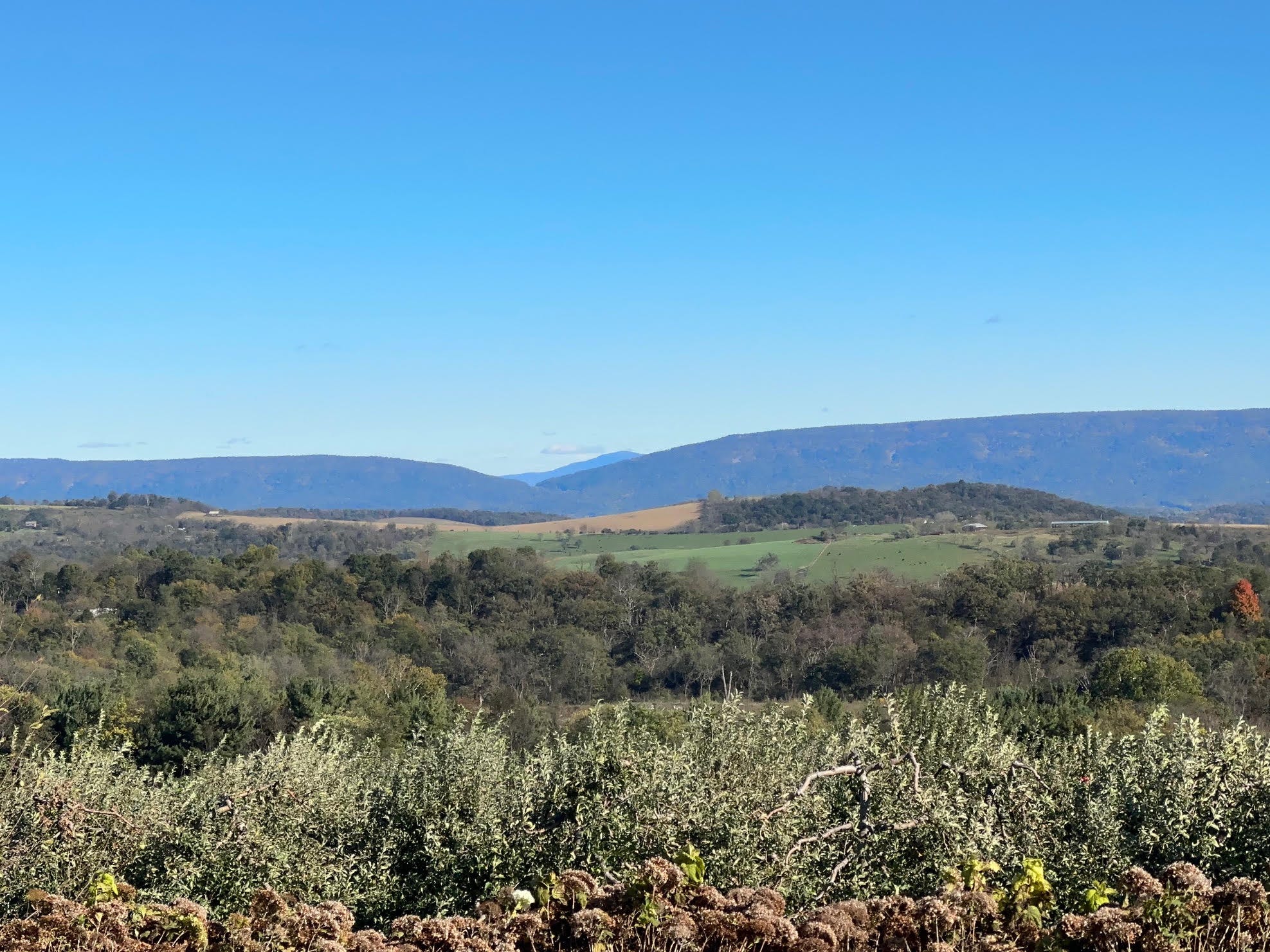
As a boy, I loved hiking. On weekends and during school vacations, neighborhood friends and I would wander toward nearby hills and mountains. Our excursions were usually harmless affairs. We explored trails, climbed slopes, admired the scenery, and eventually returned home, where nobody asked us to submit a written account of our accomplishments.
Those were simpler days. We had no smartphones, no GPS navigation, and no digital maps announcing that we had taken a wrong turn. If we wanted to know where we were, we looked around and made an educated guess. If the guess proved incorrect, we made another.
This system worked reasonably well as long as we remained close to familiar places. Then, one day, one of my friends proposed an idea that seemed magnificent to our young minds. “Let’s see how many mountains we can cross!”
He did not mean climbing a mountain and returning home for lunch. He meant crossing one mountain, descending the other side, continuing to the next, and repeating the process for as long as our legs and enthusiasm permitted. It was, in essence, a mountain-crossing competition.
Today, I would describe the proposal as an outdoor adventure with insufficient planning and a questionable risk-management strategy. At the time, however, I considered it an excellent opportunity to demonstrate our courage, endurance, and general superiority over the surrounding geography.
We did not hold a planning meeting. We did not assess the terrain. We did not establish a turnaround time. We did not even appoint a responsible adult, which might have been the most important omission of all. We simply started walking.
Had a committee of experienced mountain guides been present, it might have raised several objections. Fortunately for the history of our childhood, no such committee was available to interfere with our enthusiasm.
Seven Mountains and One Magnificent Mistake
At first, the adventure was delightful.
We climbed one mountain, descended the other side, and continued toward the next. Each successful crossing strengthened our confidence. The mountains appeared to be surrendering one after another, and we were becoming increasingly impressed with ourselves.
To help us find our way back, we tried to remember distinctive features along the trails: unusual rocks, bends in the paths, trees, slopes, and other landmarks. We believed that if we paid sufficient attention, we could retrace our steps whenever we wished.
This was a reasonable theory, provided that we remembered the landmarks correctly, recognized them when we saw them again, and retained enough daylight to see anything at all. Our plan was therefore excellent in principle and somewhat less impressive in execution.
We continued crossing mountains until we had passed approximately seven of them. Seven! That was a substantial achievement for a group of boys whose principal qualification was that they had not yet developed a proper appreciation of consequences.
Then the light began to fade. The mountains, which had looked friendly and manageable in the afternoon, began to assume a more serious appearance. Familiar paths became difficult to distinguish. Shadows stretched across the ground, and the surrounding landscape seemed to be quietly rearranging itself while we were not looking.
It was time to return. This decision should have been made considerably earlier, but children are often better at recognizing the need for a decision than at making it before the situation becomes urgent. We turned around and began retracing our route. Unfortunately, returning proved much harder than going.
When the Mountains Stopped Being Friendly
The landmarks we had so carefully observed earlier now seemed to have lost their identifying features. A rock that had looked distinctive in daylight could become an ordinary dark shape. A path that had seemed obvious could disappear into the shadows.
We tried to reconstruct our journey from memory, crossing one mountain after another in the opposite direction. But our memories were not as reliable as we had imagined. Every turn seemed to raise another question. Had we passed this tree before? Was that the same slope we had climbed earlier? Were we approaching the mountain we remembered, or had we somehow found another one that looked remarkably similar?
The landscape was becoming darker, and our confidence was shrinking at a speed that would have impressed even the most pessimistic scientist. As dusk deepened, a sense of fear began to spread among us. The woods seemed larger than they had been in daylight, and the distances between familiar places appeared to increase with every passing minute.
We huddled together and hurried down the slopes, moving as quickly as our tired legs allowed. Nobody wanted to be the last boy on the trail. We had started the day competing to see who could cross the most mountains; now we were competing to see who could get away from them first.
At last, we reached the foot of a mountain. We had escaped the immediate problem of climbing and descending, but we had encountered a more complicated one: we had no clear idea where we were. The village before us appeared to be in a direction almost opposite to the one in which our own neighborhood lay. Our grand expedition had apparently carried us much farther than we had intended.
We had conquered seven mountains, only to discover that the mountains had won the more important contest.
The Long Road Home
By then, evening had settled in, and hunger had joined fear as an unwelcome member of our expedition. We began asking people for directions, trying to determine how to reach our own neighborhood. Every answer was valuable, although not every answer made our situation feel better. We had no convenient device to display our location, calculate a route, or reassure us with a cheerful electronic voice.
We had only our tired feet, our uncertain memories, and the hope that someone could point us in the right direction. As we continued searching, I began to feel the weight of our mistake. The adventure that had seemed so exciting only a few hours earlier had become a serious problem. We were hungry, exhausted, and separated from the security of home.
For the first time, I began to understand that being lost was not merely a question of geography. It was also a question of how much confidence one could maintain when the familiar world suddenly became unfamiliar.
Still, we kept moving.
At some point, we came upon a railway line running through the area. We decided to use it as a guide to help correct our direction and continue toward home. At least the railway provided a recognizable landmark, something more dependable than our increasingly unreliable recollections of rocks and trees.
We followed the railway in the hope that it would lead us toward a familiar place. Then, through the growing darkness, I heard someone calling my name. At first, I was not sure I had heard correctly. But the voice came again.
It was my uncle.
He had become worried because I had not returned home by the expected time. He had been searching throughout the neighborhood, anxiously calling for me and trying to discover where I had gone. The moment I recognized his voice, my fear gave way to an overwhelming sense of relief. Tears suddenly came to my eyes, and I rushed into his arms.
I had spent the day trying to prove that I could conquer mountains. At that moment, I discovered that being safely embraced by a family member was a far greater achievement. My uncle had not crossed seven mountains to find me, but his concern made the entire distance between us feel immeasurable.
I cannot remember whether I offered him an elaborate explanation of our expedition. If I did, I suspect the explanation was considerably less impressive than the adventure I had imagined at its beginning.
There are occasions in life when silence is the most convincing form of confession.
A Child’s Education in Geography—and Humility
That experience taught me something I might not have learned from a classroom lesson. Home was not simply a building or a familiar neighborhood. It was a place of security, affection, and belonging. Before that evening, I had taken its comforts for granted. Afterward, I understood how precious they were.
I also learned that nature should never be underestimated. The mountains had not deliberately trapped us. They had not conspired against our expedition or decided to punish a group of overconfident boys. They had simply remained mountains while daylight disappeared, and our limitations became increasingly obvious.
The problem was not that nature had behaved unfairly. The problem was that we had mistaken our enthusiasm for preparation. In our minds, the ability to climb a mountain meant that we were capable of crossing it. The ability to remember a trail meant that we could find it again. And the ability to begin an adventure meant that we could always bring it to a satisfactory conclusion.
Each assumption seemed reasonable until reality began asking questions. Looking back, I realize that our mountain-crossing game was a rather effective demonstration of the difference between courage and recklessness. Courage involves recognizing a challenge and preparing to meet it. Recklessness assumes that preparation is unnecessary because everything will probably turn out well.
Children often confuse the two. Adults, I have noticed, occasionally do the same thing, although they tend to give their mistakes more sophisticated names. A childhood adventure may seem insignificant beside the storms, floods, and other disasters that affect entire communities. Yet the underlying lesson remains relevant: confidence cannot replace preparation, and nature does not adjust its conditions to accommodate our assumptions.
Nature Is a Gift, Not an Opponent
Nature gives us extraordinary gifts. Mountains provide beauty, forests offer shelter and habitat, rivers sustain communities, and the changing seasons remind us of the richness of life. Yet nature can also expose the limits of human strength. Hurricanes, typhoons, floods, wildfires, and other hazards remind us that the world does not operate according to our preferred schedules.
My memories of South Jeolla’s typhoons and my childhood mountain adventure belong to different categories of experience, but they share a common theme. In both cases, human safety depends partly on recognizing forces beyond our immediate control.
We should not respond to every natural hazard with fear, nor should we imagine that technological progress has made us invulnerable. The wiser response is to combine respect for nature with sound preparation, responsible decisions, and a willingness to change our plans when circumstances demand it.
Modern societies sometimes behave as though the natural world were merely a collection of resources awaiting development. We cut forests, reshape landscapes, consume energy, and build settlements while assuming that the consequences can always be managed later. But later may arrive in the form of a storm warning, a flooded road, a damaged ecosystem, or a community struggling to recover from a disaster.
The lesson is not that human beings should abandon development. Rather, development should proceed with a clearer understanding of ecological limits and long-term consequences. We must learn to live with nature rather than continually behaving as though we were competing against it.
My childhood companions and I had attempted to conquer the mountains. A more mature understanding would have led us to appreciate them, prepare for the journey, and return home before darkness made the adventure dangerous. Nature did not need to defeat us. We merely needed to understand our place within it.
From Mountain Trails to Modern Technology
Today, we possess tools that my childhood self could scarcely have imagined. Smartphones can display maps, satellite positioning can identify our locations, and weather services can warn us about approaching storms. Emergency communications can help authorities coordinate evacuations and distribute information. These technologies can make travel safer and disaster preparation more effective. Yet they are not substitutes for judgment.
A phone battery can run out. A network can fail. A road can become impassable. A person can ignore a warning because the sky still looks reasonably pleasant. Even the most sophisticated navigation system cannot guarantee safety if its user refuses to follow sensible advice.
This is particularly important during hurricanes and other emergencies. Residents should prepare supplies in advance, know their evacuation routes, follow official instructions, and avoid unnecessary travel through dangerous conditions. They should also recognize that preparation is a shared responsibility involving individuals, families, communities, and public authorities.
The same principle applies beyond physical emergencies. In research, education, engineering, and cybersecurity, we often celebrate innovation while overlooking the importance of planning, testing, and risk assessment. A system may appear reliable until the environment changes. A plan may appear sound until an unexpected condition exposes its weaknesses. A person may feel completely prepared until the moment when preparation is actually needed.
My childhood mountain expedition was a small event, but it offered an early lesson in risk management: identify the hazards, understand your limitations, establish a way back, and know when to stop. Had we followed those principles, our adventure might have ended with a pleasant walk home instead of a frightening search for familiar streets.
Of course, we would also have missed an excellent story. That is the curious bargain history sometimes offers: we pay for our education in anxiety, and years later we receive the benefit in wisdom and an amusing anecdote.
Why I Still Follow the Person Ahead of Me
Even now, whenever I go hiking, I tend to keep a close eye on the person walking ahead of me. I prefer not to fall too far behind. This habit may seem unremarkable, but it has survived for decades. Somewhere in the back of my mind, seven mountains are still waiting for me to make the same mistake again.
I have no desire to repeat the experiment. If the person ahead turns left, I pay attention. If the trail divides, I try to notice which direction the group takes. If the weather changes or the route becomes uncertain, I am much more willing than I once was to reconsider the plan.
Some people acquire wisdom by reading books. Others acquire it through professional experience. A few fortunate individuals learn from the mistakes of others. I acquired one important lesson by helping a group of boys turn an ordinary afternoon into an unnecessarily complicated expedition.
There is a certain irony in this. We began our adventure because we wanted to demonstrate independence. In the end, our safety depended on the kindness and concern of other people—especially my uncle, who refused to assume that my absence was nothing to worry about.
Growing up does not mean becoming entirely independent of others. It means learning when independence is appropriate and when it is wiser to seek guidance, accept help, and remain connected to those who care about us.
I also learned that mistakes could become useful teachers, provided that we survive them and are willing to examine what went wrong. The most expensive lessons are not always the ones that cost money. Sometimes they cost an evening of fear, a few tears, and the uncomfortable realization that one has been much less clever than one imagined. Fortunately, such lessons can also become valuable gifts when remembered honestly.
The Mountains Have the Last Laugh
As Hurricane Earl approached Virginia Beach that September morning, the wind and rain outside my window brought my childhood adventure vividly back to mind. I looked again at the hurricane-preparedness notice. Its practical instructions seemed even more sensible than before. Keep the phone charged. Prepare supplies. Know the evacuation route. Listen to official warnings. In other words, do not wait until the emergency begins to discover that you have forgotten the essentials.
I thought of the mountains of my childhood, the gathering darkness, our desperate search for the right direction, and the moment when my uncle’s voice finally reached me. American writer Mark Twain would have appreciated the comic contrast between our heroic ambitions and our rather ordinary limitations. We had imagined ourselves as fearless explorers, but we had failed to consider the possibility that the mountains might not cooperate with our schedule. Our greatest achievement was not crossing seven mountains. It was eventually discovering that we needed help getting home. The humor lies in our youthful confidence; the deeper meaning lies in what that confidence concealed. We were not foolish because we wanted an adventure. We were foolish because we believed enthusiasm alone could protect us from the consequences of poor planning.
Life continues to present similar choices. We can charge ahead, assuming that determination will solve every problem, or we can combine ambition with preparation, humility, and respect for circumstances beyond our control. Sometimes we must climb a mountain. Sometimes we must turn back. And sometimes the wisest decision is to recognize that the adventure has already lasted long enough.
As for me, I remain grateful that my childhood expedition ended with a familiar voice and a welcoming embrace rather than a much more serious misfortune. The mountains are still there, quietly minding their own business. My uncle’s concern remains one of my warmest childhood memories. And I have learned to appreciate both the beauty of an adventure and the importance of knowing how to return safely.
If Hurricane Earl had taught me nothing else, it would have reminded me of this: nature deserves our respect, preparation is an expression of wisdom, and home is far too precious to risk merely to prove that we can cross one more mountain. And if I ever organize another mountain-crossing competition, I intend to introduce several important improvements.
First, we will carry a map.
Second, we will establish a sensible turnaround time.
Third, we will check the weather.
Finally, we will invite an adult.
I suspect that the adult will cancel the competition before we begin.
And, for once, I will consider that a victory.
Original Korean Essay Date: September 3, 2010
산 일곱 개를 넘은 대모험
산은 일곱 개, 잘못된 판단은 몇 개, 그리고 땅에 다시 내려선 두 발
국문 요약
2010년 9월, 허리케인 얼(Hurricane Earl)이 버지니아 비치로 다가오자 어린 시절 고향인 전라남도에서 해마다 겪었던 태풍의 기억이 되살아났다. 동시에 산 일곱 개를 넘겠다는 야심 찬 계획으로 시작했다가 어둠과 허기, 두려움 속에서 길을 잃을 뻔했던 어린 시절의 모험도 떠올랐다. 우리는 충분한 준비도 없이 자신감만으로 산을 넘기 시작했지만, 산을 넘어가는 것과 집으로 돌아오는 것은 전혀 다른 문제였다. 유머와 자기풍자를 통해 이 글은 어린 시절의 무모한 자신감, 자연의 예측 불가능성, 사전 준비의 중요성, 그리고 집과 가족이 주는 따뜻한 안도감을 되돌아본다.
핵심어: 어린 시절의 추억, 산넘기 놀이, 허리케인 대비, 자연, 젊은 날의 과신, 가족, 삶의 교훈
창밖으로 다가온 허리케인
어느 이른 아침, 버지니아비치에 있는 집의 창밖을 내다보니 거센 바람과 비가 벌써 한바탕 기세를 올리고 있었다. 허리케인 얼이 다가오고 있었고, 날씨는 인간에게 자연이란 우리가 초대장을 보내야만 찾아오는 손님이 아니라는 사실을 일깨워 주려는 듯했다.
한국에서 살던 시절, 특히 나의 고향인 전라남도에서는 여름이 끝나갈 무렵이면 태풍이 거의 해마다 찾아왔다. 어떤 태풍은 비교적 얌전하게 불평 몇 마디만 늘어놓고 지나갔지만, 어떤 태풍은 마치 동네 전체를 통째로 압류하러 온 것처럼 사납게 굴었다. 전라남도는 태풍으로 인한 피해가 특히 심한 지역 중 하나였으며, 사람들은 하늘이 어두워지고 바람이 지붕과 씨름하기 시작하면 태풍철이 왔음을 실감하곤 했다.
미국은 자연재해에 대비하는 일을 상당히 진지하게 여기는 나라라는 생각이 들었다. 전날 오후, 집에 돌아왔을 때 현관문 틈에 끼워 놓은 허리케인 대비 안내문을 발견했다. 당국은 주민들이 문제가 닥친 다음에야 허둥대지 말고, 문제가 찾아오기 전에 미리 대비하기를 바라는 듯했다.
안내문에는 다음과 같은 실용적인 지침이 적혀 있었다.
휴대전화를 충분히 충전해 두고 언제든 사용할 수 있도록 한다.
벽면 전원에 연결해 사용할 수 있는 일반 유선전화기를 준비한다.
구급상자를 마련해 둔다.
여분의 식량과 생수를 비축한다.
여분의 수건과 담요를 준비한다.
손전등과 여분의 건전지를 확보한다.
장갑, 장화, 우비 등 필요한 보호 장비를 준비한다.
자동차의 연료 탱크를 가득 채워 둔다.
거주지의 대피 경로를 미리 알아 두고, 지방 당국이 대피 명령을 내리면 즉시 따를 수 있도록 준비한다.
한마디로 말하면, 비상사태가 닥치기 전에 준비하라는 뜻이었다. 바람이 지붕을 날려 보내는 순간에야 손전등을 찾기 시작하지 말라는 이야기이기도 했다.
이러한 안내에는 분명 지혜가 담겨 있었다. 그런데 지혜라는 것은 묘한 구석이 있다. 때로는 경험이 이미 수업료를 받아 간 뒤에야 우리를 찾아온다.
안내문을 읽는 동안, 나는 한국에서 어린 시절 겪었던 어느 모험을 떠올렸다. 그때 그 경험은 허리케인 대비와 비슷한 교훈을 내게 가르쳐 주었다. 당시 나와 친구들에게는 비상 점검표도, 나침반도, 믿을 만한 지도도 없었다. 어른의 감독은 더더욱 없었다. 대신 우리는 훨씬 더 가치 있는 것을 가지고 있다고 생각했다. 바로 어린이다운 자신감이었다.
우리는 곧 상식과 분리된 근거없는 자신감이 사람을 길 잃게 만드는 데 얼마나 효과적인 도구인지 깨닫게 될 참이었다.
어린 시절의 산들
어린 시절 나는 등산을 좋아했다. 주말이나 방학이 되면 동네 친구들과 가까운 산과 언덕을 찾아다녔다. 우리의 산행은 대개 별 탈 없는 일이었다. 오솔길을 탐험하고, 비탈길을 오르고, 경치를 구경한 다음 집으로 돌아왔다. 집에 돌아와서 우리가 무엇을 성취했는지 보고서를 제출하라는 사람도 없었다.
그 시절은 지금보다 단순했다. 스마트폰도 없었고, GPS도 없었으며, 잘못된 길로 들어섰다고 알려 주는 디지털 지도도 없었다. 자신이 어디에 있는지 알고 싶으면 주변을 둘러보고 나름대로 추측해야 했다. 그 추측이 틀리면 다른 추측을 해 보았다.
적어도 익숙한 동네 주변에 머무르는 동안에는 그런 방법도 제법 쓸 만했다.
그러던 어느 날, 친구 한 명이 우리 어린 마음을 단번에 사로잡을 만한 제안을 했다.
“우리 산을 몇 개나 넘을 수 있는지 한번 모험해 보자!”
그 친구의 뜻은 산 하나를 올라갔다가 내려와 점심을 먹으러 집에 가자는 것이 아니었다. 산 하나를 넘고, 반대편으로 내려간 다음, 다음 산으로 계속 이동하면서 다리와 의욕이 허락하는 한 산을 넘어보자는 것이었다.
말하자면 산넘기 시합이었다.
오늘날의 관점에서 보면 이 계획은 야외 모험이라는 이름을 달고 있었지만, 계획은 너무 부실했고 위험 관리 전략은 매우 의심스러웠다. 그러나 당시 나는 그런 문제를 전혀 생각하지 않았다. 오히려 우리의 용기와 지구력, 그리고 주변 지형보다 우리가 얼마나 대단한 존재인지를 증명할 절호의 기회라고 생각했다.
우리는 사전 계획 회의를 열지 않았다. 지형을 평가하지도 않았다. 돌아올 시간을 정하지도 않았다. 책임감 있는 어른을 한 명이라도 동행시키지 않았는데, 어쩌면 이것이 가장 중요한 실수였을 것이다.
우리는 그저 걷기 시작했다.
만일 경험 많은 산악 안내원들로 구성된 위원회가 그 자리에 있었다면 여러 가지 반대 의견을 제시했을 것이다. 다행히도 어린 시절의 역사를 기록하는 데 방해가 될 만한 그런 위원회는 없었다.
산 일곱 개와 근사한 착각 하나
처음에는 모험이 무척 즐거웠다.
산 하나를 올라 반대편으로 내려간 다음 또 다른 산을 향해 걸었다. 산을 하나씩 넘을 때마다 자신감도 커졌다. 산들은 차례로 우리에게 항복하는 것처럼 보였고, 우리는 스스로가 점점 더 대단한 존재라고 생각하기 시작했다.
돌아오는 길을 찾기 위해 우리는 등산로 주변의 특징적인 지형지물을 기억하려고 애썼다. 유난히 모양이 특이한 바위, 굽어진 길, 나무, 비탈의 형태 같은 것들이었다. 주변을 잘 살펴 두면 언제든 왔던 길을 되짚어 돌아갈 수 있다고 믿었다.
물론 그럴듯한 생각이었다. 다만 몇 가지 조건이 충족되어야 했다. 우리가 지형지물을 정확히 기억해야 했고, 돌아오는 길에 그것들을 알아볼 수 있어야 했으며, 무엇보다도 그것들을 볼 수 있을 만큼 날이 밝아야 했다.
우리 계획은 이론상 훌륭했지만 실제로 실행하는 과정에서는 다소 아쉬운 구석이 있었다.
우리는 계속해서 산을 넘었다. 그렇게 대략 일곱 개의 산을 지나왔다. 일곱 개라니! 아직 행동의 결과를 제대로 이해하지 못하던 어린아이들에게는 상당한 성취였다.
그러나 곧 햇빛이 희미해지기 시작했다.
오후에는 친근하고 만만해 보이던 산들이 점점 심각한 표정을 짓기 시작했다. 익숙하던 길을 구별하기 어려워졌다. 그림자가 땅 위로 길게 늘어졌고, 우리가 한눈을 파는 사이 주변 풍경이 슬그머니 자리를 바꾸기라도 한 것 같았다.
이제 돌아가야 할 때였다.
물론 이 결정은 훨씬 일찍 내렸어야 했다. 하지만 아이들은 결정을 내려야 한다는 사실을 알아차리는 데는 능숙해도, 상황이 다급해지기 전에 결정을 내리는 데는 서툴다.
우리는 방향을 돌려 왔던 길을 되짚기 시작했다.
그런데 돌아오는 길은 갈 때보다 훨씬 어려웠다.
산이 더 이상 친절하지 않을 때
낮에 그렇게 열심히 살펴보았던 지형지물들이 이제는 제 모습을 감추기라도 한 듯했다. 독특해 보이던 바위도 어둠 속에서는 그저 검은 덩어리처럼 보였다. 분명해 보였던 오솔길도 그림자 속으로 사라졌다.
우리는 기억을 더듬으며 산을 하나씩 거꾸로 넘어가기 시작했다. 그러나 우리의 기억은 생각만큼 믿을 만하지 않았다. 갈림길을 만날 때마다 새로운 의문이 생겼다.
우리가 아까 지나갔던 나무가 맞을까?
이 비탈길이 조금 전에 올라왔던 그 길일까?
지금 우리가 다가가는 곳은 기억 속의 바로 그 산일까, 아니면 그 산과 놀라울 만큼 닮은 다른 산일까?
주변은 점점 어두워졌고, 우리의 자신감은 비관적인 과학자조차 감탄할 만큼 빠른 속도로 줄어들었다.
해가 저물자 두려움이 우리 사이로 퍼져 나갔다. 숲은 낮보다 훨씬 넓어 보였고, 익숙한 장소 사이의 거리는 시간이 흐를수록 점점 멀어지는 것 같았다.
우리는 서로 바짝 붙어서 비탈길을 서둘러 내려갔다. 지친 다리가 허락하는 한 최대한 빨리 움직였다. 누구도 맨 뒤에 남고 싶지 않았다. 낮에는 누가 산을 가장 많이 넘을 수 있는지 경쟁했지만, 이제는 누가 산에서 가장 빨리 벗어날 수 있는지를 놓고 경쟁하는 형국이었다.
마침내 산 아래에 도착했다.
일단 산을 오르내려야 하는 문제에서는 벗어났지만, 이번에는 훨씬 더 복잡한 문제가 우리를 기다리고 있었다. 우리가 대체 어디에 있는지 알 수 없었던 것이다.
눈앞에 나타난 마을은 우리가 살던 동네와 거의 정반대 방향에 있는 것처럼 보였다. 우리의 원대한 원정은 애초 생각했던 것보다 훨씬 멀리까지 우리를 데려온 모양이었다.
우리는 산 일곱 개를 정복했지만, 정작 중요한 경쟁에서는 산들에게 보기좋게 패배한 셈이었다.
집으로 돌아가는 긴 여정
그때는 이미 저녁이 깊어 가고 있었고, 배고픔까지 우리 일행에 달갑지 않은 동행자로 합류했다.
우리는 사람들에게 길을 물으며 집으로 돌아갈 방법을 찾기 시작했다. 누군가 알려 주는 방향은 모두 귀중했지만, 모든 설명이 우리의 마음을 편하게 해 주는 것은 아니었다. 현재 위치를 보여 주거나 경로를 계산해 주고, 밝고 경쾌한 전자 음성으로 우리를 안심시켜 줄 기기는 없었다.
우리에게는 지친 발과 믿을 수 없게 된 기억, 그리고 누군가가 올바른 방향을 알려 줄 것이라는 희망뿐이었다.
계속 길을 찾는 동안 나는 우리가 저지른 실수의 무게를 실감하기 시작했다. 몇 시간 전까지만 해도 신나는 모험이었던 일이 이제는 심각한 문제가 되어 있었다. 우리는 배가 고팠고, 몹시 지쳤으며, 집이라는 안전한 공간에서 멀리 떨어져 있었다.
그날 처음으로 나는 길을 잃는다는 것이 단순히 지리적인 문제만은 아니라는 사실을 깨닫기 시작했다. 익숙한 세계가 갑자기 낯설어졌을 때, 우리는 얼마나 오랫동안 자신감을 계속 유지할 수 있을까 하는 문제이기도 했다.
그래도 우리는 계속 걸었다.
얼마쯤 갔을 때, 우리는 그 지역을 가로지르는 철로를 발견했다. 철로를 길잡이 삼아 방향을 바로잡고 집을 향해 계속 가기로 했다. 적어도 철로는 눈에 보이는 지형지물이었다. 바위와 나무에 관한 우리의 불확실한 기억보다는 훨씬 믿을 만해 보였다.
우리는 익숙한 곳으로 이어지기를 바라며 철로를 따라 걸었다.
바로 그때, 점점 짙어지는 어둠 속에서 누군가 내 이름을 부르는 소리가 들렸다.
처음에는 잘못 들었나 싶었다. 그러나 그 목소리가 다시 들려왔다.
삼촌이었다.
예정된 시간이 훨씬 지났는데도 내가 돌아오지 않자 삼촌은 걱정하기 시작하셨다. 동네 곳곳을 다니며 나를 애타게 부르고, 내가 어디에 갔는지 알아보려고 찾고 계셨던 것이다.
삼촌의 목소리를 알아듣는 순간, 두려움은 압도적인 안도감으로 바뀌었다. 갑자기 눈물이 쏟아질 것 같았고, 나는 삼촌의 품으로 달려갔다.
나는 하루 종일 산을 정복할 수 있다는 것을 증명하려고 애썼다. 그러나 바로 그 순간, 가족의 품에 안전하게 안기는 일이 훨씬 더 큰 성취라는 사실을 깨달았다.
삼촌은 나를 찾으려고 산 일곱 개를 넘으신 것은 아니었다. 하지만 나를 걱정하던 그 마음 때문에 우리 사이의 거리는 그 어떤 산보다도 멀게 느껴졌다.
그때 내가 우리의 원정에 관해 장황한 설명을 늘어놓았는지는 기억나지 않는다. 만일 설명했다 해도, 그 내용은 모험을 시작할 때 내가 상상했던 것만큼 대단하지는 않았을 것이다.
인생에는 침묵이 가장 설득력 있는 고백이 되는 순간도 있다.
지리와 겸손을 함께 배운 어린 시절
그 경험은 교실에서 배웠더라면 얻기 어려웠을 교훈을 내게 가르쳐 주었다.
집은 단순히 건물이나 익숙한 동네가 아니었다. 그곳은 안전과 애정, 소속감을 느낄 수 있는 장소였다. 그날 저녁 이전까지 나는 집의 편안함을 당연하게 여겼다. 그러나 그 일을 겪고 나서는 그것이 얼마나 소중한 것인지 이해하게 되었다.
자연을 과소평가해서는 안 된다는 사실도 배웠다.
산은 일부러 우리를 가두려 했던 것이 아니다. 우리를 괴롭히려고 모의한 것도 아니었고, 자신만만한 소년들을 벌주려고 마음먹은 것도 아니었다. 산은 그저 산으로 그 자리에 있었을 뿐이었다. 해가 저물고 우리의 한계가 점점 분명해졌을 뿐이다.
문제는 자연이 불공평하게 행동했다는 데 있지 않았다. 우리가 열정과 준비를 혼동했다는 데 있었다.
우리의 생각으로는 산을 오를 수 있다는 사실이 곧 산을 넘을 수 있다는 뜻이었다. 길을 기억할 수 있다는 사실은 언제든 그 길을 다시 찾을 수 있다는 뜻이었다. 모험을 시작할 수 있다는 사실은 언제든 그 모험을 만족스럽게 끝낼 수 있다는 뜻이기도 했다.
그런 가정들은 현실이 질문을 던지기 전까지는 모두 그럴듯해 보였다.
돌이켜보면 우리의 산넘기 놀이는 용기와 무모함의 차이를 보여 주는 아주 효과적인 사례였다. 용기는 도전을 인정하고 그에 맞설 준비를 하는 것이다. 무모함은 모든 일이 잘될 것이라고 믿기 때문에 준비가 필요하지 않다고 생각하는 태도다.
아이들은 종종 이 둘을 혼동한다. 내가 관찰한 바로는 어른들도 가끔 같은 실수를 한다. 다만 어른들은 자신의 실수에 조금 더 세련된 이름을 붙이는 경향이 있다.
어린 시절의 모험은 한 지역 전체에 영향을 미치는 폭풍이나 홍수 같은 재해와 비교하면 사소한 일처럼 보일 수 있다. 그러나 그 밑바탕에 있는 교훈은 여전히 중요하다. 자신감이 준비를 대신할 수는 없으며, 자연은 우리의 기대에 맞추어 조건을 바꾸어 주지 않는다.
자연은 적이 아니라 선물이다
자연은 우리에게 놀라운 선물을 준다. 산은 아름다움을 선사하고, 숲은 생물들이 살아갈 터전을 제공하며, 강은 사람들의 삶을 지탱한다. 계절의 변화는 우리에게 삶이 얼마나 풍요로운지를 일깨워 준다.
그러나 자연은 인간의 힘이 어디까지인지를 드러내기도 한다. 허리케인과 태풍, 홍수와 산불 같은 재해는 세상이 우리의 일정표에 따라 움직이지 않는다는 사실을 알려 준다.
전라남도에서 겪었던 태풍의 기억과 어린 시절의 산넘기 모험은 서로 다른 경험이다. 하지만 두 경험에는 공통점이 있다. 우리가 직접 통제할 수 없는 힘을 인정하는 것이 인간의 안전에 중요하다는 사실이다.
모든 자연재해에 대해 무조건 두려워할 필요는 없다. 그렇다고 기술이 발전했으니 인간은 더 이상 자연의 위협에 취약하지 않다고 생각해서도 안 된다. 자연을 존중하고, 철저히 대비하며, 책임 있게 판단하고, 상황이 달라지면 계획을 바꿀 줄 아는 것이 더 현명한 태도다.
현대 사회는 때때로 자연을 개발하기만 하면 되는 자원의 집합체처럼 취급한다. 우리는 숲을 베고, 지형을 바꾸고, 에너지를 소비하며, 결과는 나중에 관리하면 된다고 생각하면서 도시와 거주지를 확장한다.
그러나 그 ‘나중’은 폭풍 경보나 침수된 도로, 파괴된 생태계, 혹은 재난으로부터 회복하려 애쓰는 지역사회의 모습으로 찾아올 수 있다.
그렇다고 인간의 개발을 포기해야 한다는 뜻은 아니다. 개발은 생태적 한계와 장기적인 결과를 더 분명하게 이해하면서 이루어져야 한다. 우리는 자연과 끊임없이 경쟁하는 것처럼 행동하기보다 자연과 함께 살아가는 법을 배워야 한다.
어린 시절 나와 친구들은 산을 정복하려 했다. 그러나 좀 더 성숙한 생각을 가지고 있었다면 산을 감상하고, 여정을 준비하고, 어둠이 내려 위험해지기 전에 집으로 돌아왔을 것이다.
자연이 우리를 패배시킬 필요는 없었다. 우리는 그저 자연 속에서 우리의 위치를 이해하면 되었던 것이다.
산길에서 현대 기술까지
오늘날 우리는 어린 시절의 내가 상상조차 하기 어려웠던 도구들을 가지고 있다. 스마트폰은 지도를 보여 주고, 위성 위치 확인 시스템은 우리의 위치를 알려 주며, 기상 서비스는 다가오는 폭풍을 경고한다. 긴급 통신 체계는 당국이 대피를 조정하고 재난 정보를 전달하는 데 도움을 준다.
이러한 기술은 여행을 더욱 안전하게 만들고 재난 대비를 효과적으로 수행하도록 돕는다. 그러나 기술이 판단력을 대신할 수는 없다.
휴대전화 배터리는 방전될 수 있다. 통신망은 작동하지 않을 수 있다. 도로는 통행이 불가능해질 수 있다. 하늘이 아직 괜찮아 보인다는 이유로 경고를 무시하는 사람도 있을 것이다.
아무리 정교한 내비게이션 시스템이라도 사용자가 상식적인 지시를 따르지 않는다면 안전을 보장할 수 없다.
이 점은 허리케인이나 다른 비상사태에서 특히 중요하다. 주민들은 미리 필요한 물품을 준비하고, 대피 경로를 알아 두며, 공식 지침을 따르고, 위험한 상황에서 불필요한 이동을 피해야 한다. 또한 안전을 위한 준비는 개인과 가족뿐 아니라 지역사회와 공공기관이 함께 책임져야 하는 일임을 이해해야 한다.
이 원칙은 물리적인 재난에만 적용되는 것이 아니다. 연구와 교육, 공학, 사이버보안 분야에서도 우리는 혁신을 찬양하면서 계획과 시험, 위험 평가의 중요성을 간과하곤 한다.
어떤 시스템도 환경이 바뀌기 전까지는 신뢰할 만해 보일 수 있다. 어떤 계획도 예상하지 못한 조건이 약점을 드러내기 전까지는 훌륭해 보일 수 있다. 어떤 사람도 실제로 준비가 필요한 순간이 오기 전까지는 자신이 완벽히 준비되었다고 생각할 수 있다.
어린 시절의 산넘기 모험은 작은 사건이었지만 위험 관리에 관한 초기의 교훈을 제공했다. 위험 요소를 파악하고, 자신의 한계를 이해하고, 돌아올 방법을 마련하고, 언제 멈추어야 하는지 알아야 한다는 것이다.
우리가 그 원칙을 따랐다면 모험은 낯선 거리를 찾아 헤매는 두려운 사건이 아니라, 즐거운 산책을 마치고 집으로 돌아오는 일로 끝났을 것이다.
물론 그렇게 했다면 지금처럼 훌륭한 이야깃거리는 생기지 않았을지도 모른다. 이것이 때때로 역사가 우리에게 제시하는 묘한 거래다. 우리는 불안과 두려움을 대가로 교육을 받고, 몇 년이 지난 뒤 지혜와 재미있는 일화를 돌려받는다.
내가 아직도 앞사람을 따라가는 이유
지금도 등산을 할 때면 앞서 걷는 사람을 유심히 살피는 편이다. 너무 뒤처지지 않으려고 한다.
별것 아닌 습관처럼 보일 수도 있지만, 이 습관은 수십 년이 지난 지금까지도 남아 있다. 내 마음 한구석에는 아직도 일곱 개의 산이 기다리고 있다. 내가 똑같은 실수를 다시 저지르기를 바라면서 말이다.
나는 그 실험을 반복하고 싶지 않다.
앞사람이 왼쪽으로 돌면 나도 주의를 기울인다. 길이 갈라지면 일행이 어느 방향으로 가는지 살핀다. 날씨가 바뀌거나 길이 불확실해지면 예전보다 훨씬 기꺼이 계획을 다시 검토한다.
어떤 사람은 책을 읽으며 지혜를 얻는다. 어떤 사람은 직업적 경험을 통해 배운다. 또 어떤 운 좋은 사람은 다른 사람의 실수를 보고 교훈을 얻는다.
나는 한 무리의 소년들과 평범한 오후를 불필요하게 복잡한 원정으로 바꾸는 데 일조하면서 중요한 교훈 하나를 얻었다.
여기에는 묘한 역설이 있다. 우리는 독립심을 증명하려고 모험을 시작했다. 그러나 결국 우리의 안전은 다른 사람들의 친절과 관심에 달려 있었다. 특히 내가 늦게 돌아온 것을 대수롭지 않게 여기지 않고 걱정해 준 삼촌의 마음이 그러했다.
성장한다는 것은 다른 사람에게 전혀 의존하지 않는 사람이 되는 것이 아니다. 독립적으로 행동해야 할 때와 조언을 구하고, 도움을 받아들이며, 자신을 아끼는 사람들과 연결되어 있어야 할 때를 구별하는 법을 배우는 것이다.
나는 실수가 유익한 스승이 될 수 있다는 사실도 배웠다. 단, 그 실수에서 살아남아 무엇이 잘못되었는지 기꺼이 돌아볼 수 있어야 한다.
가장 값비싼 교훈이 반드시 돈이 많이 드는 교훈은 아니다. 때로는 저녁 내내 느꼈던 두려움과 몇 방울의 눈물, 그리고 자신이 생각했던 것만큼 영리하지 않았다는 불편한 깨달음이 수업료가 된다.
다행히도 그런 교훈은 솔직하게 기억할 때 소중한 선물이 될 수도 있다.
마지막에 웃는 것은 산이다
그해 9월의 어느 아침, 허리케인 얼이 버지니아비치로 다가오자 창밖의 비바람은 어린 시절의 모험을 생생하게 떠올려 주었다.
나는 다시 허리케인 대비 안내문을 바라보았다. 그 실용적인 지침들이 전보다 훨씬 더 현명하게 느껴졌다. 휴대전화를 충전해 두라. 필요한 물품을 준비하라. 대피 경로를 알아 두라. 공식 경고에 귀를 기울이라.
다시 말해, 비상사태가 시작된 다음에야 필수적인 준비를 잊었다는 사실을 깨닫지 말라는 것이다.
나는 어린 시절의 산들, 점점 어두워지던 하늘, 올바른 방향을 찾으려고 애쓰던 우리 모습, 그리고 마침내 삼촌의 목소리를 들었던 순간을 떠올렸다.
마크 트웨인이라면 우리의 영웅적인 야심과 평범한 한계 사이의 우스꽝스러운 대조를 꽤 재미있어했을 것이다. 우리는 자신을 두려움 없는 탐험가라고 생각했지만, 산들이 우리의 일정에 협조하지 않을 수도 있다는 가능성은 전혀 고려하지 않았다. 우리의 가장 큰 성취는 산 일곱 개를 넘은 일이 아니었다. 집으로 돌아가는 데 도움이 필요하다는 사실을 마침내 깨달은 일이었다.
웃음은 지나치게 자신만만했던 어린 시절의 모습에서 나온다. 그러나 그 웃음 속에는 더 깊은 의미가 숨어 있다. 우리의 자신감은 우리가 미처 깨닫지 못했던 한계를 가리고 있었다. 우리가 어리석었던 것은 모험을 원했기 때문이 아니다. 열정만으로 잘못된 계획의 결과를 피할 수 있다고 믿었기 때문이다.
인생은 지금도 비슷한 선택을 우리 앞에 내놓는다. 우리는 결심만 있으면 모든 문제가 해결될 것이라고 믿으며 앞으로 돌진할 수도 있다. 아니면 야망에 준비와 겸손, 그리고 우리가 통제할 수 없는 상황에 대한 존중을 더할 수도 있다.
때로는 산을 올라야 한다. 때로는 되돌아가야 한다. 그리고 때로는 모험이 이미 충분히 길었다는 사실을 인정하는 것이 가장 현명한 선택이다.
나의 어린 시절 모험이 훨씬 더 심각한 불행으로 끝나지 않고, 익숙한 목소리와 따뜻한 포옹으로 마무리되었다는 사실에 나는 지금도 감사한다.
산들은 여전히 그 자리에 있다. 그저 조용히 자기 일을 하고 있을 뿐이다. 나를 걱정하던 삼촌의 마음은 여전히 어린 시절의 가장 따뜻한 기억 중 하나로 남아 있다. 그리고 나는 모험의 아름다움과 안전하게 돌아오는 방법을 아는 것의 중요성을 함께 소중히 여기게 되었다.
허리케인 얼이 내게 다른 무엇도 가르쳐 주지 않았다 하더라도, 적어도 한 가지 사실만큼은 다시 일깨워 주었다. 자연은 존중해야 하며, 사전 준비는 지혜의 표현이고, 산 하나를 더 넘을 수 있다는 것을 증명하기 위해 집의 소중함을 위험에 빠뜨릴 필요는 없다는 것이다.
그리고 내가 언젠가 또 다른 산넘기 시합을 계획한다면, 몇 가지 중요한 개선책을 도입할 생각이다.
첫째, 지도를 가지고 갈 것이다.
둘째, 합리적인 귀환 시간을 정할 것이다.
셋째, 날씨를 확인할 것이다.
마지막으로, 어른 한 명을 초대할 것이다.
아마 그 어른은 우리가 출발하기도 전에 시합을 취소할 것이다.
그리고 이번만큼은, 나는 그것을 승리라고 생각할 것이다.
원문 작성일: 2010년 9월 3일
한글 요약
허리케인 얼이 버지니아 비치로 다가오던 2010년 9월, 필자는 고향 전라남도에서 해마다 겪었던 태풍의 기억과 어린 시절의 산넘기 놀이를 떠올린다. 친구들과 산 일곱 개를 넘으며 자신감을 키웠지만, 날이 어두워지자 돌아오는 길을 찾지 못해 두려움과 허기에 시달린다. 다행히 늦은 밤 자신을 찾아 나선 삼촌을 만나 안전하게 귀가하면서 집과 가족의 소중함을 깨닫는다.
이 수필은 유머와 자기풍자를 통해 어린 시절의 과신과 무모함을 익살스럽게 되돌아본다. 동시에 자연을 과소평가하지 말고, 위험을 미리 파악하며, 철저히 준비하고, 자신의 한계를 인정해야 한다는 교훈을 전한다. 오늘날의 첨단 기술도 인간의 판단력과 책임감을 대신할 수 없다. 결국 진정한 용기는 무조건 앞으로 나아가는 데 있는 것이 아니라, 상황을 올바르게 판단하고 필요할 때 돌아설 줄 아는 데 있다. 그리고 때로는 모험을 시작하지 못하게 말리는 어른의 판단이야말로 가장 현명한 승리일 수 있다.
핵심어
산넘기 놀이, 어린 시절의 추억, 마크 트웨인의 유머와 해학, 자기풍자, 허리케인 대비, 자연과 인간, 위험 관리, 사전 준비, 가족애, 집의 소중함, 겸손, 삶의 교훈
About the Author

Prof. Dr. Young Choi (Editor-in-Chief) — Regent University
Full list of his K-GSP columns
Full list of his Books at Amazon.com
Young B. Choi is a Professor in the Department of Engineering & Computer Science at Regent University. He published 38 books with ‘Selected Readings in Cybersecurity’ (2018) (about 800 copies archived globally at university/college libraries around the world) and ‘Cybersecurity Applications and Artificial Intelligence’ (2023) available in seven major world languages. He proposed the world’s first global and universal telecommunications “Service Order Handling (SOH)” Model (T-SOH Model) (1995) with Dr. Adrian Tang. With this innovative research work, he received the IEEE NOMS ’96 Best Paper Award and became the first recipient of the Outstanding Contribution Award of the TeleManagement Forum in 1998. His research areas include Natural Language Processing-focused AI, AI-applied cybersecurity, network and telecom service management, and Korean studies on Gani Choi Rip’s Jeonggwan (靜觀: Quiet Contemplation) philosophy and Shilhak ( 實學: Practical Learning).
Suggested Citation
Choi, Y. B. (2026). The Great Mountain-Crossing Adventure: Seven Mountains, Several Bad Decisions, and Two Very Welcome Feet on the Ground. K-GSP Forum.
© K-Global Scholars and Professionals Forum. All rights reserved. 2026. Content published in the K-GSP Forum may not be reproduced, distributed, or transmitted in any form without prior written permission from the K-GSP Forum, except for brief quotations with full attribution.