


Redwood City, California
June 9, 2026
On the way from DCA to SJC
We live our daily lives surrounded by countless services. We open bank accounts at financial institutions, receive medical care at hospitals, handle administrative tasks at government offices, go through immigration procedures at airports, and purchase daily necessities at grocery stores. These services function like the bloodstream of modern society. However, the quality of these services in everyday experience often feels far from satisfactory. Even in an era defined by advanced artificial intelligence, the services people actually experience in practice sometimes feel like they are regressing rather than improving.
When visiting a bank, even simple tasks can take unexpectedly long to complete. Different employees may provide inconsistent explanations, and a lack of understanding of procedures often forces customers to move back and forth between counters. Government offices show similar patterns. Due to poor inter-departmental coordination, citizens are frequently required to visit multiple desks for a single request. When problems arise, rather than receiving clear solutions, people are often told, “We will check and get back to you,” leaving issues unresolved for extended periods.
Dissatisfaction with hospital services is also not uncommon. While medical professionals remain highly skilled, there are cases where basic technical proficiency appears insufficient in some settings. For example, during a routine blood test, it is not unusual to experience multiple attempts before successful blood collection. When veins are not located properly, patients may be subjected to repeated needle insertions, causing discomfort and anxiety. In some cases, explanations of procedures are inadequate, and errors occur during specimen handling. Since healthcare demands both high precision and professionalism, such shortcomings are especially concerning.
Airport services are no exception. Although automated systems and self-check-in kiosks have increased, when problems occur, there are often too few staff available to provide timely assistance. When system errors arise, employees frequently spend excessive time searching through manuals rather than responding swiftly. This reflects a gap between the introduction of advanced technologies and the operational competence required to manage them effectively.
Similar issues can be observed in grocery stores and retail environments. Customers sometimes receive inaccurate guidance when asking about product locations, or experience long delays when resolving billing issues. From a customer’s perspective, these may seem like minor inconveniences, but when repeated, they gradually erode trust in the overall service system.
At the root of these problems lies the issue of outdated legacy systems. Many institutions and organizations continue to operate systems that were built decades ago. As these systems grow increasingly complex and difficult to maintain, even employees often struggle to fully understand their structure. Adding new functions or fixing issues requires significant time and effort. In particular, insufficient training for new employees means that they often learn only how to operate the system mechanically, without understanding why it functions the way it does.
The problem is not limited to systems alone. There is also a lack of fundamental professional knowledge and technical training required to deliver quality services. While technology is evolving rapidly, education and training for those who operate these systems are not keeping pace. Many organizations reduce training budgets in the interest of short-term cost savings, but the result is ultimately a decline in service quality. A lack of expertise leads to slower workflows, repeated errors, and increasing customer dissatisfaction, creating a vicious cycle.
Even more concerning is the insufficient understanding of artificial intelligence and emerging IT technologies. Today, technologies such as generative AI, machine learning, data analytics, robotic process automation (RPA), and digital twins are becoming essential tools for service innovation. However, many workplaces still lack personnel who can effectively utilize these technologies, and structured training systems remain inadequate. AI should not be viewed merely as a trend, but as a core instrument for improving service quality and operational efficiency.
The decline in service quality is not caused by technical factors alone. Psychological and social stress experienced by individuals also plays a significant role. Technostress, arising from the pressure to adapt to rapidly evolving technologies, places a heavy burden on many workers. In addition, the post-COVID shift toward remote work has reduced opportunities for face-to-face communication, weakening teamwork and organizational cohesion.
Rising inflation and economic pressures further exacerbate stress levels. Concerns about living costs, housing expenses, and future uncertainty increase tension both at work and at home. As stress accumulates, interpersonal relationships in both professional and personal environments become increasingly strained.
Ultimately, what disappears first is the foundation of service itself: kindness. Customers seek not only solutions to problems but also empathy and understanding. However, in recent years, smiles have become rarer, and fewer employees take the time to listen carefully to customers’ concerns. Kindness is not a costly technical requirement but a fundamental mindset of service. Yet, due to the accumulation of various stress factors, the value of kindness in society appears to be gradually eroding.
The AI era is not simply an age of technological advancement. It is an era in which technology and humanity must grow together. To manage services effectively, we need modernization of legacy systems, continuous education and training, investment in AI and emerging IT technologies, and above all, the restoration of a human-centered service mindset. No matter how advanced artificial intelligence becomes, it cannot replace genuine human intention to respect customers and solve their problems. The true competitiveness of the future will emerge where advanced technology and human empathy are harmoniously integrated. The real innovation of the AI era lies not in technology itself, but in better services created together by people and technology. +++
{Solti}
June 19, 2026
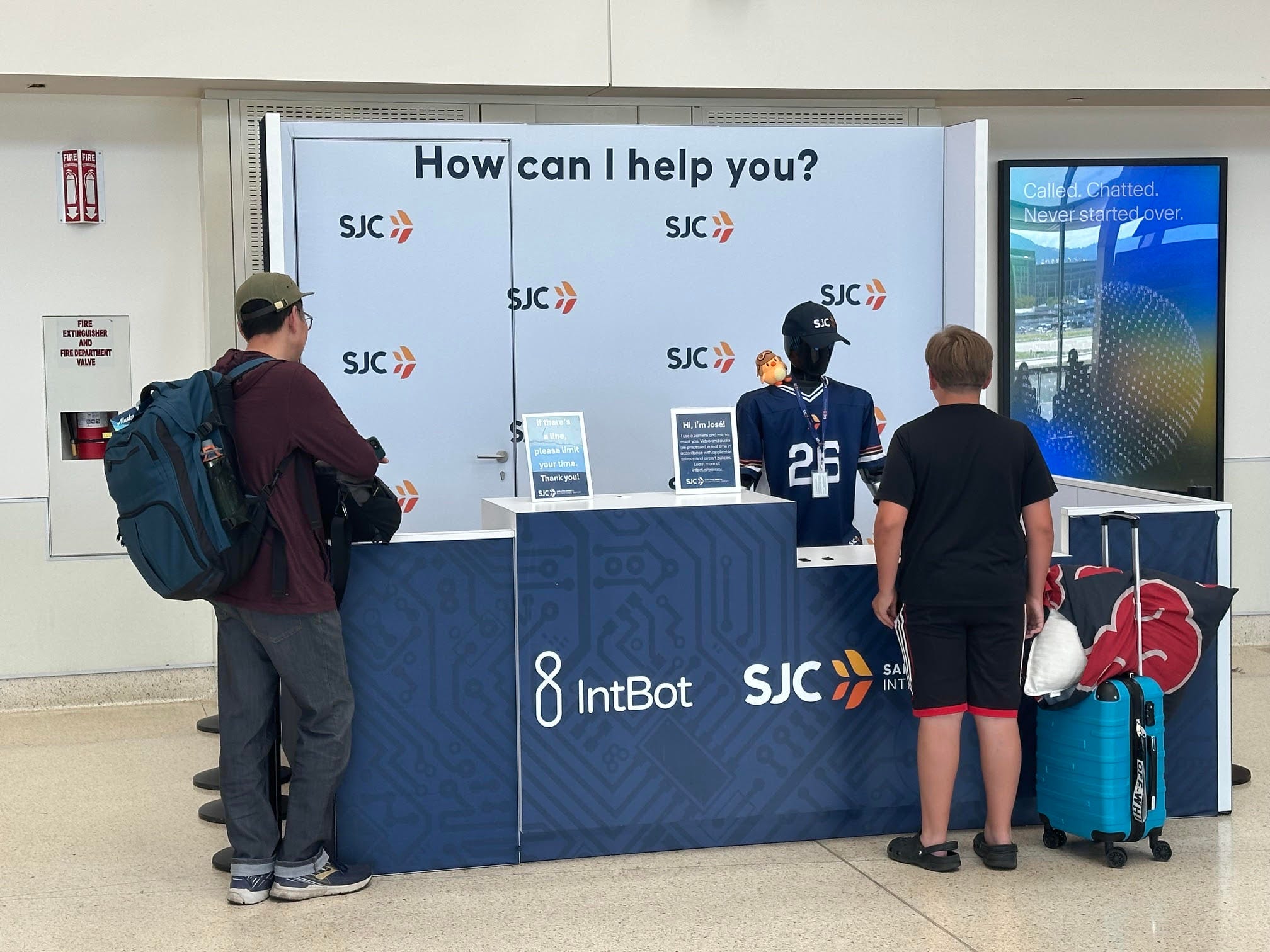
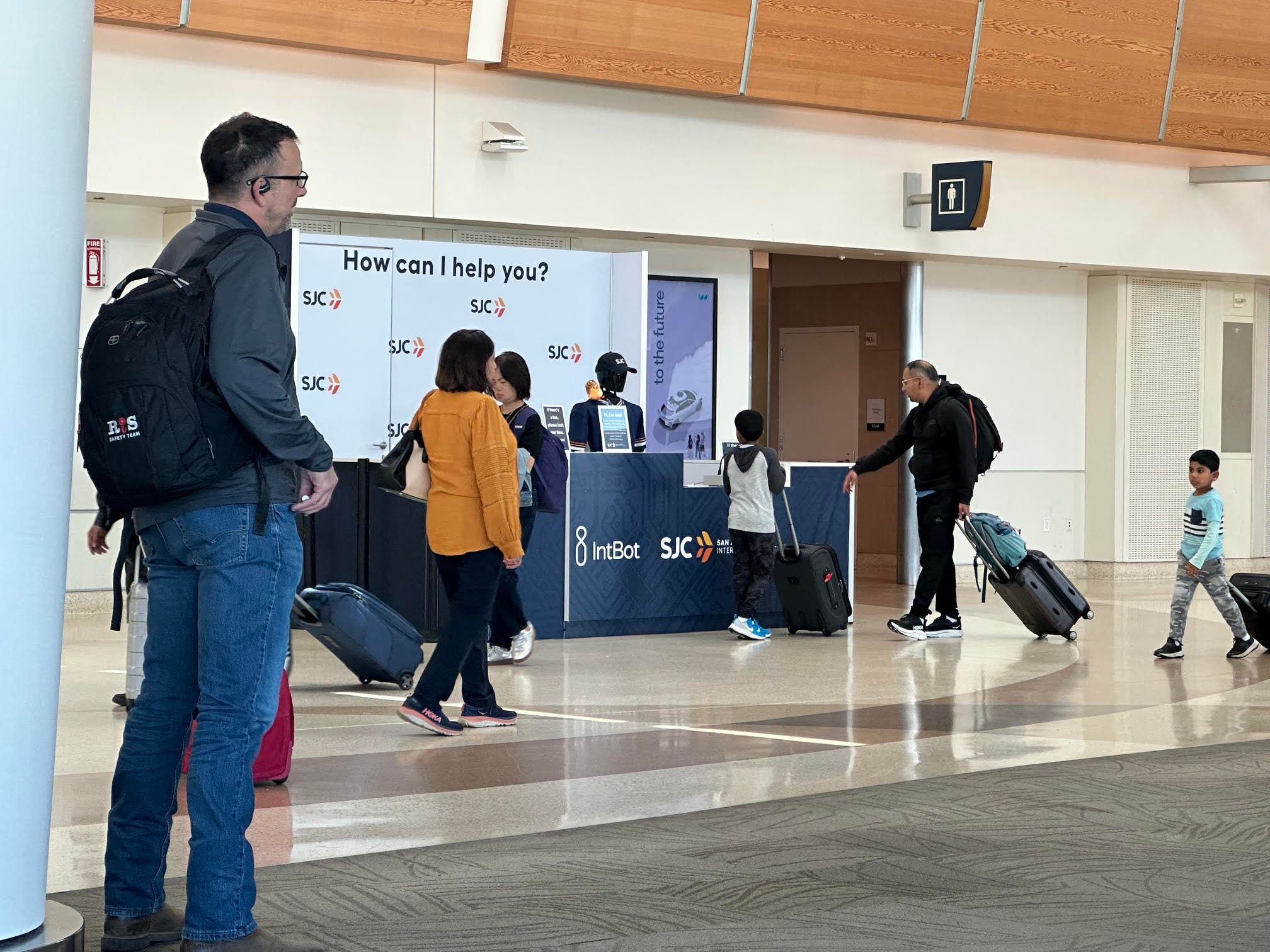
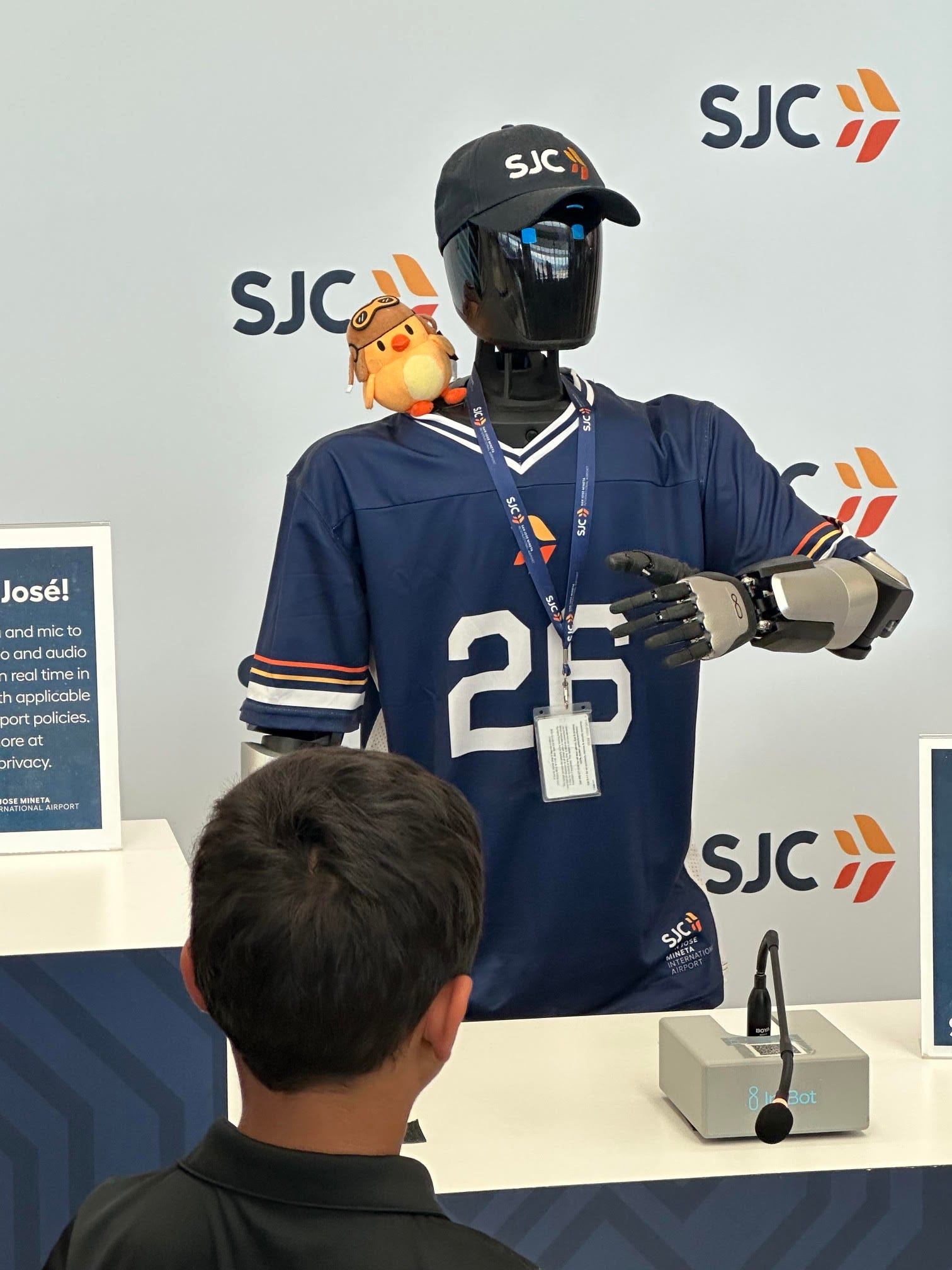
How can I help you?
Robot Airport Receptionist José serving the passengers
June 9, 2026
San José Mineta International Airport (SJC)
AI 시대의 서비스 관리 체제의 붕괴
AI 보다는 친절이 먼저다
우리는 매일 수많은 서비스에 의존하며 살아간다. 은행 계좌를 개설하고, 의료 서비스를 받고, 관공서에서 서류를 처리하며, 공항을 통해 이동하고, 상점에서 생활 필수품을 구매한다. 이러한 서비스는 현대 사회의 혈관과 같은 역할을 한다. 그러나 많은 사람들은 오늘날 경험하는 서비스의 질이 과거보다 반드시 더 나아졌다고 느끼지 않는다. 인공지능이 고도로 발전한 시대에 살고 있음에도 불구하고, 실제 고객 경험은 오히려 앞으로 나아가기보다 후퇴하고 있는 듯한 인상을 주는 경우가 있다.
은행 지점을 방문하면 단순한 업무조차 예상보다 오래 걸리는 경우가 많다. 직원마다 설명이 다르거나, 고객이 여러 창구를 오가며 업무를 처리해야 하는 상황도 발생한다. 관공서 역시 비슷한 문제를 안고 있다. 부서 간 협업이 원활하지 않아 시민이 여러 창구를 방문해야 해결이 되는 경우가 많다. 많은 경우 “확인 후 연락드리겠다”는 말만 반복되고, 명확한 해결책을 받지 못한 채 시간이 지연된다.
의료 서비스 역시 어려움을 겪고 있다. 의료진의 전반적인 전문성은 여전히 높지만, 일부 현장에서는 기본적인 기술 수행과 의사소통의 일관성이 부족한 경우가 있다. 혈액 채취와 같은 기본적인 절차에서도 한 번에 성공하지 못하고 여러 차례 시도하는 상황이 발생하기도 하며, 이는 환자에게 불편과 불안을 초래한다. 또한 절차 설명이 충분하지 않거나 행정적인 오류가 발생하는 경우도 있어 환자의 신뢰에 영향을 미친다. 의료는 높은 정확성과 전문성을 요구하는 분야이기 때문에 이러한 문제는 서비스 품질에 큰 영향을 준다.
공항 서비스 역시 이러한 문제에서 자유롭지 않다. 자동화 시스템과 셀프 서비스 키오스크가 증가했지만, 문제가 발생했을 때 즉각적인 지원을 받기 어려운 경우가 있다. 직원들은 문제를 신속히 해결하기보다 절차를 찾는 데 많은 시간을 소비하기도 한다. 이는 기술 발전 속도와 실제 운영 역량 사이의 격차를 보여준다.
소매점과 대형 마트에서도 서비스 품질 문제는 나타난다. 고객이 상품 위치에 대한 정확한 안내를 받지 못하거나, 계산 과정에서 문제가 발생했을 때 해결이 지연되는 경우가 있다. 이러한 불편은 개별적으로는 사소해 보일 수 있지만, 반복되면 전체 서비스에 대한 신뢰를 약화시킨다.
이러한 문제의 중요한 원인 중 하나는 노후화된 서비스관리시스템의 지속적인 사용이다. 많은 조직이 수십 년 전에 구축된 오래된 시스템을 여전히 운영하고 있는 경우가 의외로 많다. 시스템이 복잡해질수록 직원들조차 전체 구조와 기능을 완전히 이해하기 어려워진다. 새로운 기능을 추가하거나 오류를 수정하는 데 많은 시간과 노력이 필요하다. 신규 직원들은 시스템을 사용하는 방법은 익히지만, 왜 그렇게 작동하는지에 대한 이해는 부족한 경우가 많다.
문제는 기술에만 국한되지 않는다. 많은 조직에서 필수적인 전문 역량과 운영 지식에 대한 교육이 기술 발전 속도를 따라가지 못하고 있다. 혁신은 빠르게 진행되지만 직원 교육과 역량 개발은 뒤처지는 경우가 많다. 교육 비용을 줄이기 위한 단기적 결정은 결국 서비스 품질 저하로 이어진다. 이는 응답 속도 저하, 반복적인 실수, 그리고 궁극적으로는 고객 불만 증가라는 악순환을 만든다.
또 다른 중요한 문제는 새로운 기술에 대한 이해 부족이다. 생성형 AI, 머신러닝, 데이터 분석, RPA(로봇 프로세스 자동화), 디지털 트윈 등은 서비스 혁신의 핵심 도구로 자리 잡고 있다. 그러나 많은 조직은 이를 활용할 수 있는 전문 인력과 체계적인 교육 프로그램이 대개 부족하다. 인공지능은 단순한 유행 기술이 아니라 서비스 품질과 업무 효율을 향상시키는 핵심 자원으로 이해되어야 한다.
서비스 품질 저하는 단지 기술적 요인만으로 설명할 수 없다. 심리적·사회적 압박 역시 매우 중요한 영향을 미친다. 새로운 기술에 적응해야 하는 부담에서 오는 테크노스트레스는 많은 직원들에게 매우 흔한 문제로 자리 잡고 있다. 또한 코로나19 이후 확산된 재택 및 하이브리드 근무 환경은 직접적인 소통과 협업 기회를 줄였다. 이는 팀워크와 조직 내 인간관계 형성을 더욱 어렵게 만들고 있다.
물가 상승과 경제적 불확실성 역시 스트레스를 가중시키는 요인이다. 주거 비용, 생활비, 미래에 대한 불안은 개인과 직장 모두에 영향을 미친다. 이러한 스트레스가 지속적으로 누적되면 궁극적으로는 직원들이 고객이나 동료를 대하는 방식이나 원만한 인간관계에도 영향을 미치게 된다.
이러한 압박 속에서 가장 먼저 약화되는 것은 친절이다. 고객은 단순한 문제 해결뿐 아니라 공감과 이해를 원한다. 그러나 진정한 관심과 인내심은 점점 줄어들고 있다. 친절은 고도의 기술이나 큰 비용이 필요한 것이 아니라 태도와 인간적 연결에서 비롯된다. 그러나 다양한 스트레스 요인이 누적되면서 사회 전반에서 친절의 가치가 점차 약화되고 있다.
AI 시대는 단순한 기술 발전의 시대가 아니다. 기술과 사람이 함께 성장해야 하는 시대이다. 효과적인 서비스 관리를 위해서는 서비스관리시스템의 현대화, 지속적인 교육과 훈련, AI 및 신기술에 대한 투자, 그리고 무엇보다 인간 중심 서비스에 대한 회복이 필요하다. 인공지능이 아무리 발전하더라도 고객을 존중하고 돕고자 하는 인간의 진정한 의도를 완전히 대체할 수는 없다. 미래의 경쟁력은 기술적 우수성과 인간적 배려가 결합된 조직에서 나타난다. AI 시대의 진정한 혁신은 기술 자체가 아니라, 사람과 기술이 함께 더 나은 서비스를 만들어가는 데서 비롯된다. +++
{솔티}
2026년 6월 17일

Prof. Dr. Young Choi (Editor in Chief) — Regent University
Young B. Choi is a Professor in the Department of Engineering & Computer Science at Regent University. He published 38 books with ‘Selected Readings in Cybersecurity’ (2018) (over 800 copies archived globally at university/college libraries around the world) and ‘Cybersecurity Applications and Artificial Intelligence’ (2023) available in seven major world languages. He proposed the world’s first global and universal telecommunications “Service Order Handling (SOH)” Model (T-SOH Model) (1995) with Dr. Adrian Tang. With this innovative research work, he received the IEEE NOMS ’96 Best Paper Award and became the first recipient of the Outstanding Contribution Award of the TeleManagement Forum in 1998. His research areas include Natural Language Processing-focused AI, AI-applied cybersecurity, network and telecom service management, and Korean studies on Gani Choi Rip’s Jeonggwan (靜觀: Quiet Contemplation) philosophy and Shilhak ( 實學: Practical Learning).