
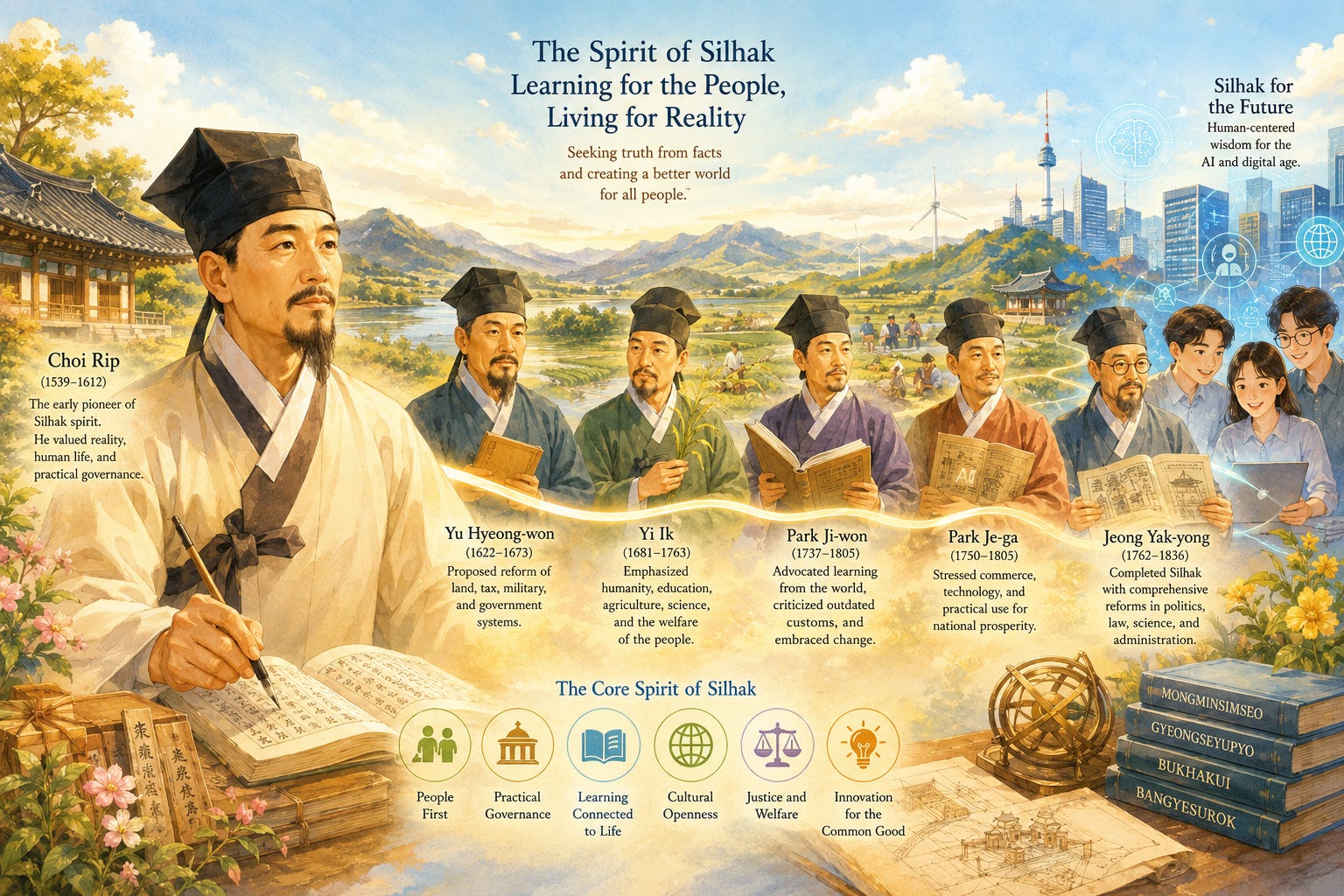
In Korean intellectual history, “Silhak” (Practical Learning) does not simply refer to practical studies or technology-oriented scholarship. Rather, it represents an intellectual attitude that sought to solve the problems of the age in the realities of human life, emphasizing real human and social concerns over empty ideological formalism. Although Korean Silhak is generally associated with later Joseon thinkers such as Yu Hyeong-won, Yi Ik, and Jeong Yak-yong, the seeds of this intellectual movement can already be found in earlier figures. Among them, one of the most significant was the mid-Joseon scholar, statesman, and literary figure Choi Rip.
Within the framework of Neo-Confucianism, Choi Rip demonstrated a remarkable sense of realism, human-centered thinking, cultural openness, and practical administrative insight. He was not merely a literary stylist, but a pioneering intellectual who prepared the intellectual soil for the later spirit of Silhak. His ideas directly and indirectly influenced later practical scholars, eventually forming a broader genealogy of Korean Silhak.
Choi Rip: The Early Beginning of the Spirit of Silhak
Choi Rip (1539–1612) was one of the representative literary scholars and officials of mid-Joseon Korea. He was active in literature, poetry, calligraphy, diplomacy, and administration, while consistently demonstrating a strong concern for real-world problems. His intellectual spirit may be summarized as an early form of “seeking truth from facts” and “promoting practical welfare.”
At a time when many Confucian scholars were absorbed in ideological disputes within Neo-Confucian orthodoxy, Choi Rip focused on the realities of human life and social administration. Through his experiences in local governance, he sought to understand the lives of ordinary people, while viewing war and diplomacy with sober realism. The experience of the Imjin War especially convinced him that real national capability mattered more than empty theoretical discourse.
His writings reveal a balanced attention to nature, human psychology, social realities, and artistic criticism. Such integrated thinking deeply anticipated the later Silhak ideal of making scholarship relevant to real life.
Yu Hyeong-won: The Institutionalization of Reformist Silhak
Yu Hyeong-won emerged after Choi Rip as one of the first major architects of systematic Silhak. Through his monumental work Bangyesurok, he proposed comprehensive reforms of land systems, military service, and governmental administration.
If Choi Rip laid the intellectual foundation of realism and practicality, Yu Hyeong-won developed these tendencies into a concrete theory of institutional reform. He believed that stabilizing the lives of the people formed the true basis of the state and emphasized effective administration over abstract ideological justification.
In this sense, Silhak did not suddenly emerge in the late Joseon period; rather, it developed from a continuous stream of realism already visible in mid-Joseon intellectual life.
Yi Ik: The Deepening of Human-Centered Silhak
Yi Ik further developed Silhak into a broader philosophical and ethical movement through the formation of the Seongho School.
Yi Ik studied agriculture, economics, education, science, and astronomy, emphasizing scholarship for the benefit of the people. He believed that learning should contribute directly to society.
Like Choi Rip, Yi Ik connected scholarship with human life itself. Both thinkers sought to understand the realities of human existence while integrating literature, philosophy, and politics into a unified intellectual vision.
Park Ji-won: Social Criticism and Cultural Openness
Park Ji-won was a leading figure of the Northern Learning School of Silhak. He advocated the active acceptance of Qing Chinese culture and technology while satirically criticizing outdated customs within Joseon society.
Choi Rip had likewise warned against intellectual rigidity through his diplomatic experiences and broad cultural sensibilities. His openness toward literature and art bears a striking resemblance to Park Ji-won’s culturally expansive vision of practical learning.
Park Ji-won’s willingness to confront reality and embrace change represented a major turning point in Korean intellectual history.
Park Je-ga: Economic Silhak and Practical Welfare
Park Je-ga emphasized commerce, industry, and technological innovation in his influential work Bukhakui.
He believed that poverty resulted from insufficient production and viewed economic activity and technological advancement as essential foundations for national prosperity. This demonstrated that Silhak was not merely philosophical speculation, but a movement dedicated to solving real economic problems.
Choi Rip’s realism and concern for statecraft can therefore be regarded as intellectual groundwork for later economic Silhak.
Jeong Yak-yong: The Culmination of Silhak
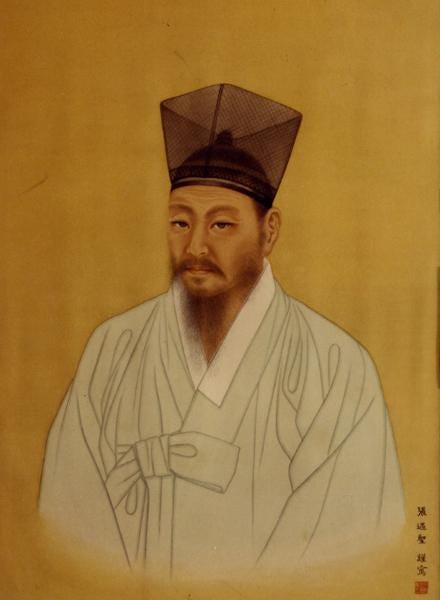
Jeong Yak-yong is often regarded as the greatest synthesizer of Korean Silhak. He proposed reformist ideas in administration, law, science, architecture, philosophy, and ethics.
His Mongminsimseo articulated a philosophy of governance centered on the welfare of the people, while Gyeongseyupyo outlined concrete institutional reforms. He consistently emphasized practical and implementable policies.
The realism and human understanding visible in Choi Rip ultimately reached systematic completion in Jeong Yak-yong’s thought.
The Core Spirit of the Silhak Tradition
The intellectual flow beginning with Choi Rip was not merely an academic genealogy. It represented the inheritance of several enduring principles:
Solving real-world problems
Prioritizing the lives of ordinary people
Practical governance
Connecting scholarship with life
Cultural openness
Integrated thinking
Human-centered philosophy
These values remain deeply relevant today. Even in the age of AI and digital civilization, the effort to solve real human problems continues to be a central intellectual mission.
Re-reading Choi Rip and Silhak in the AI Era
Today humanity faces a major turning point driven by artificial intelligence and digital technology. Yet technological advancement alone cannot guarantee human happiness or social justice.
In this context, the spirit of Choi Rip and the Silhak scholars offers profound insights for modern society. They sought to connect scholarship with human life and prioritized the solving of practical problems. Their vision resonates strongly with contemporary discussions surrounding AI ethics, the digital divide, and human-centered technological development.
Thus, the tradition of Korean Silhak should not be viewed merely as a relic of the past, but as an intellectual resource for the future.
Viewed through the figure of Choi Rip, the genealogy of Korean Silhak is far more than a simple academic lineage. It represents a major intellectual journey in which Joseon thinkers continuously confronted reality and sought ways to improve human life. Although Silhak is commonly understood as a reform movement that emerged after the seventeenth century, its spiritual foundations had already begun to form within the realistic consciousness of mid-Joseon intellectuals. Among them, Choi Rip occupied a uniquely important place by connecting tradition and reality, literature and administration, philosophy and human understanding.
The greatest significance of Choi Rip lies in the fact that he understood reality as a living human space. He did not remain confined to repeating Neo-Confucian doctrines or merely interpreting classical texts. Instead, through practical administrative experience and direct engagement with social realities, he carefully observed the lives of ordinary people while reflecting on the concrete problems of governance during war and diplomacy. Such attitudes were deeply connected to the later Silhak ideals of “seeking truth from facts” and “practical statecraft.”
Moreover, Choi Rip was an integrated intellectual who sought to understand human life in its totality. His interests extended beyond politics and administration to literature, poetry, calligraphy, artistic criticism, nature, and human psychology. From a modern perspective, such interdisciplinary thinking appears remarkably contemporary. It demonstrates that the creativity and intellectual integration demanded by today’s world already existed within the Korean intellectual tradition centuries ago.
The spirit of Choi Rip was later developed and systematized through the institutional reform theories of Yu Hyeong-won, the human-centered Silhak of Yi Ik, the culturally open Northern Learning ideas of Park Ji-won and Park Je-ga, and finally the comprehensive reform philosophy of Jeong Yak-yong. Although these thinkers faced different historical circumstances, they all shared the conviction that scholarship must exist for the realities of human society.
Choi Rip’s thought becomes even more meaningful in today’s age of artificial intelligence and digital civilization. Modern society experiences extraordinary transformations through AI, big data, and automation, yet technological progress alone cannot guarantee ethical maturity or human fulfillment. Instead, new problems such as alienation, inequality, technological dependence, and cultural fragmentation continue to emerge. In such an age, the human-centered wisdom of Silhak becomes increasingly relevant.
Choi Rip’s life also demonstrates the social responsibility of intellectuals. He did not pursue scholarship merely for personal reputation, but sought to apply knowledge and experience for the benefit of society and the state. His life reminds modern scholars, scientists, policymakers, and technologists that true knowledge should serve humanity rather than exist as mere accumulation of information.
Culturally, Choi Rip was equally significant. While grounded in traditional Confucian culture, he also valued art, emotion, and human refinement. His literary works, calligraphy, and artistic criticism reflected not simply technical skill, but a pursuit of spiritual dignity and cultural depth. Thus, Silhak should be understood not merely as a movement for economic or administrative reform, but as a broader cultural movement seeking to enrich human life as a whole.
Ultimately, the genealogy of Korean Silhak beginning with Choi Rip can be understood as a history of intellectual efforts to create a more humane society. It was a uniquely Korean intellectual tradition that sought to preserve both realism and human dignity at the same time. This tradition remains profoundly meaningful even today. In the age of AI, discussions about education, ethics, technological policy, cultural convergence, and human-centered innovation increasingly require the very spirit that Silhak embodied.
Therefore, to regard Choi Rip merely as a literary figure of mid-Joseon Korea would be to underestimate his historical significance. He was a pioneering intellectual who laid the early foundations of Korean practical learning and represented a crucial turning point in Korean intellectual history by bringing reality and humanity together. Reexamining his thought and life is not simply an exercise in historical scholarship, but a profoundly modern task that invites reflection on what kind of knowledge and civilization humanity should pursue in the future. +++
{Solti}
May 20, 2026
최립으로 시작하는 한국 실학의 계보
조선 지성사의 흐름 속에서 본 실학의 정신적 계승
한국 사상사에서 “실학(實學)”은 단순히 현실적 학문이나 기술 중심의 학문만을 뜻하지 않는다. 그것은 시대의 문제를 실제 삶의 현장에서 해결하려는 지적 태도이며, 공허한 명분보다 인간과 사회의 실제 문제를 중시하려는 정신이었다. 일반적으로 한국 실학은 17세기 후반 이후의 유형원·이익·정약용 등으로 대표되지만, 그 사상적 씨앗은 그보다 앞선 인물들에게서 이미 발견된다. 그 가운데 중요한 인물이 바로 조선 중기의 문인·관료·사상가인 최립 이다.
최립은 전통적 성리학의 틀 안에 있으면서도 현실 감각, 인간 중심 사고, 문화적 융합성, 실용적 행정 감각을 보여 준 인물이었다. 그는 단순한 문장가가 아니라, 후대 실학 정신의 토양을 형성한 선구적 지식인이었다. 그의 사상은 이후 조선 후기 실학자들에게 직·간접적으로 이어지며 한국 실학의 계보를 형성하게 된다.
최립: 실학 정신의 선구적 출발
최립(崔岦, 1539–1612)은 조선 중기의 대표적 문인이자 관료였다. 그는 문장과 시, 서예, 외교, 행정 등 다양한 영역에서 활동했으며, 특히 현실 문제를 중시하는 사고방식을 보여 주었다. 그의 핵심 정신은 “실사구시(實事求是)”와 “이용후생(利用厚生)”의 초기 형태로 요약될 수 있다.
당시 많은 유학자들이 성리학적 명분 논쟁에 몰두하던 시대에 최립은 인간의 실제 삶과 사회 운영에 관심을 기울였다. 그는 지방 행정 경험 속에서 백성의 삶을 이해하려 했고, 전쟁과 외교의 현실을 냉철하게 바라보았다. 특히 임진왜란 시기의 경험은 그로 하여금 공허한 이론보다 실제 국가 역량의 중요성을 절감하게 만들었다.
그의 글에서는 자연 관찰, 인간 심리, 사회 현실, 예술 감식 등이 균형 있게 나타난다. 이러한 통합적 사고는 후대 실학자들이 보여 준 “학문의 현실화”와 깊은 관련성을 가진다.
유형원: 제도 개혁 실학의 본격화
유형원은 최립 이후 등장한 본격적 실학의 개척자였다. 그는 『반계수록』을 통해 토지 제도, 군역 제도, 행정 조직 개혁 등을 체계적으로 제안하였다.
최립이 현실 감각과 실용 정신의 토대를 마련했다면, 유형원은 그것을 국가 제도 개혁론으로 발전시켰다. 그는 백성의 삶을 안정시키는 것이 국가의 근본이라고 보았으며, 추상적 명분보다 실제 행정 효과를 중시했다.
이러한 태도는 최립이 보여 준 현실 중심적 관료 정신과 연결된다. 즉, 실학은 갑자기 등장한 사상이 아니라 조선 중기부터 축적된 현실 인식의 흐름 위에서 성장한 것이다.
이익: 인간 중심 실학의 심화
이익은 성호학파를 형성하며 실학을 더욱 철학적이고 사회윤리적인 방향으로 발전시켰다.
이익은 농업, 경제, 교육, 과학, 천문학 등 다양한 분야를 연구했으며, 특히 “백성을 위한 학문”을 강조하였다. 그는 학문이 현실 사회에 기여해야 한다고 보았다.
최립 역시 학문을 인간 삶과 연결하려 했다는 점에서 이익과 정신적으로 이어진다. 두 사람 모두 인간의 실제 삶을 이해하려 했고, 문학·철학·정치를 통합적으로 사고했다.
박지원: 현실 비판과 문화 개방
박지원은 북학파 실학의 대표 인물이다. 그는 청나라 문물을 적극적으로 수용해야 한다고 주장했으며, 조선 사회의 낡은 관습을 풍자적으로 비판했다.
최립 역시 외교 경험과 폭넓은 문화 감각을 통해 폐쇄적 사고를 경계하였다. 특히 예술과 문학에 대한 개방적 태도는 박지원의 문화적 실학 정신과 닮아 있다.
박지원은 현실을 직시하고 변화를 두려워하지 않았으며, 이는 조선 지성사에서 매우 중요한 전환점이었다.
박제가: 경제 실학과 이용후생
박제가는 『북학의』를 통해 상공업 진흥과 기술 혁신의 중요성을 강조했다.
그는 “가난은 생산 부족에서 온다”고 보았고, 경제 활동과 기술 발전을 국가 발전의 핵심 요소로 인식했다. 이는 실학이 단순한 철학 논의가 아니라 실제 경제 문제 해결을 추구했음을 보여 준다.
최립의 현실 감각과 국가 운영에 대한 관심은 이러한 경제 실학의 토양이 되었다고 평가할 수 있다.
정약용: 실학의 종합과 완성
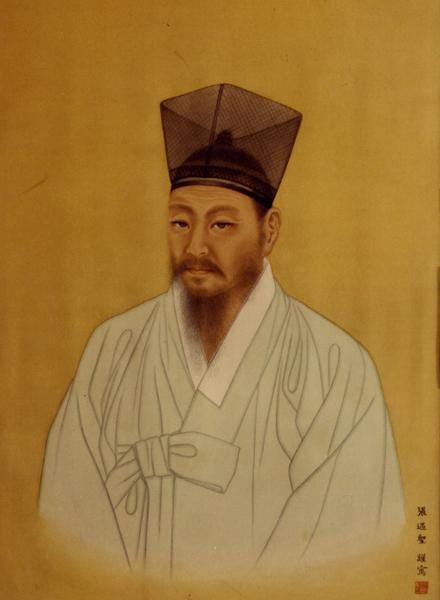
정약용은 한국 실학의 집대성자로 평가된다. 그는 행정, 법률, 과학, 건축, 철학, 윤리 등 거의 모든 영역에서 개혁적 사상을 제시하였다.
『목민심서』는 백성을 위한 행정 철학을 담고 있으며, 『경세유표』는 국가 제도 개혁안을 제시한다. 그는 실천 가능한 정책과 제도를 강조하였다.
최립이 보여 준 현실 중심적 관료 정신과 인간 이해는 정약용에게 이르러 거대한 체계로 완성되었다고 볼 수 있다.
실학 계보의 핵심 정신
최립에서 시작되는 실학의 흐름은 단순한 학문 계보가 아니다. 그것은 다음과 같은 공통 정신의 계승이었다.
현실 문제 해결 중심
백성의 삶 중시
실용적 국가 운영
학문과 삶의 연결
문화적 개방성
통합적 사고
인간 중심 철학
이러한 정신은 오늘날에도 매우 중요하다. AI 시대와 디지털 문명 속에서도 인간 삶의 실제 문제를 해결하려는 태도는 여전히 핵심 가치이기 때문이다.
AI 시대에서 다시 읽는 최립과 실학
오늘날 인공지능과 디지털 기술이 급속히 발전하면서 인간 사회는 새로운 전환기를 맞고 있다. 그러나 기술 발전만으로는 인간의 행복과 사회 정의가 자동으로 보장되지 않는다.
이 점에서 최립과 실학자들의 정신은 현대 사회에 중요한 통찰을 준다. 그들은 학문을 인간 삶과 연결하려 했고, 현실 문제 해결을 중시했다. 이는 오늘날 AI 윤리, 디지털 격차, 인간 중심 기술 개발 논의와도 연결된다.
즉, 한국 실학의 전통은 과거의 유산이 아니라 미래 사회를 위한 지적 자산이 될 수 있다.
결론
최립을 중심으로 바라본 한국 실학의 계보는 단순한 학문사의 흐름이 아니다. 그것은 조선 사회가 현실의 문제를 어떻게 인식하고, 인간 삶의 개선을 위해 어떤 방향으로 사유를 발전시켜 왔는지를 보여 주는 한국 지성사의 중요한 여정이다. 실학은 흔히 17세기 이후 등장한 개혁 학문으로 이해되지만, 그 정신적 출발점은 이미 조선 중기 지식인들의 현실 인식 속에서 형성되고 있었다. 그 가운데 최립은 전통과 현실, 문학과 행정, 철학과 인간 이해를 연결한 매우 독창적인 위치를 차지한다.
최립의 가장 중요한 의미는 “현실을 살아 있는 삶의 공간으로 이해했다”는 점에 있다. 그는 단지 성리학의 이론을 반복하거나 고전 해석에만 머물지 않았다. 실제 행정 경험과 사회 현실 속에서 백성의 삶을 관찰했고, 전쟁과 외교의 현장을 경험하며 국가 운영의 실질적 문제를 고민하였다. 이러한 태도는 후대 실학자들이 강조한 “실사구시(實事求是)”와 “경세치용(經世致用)”의 정신과 깊이 연결된다. 다시 말해, 최립은 아직 “실학”이라는 이름이 본격적으로 형성되기 이전부터 이미 실학적 문제의식을 보여 준 인물이었다.
또한 그는 인간의 삶을 총체적으로 이해하려 했던 통합형 지식인이었다. 그의 관심은 정치와 행정에만 머물지 않았다. 문학, 시, 서예, 예술 감식, 자연 관찰, 인간 심리 이해 등 다양한 영역이 서로 연결되어 있었다. 이러한 융합적 사고는 오늘날의 관점에서 보면 매우 현대적이다. 현대 사회가 요구하는 창의성과 융합적 사고의 모델이 이미 조선 중기의 지식인에게서 나타났다는 점은 한국 사상사의 깊이를 새롭게 보여 준다.
이러한 최립의 정신은 이후 유형원의 제도 개혁론, 이익의 인간 중심 실학, 박지원과 박제가의 개방적 북학 사상, 그리고 정약용의 종합적 개혁 철학으로 이어지며 더욱 체계화되었다. 이들은 서로 다른 시대와 문제의식을 가지고 있었지만 공통적으로 “학문은 현실을 위해 존재해야 한다”는 믿음을 공유하고 있었다. 바로 이 점에서 최립은 조선 실학 정신의 중요한 원류 가운데 한 사람으로 재조명될 필요가 있다.
특히 최립의 사상은 오늘날 AI 시대와 디지털 문명 속에서 더욱 의미 있게 읽힌다. 현대 사회는 인공지능, 빅데이터, 자동화 기술의 발전으로 엄청난 변화를 경험하고 있다. 그러나 기술 발전이 인간의 행복과 윤리적 성숙을 자동으로 보장하지는 않는다. 오히려 인간 소외, 정보 불평등, 기술 의존, 문화적 단절과 같은 새로운 문제들이 등장하고 있다. 이러한 시대일수록 인간 중심적 사고와 현실 문제 해결 중심의 지혜가 중요해진다. 실학자들이 강조했던 “백성을 위한 학문”은 오늘날 “인간을 위한 기술”이라는 가치로 다시 해석될 수 있다.
또한 최립의 삶은 지식인의 사회적 책임이 무엇인지를 보여 준다. 그는 단지 학문적 명성을 추구하는 데 머물지 않고, 현실 속에서 자신의 지식과 경험을 사회와 국가를 위해 활용하려 했다. 이는 오늘날 학자와 전문가, 기술자, 정책가들에게도 중요한 교훈을 제공한다. 진정한 지식은 단순한 정보 축적이 아니라 인간과 사회를 더 나은 방향으로 이끄는 데 사용되어야 한다는 점을 최립의 삶은 조용하지만 강하게 말해 준다.
문화적 측면에서도 최립은 매우 중요한 의미를 가진다. 그는 조선의 전통적 유교 문화를 기반으로 하면서도 예술과 감성, 인간미를 중시하였다. 그의 문학과 서예, 비평 감각은 단순한 기술적 재능이 아니라 인간 정신의 품격을 추구하는 문화적 태도였다. 이는 후대 실학자들이 보여 준 현실성과 연결되면서도 동시에 조선 문화의 아름다움과 정신적 깊이를 유지하게 만들었다. 따라서 실학은 단순한 경제 개혁론이나 행정 개혁론이 아니라, 인간 삶 전체를 풍요롭게 하려는 종합적 문화 운동으로도 이해될 수 있다.
결국 최립으로부터 이어지는 한국 실학의 계보는 “인간다운 사회를 만들기 위한 지적 노력의 역사”라고 할 수 있다. 그것은 현실을 외면하지 않으면서도 인간의 품격과 정신적 가치를 함께 지키려 했던 한국 지성의 독특한 전통이었다. 그리고 이러한 전통은 오늘날에도 여전히 살아 있는 의미를 가진다. AI 시대의 교육, 윤리, 과학기술 정책, 문화 융합, 인간 중심 혁신을 고민하는 현대 사회는 오히려 실학의 정신을 다시 필요로 하고 있다.
따라서 최립을 단순한 조선 중기의 문인으로만 이해하는 것은 그의 역사적 의미를 지나치게 축소하는 일일 수 있다. 그는 한국 실학 정신의 초기 토양을 형성한 선구적 인물이었으며, 현실과 인간을 함께 바라보는 조선 지성사의 중요한 전환점을 보여 준 존재였다. 그의 사상과 삶을 다시 조명하는 일은 단순한 역사 연구를 넘어, 오늘날 우리가 어떤 지식과 어떤 문명을 추구해야 하는지를 성찰하게 만드는 매우 현대적인 작업이라 할 수 있다. +++
{솔티}
2026년 5월 20일

Young Choi, PhD is a Professor at Regent University bringing a rare combination of technical expertise and creative spirit to everything he does. A scholar in AI, cybersecurity, and network & telecommunications service management, he has published 38 books including AI and cybersecurity area books, over 200 refereed articles, and over 20 book chapters. Beyond the academy, Dr. Choi is a passionate poet, essayist, and wooden block laser engraving artist whose reflective writing invites readers to rediscover life’s beauty in quiet contemplation(靜觀). He lives under the motto: “Study hard and give generously without holding back! (열심히 공부해서 아낌없이 남주자 !: 열공아남!)”
Published books: https://www.amazon.com/stores/Young-Choi/author/B0DMZ5S6R7?ref=ap_rdr&shoppingPortalEnabled=true