

Breathing is composed of inhale and exhale. Animals inhale oxygen from outside to oxidize substances inside and exhale to release carbon dioxide produced from that. Because it is a component of the constantly moving essence, breathing and life can be said to be synonyms. Serving as a bridge not only between oneself and the body but also between oneself and the universe, breathing continues without interruption, and if it is lost the organism can no longer survive.
Humankind has mastered the art of using breathing for physical and mental health. Most meditation techniques use breathing to bring the mind back from the past or the future to the present and place it in the ‘here and now’. And there has never been a time when such practice, which aids in mental discipline and mental stability, was required as urgently as it is now. We are currently facing two situations. As the dominating forces of the world are locked in a tense standoff, the fear of war sweeps through everyone’s subconscious. It is a society where people lose their self-awareness and eventually lose their own self-faith.
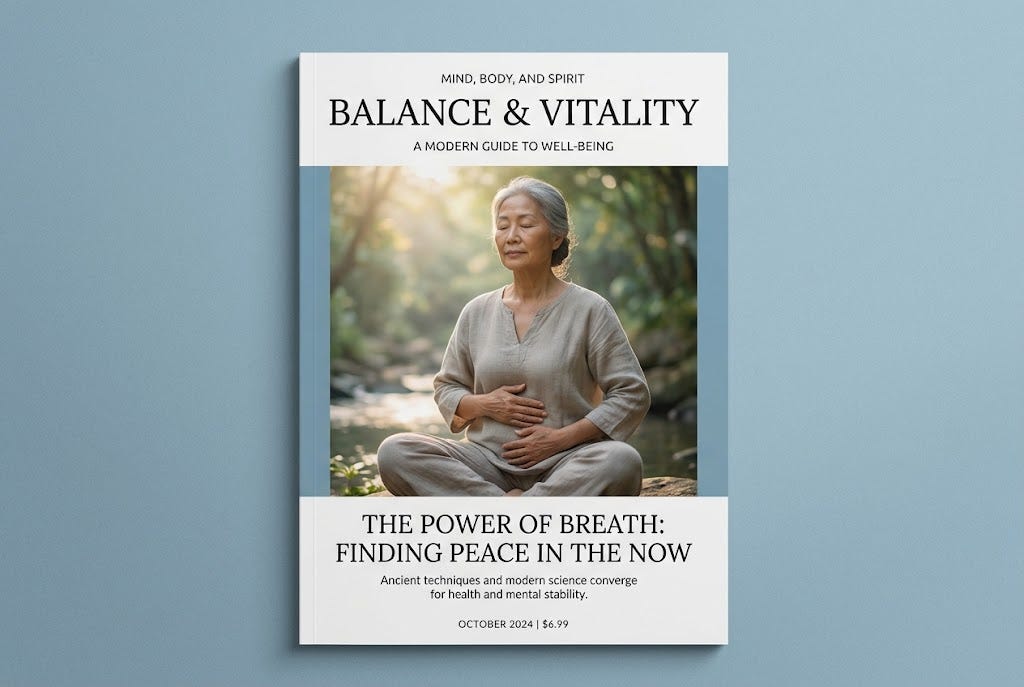
We usually do chest breathing. Abdominal breathing is a type of exercise. Lie down with one hand on the chest and the other on the navel. Or sit upright and clasp your hands together on the legs. Inhale deeply through nose for 5 seconds and feel the abdomen swelling. Stop for 1 to 2 seconds. Then, slowly exhale through nose for 5~6 seconds as if navel is touching back.
Do not overexert yourself. Start with a short duration and gradually increase the time or depth of your breath as you become accustomed to it. Perform this two or three times a day for 5 to 10 minutes. The exhale must be longer than the inhale. It shows excellent effects in deep relaxation and stimulating the diaphragm. Blood pressure is reduced and blood circulation is facilitated. Diaphragm and deep muscles are strengthened which helps balancing of the body.
Kuksundo is an authentic traditional training method unique to Koreans and is our cultural heritage in which the wisdom of our ancestors has been accumulated over thousands of years. While focusing consciousness on the lower abdomen, regulate breathing to be thin and long. Danjeon is about 5 centimeters under navel inside deep place. While fully concentrating, feel the breath. Repeat the breathing quietly so that the sound of your exhaling cannot be heard.
It was when I had returned from studying abroad in Australia. Looking haggard after working for four years without a single weekend off, I heard voices of concern from those around me wondering if I was sick. My mentor guided me to the Kuksundo Gwangju Seonwon, so I started training immediately. As I gradually regained my vitality, my activities became smooth. I continued to wake up at the crack of dawn to practice and then started my daily work for five years. Then I switched to yoga and hiking on weekends. However, I did not stop Danjeon breathing and it became a daily routine after retirement.
Lately, I have been living for the joy of rereading books I acquired long ago. The book 『Secrets of Meditation』 (Rajneesh, Seok Ji-hyeon, Ilji Co., 1982) tells me a unique way of breathing practiced in India 5,000 years ago. There is no need to practice a breathing technique, just continue your normal breathing. Watch the breath that comes in. Discard all thoughts and feel the breath as it touches your nostrils. Let your breath and consciousness become one. Go down from the nostrils to the lower abdomen with your breath. In a state of full awareness, do not lose your breath; go along with it and become the breath itself. Come out with the next exhalation.
When air comes in, there is a state of cessation. Likewise, when the air goes out, there is a momentary pause, after which the breath comes back in. As the suspension period is so short, people do not keep an eye on them. However, realization is possible at the very moment of stopping. If you feel that period of suspension, you are blessed.
Dr. Andrew Weil, an authority in the field of integrative medicine, recently devised the 4-7-8 breathing technique. It is easy, does not take much time, and requires no equipment or facilities, so it can be practiced anytime and anywhere. While practicing, sit with your back straight. During breathing, you must always keep the tip of your tongue slightly above your upper teeth.
Exhale completely through your mouth while making a hissing sound.
Close your mouth and quietly inhale through your nose while counting to 4 in your mind.
Hold your breath and count to 7.
Count to 8 while exhaling with a hissing sound.
This is one breathing exercise. Start by inhaling again and repeat three times to complete one exercise with a total of four. The duration of a single breath is not critical, but the exhale must be twice the length of the inhale. If holding your breath is difficult, you can count quickly, but maintaining even intervals between counts of 4, 7, and 8 is more effective. As you continue to practice, you will gradually be able to count more slowly, and your inhales and exhales will become progressively longer. It is known to be good for relaxation. Once you become accustomed to it, do it eight times at bedtime, and you will have good sleep.
색다른 숨쉬기
숨을 내쉬고 [呼] 들이쉬는 것 [吸]을 호흡이라고 한다. 동물이 몸밖에서 산소를 흡입하여 몸 안의 물질을 산화하고, 그 결과로 생기는 이산화탄소를 배출하는 작용이다. 사람은 평소에 주로 늑골에 의한 짧고 얕은 흉식호흡을 한다. 끊임없이 움직이는 본질의 구성 인자여서, 호흡과 삶은 동의어라고 할 수 있다. 자신과 육체 사이는 물론 자신과 우주 사이의 교량 역할을 하면서 간단없이 계속되어, 한 순간이라도 그것을 잃어버리면 생체는 더 이상 생존할 수 없다.
인류는 오랫동안 심신의 건강을 위해 호흡을 사용하는 요령을 터득해왔다. 대부분의 명상 테크닉은 마음을 과거나 미래로부터 현재로 되돌려 ‘지금 여기’에 두기 위해서 호흡을 사용하는데, 정신 수련과 마음의 안정을 돕는 그 수련이 지금처럼 긴박하게 요구되는 때가 일찍이 없었다. 우리는 지금 두 개의 상황에 직면해 있다. 세계를 지배하는 세력들이 팽팽하게 맞서고 있어서 전쟁의 공포가 모두의 무의식을 휩쓴다. 자기 자신에 대한 의식을 상실하여 결국 스스로에 대한 믿음마저 저버리는 사회다.
복식호흡은 심폐 기능을 향상시키고 신체의 핵심 근육을 강화하는 한 가지의 운동이다. 편안하게 누워서 한 손은 가슴에 다른 손은 배꼽 위에 올려놓거나, 바르게 앉아서 두 손을 마주 잡아 다리위에 놓는다. 코로 천천히 5초 동안 숨을 깊게 들이마시며 배가 부풀어 오르는 것을 느끼고, 가슴은 최대한 움직이지 않게 한다. 숨을 1~2초 정도 멈춘다. 이어서 입이나 코로 5~6초 동안 천천히 숨을 내쉬며 배꼽이 등에 닿는 느낌으로 배를 집어넣는다.
처음에는 무리하지 말고 짧게 시작해서 점차 익숙해지면 시간이나 숨의 깊이를 늘린다. 하루에 두세 번, 5~10분 동안 수행한다. 들어 쉬는 것보다 내쉬는 숨이 더 길어야 한다. 횡격막을 자극하는 데에 탁월한 효과를 나타내며, 혈압을 낮추고 혈액 순환을 돕는다. 산소 공급량을 늘리고 심박수를 내린다. 횡격막과 심부 근육을 단련해 몸의 균형을 유지하는 데에 도움이 되며, 심신을 안정시키고 면역력 증진에도 기여한다.
국선도는 우리 민족 고유의 정통적인 수련법으로, 선조들의 지혜가 수천 년에 걸쳐 온축되어온 우리의 문화 유산이다. 심신을 안정시키고 생명력을 강인하게 하는 단전丹田 호흡을 중점적으로 수련한다. 단전 (배꼽 아래 약 5센티, 안쪽 깊은 곳) 에 의식을 온전히 집중하면서 숨이 들고나는 것을 느끼고 호흡의 길이를 같게 [調息] 하여, 그 과정을 반복한다. 내뿜는 숨소리가 자기 귀에 들리지 않게 조용히 숨을 쉰다.
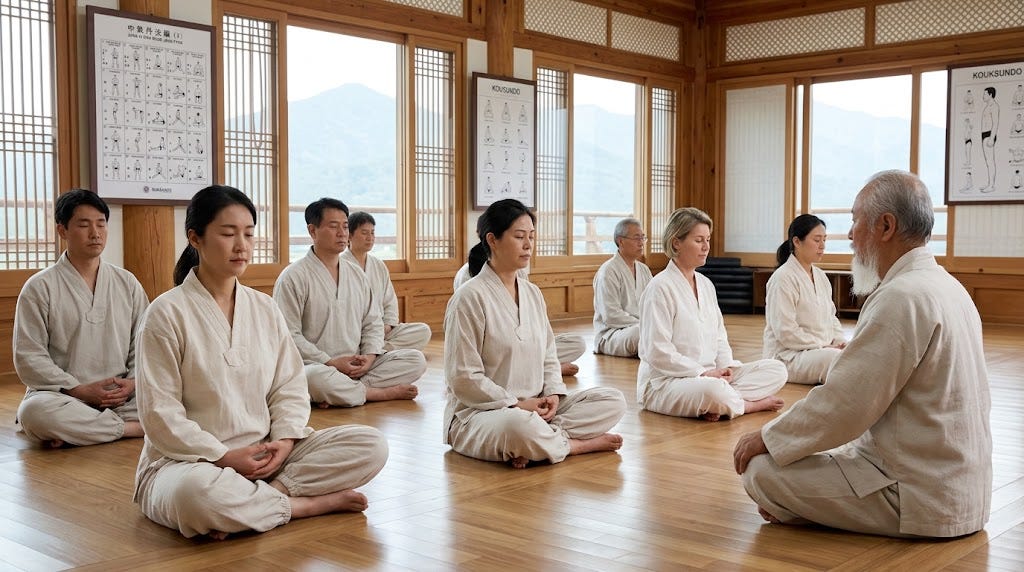
호주에서 유학을 마치고 돌아온 때였다. 주말도 없이 4년 동안 일하다가 돌아온 내 초췌한 모습을 보고 병든 건 아닐까 주위에서 걱정하는 소리가 들렸다. 은사님이 국선도 광주선원으로 인도해 주셔서 곧바로 수련을 시작했더니 점차 원기가 되찾아지면서 활동도 원활했다. 꼭두새벽이면 일어나 수련한 다음 하루 일을 시작하기를 5년 동안 계속하고는 가까운 곳에서 요가도 하고 주말이면 등산하는 운동으로 바꾸었다. 하지만 단전 호흡은 중지하지 않았으며, 퇴직 후에는 중요한 일과가 되었다.
근자에 들어 나는 오래전에 구해서 건성으로 읽고는 꽂아 둔 책들을 다시 읽는 재미로 산다. 새롭기도 하고, 많이 배우기도 한다. 5천 년 전에 인도에서 수행된 『명상비법』 (라즈니쉬 강의; 석지현 역, 일지사, 1982)에서 색다른 숨쉬기를 접했다.
호흡법을 수련할 필요는 없고, 평소의 호흡을 그대로 놔두라. 먼저 들어오는 숨을 주시하라. 모든 생각을 버리고 숨이 콧구멍에 닿을 때 그것을 느껴라. 숨과 의식이 하나가 되어 콧구멍에서 단전 쪽으로 내려가라. 온전히 자각된 상태에서 숨을 놓치지 말고 함께 가면서 숨 그 자체가 되라. 그리고 나가는 숨과 함께 나와라.
숨이 들어올 때 거기 호흡의 정지 상태가 있다. 마찬가지로 나갈 때도 순간적으로 정지 상태가 있은 다음 숨은 다시 들어온다. 흡과 호의 두 극점에 있는 그 정지 기간이 너무나 짧기 때문에 우리는 그것을 주시해 본 적이 없다. 하지만 정지되는 그 순간에 깨달음이 가능하다. 그 정지 기간을 느끼면 축복을 받는다.
통합의학 분야의 권위자 Andrew Weil 박사는 얼마 전에 4-7-8 호흡법을 창안했다. 쉽고 시간도 걸리지 않으며, 아무런 장치나 설비가 없어도 되기 때문에 마음만 먹으면 언제 어디서나 할 수 있는 호흡이다. 몸에 익히는 동안에는 등을 똑바로 하고 앉는다. 호흡하는 동안 혀끝을 항상 윗니 바로 위 약간 되도록한 곳에 대고 있어야 한다.
쉬소리를 내면서 입을 통해 완전히 내쉰다.
입을 다물고 조용히 코로 들이쉬면서 마음속으로 4까지 센다.
숨을 멈추고 7을 센다.
쉬소리를 내며 입으로 내쉬면서 8을 센다.
이 것이 한 번의 호흡 운동이다. 다시 들이쉬기로 시작해서 세 번 되풀이하여 모두 네 번으로 한 차례의 운동을 끝낸다. 한 번의 호흡에 걸리는 시간은 중요하지 않으나, 내쉬는 숨은 반드시 들이쉬는 숨의 배가 되어야 한다. 숨을 멈추고 있기가 어려우면 빨리 세면 되지만, 4,7,8을 세는 간격은 고르게 해야 효과가 좋다. 연습을 계속하면 차차 천천히 셀 수 있게 되면서, 들이쉬고 내쉬는 숨도 점차 길어진다. 익숙해져서 취침 시간에 누워서 여덟 번 호흡하면 잠드는 데에 도움이 된다.
Original Article

ABOUT THE AUTHOR

Dr. Chung Gil Lee is Professor Emeritus of Veterinary Medicine at Chonnam National University, where he served on the faculty until 2007. He holds an M.Sc. and Ph.D. from James Cook University, Australia, and began his career as an Interpreter Officer in the Korean Army. A graduate of Chonnam National University (1963), he is currently a member of the Korean Literature Society of America.
© K-Global Scholars and Professionals Forum. All rights reserved. Content published in the K-GSP Forum may not be reproduced, distributed, or transmitted in any form without prior written permission from the K-GSP Forum, except for brief quotations with full attribution