
There is a moment, somewhere around the second day of a retreat, when the noise finally stops.
Not the forest noise — the birds are loud, the wind through the pines is insistent, and the morning mist over the fields has its own particular sound. What stops is the interior noise. The running commentary. The mental to-do list that follows you even into sleep. Somewhere between a long breathing session and a slow walk along a forest trail, the mind loosens its grip, and something older and quieter moves in.
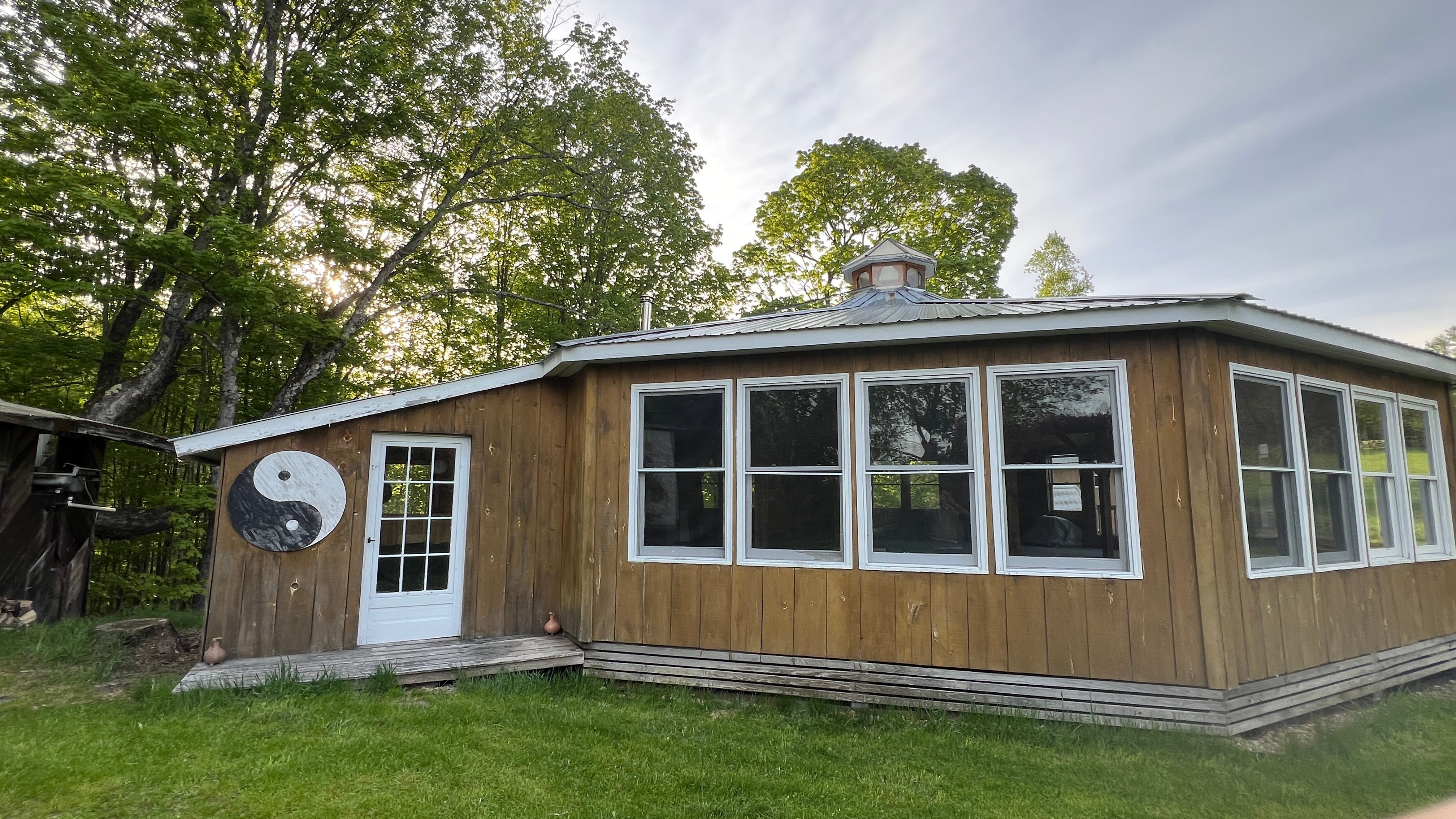
Photo from the author, May 25, 2026.
That is what the SunDo Retreat Center near St. Johnsbury, Vermont, is actually selling. And it isn’t cheap in the way that matters most — it costs you your usual pace of life. But what it gives back is harder to put a dollar figure on.
The Place
Tucked into 72 acres of Vermont’s Northeast Kingdom — a region that has somehow remained stubbornly, beautifully rural — the SunDo Retreat Center sits in Barnet, about five miles south of St. Johnsbury. Open fields slope toward woodlands. Hiking trails disappear into forest. And at the center of it all stands the octagonal SunDo Meditation Hall, built in two phases between 1997 and 2003, with a skylight cupola that opens the ceiling toward the sky as if the architecture itself were breathing.
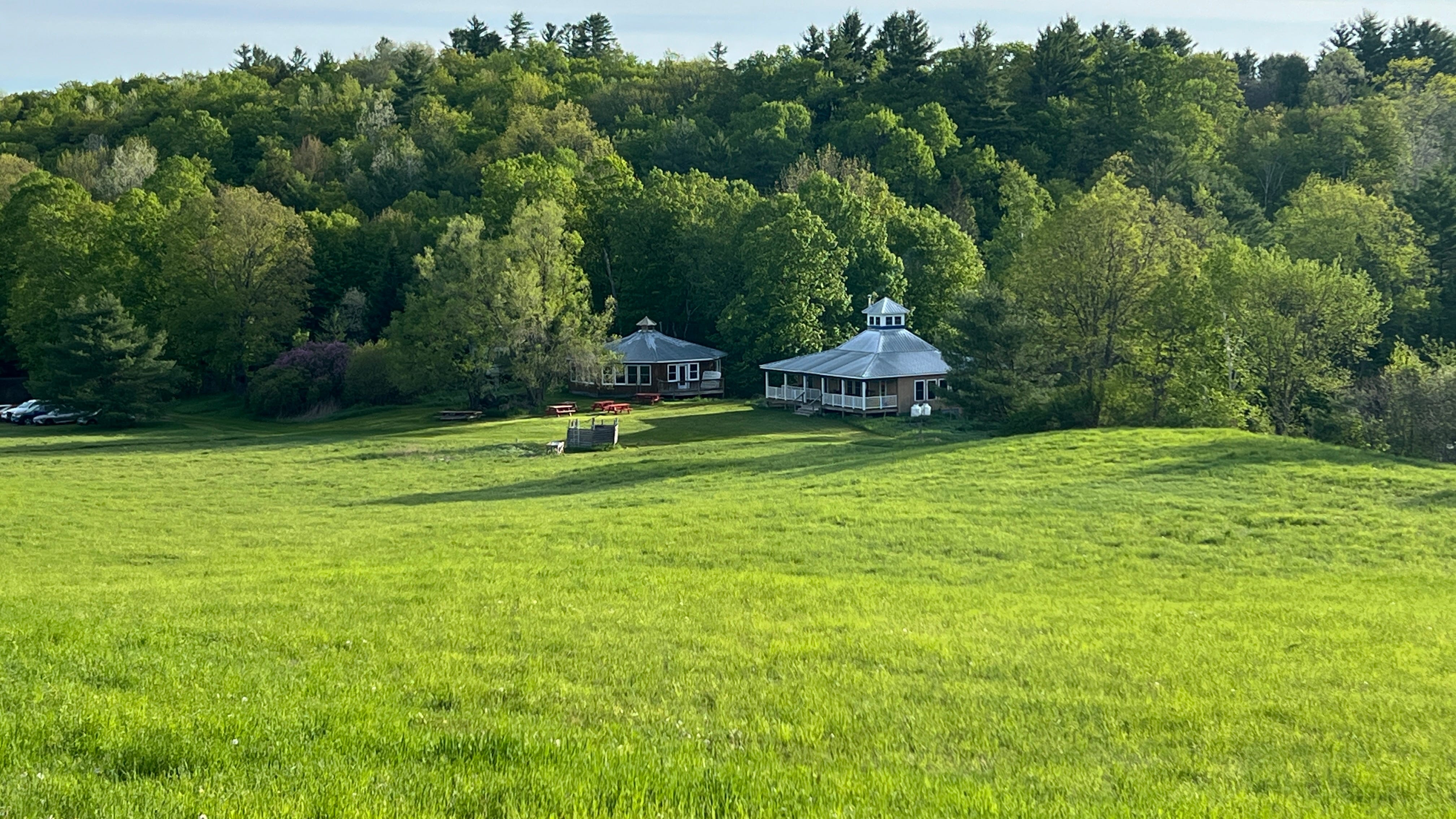
Photo from the author, May 25, 2026
The hall was designed for around 30 practitioners and later expanded to hold at least 50. A south-facing deck was added in 2008 — a quiet platform for receiving morning light and watching the tree line. It sounds simple. It is. That is precisely the point.
The kitchen and dining hall anchor the social life of the retreat. From a southwest-facing deck, guests watch the sun drop behind distant Vermont hills while sharing a meal. The accommodations lean rustic: a private cabin, camping sites, and dormitory-style housing with limited electricity. Some may read that and hesitate. Those who have been here tend to read it and exhale.
The Practice
SunDo is a Korean Sundoist breathing and meditation tradition. At its core, it integrates breath, posture, movement, and inner awareness — disciplines that treat the body not as a machine to optimize but as a living site of intelligence. Think of it as related to the broader family of contemplative and somatic practices: the kind that have been quietly gaining credibility in leadership development, healthcare, and psychology over the past two decades.
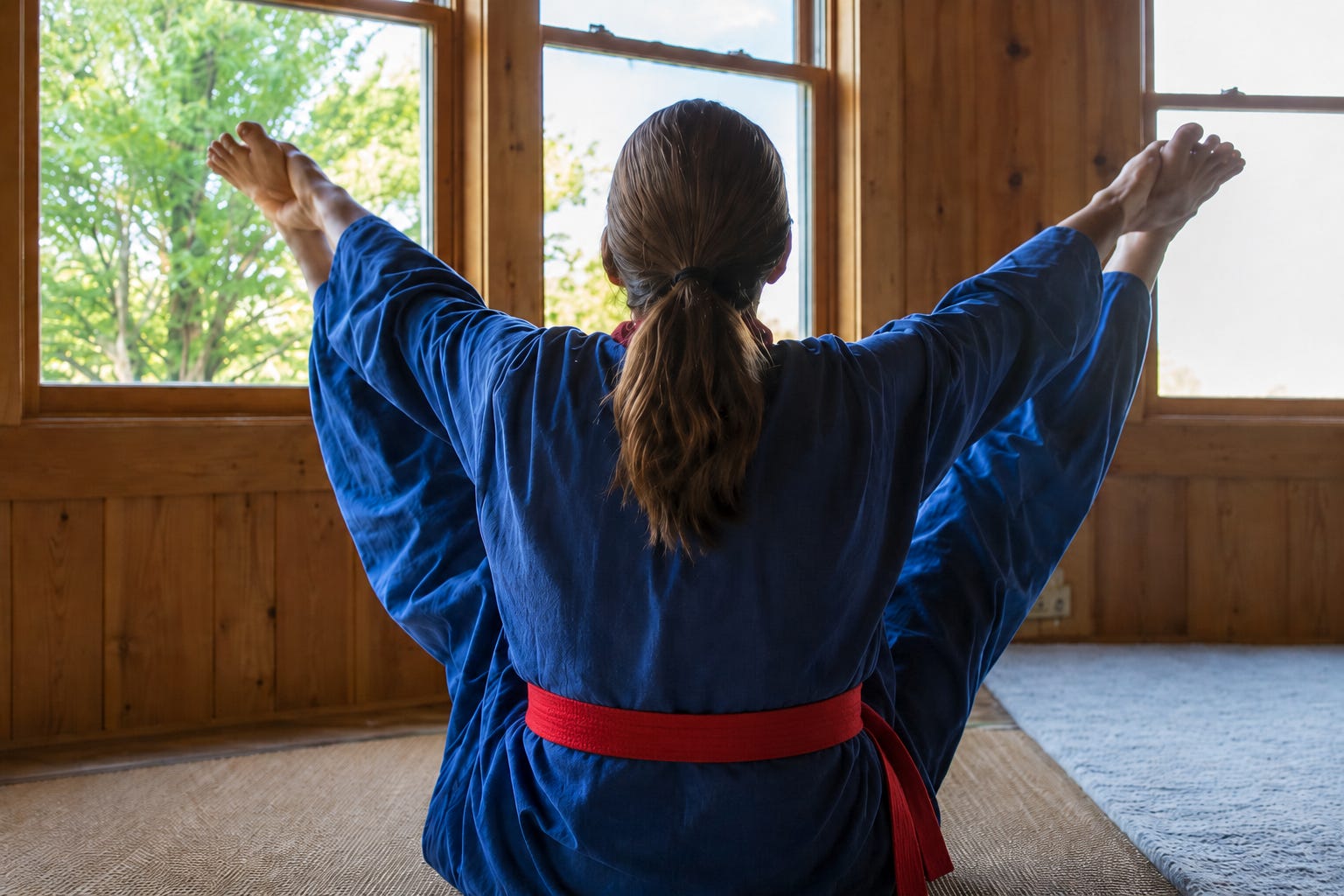
Photo from: Sundo International
What makes SunDo distinctive is its lineage. It traces its roots through Korean Sundo tradition and arrived in North America through SunDo International, an educational nonprofit community committed to transmitting the practice with integrity. For Korean-Americans and Korean diaspora communities in particular, a SunDo retreat carries something extra: a thread back to a cultural and spiritual inheritance that the speed of assimilation can quietly sever.
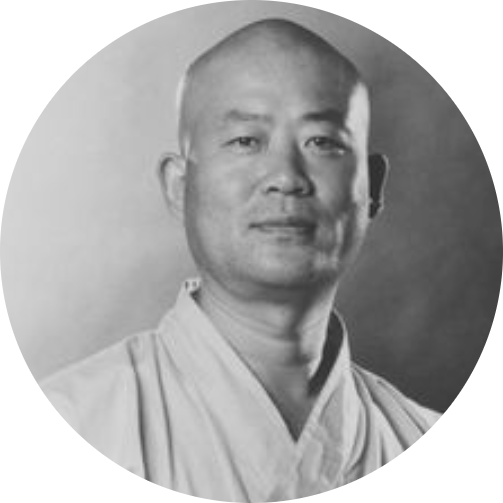
Grand Master, Dr. Hyunmoon Kim, Photo from Sundo International
A 2002 doctoral study by Hyunmoon Kim explored SunDo Sundoism (a.k.a. Taoism, Daoims) as a model of personal and spiritual development among practitioners in North America and Korea. The research framed SunDo not as exercise — though the physical demands are real, and your muscles will let you know — but as a pathway toward meaning-making, self-awareness, and something that older traditions simply called inner harmony.
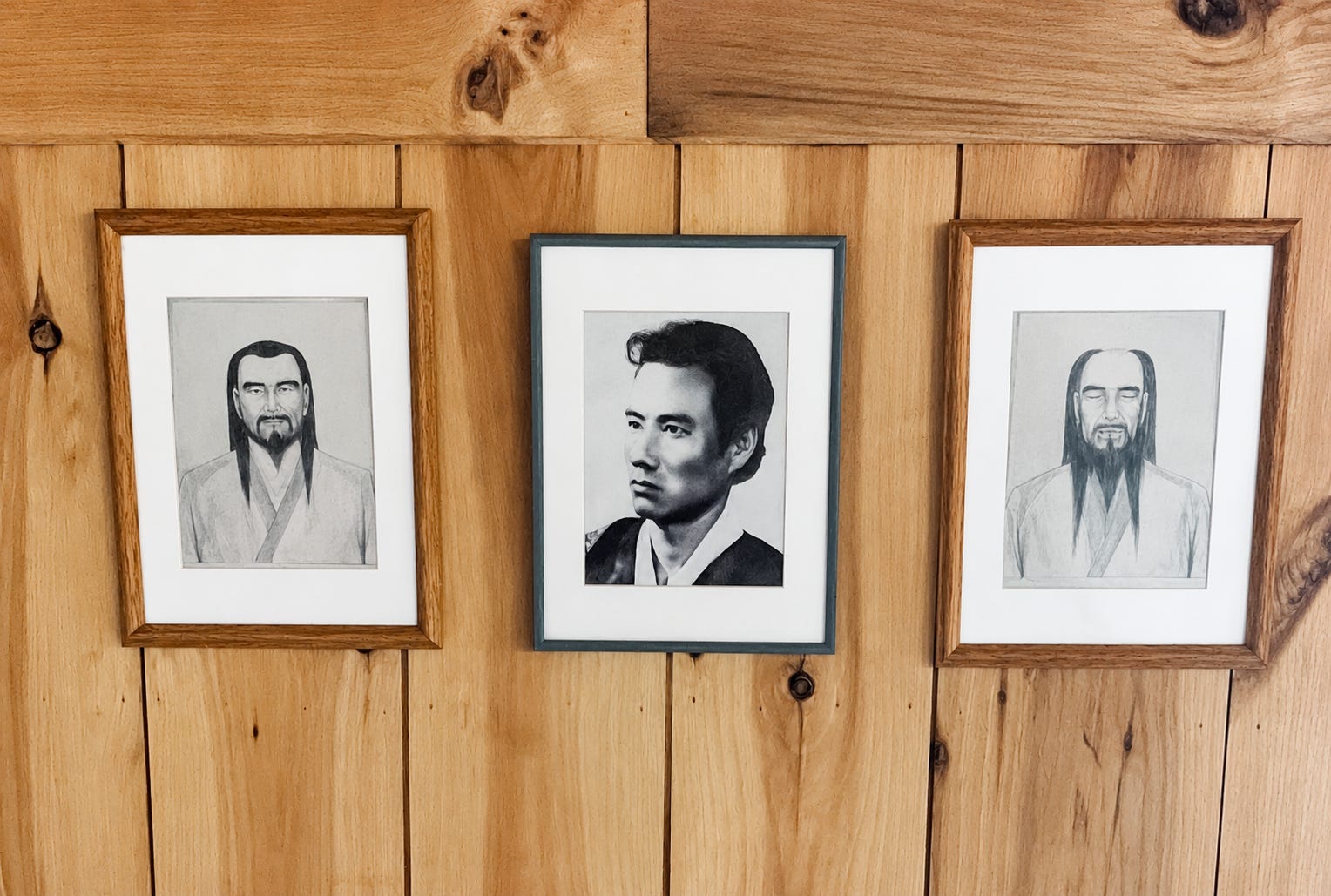
Korean Hermits: Moo-Un, Chung-San, and Chung-Un , Photo from the author: May 25, 2026
Why Now
There is a growing argument, increasingly hard to dismiss, that silence has become a form of luxury. Not the curated silence of a spa or the ambient noise of a coffee shop. Real silence. The kind where you can hear your own breath and aren’t immediately compelled to document it.
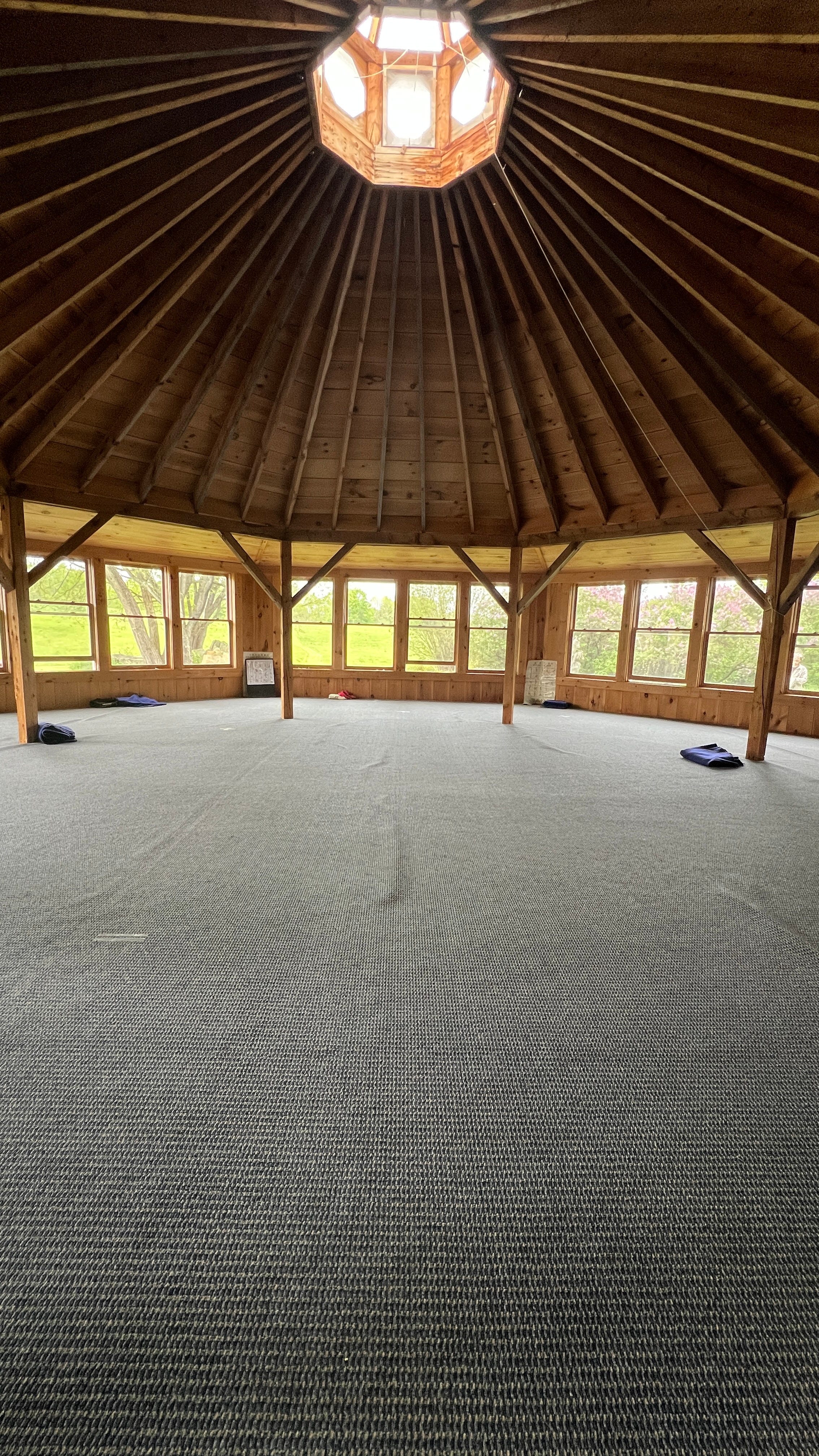
Photo from the author, May 25, 2026
Researchers who study mindfulness and embodied learning have been making a version of this point for years: that moving from automatic, fragmented attention toward grounded, conscious presence is one of the more valuable things a person can practice — and one of the hardest to do without deliberately stepping outside ordinary life (Brendel & Bennett, 2016).
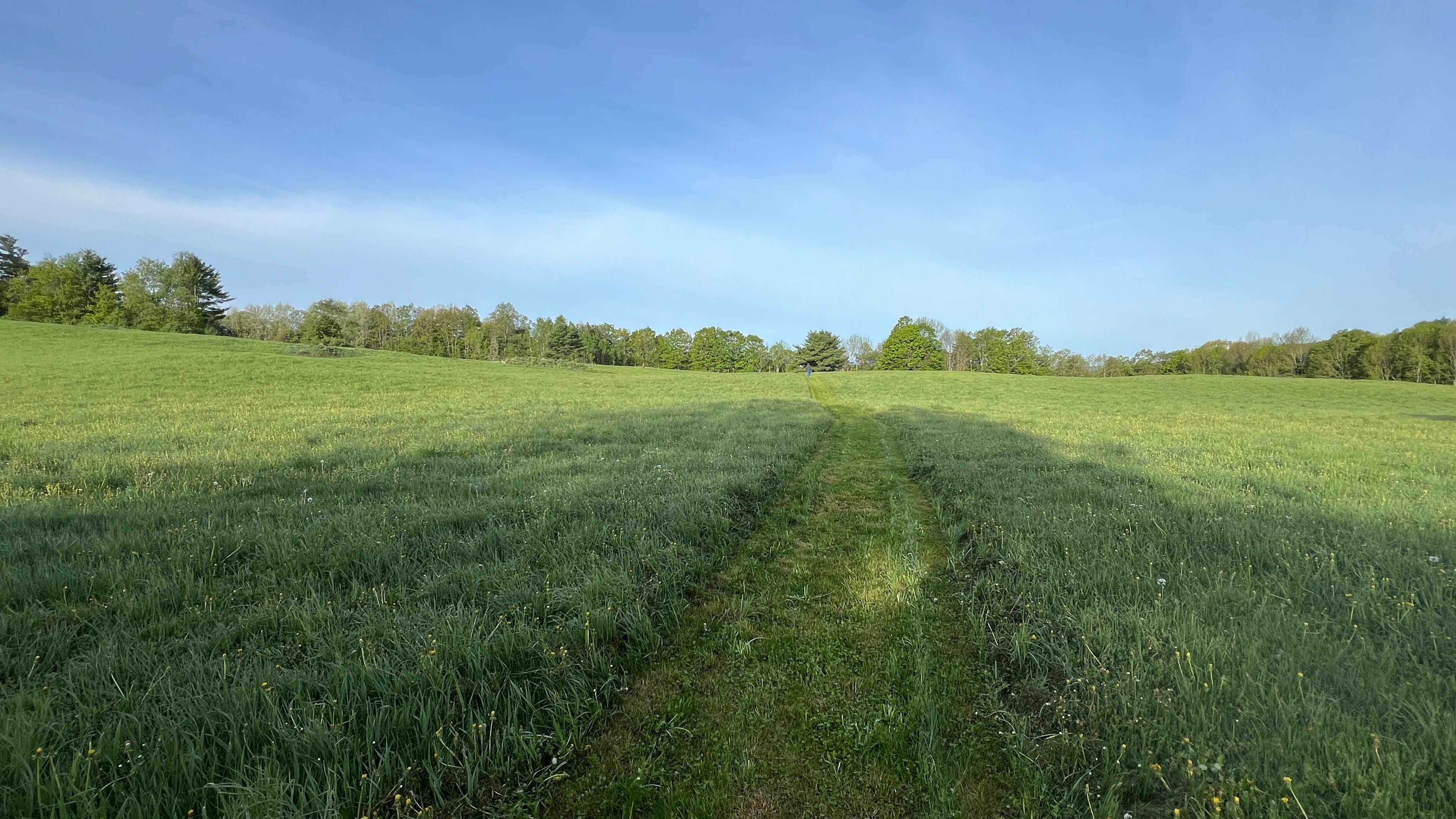
Photo from the author, May 25, 2026
A retreat doesn’t just offer rest. It offers reversal. The body, which spends most of modern life as background — seated, stimulated, and mostly ignored — comes back to the foreground. Breath deepens. Attention settles. And the particular grief of always being slightly elsewhere begins to lift.
Worth the Drive
St. Johnsbury is a real Vermont town, not a postcard version of one. The Fairbanks Museum, Catamount Arts, and the surrounding Northeast Kingdom make it a legitimate destination even outside retreat season. But the SunDo Center is its own reason to come.
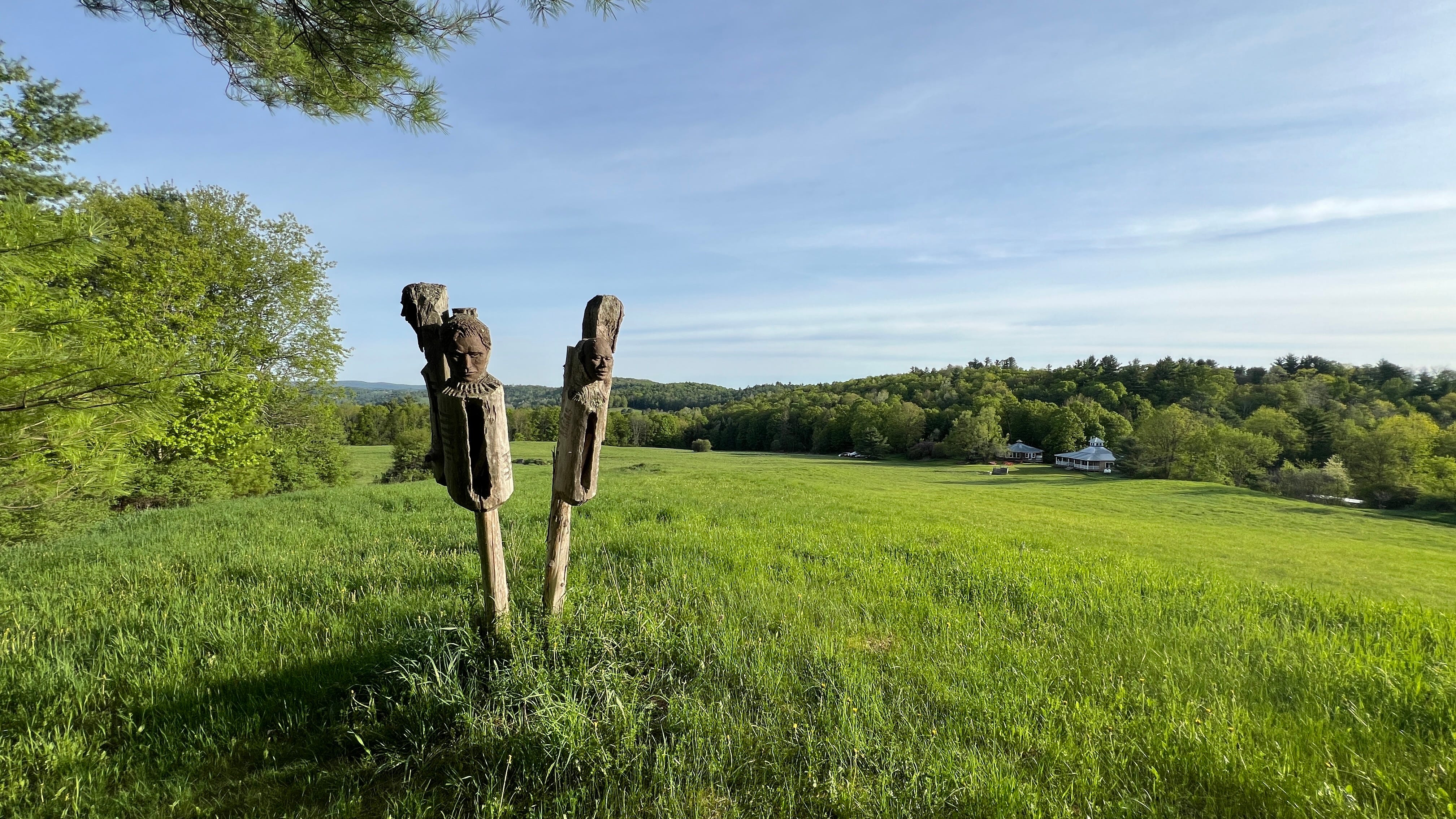
Photo from the author, May 25, 2026
A few days here won’t solve anything structural about your life. That’s not what it promises. What it offers is simpler and rarer: the experience of returning to your own body, your own breath, and something that feels — at least for the duration of a walk through Vermont woods — like the beginning of clarity.
That, for a growing number of people, is worth every mile of the drive.
Visit SunDo Retreat Center Barnet, Vermont 05821 (approximately 5 miles south of St. Johnsbury, VT)
https://www.sundointernational.com/
For retreat schedules, registration, and seasonal programming, visit the SunDo International website or contact the center directly through sundointernational.com.
References
Brendel, W., & Bennett, C. (2016). Learning to embody leadership through mindfulness and somatics practice. Advances in Developing Human Resources, 18(3), 409–425. https://doi.org/10.1177/1523422316646068
Kim, H. (2002). The Tao of life: An investigation of Sundo Taoism’s personal growth model as a process of spiritual development [Doctoral dissertation, Saybrook Graduate School and Research Center]. PhilPapers. https://philpapers.org/rec/KIMTTO-4
SunDo International Association. (2026a). Retreats. https://www.sundointernational.com/retreats.html
SunDo International Association. (2026b). SunDo winter retreat. https://www.sundointernational.com/winter-retreat.html
SunDo International Association. (2026c). SunDo summer retreat. https://www.sundointernational.com/summer-retreat.html
Vermont Department of Tourism and Marketing. (2026). Northeast Kingdom. https://vermontvacation.com/places-to-visit/vermont-regions/northeast-kingdom/
Note. This article draws on the author's firsthand experience at the SunDo Retreat Center during the 2026 Memorial Day Retreat, May 22–25, 2026.

Prof. Dr. Jeonghwan (Jerry) Choi — Editor-in-Coordination of K-Global Scholars and Professional Forum & Associate Professor, University of Maine at Presque Isle
Jeonghwan (Jerry) Choi, PhD is an Associate Professor of Business at the University of Maine at Presque Isle and Editor-in-Coordination of K-GSP Forum. With over 25 years of industry and consulting experience, he specializes in leadership development, human resource management, organizational behavior, and social entrepreneurship. His research focuses on workforce resilience, organizational health, and self-directed leadership — bridging rigorous scholarship with practical insight to cultivate leaders who create meaningful, sustainable, and humane organizations.
© K-Global Scholars and Professionals Forum. All rights reserved. Content published in the K-GSP Forum may not be reproduced, distributed, or transmitted in any form without prior written permission from the K-GSP Forum, except for brief quotations with full attribution.
Thank you for your interesting article!