


Note. Cover of John Stenbeck’s Mirror: Life Reflected in Literature by Young B. Choi (2025). Included to illustrate the author’s engagement with literature and personal reflection. (Source: Amazon Author Young Choi’s Homepage)
Why I Read American Novels
Ten Rewards of Reading John Steinbeck and Mark Twain
Summary
This essay explores the enduring value of reading American novels from an immigrant’s perspective, examining ten ways the works of John Steinbeck and Mark Twain contribute to language learning, cultural understanding, and personal growth. Drawing on Steinbeck’s Of Mice and Men (1937) and The Grapes of Wrath (1939), together with Twain’s The Adventures of Tom Sawyer (1876) and Adventures of Huckleberry Finn (1884), the essay argues that literature offers far more than an opportunity to improve English proficiency. It provides a window into American history and culture, illuminates the challenges of displacement and belonging, reveals the humor and social sensibilities of American life, and encourages readers to reconsider conventional ideas of success. It also fosters empathy for marginalized people, strengthens moral reflection, highlights the importance of family and friendship, inspires lifelong learning, and builds a cultural bridge between Korea and the United States. Steinbeck’s fiction emphasizes human dignity, solidarity, and resilience amid economic hardship and social inequality, while Twain employs humor, satire, and moral conflict to examine prejudice, social conventions, individual conscience, and freedom (Steinbeck, 1937, 1939; Twain, 1876, 1884). These literary reflections also resonate with Choi’s (2025a, 2025b) exploration of the ways literature mirrors lived experience and helps readers discover deeper meanings in their own lives. Although the two authors differ in historical context and literary approach, their works illuminate shared human concerns, including hope, suffering, companionship, justice, and personal growth. Ultimately, reading American fiction enables immigrants to understand their adopted society more deeply while reflecting on their own cultural identities and values. It is not merely an exercise in language acquisition or cultural adaptation, but an ongoing intellectual and emotional journey that broadens perspective, deepens empathy, and nurtures a more thoughtful and humane understanding of oneself and others.
Keywords: American fiction, immigrant experience, John Steinbeck, Mark Twain, American culture, human dignity, empathy, moral reflection, cultural identity, lifelong learning

Note. Cover of The Pearl Within: Reading Life Through John Stenbeck’s Literature by Young B. Choi (2025). Included to illustrate the author’s engagement with literature and personal reflection. (Source: Amazon Author Young Choi’s Homepage)
Introduction: Literature as a Window into America
When I first came to the United States, I began to realize that learning English was only the beginning of understanding America. Knowing the language did not automatically mean understanding the people who spoke it, the history that shaped them, or the values that influenced their everyday lives. Behind familiar expressions, jokes, and conversations lay a world of experiences that could not be fully understood through dictionaries or textbooks alone. I gradually discovered that American literature offered a special way into that world.
Among American writers, two authors have become particularly meaningful to me: John Steinbeck and Mark Twain. Steinbeck takes readers into the lives of ordinary people struggling against poverty, hardship, and social injustice. Twain invites us into a world of youthful adventure, sharp humor, and uncomfortable questions about society and human conscience. Although they wrote in different periods and styles, both writers help readers look beyond appearances and discover the complicated realities of American life (Steinbeck, 1937, 1939; Twain, 1876, 1884).
As an immigrant, I find their works especially rewarding. Their stories help me understand not only the country in which I live but also the hopes, fears, contradictions, and moral struggles that people everywhere share. Over time, I have come to see reading as more than an intellectual activity. It is also a way of reflecting on personal experience and discovering new meanings in ordinary life. My
own books, John Stenbeck’s Mirror: Life Reflected in Literature and The Pearl Within: Reading Life Through John Stenbeck’s Literature, grew out of this interest in the relationship between literature and lived experience (Choi, 2025a, 2025b). Reading Steinbeck and Twain has given me at least ten lasting rewards.
Discovering English as a Living Language
One of the first rewards of reading American novels is discovering that English is more than a collection of grammatical rules and vocabulary words. In literature, language becomes a living expression of personality, emotion, humor, conflict, and culture.
Mark Twain’s The Adventures of Tom Sawyer introduces readers to the energy and imagination of childhood. Tom’s adventures reveal how children speak, play, bargain, boast, and test the boundaries established by adults (Twain, 1876). His language is often playful, and his conversations reveal as much about his character as his actions do. Reading Twain helped me recognize that English can be lively, ironic, mischievous, and full of meanings that are not always obvious from the words themselves.
Steinbeck offers a different linguistic experience. In Of Mice and Men, the conversations of ranch workers reflect their social circumstances, limited opportunities, personal ambitions, and relationships (Steinbeck, 1937). Their words may be plain, but the emotions beneath them are often complicated. A short exchange can communicate loneliness, frustration, affection, or a desire for dignity.
For an English learner, such writing provides an education that a dictionary cannot fully offer. It teaches us to pay attention to tone, context, rhythm, and the distance between what people say and what they mean. Language becomes not merely something to study but something to experience.
Understanding American History Through Ordinary Lives
Another reward is learning about American history through the lives of ordinary people. History textbooks often emphasize presidents, wars, laws, and major political events. Novels can reveal how historical forces affect families, workers, children, and people whose names rarely appear in official records.
Steinbeck’s The Grapes of Wrath portrays a family displaced during the Great Depression and Dust Bowl era. The Joad family leaves Oklahoma in search of work and a more secure future in California, only to encounter exploitation, insecurity, and prejudice along the way (Steinbeck, 1939). Their journey reveals the human consequences of economic collapse and environmental disaster.
The novel helped me understand that economic history is never merely a story about statistics. Unemployment, falling incomes, and migration are experienced by individuals who must decide where to go, how to feed their children, and whether to continue hoping when circumstances seem hopeless.
Twain’s novels provide another historical perspective. The Adventures of Huckleberry Finn explores life along the Mississippi River in a society shaped by slavery, racial prejudice, and deeply conflicting moral beliefs (Twain, 1884). Through Huck’s experiences, readers encounter the gap between the values society claims to uphold and the injustices it accepts.
These novels remind me that history is not simply something that happened in the past. Its institutions, assumptions, and inequalities influence how people live and how societies understand themselves. Literature makes those forces visible through human experience.
Recognizing the Hardships and Loneliness of Immigrant Life
Reading Steinbeck has also encouraged me to reflect on the challenges of building a life in a new country. Immigration can bring opportunity, but it can also involve uncertainty, loneliness, unfamiliar customs, language barriers, and the difficult task of establishing a sense of belonging.
The Joad family’s experience in The Grapes of Wrath is not identical to the experience of a contemporary immigrant. The family’s displacement arose from the particular economic and environmental crises of Depression-era America. Nevertheless, the novel offers a meaningful point of comparison: people who leave familiar surroundings in search of a better life often discover that hope alone cannot guarantee security or acceptance (Steinbeck, 1939).
An immigrant may learn the language and understand the rules of a new society while still wondering whether others truly understand their background or recognize their abilities. Even ordinary interactions can require extra effort. A joke may be difficult to follow, a social expectation may remain unexplained, and a familiar expression may carry a meaning that cannot be found through literal translation.
Steinbeck’s attention to hardship and human dignity helped me look at such experiences with greater patience. His characters are not merely victims of circumstance; they are people with memories, ambitions, relationships, and an enduring desire to live meaningfully. This perspective also informs my own reflection on literature as a mirror of life: a story becomes especially powerful when it helps us recognize our experiences without assuming that every person’s circumstances are the same (Choi, 2025a, 2025b).
The lesson is not that all hardships are equivalent. Rather, literature allows us to recognize familiar human feelings across different historical and cultural situations while respecting the differences between them.
Appreciating American Humor and Social Sensibility
Mark Twain taught me that humor can be one of the most revealing ways to understand a society. His writing is entertaining, but the laughter often carries a serious purpose. Beneath the adventures and comic situations lie questions about hypocrisy, social status, education, authority, and the assumptions people rarely examine.
In The Adventures of Tom Sawyer, Tom’s cleverness and mischievous behavior expose the gap between the world adults attempt to control and the world children actually experience (Twain, 1876). His famous ability to turn an unwanted chore into a desirable activity illustrates how people can influence one another’s perceptions. The episode is funny, but it also invites readers to consider how social approval and human psychology work.
Twain’s humor can be more uncomfortable in Adventures of Huckleberry Finn. The novel presents a society in which people may regard themselves as respectable while participating in or tolerating injustice (Twain, 1884). By allowing readers to observe this contradiction, Twain makes humor a form of social criticism.
As someone who grew up in one cultural environment and later lived in another, I have learned that humor is not universal in its expression. What seems amusing in one culture may be confusing or even offensive in another. Understanding humor requires familiarity with social expectations, historical references, and the assumptions that a community shares.
Twain’s writing therefore offers more than entertainment. It encourages readers to ask why people laugh, whom they laugh at, and whether laughter challenges prejudice or reinforces it. Humor becomes a way of studying a society—and occasionally a way of recognizing our own blind spots.
Rethinking the Meaning of Success
American culture is often associated with ambition, individual initiative, and the pursuit of opportunity. These ideals have inspired many people, including immigrants who arrive with hopes of education, professional achievement, and a better future for their families. Yet Steinbeck’s work reminds us that success cannot be measured by money or social status alone.
In Of Mice and Men, George and Lennie share a dream of owning a small place of their own, where they can work independently and escape the insecurity of ranch labor (Steinbeck, 1937). Their dream is modest in material terms, but it carries enormous emotional significance. It represents freedom, belonging, companionship, and control over their own lives.
The tragedy of the novel makes readers consider how fragile such hopes can be when individuals have little power over their circumstances. It also raises a difficult question: What happens when people are encouraged to dream but lack the social, economic, or personal resources needed to achieve those dreams?
For immigrants, success may initially be defined by employment, income, educational credentials, or professional recognition. These goals are important, but life gradually reveals other measures of achievement: maintaining meaningful relationships, contributing to a community, preserving personal integrity, and helping the next generation find its way.
My reflections on Steinbeck’s fiction have reinforced my interest in reading literature as a means of examining life rather than simply evaluating a plot or its characters (Choi, 2025b). A novel may not provide a formula for success, but it can help us reconsider what success means and what we may sacrifice in its pursuit.
Learning to See the World Through the Eyes of Others
Perhaps the most important reward of literature is the opportunity to see the world from another person’s perspective. In everyday life, we often judge people before we understand the experiences that have shaped them. We may interpret their behavior through our own cultural expectations and overlook the pressures or fears that influence their choices.
Steinbeck’s characters challenge this tendency. The people in his novels may be poor, socially marginalized, physically vulnerable, or trapped by circumstances beyond their control. Yet they remain complex human beings whose lives deserve attention and respect (Steinbeck, 1937, 1939). Their weaknesses do not erase their dignity, and their suffering does not make them less worthy of understanding.
Twain offers a different but equally important lesson through Huck Finn. Huck grows up in a society that teaches him to accept racial prejudice as normal. His developing relationship with Jim forces him to confront the difference between accepted social beliefs and his own growing sense of responsibility (Twain, 1884). His moral development is imperfect and historically situated, but it reveals how personal relationships can challenge inherited assumptions.
Reading these characters requires us to move beyond the question, “Would I behave that way?” and ask a more demanding one: “What experiences, beliefs, and circumstances have shaped this person’s choices?”
Such questions are valuable in a multicultural society. They encourage empathy without requiring us to agree with every action or abandon critical judgment. Literature cannot eliminate prejudice by itself, but it can create opportunities to question stereotypes and recognize the humanity of people whose lives differ from our own.
Listening to the Voice of Conscience
Twain’s Adventures of Huckleberry Finn offers one of American literature’s most memorable explorations of the conflict between social teaching and personal conscience. Huck has been taught to regard helping Jim escape slavery as morally wrong. Yet his growing friendship with Jim makes it increasingly difficult for him to accept the judgment imposed by his society (Twain, 1884).
The importance of Huck’s struggle lies in the way he must examine what he has been taught. His moral understanding does not emerge from an abstract philosophical argument. It develops through experience, attachment, uncertainty, and the recognition of another person’s humanity.
This conflict remains relevant today. People can follow established rules and still participate in injustice. Conversely, questioning a prevailing belief may require courage, especially when family, institutions, or the wider community insist that the belief is beyond debate.
Steinbeck also asks readers to consider the moral responsibilities people have toward one another. His stories repeatedly reveal how poverty, exploitation, and indifference can diminish human lives. They encourage us to examine not only individual choices but also the systems that shape those choices (Steinbeck, 1937, 1939).
These writers have strengthened my belief that education should develop judgment as well as knowledge. Learning to speak another language or understand another culture is valuable, but it becomes more meaningful when it helps us ask difficult questions about fairness, responsibility, and human dignity. Literature invites us to listen to conscience while remaining humble about our own limitations.
Rediscovering the Importance of Family and Friendship
In both Steinbeck and Twain, relationships give life much of its meaning. People may seek independence, wealth, or adventure, but they also need companionship and recognition. Family and friendship can provide strength in difficult circumstances, even though relationships themselves may be complicated and imperfect.
In Of Mice and Men, George and Lennie share a bond that distinguishes them from many of the isolated workers around them. Their relationship offers companionship in a world where economic insecurity and constant movement make lasting connections difficult (Steinbeck, 1937). Their dream of a home is inseparable from their desire to remain together.
The novel does not present friendship as simple or free of burdens. George must make difficult decisions, and Lennie’s vulnerability creates serious challenges. Their relationship therefore invites readers to consider the responsibilities that accompany care for another person.
In The Adventures of Tom Sawyer and Adventures of Huckleberry Finn, friendship is closely connected to freedom, adventure, and the discovery of identity (Twain, 1876, 1884). The boys’ experiences show that companionship can create opportunities to explore the world, test social boundaries, and learn about themselves.
For an immigrant, relationships can be especially important. Family and friends may provide continuity with the past, while new friendships help create a sense of belonging in the present. Over time, a person may discover that home is not defined solely by geography. It can also be found in relationships, shared memories, and the willingness to care for others.
Literature has helped me recognize how often the deepest meanings of life appear in ordinary acts of loyalty, kindness, sacrifice, and understanding. These are not grand achievements, but they are among the experiences that make a life worthwhile.
Making Reading a Lifelong Adventure
A further reward of reading Steinbeck and Twain is the discovery that a book can change as the reader changes. A novel encountered during youth may seem primarily entertaining. The same novel, read years later after professional responsibilities, family experiences, travel, and personal challenges, may reveal an entirely different dimension.
Tom Sawyer’s mischief may initially appear to be nothing more than childhood fun. Later, readers may notice how Twain portrays social expectations and the desire for recognition. Huck Finn’s journey may first seem like an adventure along the Mississippi River, but a more mature reading can reveal questions about conscience, prejudice, freedom, and moral responsibility.
Steinbeck’s characters likewise invite repeated reading. Their struggles may acquire new significance when readers have experienced economic uncertainty, witnessed inequality, or encountered people whose opportunities are limited by circumstances beyond their control. The books remain the same, but the reader brings new questions to them.
This continuing dialogue between literature and experience is central to my own approach to reading. In John Stenbeck’s Mirror: Life Reflected in Literature and The Pearl Within: Reading Life Through John Stenbeck’s Literature, I explore the idea that literary works can serve as mirrors through which readers reconsider their own lives and discover meanings that might otherwise remain unnoticed (Choi, 2025a, 2025b).
A mirror does not tell us everything about ourselves, and a novel does not provide a complete explanation of life. Both, however, can reveal something worth examining. Reading becomes a lifelong adventure because our experiences continue to change the questions we bring to a book.
Building a Cultural Bridge Between Korea and America
As an immigrant who has spent years living and working in the United States, I have come to value literature as a bridge between cultures. Reading American novels has helped me understand aspects of American history and social life that might otherwise have remained distant. At the same time, it has encouraged me to reflect on Korean experiences, values, and traditions.
The cultural bridge does not depend on pretending that Korea and America are alike in every respect. Their histories, social expectations, and cultural practices differ in important ways. Instead, literature creates a space in which readers can compare experiences, recognize differences, and discover questions that cross national boundaries.
Steinbeck’s concern for working people, economic insecurity, and human dignity can encourage readers to reflect on the experiences of people facing hardship in many societies. Twain’s criticism of hypocrisy and prejudice can prompt readers to examine the assumptions embedded in their own communities. Neither writer should be treated as a universal spokesperson for every American, but both offer valuable perspectives on particular aspects of American life.
This exchange can work in both directions. Reading American literature may help Korean readers understand American experiences, while reflecting on these novels through a Korean cultural perspective can reveal assumptions that American readers might take for granted. Cross-cultural understanding grows when readers are willing to learn from one another without reducing either culture to a stereotype.
My interest in connecting literature with lived experience reflects a broader conviction: reading is most valuable when it expands our capacity to understand people beyond our immediate surroundings (Choi, 2025a, 2025b). In a world shaped by migration, technology, and global communication, that capacity is increasingly important. Literature allows us to encounter other lives through imagination before we encounter them through personal relationships, public debates, or international events.
What Steinbeck and Twain Continue to Teach Me
The ten rewards of reading Steinbeck and Twain are closely connected. Their novels have helped me develop my English, deepen my understanding of American history, reflect on immigrant life, appreciate humor, reconsider success, practice empathy, examine conscience, value relationships, sustain a lifelong interest in reading, and build a bridge between Korean and American cultures.
Yet the greatest reward may be the realization that literature is not simply about people who lived in another place or time. It is also about the questions that remain with us: How should we treat people whose lives are different from ours? What makes a society just? How do we distinguish accepted beliefs from moral truths? What gives a life dignity when wealth, status, or opportunity is limited?
Steinbeck and Twain do not offer identical answers. Their styles, historical settings, and literary purposes differ. Steinbeck often brings readers close to the suffering and resilience of ordinary people, while Twain uses humor, adventure, and moral conflict to expose the contradictions of society. Read together, they provide complementary ways of examining the human condition.
For me, reading their novels has become part of the continuing process of understanding America and understanding myself. I began by looking for a better way to learn English. I discovered something much larger: stories that illuminate history, challenge assumptions, and invite readers to see familiar experiences from a new perspective.
Perhaps that is the enduring gift of great literature. It does not merely tell us what happened to fictional characters. It helps us reconsider what happens in our own lives and how we respond to the lives of others. A book may begin as a story about a boy along the Mississippi River or a family traveling across the American West, yet its meaning can reach far beyond its original setting.
The more I read, the more I recognize that understanding a country requires more than learning its language, and understanding humanity requires more than knowing facts about other people. It requires imagination, patience, historical awareness, and a willingness to question ourselves. Through Steinbeck and Twain, I continue to discover America, understand humanity, and rediscover myself.
References
Choi, Y. B. (2025a). John Steinbeck’s mirror: Life reflected in literature. Kindle Direct Publishing.
Choi, Y. B. (2025b). The pearl within: Reading life through John Stenbeck’s literature. Kindle Direct Publishing.
Steinbeck, J. (1937). Of mice and men. Covici-Friede.
Steinbeck, J. (1939). The grapes of wrath. The Viking Press.
Twain, M. (1876). The adventures of Tom Sawyer. American Publishing Company.
Twain, M. (1884). Adventures of Huckleberry Finn. Charles L. Webster and Company.
Appendix: Ten Key Literary Differences Between Mark Twain and John Steinbeck
1. Central Literary Purpose
MT: Exposes social hypocrisy and human contradictions through humor and satire.
JS: Explores social inequality and human dignity through realistic portrayals of life.
2. Major Themes
MT: Freedom, individual conscience, social conventions, hypocrisy, and racial prejudice.
JS: Poverty, labor, economic inequality, survival, solidarity, and human dignity.
3. Typical Characters
MT: Playful, independent boys and individuals who question social norms.
JS: Poor workers, marginalized individuals, and families struggling to survive.
4. Literary Tone
MT: Humorous and satirical, sometimes cynical and sharply critical.
JS: Realistic and empathetic, sometimes tragic and lyrical.
5. Role of Humor
MT: Uses laughter to expose human vanity, hypocrisy, and social contradictions.
JS: Uses humor and warm human relationships to reveal humanity amid hardship.
6. Approach to Social Criticism
MT: Employs irony, exaggeration, satire, and contradictions in characters’ actions and dialogue.
JS: Depicts the lived experiences of impoverished people and the effects of institutional and economic structures.
7. Nature and Environment
MT: The Mississippi River and the landscapes of the American South provide settings for adventure, freedom, and regional culture.
JS: California’s farmland and valleys, along with devastated landscapes, are deeply connected to human lives and destinies.
8. Meaning of Human Relationships
MT: Explores personal growth and moral independence through friendship and adventure.
JS: Examines belonging and survival through family ties, community, and solidarity among fellow workers.
9. Characteristic Styles and Techniques
MT: Colloquial language, regional dialects, first-person narration, irony, and satire.
JS: Realism, vivid dialogue, symbolism, repetition, lyrical description, and collective perspectives.
10. Questions Left for Readers
MT: “Is what society teaches us to be right truly morally right?”
JS: “How can human dignity and solidarity be preserved amid inequality and hardship?”
Sources for comparison: Stanford University’s Steinbeck studies resources, official Nobel Prize materials, and major literary resources from the Mark Twain House.
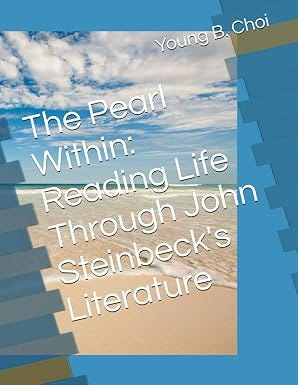
Note. Cover of The Pearl Within: Reading Life Through John Stenbeck’s Literature by Young B. Choi (2025). Included to illustrate the author’s engagement with literature and personal reflection. (Source: Amazon Author Young Choi’s Homepage)
나는 왜 미국 소설을 읽는가
존 스타인벡과 마크 트웨인의 작품을 통해 발견하는 열 가지 보람
들어가는 글: 미국 소설을 읽는다는 것
미국에서 살아가는 이민자에게 미국 소설을 읽는다는 것은 어떤 의미일까? 영어 단어를 더 많이 익히고, 미국 사람들의 말투를 배우며, 미국 사회의 역사와 문화를 이해하는 데 도움이 된다는 것은 분명하다. 그러나 내가 미국 소설을 읽는 이유는 그것만으로 설명되지 않는다. 책장을 넘길 때마다 나는 미국이라는 나라를 새롭게 만나고, 그곳에서 살아가는 사람들의 희로애락을 이해하며, 때로는 소설 속 인물의 모습에서 나 자신의 삶을 발견하기 때문이다.
내가 특별히 좋아하는 작가는 존 스타인벡(John Steinbeck)과 마크 트웨인(Mark Twain)이다. 두 작가는 서로 다른 시대를 살았지만, 인간과 사회를 바라보는 예리한 눈, 보통 사람들의 삶에 대한 깊은 관심, 그리고 인간의 모순을 드러내는 문학적 재능을 공유한다. 스타인벡은 가난과 노동, 가족과 생존, 인간의 존엄성을 깊이 있게 그려 냈다. 트웨인은 유머와 풍자, 모험과 일상의 언어를 통해 미국 사회의 허위와 편견을 날카롭게 드러냈다.
스타인벡의 『분노의 포도』(The Grapes of Wrath)를 읽으면 경제적 어려움 속에서도 삶을 이어 가려는 가족의 강인함을 만나게 된다. 『생쥐와 인간』(Of Mice and Men)에서는 작고 소박한 꿈을 품은 사람들이 얼마나 쉽게 사회의 주변부로 밀려날 수 있는지 생각하게 된다. 한편 트웨인의 『허클베리 핀의 모험』(Adventures of Huckleberry Finn)은 어린 소년의 모험을 통해 자유와 양심, 인종적 편견이라는 무거운 문제를 다룬다. 『톰 소여의 모험』(The Adventures of Tom Sawyer)에서는 어린 시절의 장난과 호기심, 상상력과 자유의 즐거움을 발견할 수 있다.
이 두 작가의 작품을 읽는 일은 나에게 미국을 이해하는 하나의 창문이자, 인간의 삶을 성찰하는 거울이다. 특히 이민자로서 살아가는 나에게는 더욱 그렇다. 새로운 언어와 문화에 적응하면서도 고향의 기억을 간직하고, 성공을 추구하면서도 삶의 의미를 고민하는 경험은 소설 속 인물들의 이야기와 여러 방식으로 연결된다.
그렇다면 나는 왜 스타인벡과 트웨인의 작품을 읽는가? 그들이 들려주는 이야기를 통해 이민자가 누릴 수 있는 열 가지 보람을 살펴보고자 한다.
첫 번째 보람: 영어가 사전 속 단어에서 살아 있는 언어로 바뀐다
미국 소설을 읽는 첫 번째 즐거움은 영어가 살아 움직이는 언어라는 사실을 경험하는 데 있다.
영어 교재에서는 문법과 단어의 뜻을 배운다. 그러나 실제 사람들이 어떤 상황에서 어떤 표현을 사용하고, 농담과 불평을 어떻게 주고받으며, 말과 행동 사이에 어떤 차이가 있는지 배우려면 더 풍부한 언어적 경험이 필요하다. 스타인벡과 트웨인의 소설은 그러한 경험을 제공한다.
특히 마크 트웨인의 작품은 미국식 구어체와 유머를 이해하는 데 매력적이다. 『톰 소여의 모험』의 어린 주인공은 어른들의 규칙을 그대로 따르기보다 자기 나름의 방법으로 상황을 해결하려 한다. 담장을 칠하는 일을 다른 아이들에게 흥미로운 놀이처럼 보이게 만드는 유명한 장면은 인간의 심리와 설득의 기술을 유머러스하게 보여 준다. 하기 싫은 일을 억지로 시키는 대신, 다른 사람이 스스로 하고 싶어 하도록 만드는 것이다.
이 장면은 단순한 어린이의 장난을 넘어 인간 행동에 관한 흥미로운 관찰이 된다. 나는 그 장면을 읽으면서 영어 표현뿐 아니라 말의 힘과 사람의 심리를 함께 배우게 된다.
트웨인의 작품에는 오늘날의 일상 영어와 다른 시대적 표현도 많다. 『허클베리 핀의 모험』에는 19세기 미국 남부의 구어체와 방언이 풍부하게 등장한다. 처음에는 읽기 어려울 수 있지만, 등장인물의 관계와 상황을 이해하면서 읽으면 말투가 인물의 성격과 사회적 배경을 드러내는 중요한 장치라는 사실을 깨닫게 된다.
스타인벡의 문체는 트웨인과 다른 방식으로 독자를 이끈다. 『분노의 포도』에서는 가족의 대화와 서술을 통해 경제적 위기와 이주 노동자의 삶이 구체적으로 드러난다. 독자는 인물들이 무슨 말을 하는지뿐 아니라 그들이 무엇을 두려워하고 무엇을 지키려 하는지도 이해하게 된다.
이민자에게 영어를 배운다는 것은 문법적으로 정확한 문장을 만드는 것만을 뜻하지 않는다. 상대방의 감정과 의도를 이해하고, 문화적 맥락 속에서 언어를 해석하는 능력을 기르는 일이다.
첫 번째 보람은 영어를 공부하는 데서 한 걸음 더 나아가, 영어를 사용하는 사람들의 생각과 감정을 이해하게 된다는 것이다.
두 번째 보람: 미국의 역사를 사람들의 삶으로 이해한다
미국의 역사는 독립과 발전, 산업화와 경제성장만으로 이루어진 것이 아니다. 가난과 차별, 이주와 갈등, 희망과 좌절도 미국 역사의 중요한 부분이다. 스타인벡과 트웨인의 작품은 이러한 역사를 추상적인 설명이 아니라 구체적인 인간의 삶으로 보여 준다.
『분노의 포도』는 1930년대 대공황과 더스트볼(Dust Bowl) 시기의 경제적 위기를 배경으로 한다. 오클라호마의 조드 가족은 농토와 생계의 기반을 잃고 더 나은 삶을 찾아 캘리포니아로 이동한다. 그들이 기대했던 곳에는 풍요와 기회가 기다리고 있을 것 같지만, 실제로 마주하는 현실은 일자리 부족과 저임금, 열악한 생활환경, 이주 노동자에 대한 차별이다.
이 작품을 읽으면 경제 위기라는 말이 단순한 통계 용어로 들리지 않는다. 한 가족이 집을 떠나야 한다는 것, 부모가 자녀를 먹이기 위해 고군분투한다는 것, 일할 의지가 있어도 일자리를 구할 수 없다는 것이 어떤 의미인지 생생하게 다가온다.
트웨인의 『허클베리 핀의 모험』은 남북전쟁 이전의 미국 남부를 배경으로 노예제와 인종적 편견을 다룬다. 허크와 도망 노예 짐이 미시시피강을 따라 여행하는 과정에서 독자는 당시 사회가 당연하게 여겼던 규범과 개인의 양심이 충돌하는 장면을 보게 된다.
두 작품은 서로 다른 시대와 문제를 다루지만 중요한 공통점을 지닌다. 사회의 제도와 관습은 개인의 삶에 깊은 영향을 미치며, 그 제도가 언제나 정의로운 것은 아니라는 사실이다.
이민자는 미국을 새로운 기회의 땅으로 생각하며 이곳에 정착하는 경우가 많다. 나 역시 미국을 이해하려면 그 나라의 성공과 번영뿐 아니라 어려움과 모순도 함께 살펴보아야 한다고 생각한다. 한 사회를 진정으로 이해한다는 것은 그 사회가 자랑하는 가치뿐 아니라 그 가치가 실현되지 못한 현실까지 바라보는 일이기 때문이다.
두 번째 보람은 미국의 역사를 사건과 연도의 나열이 아니라, 그 시대를 살아간 사람들의 희망과 고통을 통해 이해하게 된다는 것이다.
세 번째 보람: 이민자의 고단함과 외로움을 이해한다
이민자의 삶에는 새로운 출발의 기쁨과 함께 말로 다 표현하기 어려운 고단함이 있다. 익숙한 환경을 떠나 새로운 사회에서 살아가려면 언어를 배우고, 새로운 규칙을 익히고, 때로는 자신의 능력을 처음부터 다시 증명해야 한다. 가족을 위해 노력하면서도 고향의 기억과 낯선 환경에서 느끼는 외로움을 동시에 안고 살아간다.
스타인벡의 『분노의 포도』는 이러한 경험을 이해하는 데 깊은 울림을 준다.
조드 가족은 더 나은 삶을 찾아 길을 떠나지만, 이동 자체가 곧 성공을 보장하지는 않는다. 그들은 새로운 곳에서 생존을 위해 계속 노력해야 한다. 가족 구성원들은 각자의 어려움을 겪으면서도 서로 의지하고, 삶의 기반이 무너지는 상황에서도 다시 일어서려 한다.
물론 대공황기의 미국 국내 이주와 국제 이민은 역사적·법적 조건이 서로 다르다. 그러나 낯선 환경에서 생계를 꾸리고 가족을 지키며 미래를 만들어 가려는 노력에는 비교할 만한 인간적 경험이 있다.
스타인벡은 인물들의 고통을 과장된 영웅담으로 바꾸지 않는다. 그들의 어려움은 현실적이고 때로는 참담하다. 그럼에도 가족과 이웃 사이의 연대는 삶을 이어 가게 하는 힘으로 나타난다.
이 작품을 읽으면서 나는 새로운 나라에서 살아가는 일이 단지 개인의 능력만으로 이루어지는 것은 아니라는 사실을 생각하게 된다. 기회를 잡기 위해 노력하는 것은 중요하지만, 일자리와 주거, 교육과 공동체의 지원 같은 사회적 조건도 사람의 삶을 좌우한다.
때로는 소설 속 인물의 고단함이 나 자신의 경험을 떠올리게 한다. 새로운 환경에서 말이 잘 통하지 않아 답답했던 순간, 익숙한 문화가 그리웠던 시간, 미래를 위해 현재의 어려움을 견뎌야 했던 경험이 겹쳐 보이기도 한다.
그럴 때 문학은 나에게 조용히 말하는 듯하다. 고단함은 부끄러운 것이 아니며, 어려움 속에서도 살아가려는 노력은 존중받을 가치가 있다고.
세 번째 보람은 이민 생활의 고단함을 개인의 실패로만 바라보지 않고, 새로운 삶을 만들어 가는 인간의 보편적인 경험으로 이해하게 된다는 것이다.
네 번째 보람: 미국인의 유머와 생활 감각을 배운다
미국 소설을 읽으면서 얻는 또 하나의 즐거움은 미국식 유머를 만나는 것이다. 특히 마크 트웨인의 작품은 웃음을 통해 인간의 심리와 사회적 관습을 관찰하는 재미가 있다.
『톰 소여의 모험』에서 담장 칠하기는 대표적인 사례다. 톰은 벌로 받은 일을 다른 아이들이 부러워할 만한 활동으로 바꾸어 놓는다. 그는 자신이 해야 할 일을 남에게 넘기는 데 그치지 않고, 그 일을 매력적인 것으로 보이게 만든다.
이 장면을 읽다 보면 웃음이 나면서도 인간의 심리를 생각하게 된다. 사람은 때로 자신이 자유롭게 선택했다고 느끼는 일에 더 큰 가치를 부여한다. 같은 일이라도 어떻게 제시하느냐에 따라 받아들이는 태도가 달라질 수 있다.
트웨인의 유머는 개인의 장난에만 머물지 않는다. 그는 사회적 권위와 허영, 사람들이 무비판적으로 받아들이는 관습도 풍자의 대상으로 삼는다. 웃음은 세상을 잠시 잊게 하는 오락이면서 동시에 세상을 다르게 바라보게 하는 도구다.
스타인벡의 작품에서는 유머가 다른 역할을 한다. 『생쥐와 인간』에는 조지와 레니의 관계를 비롯해 인물들 사이의 일상적인 대화와 소박한 순간들이 나타난다. 작품 전체에는 비극적인 분위기가 흐르지만, 인물들의 말과 행동에는 인간적인 따뜻함과 때로는 씁쓸한 웃음도 담겨 있다.
이 두 작가를 읽으면서 나는 유머가 단순히 농담을 알아듣는 능력이 아니라는 사실을 깨닫는다. 유머는 인간의 허점을 이해하고, 심각한 현실을 다른 각도에서 바라보며, 때로는 권위에 질문을 던지는 방식이다.
이민자가 미국 사회에서 생활할 때 문화적 유머를 이해하는 것은 일상적인 대화에 도움이 된다. 다만 미국인 모두가 같은 유머를 즐기는 것은 아니며, 작품 속 표현이 오늘날에도 적절하다는 뜻은 아니다. 시대와 상황을 살펴보면서 웃음의 의미를 이해하는 것이 중요하다.
네 번째 보람은 미국식 유머를 즐기는 동시에, 웃음 속에 숨은 인간 심리와 사회적 비판을 발견하는 것이다.
다섯 번째 보람: 성공이 무엇인지 다시 생각한다
미국에서 살아가는 많은 사람에게 성공은 중요한 목표다. 좋은 직장을 얻고, 경제적 안정을 이루며, 가족에게 더 나은 미래를 제공하는 것은 자연스럽고 가치 있는 희망이다. 이민자에게 이러한 열망은 더욱 절실할 수 있다.
그러나 스타인벡과 트웨인의 작품은 성공에 관한 우리의 생각을 다시 살펴보게 한다.
『생쥐와 인간』에서 조지와 레니는 자신들의 땅을 갖고 독립적으로 살아가는 꿈을 품는다. 그 꿈은 화려하지 않다. 자신들의 작은 농장에서 일하고, 다른 사람의 지시를 받지 않으며, 자기 삶을 스스로 꾸려 가고 싶어 한다.
그들에게 꿈은 경제적 부와 사회적 명예보다 훨씬 소박하다. 안정된 일자리와 자신의 공간, 미래에 대한 희망이 그 꿈의 핵심이다. 그러나 그 꿈은 현실의 제약과 인간관계의 어려움 속에서 위태로워진다.
이 작품은 노력만 하면 누구나 꿈을 이룰 수 있다고 단순하게 말하지 않는다. 오히려 선한 의도와 열심히 일하려는 의지가 있어도, 개인의 통제를 벗어난 조건들이 삶의 방향을 바꿀 수 있다는 사실을 보여 준다.
트웨인의 작품에서도 성공과 지위에 대한 풍자를 발견할 수 있다. 『허클베리 핀의 모험』에서 허크는 사회가 옳다고 주장하는 규범과 자신이 실제로 경험하는 인간관계 사이에서 갈등한다. 그가 마주하는 문제는 단순히 사회적 인정을 얻는 것이 아니라 무엇이 옳은 행동인지 스스로 판단하는 것이다.
이러한 이야기는 나에게 중요한 질문을 던진다. 우리는 무엇을 얻기 위해 열심히 살아가는가? 사회적으로 성공했다고 평가받는 것이 중요한가, 아니면 자신의 양심과 가치관에 따라 살아가는 것이 중요한가?
물질적 안정은 삶의 중요한 기반이다. 그러나 그것이 삶의 유일한 목적이 되면 성공을 이루고도 만족하지 못할 수 있다. 가족과의 관계, 지적 성장, 다른 사람에 대한 배려, 사회에 기여하는 일도 성공의 일부가 될 수 있다.
다섯 번째 보람은 성공을 돈과 지위만으로 판단하지 않고, 인간다운 삶과 자신의 가치관을 기준으로 다시 정의하는 것이다.
여섯 번째 보람: 약자와 소외된 사람을 바라보는 눈이 달라진다
스타인벡의 문학을 읽을 때 특히 인상적인 점은 사회의 중심에서 벗어난 사람들에게 관심을 기울인다는 것이다. 그의 작품에는 가난한 노동자, 불안정한 일자리에 의존하는 사람들, 사회적 편견 때문에 자신의 능력을 충분히 펼치기 어려운 사람들이 등장한다.
『분노의 포도』에서 조드 가족과 다른 이주 노동자들은 일할 의지가 있어도 안정적인 생활을 보장받지 못한다. 그들은 경제적 위기의 피해자이면서도, 때로는 사회에서 문제를 일으키는 사람들처럼 취급된다. 스타인벡은 이러한 상황을 통해 빈곤이 단지 개인의 능력 부족으로 설명될 수 없음을 보여 준다.
『생쥐와 인간』에서는 레니가 신체적·인지적 한계를 지닌 인물로 등장한다. 그는 힘이 세지만 자신의 행동이 가져올 결과를 충분히 이해하지 못하는 경우가 있다. 주변 인물들과의 관계 역시 그에게 불리한 조건으로 작용한다. 작품은 그가 처한 상황을 통해 취약한 사람을 보호하고 이해하는 일이 얼마나 복잡한 문제인지 생각하게 한다.
트웨인의 『허클베리 핀의 모험』은 노예제 사회에서 짐이 겪는 현실을 통해 인종적 편견의 문제를 드러낸다. 짐은 당시 사회가 그에게 부여한 지위와 달리 감정과 관계, 두려움과 희망을 지닌 인간으로 그려진다. 허크와 짐의 관계가 발전하면서 허크는 자신이 배워 온 사회적 규범과 실제로 경험하는 인간적 유대 사이에서 갈등한다.
이 작품을 읽을 때는 당시의 인종차별적 언어와 관습을 역사적 맥락 속에서 살펴볼 필요가 있다. 작품을 비판적으로 읽는다는 것은 그 시대의 편견을 그대로 받아들이는 것이 아니라, 문학이 그러한 편견을 어떻게 드러내고 질문하는지 생각하는 일이다.
이민자로서 나는 이 작품들을 통해 다른 사람의 사정을 성급하게 판단하지 않는 태도가 중요하다는 사실을 배운다. 누군가의 경제적 어려움이나 언어적 한계, 사회적 지위만으로 그 사람의 가치와 능력을 판단해서는 안 된다.
여섯 번째 보람은 사회적 약자를 동정의 대상으로만 바라보지 않고, 존엄과 권리를 가진 인간으로 이해하는 것이다.
일곱 번째 보람: 나 자신의 양심과 가치관을 돌아본다
좋은 소설은 독자에게 편안한 답만 제공하지 않는다. 때로는 불편한 질문을 던지고, 자신이 옳다고 믿었던 생각을 다시 살펴보게 한다. 트웨인의 『허클베리 핀의 모험』은 바로 그러한 작품이다.
허크는 짐과 함께 여행하면서 자신이 사회에서 배운 규범과 실제로 느끼는 양심 사이에서 갈등한다. 당시 사회의 관점에서 짐을 돕는 것은 잘못된 행동으로 여겨질 수 있지만, 허크는 짐과 함께 시간을 보내면서 그를 하나의 인간으로 이해하게 된다.
이 과정은 도덕적 판단이 단순히 규칙을 외우는 일만은 아니라는 사실을 보여 준다. 어떤 사회적 규범은 오랜 시간 당연한 것으로 여겨지더라도 부당할 수 있다. 반대로 개인의 감정만으로 모든 판단을 내릴 수도 없다. 중요한 것은 자신이 무엇을 근거로 옳고 그름을 판단하는지 성찰하는 일이다.
스타인벡의 『분노의 포도』 역시 도덕적 질문을 던진다. 생존을 위해 서로 경쟁해야 하는 상황에서 사람들은 어디까지 자신만을 위해 행동할 수 있을까? 다른 사람의 어려움을 외면하는 것이 합리적인 선택처럼 보일 때에도 연대와 도움은 어떤 의미를 지닐까?
이러한 질문은 이민자의 일상과도 연결된다. 새로운 사회에 적응하려면 그 사회의 법과 관습을 이해하고 존중해야 한다. 그러나 적응한다는 것이 자신의 모든 판단을 포기한다는 뜻은 아니다. 때로는 서로 다른 가치관 사이에서 무엇이 공정하고 책임 있는 행동인지 고민해야 한다.
두 작가의 작품을 읽는 동안 나는 등장인물의 행동을 평가하면서 동시에 나 자신의 판단 기준을 돌아보게 된다. 내가 어떤 행동을 옳다고 생각하는 이유는 무엇인가? 그것은 충분히 생각한 결과인가, 아니면 주변에서 그렇게 말해 왔기 때문인가?
일곱 번째 보람은 사회가 가르쳐 준 규범을 무조건 받아들이거나 무조건 거부하지 않고, 자신의 양심과 책임을 바탕으로 판단하는 능력을 기르는 것이다.
여덟 번째 보람: 가족과 우정, 인간관계의 소중함을 깨닫는다
이민자의 삶에서 가족은 중요한 버팀목이 될 수 있다. 낯선 사회에서 어려움을 겪을 때 가족의 격려는 큰 힘이 된다. 그러나 가족이라는 이유만으로 모든 갈등이 사라지는 것은 아니다. 서로 다른 기대와 세대 차이, 경제적 부담 때문에 관계가 어려워지기도 한다.
스타인벡의 『분노의 포도』는 가족관계의 의미를 깊이 있게 보여 준다. 조드 가족은 이동과 생존의 어려움 속에서 계속 변화한다. 가족 구성원들은 서로 다른 생각과 감정을 지니지만, 함께 살아남아야 한다는 현실 속에서 관계를 새롭게 만들어 간다.
이 작품에서 가족은 단순히 혈연으로 묶인 집단이 아니다. 어려움 속에서 서로를 돌보고, 공동의 미래를 위해 책임을 나누는 관계이기도 하다. 가족이 겪는 고통은 개인의 문제이면서 동시에 사회적 조건과 연결되어 있다.
『생쥐와 인간』의 조지와 레니는 혈연관계가 아니지만 서로에게 중요한 존재다. 두 사람의 관계는 불완전하고 때로는 긴장으로 가득하지만, 서로 의지하며 살아간다는 점에서 깊은 의미를 지닌다. 그들의 꿈 역시 혼자서는 이루기 어려운 삶을 함께 만들어 가려는 소망과 연결된다.
트웨인의 『톰 소여의 모험』에서는 우정과 모험, 어린 시절의 자유가 중심이 된다. 톰과 친구들은 장난을 치고 실수하며 때로는 위험한 상황에 빠지지만, 그 경험을 통해 관계와 책임을 조금씩 배워 간다.
이 작품들은 인간관계가 언제나 완벽하거나 평화로운 것은 아니라는 사실을 보여 준다. 가족과 친구 사이에도 갈등이 생길 수 있지만, 관계를 이해하고 책임지는 과정에서 우리는 성장한다.
이민자의 삶에서도 가족과 우정은 문화적 차이를 넘어 사람들을 연결하는 힘이 될 수 있다. 서로 다른 문화적 배경을 가진 사람들과 관계를 맺을 때, 상대방의 생각을 이해하고 자신의 기대를 조정하는 능력이 중요하다.
여덟 번째 보람은 가족과 우정을 당연하게 여기지 않고, 어려움 속에서 서로를 돌보는 관계의 가치를 새롭게 발견하는 것이다.
아홉 번째 보람: 나이가 들어도 새로운 것을 배우는 즐거움을 누린다
고전 소설의 매력 가운데 하나는 읽는 시기에 따라 다른 의미를 발견할 수 있다는 점이다. 젊은 시절에는 모험과 사건이 흥미롭게 느껴지지만, 시간이 흐른 뒤에는 등장인물의 선택과 그 결과가 더 깊이 다가올 수 있다.
『톰 소여의 모험』을 처음 읽는 독자는 톰의 장난과 기발한 행동에 웃을 수 있다. 그러나 다시 읽으면 어린 시절의 자유와 상상력, 어른들이 정해 놓은 규칙과 아이들이 추구하는 즐거움 사이의 차이를 발견할 수 있다.
『허클베리 핀의 모험』 역시 단순한 모험담으로 읽을 수도 있지만, 나이가 들고 사회적 경험이 쌓이면 양심과 편견, 자유와 책임에 관한 이야기로 새롭게 다가올 수 있다.
스타인벡의 작품도 마찬가지다. 젊은 시절 『분노의 포도』를 읽을 때는 조드 가족의 이동과 생존 이야기에 관심이 집중될 수 있다. 그러나 경제와 사회의 구조, 가족의 책임, 노동의 의미를 더 많이 경험한 뒤 다시 읽으면 작품 속 인물들의 고통을 다른 관점에서 이해하게 된다.
독자는 작품을 읽으며 성장하지만, 작품도 독자의 경험을 통해 새로운 의미를 얻는다. 같은 책을 다시 읽어도 예전과 똑같은 책으로 느껴지지 않는 이유가 여기에 있다.
이민자로서 미국 소설을 읽는 것은 끊임없는 배움의 기회다. 영어 표현을 익히고, 미국의 역사와 사회를 공부하며, 자신의 경험과 작품 속 사건을 비교할 수 있다. 더 나아가 다른 독자들의 해석을 접하면서 내가 미처 생각하지 못했던 관점을 발견할 수도 있다.
독서는 학위나 시험을 위한 공부와 달리, 반드시 정해진 시기에 끝내야 하는 활동이 아니다. 오늘 한 페이지를 읽고 내일 다시 생각해도 좋다. 모르는 부분이 있으면 찾아보고, 마음에 남는 구절을 기록해 두었다가 몇 년 뒤 다시 읽어도 좋다.
아홉 번째 보람은 독서를 통해 나이가 들어도 배우는 사람으로 살아가며, 과거의 경험을 새로운 이해와 연결하는 것이다.
열 번째 보람: 한국과 미국을 연결하는 문화적 다리가 된다
이민자는 두 문화 사이에서 살아간다. 한국에서 배운 언어와 전통, 가족의 기억을 간직하면서 미국 사회의 언어와 가치관을 배우고 일상생활에 참여한다. 때로는 두 문화의 차이 때문에 어려움을 겪지만, 그 차이를 이해할수록 더 넓은 시야를 가질 수 있다.
스타인벡과 트웨인의 작품은 한국의 경험과 미국의 경험을 비교하는 좋은 출발점이 된다.
『분노의 포도』를 읽으면 경제적 어려움 속에서 가족과 공동체가 어떤 역할을 하는지 생각하게 된다. 한국 현대사에서도 전쟁과 산업화, 도시화 과정에서 많은 사람이 고향을 떠나 새로운 삶의 터전을 찾아야 했다. 두 사회의 역사적 조건은 서로 다르지만, 생존을 위한 이동과 가족의 희생, 더 나은 미래에 대한 희망이라는 공통된 질문을 발견할 수 있다.
『허클베리 핀의 모험』을 읽으면 사회적 편견과 양심의 문제를 생각하게 된다. 이러한 질문은 미국의 역사에만 국한되지 않는다. 한국을 포함한 여러 사회에서도 사람들은 오랫동안 이어져 온 관습과 개인의 양심, 공동체의 규범과 인간의 존엄성 사이에서 고민해 왔다.
물론 서로 다른 사회의 경험을 단순히 동일시해서는 안 된다. 각 작품이 탄생한 역사적 배경을 존중하면서 공통점과 차이점을 함께 살펴보아야 한다. 문학을 비교하는 목적은 어느 나라가 더 낫다고 판정하는 것이 아니라, 서로 다른 경험을 통해 인간과 사회를 더 깊이 이해하는 데 있다.
이민자는 두 문화에 대한 경험을 바탕으로 다른 사람에게 설명하고 질문할 수 있다. 미국 친구에게 한국의 역사와 문화를 소개할 수도 있고, 한국의 가족이나 지인에게 미국 사회의 역사적 경험을 설명할 수도 있다. 스타인벡의 노동자와 가족, 트웨인의 모험과 풍자는 이러한 대화의 좋은 소재가 된다.
두 작가의 작품을 읽으면서 나는 문화적 정체성이 반드시 하나만 선택해야 하는 것이 아니라는 사실을 생각한다. 한국에서 얻은 경험은 미국 문학을 이해하는 데 새로운 시각을 제공할 수 있다. 반대로 미국 문학에서 배운 질문은 한국 사회와 나 자신의 삶을 다시 바라보게 할 수 있다.
열 번째 보람은 미국 소설을 통해 두 문화의 차이를 이해하고, 그 사이에서 사람과 사람을 연결하는 대화의 다리가 되는 것이다.
맺는 글: 스타인벡과 트웨인은 나에게 무엇을 가르쳐 주는가?
내가 존 스타인벡과 마크 트웨인의 작품을 좋아하는 이유는 그들이 미국을 아름답게만 그리지 않기 때문이다. 두 작가는 미국 사회의 희망과 가능성을 보여 주면서도, 그 안에 존재하는 가난과 편견, 인간의 약점과 사회적 모순을 외면하지 않는다. 그들의 작품에는 위대한 영웅만이 아니라 평범한 사람들, 실수하는 사람들, 꿈을 꾸지만 좌절하는 사람들, 그리고 어려움 속에서도 다시 살아가려는 사람들이 등장한다.
스타인벡에게서 나는 고통받는 사람들의 존엄성과 연대의 가치를 배운다. 『분노의 포도』는 가족과 공동체가 어려움을 어떻게 견디는지 보여 주고, 『생쥐와 인간』은 소박한 꿈과 인간관계의 취약함을 통해 삶의 의미를 묻는다.
트웨인에게서 나는 유머와 모험의 즐거움뿐 아니라, 사회의 관습을 의심하고 자신의 양심을 돌아보는 용기를 배운다. 『톰 소여의 모험』은 어린 시절의 상상력과 자유를 일깨우고, 『허클베리 핀의 모험』은 사회가 가르친 규범과 인간적 양심이 충돌할 때 무엇을 생각해야 하는지 질문한다.
두 작가의 작품을 읽으면서 얻는 보람은 열 가지로 정리할 수 있지만, 그 모든 보람은 결국 하나의 질문으로 모인다.
책을 읽은 뒤 나는 이전보다 조금 더 나은 이해력을 가진 사람, 다른 사람의 사정을 조금 더 헤아릴 줄 아는 사람, 그리고 자신의 삶을 조금 더 깊이 돌아볼 줄 아는 사람이 되었는가?
이 질문이야말로 내가 미국 소설을 읽는 가장 중요한 이유다.
이민자로서 미국 소설을 읽는다고 해서 미국 사회의 모든 문제를 이해하게 되는 것은 아니다. 영어를 완벽하게 구사하게 되는 것도 아니며, 새로운 사회에 적응하는 모든 어려움이 사라지는 것도 아니다. 그러나 책은 우리가 현실을 바라보는 시각을 넓혀 준다. 다른 시대와 다른 환경에서 살아간 사람들의 이야기를 통해 지금 내가 살아가는 세상을 더 깊이 생각하게 한다.
나는 스타인벡의 인물들을 따라가면서 어려움 속에서도 인간의 존엄성을 지키는 일이 얼마나 중요한지 생각한다. 트웨인의 인물들과 함께 웃으면서는 사람들이 당연하다고 믿는 것에 질문을 던지는 일이 얼마나 필요한지 깨닫는다. 그리고 그들의 이야기 속에서 나 자신의 이민 생활과 인생의 선택을 돌아본다.
어쩌면 이민자는 두 개의 세계를 살아가는 사람인지도 모른다. 하나는 자신이 태어나고 성장한 세계이며, 다른 하나는 새로운 삶을 만들어 가는 세계다. 두 세계는 서로 다르지만, 문학은 그 사이에 다리를 놓아 준다. 스타인벡과 트웨인의 작품은 미국이라는 나라를 이해하게 할 뿐 아니라, 내가 어디에서 왔고 지금 어디에 있으며 앞으로 어떤 사람이 되고 싶은지 생각하게 한다.
그래서 나는 오늘도 미국 소설을 읽는다. 영어를 더 잘하기 위해서만이 아니라, 미국을 더 깊이 이해하기 위해서다. 미국 사회에 적응하기 위해서만이 아니라, 그 사회 속에서 만나는 다양한 사람들의 삶을 이해하기 위해서다. 그리고 무엇보다도, 낯선 나라에서 살아가는 동안에도 배우고 질문하고 성장하는 사람으로 남기 위해서다.
책장을 넘기는 일은 작고 조용한 행동이다. 그러나 그 안에서 우리는 한 가족의 생존을 함께 걱정하고, 한 소년의 모험에 웃으며, 한 인간의 양심을 둘러싼 갈등을 생각한다. 그러는 동안 우리의 세상은 조금씩 넓어진다.
스타인벡은 나에게 고통 속에서도 인간을 존중하는 법을 가르쳐 주고, 트웨인은 웃음 속에서도 세상을 비판적으로 바라보는 법을 가르쳐 준다. 두 작가를 읽는 것은 결국 미국을 배우는 일이면서 동시에 인간을 배우는 일이고, 나 자신을 더 깊이 이해하는 일이다.
나는 그래서 미국 소설을 읽는다. 그리고 앞으로도 읽을 것이다. 좋은 소설은 우리를 다른 사람의 삶 속으로 데려간다. 그리고 돌아오는 길에, 우리 자신의 삶을 새롭게 바라보게 한다. +++
참고문헌
Choi, Y. B. (2025a). John Steinbeck’s mirror: Life reflected in literature. Kindle Direct Publishing.
Choi, Y. B. (2025b). The pearl within: Reading life through John Stenbeck’s literature. Kindle Direct Publishing.
Steinbeck, J. (1937). Of mice and men. Covici-Friede.
Steinbeck, J. (1939). The grapes of wrath. The Viking Press.
Twain, M. (1876). The adventures of Tom Sawyer. American Publishing Company.
Twain, M. (1884). Adventures of Huckleberry Finn. Charles L. Webster and Company.

Note. Cover of John Stenbeck’s Mirror: Life Reflected in Literature by Young B. Choi (2025). Included to illustrate the author’s engagement with literature and personal reflection. (Source: Amazon Author Young Choi’s Homepage)
부록: 마크 트웨인과 존 스타인벡 문학의 핵심 차이점 10가지
1. 문학의 핵심 목적
마크 트웨인: 유머와 풍자를 통해 사회적 위선과 인간의 모순을 폭로한다.
존 스타인벡: 현실적인 삶의 묘사를 통해 사회적 불평등과 인간의 존엄성을 탐구한다.
2. 주요 주제
마크 트웨인: 자유, 개인의 양심, 사회적 관습, 위선, 인종적 편견.
존 스타인벡: 빈곤, 노동, 경제적 불평등, 생존, 연대, 인간의 존엄성.
3. 전형적인 등장인물
마크 트웨인: 장난기 많고 독립적인 소년들과 사회적 규범에 의문을 제기하는 인물들.
존 스타인벡: 가난한 노동자, 사회적 소외 계층, 생존을 위해 고군분투하는 가족들.
4. 문학적 분위기와 어조
마크 트웨인: 유머러스하고 풍자적이며, 때로는 냉소적이고 날카로운 비판적 어조를 보인다.
존 스타인벡: 사실적이고 공감적이며, 때로는 비극적이고 서정적인 분위기를 드러낸다.
5. 유머의 역할
마크 트웨인: 웃음을 통해 인간의 허영심과 위선, 사회적 모순을 드러낸다.
존 스타인벡: 고난 속에서도 유머와 따뜻한 인간관계를 통해 인간다움의 의미를 보여 준다.
6. 사회 비판의 접근 방식
마크 트웨인: 아이러니, 과장, 풍자, 그리고 등장인물의 행동과 대화에 나타나는 모순을 활용한다.
존 스타인벡: 가난한 사람들의 실제 삶과 제도적·경제적 구조가 인간의 삶에 미치는 영향을 묘사한다.
7. 자연과 환경의 의미
마크 트웨인: 미시시피강과 미국 남부의 풍경을 모험과 자유, 지역 문화가 펼쳐지는 배경으로 활용한다.
존 스타인벡: 캘리포니아의 농경지와 계곡, 그리고 황폐해진 풍경을 인간의 삶과 운명에 깊이 연결한다.
8. 인간관계의 의미
마크 트웨인: 우정과 모험을 통해 개인의 성장과 도덕적 독립을 탐구한다.
존 스타인벡: 가족 간의 유대, 공동체, 동료 노동자들 사이의 연대를 통해 소속감과 생존의 문제를 살펴본다.
9. 특징적인 문체와 기법
마크 트웨인: 구어체, 지역 방언, 1인칭 서술, 아이러니, 풍자를 활용한다.
존 스타인벡: 사실주의, 생생한 대화, 상징, 반복, 서정적 묘사, 집단적 관점을 활용한다.
10. 독자에게 남기는 질문
마크 트웨인: “사회가 옳다고 가르치는 것이 과연 도덕적으로도 옳은가?”
존 스타인벡: “불평등과 고난 속에서 인간의 존엄성과 연대를 어떻게 지켜 낼 수 있는가?”
비교 참고 자료: 스탠퍼드대학교의 스타인벡 연구 자료, 노벨상 공식 자료, 마크 트웨인 하우스(Mark Twain House)의 주요 문학 자료.
About the Author

Prof. Dr. Young Choi (Editor-in-Chief) — Regent University
Full list of his K-GSP columns:
https://www.k-gsp.org/t/columnist_young_choi
Full list of his Books at Amazon.com
Young B. Choi is a Professor in the Department of Engineering & Computer Science at Regent University. He published 38 books with ‘Selected Readings in Cybersecurity’ (2018) (over 800 copies archived globally at university/college libraries around the world) and ‘Cybersecurity Applications and Artificial Intelligence’ (2023) available in seven major world languages. He proposed the world’s first global and universal telecommunications “Service Order Handling (SOH)” Model (T-SOH Model) (1995) with Dr. Adrian Tang. With this innovative research work, he received the IEEE NOMS ’96 Best Paper Award and became the first recipient of the Outstanding Contribution Award of the TeleManagement Forum in 1998. His research areas include Natural Language Processing-focused AI, AI-applied cybersecurity, network and telecom service management, and Korean studies on Gani Choi Rip’s Jeonggwan (靜觀: Quiet Contemplation) philosophy and Shilhak ( 實學: Practical Learning).
Suggested Citation
Choi, Y. B. (2026). Why I Read American Novels: Ten Rewards of Reading John Steinbeck and Mark Twain. K-GSP Forum.
한글 요약
이 에세이는 이민자의 관점에서 미국 소설을 읽는 일이 지닌 지속적인 가치와 의미를 살펴보고, 존 스타인벡(John Steinbeck)과 마크 트웨인(Mark Twain)의 작품이 언어 학습, 문화적 이해, 개인적 성장에 기여하는 열 가지 측면을 고찰한다. 스타인벡의 『생쥐와 인간』(Of Mice and Men, 1937)과 『분노의 포도』(The Grapes of Wrath, 1939), 그리고 트웨인의 『톰 소여의 모험』(The Adventures of Tom Sawyer, 1876)과 『허클베리 핀의 모험』(Adventures of Huckleberry Finn, 1884)을 중심으로, 이 에세이는 문학이 영어 능력을 향상하는 것 이상의 가치를 제공한다고 주장한다. 문학은 미국의 역사와 문화를 이해하는 창이 되고, 이민자가 겪는 이주와 소속감의 문제를 성찰하게 하며, 미국 사회의 유머와 정서를 이해하도록 돕는다. 또한 성공에 대한 통념을 재고하게 하고, 사회적 약자에 대한 공감 능력을 키우며, 도덕적 성찰을 심화한다. 나아가 가족과 우정의 중요성을 일깨우고, 평생 학습의 동기를 부여하며, 한국과 미국을 잇는 문화적 가교 역할을 한다.
스타인벡의 소설은 경제적 어려움과 사회적 불평등 속에서도 지켜야 할 인간의 존엄성, 연대, 회복력을 강조한다. 반면 트웨인은 유머와 풍자, 도덕적 갈등을 통해 편견과 사회적 관습, 개인의 양심과 자유의 문제를 탐구한다(Steinbeck, 1937, 1939; Twain, 1876, 1884). 이러한 문학적 성찰은 문학이 실제 삶의 경험을 비추는 거울이 되어 독자들이 자신의 삶 속에서 더 깊은 의미를 발견하도록 돕는다는 본 에세이의 저자 (Choi, 2025a, 2025b)의 탐구와도 맞닿아 있다. 두 작가는 역사적 배경과 문학적 접근 방식에서 차이를 보이지만, 그들의 작품은 희망과 고통, 동반자 관계, 정의, 개인적 성장이라는 보편적인 인간의 문제를 조명한다.
궁극적으로 미국 소설을 읽는 일은 이민자가 새로운 삶의 터전이 된 사회를 더욱 깊이 이해하는 동시에 자신의 문화적 정체성과 가치관을 성찰하도록 돕는다. 미국 문학 읽기는 단순한 언어 습득이나 문화 적응의 과정이 아니다. 그것은 시야를 넓히고 공감 능력을 심화하며, 자신과 타인을 더욱 사려 깊고 인간적으로 이해하도록 이끄는 지속적인 지적·정서적 여정이다.
핵심어: 미국 소설, 이민 경험, 존 스타인벡, 마크 트웨인, 미국 문화, 인간의 존엄성, 공감, 도덕적 성찰, 문화적 정체성, 평생 학습
© K-Global Scholars and Professionals Forum. All rights reserved. 2026. Content published in the K-GSP Forum may not be reproduced, distributed, or transmitted in any form without prior written permission from the K-GSP Forum, except for brief quotations with full attribution.